
Table of Contents >> Show >> Hide
- First, what hemophobia really is (and why fainting can happen)
- The simple game plan: Skills + Steps + Repetition
- Step 1: Learn the anti-fainting skill (Applied Tension) before you practice exposure
- Step 2: Build your exposure ladder (the “fear menu” you’ll practice)
- Step 3: Do exposure the right way (so it actually rewires the fear)
- Step 4: Add brain tools (CBT-style) so your thoughts stop throwing gasoline on the fear
- Step 5: Survive (and then normalize) blood draws, shots, and medical settings
- Step 6: When to get professional help (and what to look for)
- Common mistakes (so you don’t accidentally train the phobia)
- Quick FAQ
- Experiences that make this real (the “what it actually feels like” section)
- Experience 1: The “I fainted in science class and became a core memory” moment
- Experience 2: The clinic win that wasn’t glamorousbut counted
- Experience 3: The exposure ladder that started with ketchup (no, really)
- Experience 4: The “I stopped rehearsing disasters in my head” shift
- Experience 5: The day blood became “a thing,” not “the thing”
- Conclusion
Hemophobia (fear of blood) is one of those phobias that can feel wildly inconvenient, socially awkward, and
annoyingly “body-led.” You might be mentally telling yourself, “It’s just blood,” while your nervous system
replies, “Cool storyhere’s nausea, tunnel vision, and an emergency nap on the floor.”
The good news: hemophobia is treatable. And because blood-related fears often come with a fainting response
(yes, really), you can learn skills that target both (1) anxiety and (2) the “lights out” body reactionthen
combine those skills with gradual exposure until your brain finally updates its software.

First, what hemophobia really is (and why fainting can happen)
Hemophobia is a specific phobia centered on blood. It often overlaps with what clinicians call
blood-injection-injury (BII) type phobia, which can include fear of blood, injuries, needles,
or medical procedures. Unlike many other phobias that mostly spike heart rate and keep it there, BII fears can
trigger a two-phase physical response: your body revs up… then suddenly downshiftsblood pressure drops, and
fainting can occur.
Common hemophobia symptoms
- Intense fear, panic, or disgust at the sight (or even thought) of blood
- Lightheadedness, nausea, sweating, shaking, or “hot face” sensations
- Blurred vision, ringing in ears, tunnel vision
- A strong urge to escape, avoid, or “never schedule that appointment again”
- Fainting or near-fainting (especially with needles, injuries, or blood draws)
Tip
If you faint easily, your plan should include anti-fainting skills (like muscle-tensing/counterpressure)
in addition to standard anxiety tools. Otherwise you’ll be trying to do “exposure therapy” while your body is
trying to power-cycle.
Warning
If you’ve had repeated fainting episodes, chest pain, or fainting that happens in situations unrelated to fear
(like during exercise), get medical advice to rule out other causes. This article is educationalnot a substitute
for professional care.
The simple game plan: Skills + Steps + Repetition
Think of overcoming hemophobia like training for a very specific sport: “Staying upright while your brain yells
dramatic plot twists.” The most effective approach usually combines:
- Body skills to prevent fainting and lower panic
- Gradual exposure to teach your brain “blood is not an emergency”
- Thought skills to stop fueling the fear with catastrophic predictions

Step 1: Learn the anti-fainting skill (Applied Tension) before you practice exposure
If your fear response includes fainting or near-fainting, one of the most helpful techniques is commonly called
applied tension. The idea is simple: tensing large muscles briefly can raise blood pressure and reduce
the likelihood of fainting. It’s especially useful for blood/needle triggers.
How to do Applied Tension (practice this daily for a week)
- Sit safely in a sturdy chair (or lie down if you’re very faint-prone).
-
Tense the large muscles in your legs, abdomen/core, and arms for about 10–15 seconds.
(Not your face. We’re not trying to become a tomato.) - Hold the tension until you feel a mild warm sensation, pressure shift, or “more alert” feeling.
- Release and relax for 20–30 seconds.
- Repeat the tense–relax cycle 5 times.

Bonus: Quick “counterpressure” moves if you feel a faint coming on
Some people get warning signs (yawning, nausea, sweat, tunnel vision). If you notice them, you can use fast
counterpressure maneuvers:
- Leg-cross and squeeze: Cross legs and squeeze thighs, glutes, and core.
- Arm-tensing: Grip one hand with the other and pull against each other.
- Handgrip: Squeeze a stress ball or clench fists (if safe and comfortable).
Tip
Don’t hold your breath while tensing. Breathe normally. The goal is “steady power,” not “human pressure cooker.”
Step 2: Build your exposure ladder (the “fear menu” you’ll practice)
Exposure therapy works best when it’s gradual and repeatable. You’ll create a list of
blood-related triggers from easiest to hardest, then practice them in orderstaying long enough for your anxiety
to rise and then fall.
Make a ladder using a 0–10 fear rating
Rate each item: 0 = no fear, 10 = “I would rather become a cloud.” Start with 2–4 items.

Example exposure ladder for hemophobia
- Reading the word “blood” (2/10)
- Looking at a cartoon drop of blood (3/10)
- Viewing a small photo of a minor cut (4/10)
- Watching a short, non-graphic first-aid clip (5/10)
- Looking at a realistic image of blood (6/10)
- Holding a bandage and red food coloring (6/10)
- Watching a longer medical scene (7/10)
- Visiting a clinic waiting room (8/10)
- Observing a blood draw (9/10)
- Getting your own blood draw while using skills (10/10)
Warning
Don’t start at a 9 or 10 if you faint easily. Your early goal is controlled practice, not a dramatic
“one and done” experience that teaches your brain, “Yep, that was catastrophic.”
Step 3: Do exposure the right way (so it actually rewires the fear)
Exposure is not “white-knuckling.” It’s teaching your nervous system a new pattern through repetition.
A solid exposure session usually includes:
The exposure rules that matter most
- Stay with it long enough for anxiety to peak and begin dropping.
- Repeat the same step until it becomes boring-ish (that’s success).
- Minimize safety behaviors (constant reassurance, compulsive checking, escaping early).
- Use applied tension if you’re faint-prone, especially during stronger steps.
- Track progress with quick notes (time, fear rating, what happened).
What “progress” looks like in real life
Progress is often messy. You might feel anxious but not panic. Or you might panic but recover faster. Or your fear
rating drops from 9 to 6. These are wins. Your brain is learning: “I can feel this and still be okay.”

Mini exposure tracker (copy/paste)
| Date | Step practiced | Start fear (0–10) | Peak fear | End fear | What I learned |
|---|---|---|---|---|---|
| ____ | ____ | ____ | ____ | ____ | ____ |
Step 4: Add brain tools (CBT-style) so your thoughts stop throwing gasoline on the fear
When hemophobia flares, thoughts often go something like: “I’m going to pass out,” “I’ll embarrass myself,”
“I won’t be able to handle it,” or “Blood means danger.” Cognitive-behavioral strategies help you notice those
predictions and test them rather than obey them.
Try the “Thought → Evidence → New Script” method
- Thought: “If I see blood, I’ll faint and it’ll be a disaster.”
- Evidence check: “I’ve fainted before, but I woke up quickly. Staff handled it. I can sit or lie down.”
- New script: “My body may react, but I have skills. I can prevent fainting and get through it safely.”
Tip
Don’t aim for “I love blood now.” Aim for: “I can handle blood, even if it feels uncomfortable.”
That’s the sweet spot where your nervous system stops escalating.
Step 5: Survive (and then normalize) blood draws, shots, and medical settings
Medical procedures can be the “final boss” for hemophobiaespecially if needles are involved. The goal is to
set up the situation so you can practice skills safely and leave with a successful experience, even if you felt
anxious.
Before the appointment
- Tell the staff you’re prone to faintingthis is common, and they’ve seen it before.
- Ask to lie down for blood draws or injections if fainting is likely.
- Plan your coping tools: applied tension, a distraction (music/podcast), and a support person if needed.
- Eat and hydrate unless you were instructed to fast for lab work.
During the procedure
- Look away if visuals spike fear (you don’t have to “stare heroically”).
- Use applied tension in cyclesespecially if you feel warmth, dizziness, or tunnel vision.
- Use a short script like: “I’m safe. Breathe. Tense. Ride the wave.”
After the procedure
- Stay seated for a minute before standing.
- Log the win (seriously). Your brain remembers the recap more than the facts.
- Schedule the next step so avoidance doesn’t reclaim the steering wheel.

Step 6: When to get professional help (and what to look for)
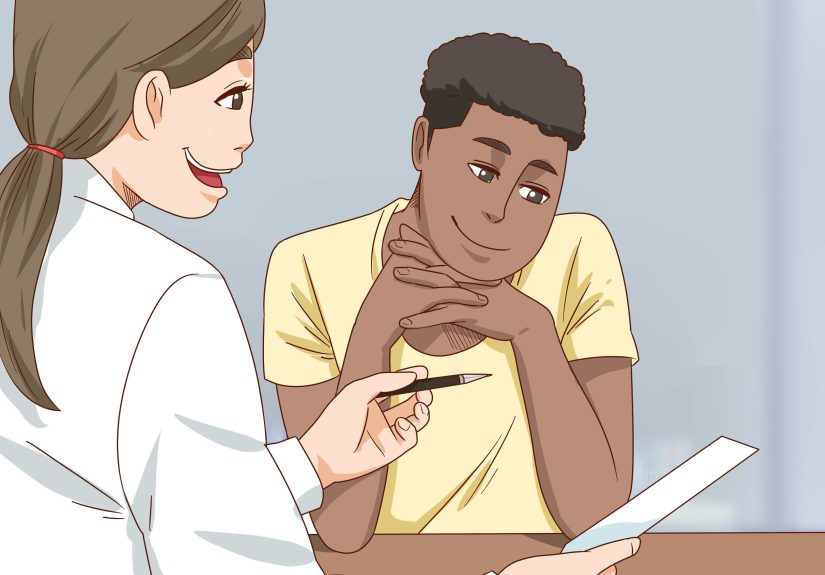
Self-guided steps can help a lot, but if hemophobia is causing you to avoid needed medical care, panic frequently,
or faint often, it’s worth working with a mental health professional. Evidence-based care for specific phobias
commonly includes CBT and exposure therapy, sometimes tailored for BII-type fainting
patterns.
Signs it’s time to get help
- You avoid doctors, labs, vaccines, or first aid because of fear
- You faint frequently or get injured from near-fainting
- Your fear feels “bigger than you,” despite trying to push through
- The phobia is affecting work, parenting, school, or relationships
How to find support
In the U.S., you can search for licensed providers and treatment options through reputable national resources.
If you’re not sure where to start, your primary care clinician can also help with referrals.
Common mistakes (so you don’t accidentally train the phobia)
- Going too big too fast: jumping to graphic videos when you haven’t practiced skills
- Escaping early: leaving at peak fear teaches your brain “escape = safety”
- Skipping repetition: one brave attempt is inspiring, but repetition is what rewires fear
- Only using avoidance: short-term relief, long-term stronger phobia
- Confusing discomfort with danger: anxiety is loud, not always accurate
Quick FAQ
How long does it take to overcome hemophobia?
It varies, but improvement often comes from consistent practice. Many people notice meaningful change when they
do gradual exposure several times per week and repeat steps until fear drops.
Will I always faint?
Not necessarily. Many people reduce or prevent fainting by learning applied tension/counterpressure skills,
lying down for procedures, and practicing exposures progressively.
Do medications help?
Some people use medication short-term for specific situations, but behavioral approaches (exposure-based methods,
CBT skills, and anti-fainting techniques) are typically central for lasting improvement in specific phobias.
A clinician can help you decide what’s appropriate.
Experiences that make this real (the “what it actually feels like” section)
Below are composite experiences based on common patterns people report when working through hemophobia. They’re
not meant to replace professional guidancejust to show what progress can look like in real life, including the
awkward parts (because yes, there are awkward parts).
Experience 1: The “I fainted in science class and became a core memory” moment
A lot of people trace hemophobia back to an early fainting episodeoften in a school setting, during a movie, or
after a minor injury. The fear isn’t just blood; it’s the fear of fainting and losing control in public.
One person started by writing the word “blood” on index cards, then progressed to cartoon images. The first few
sessions felt silly (“I’m afraid of a cartoon drop?”), but that silliness actually helped. When they eventually
looked at realistic images, their anxiety still spikedbut they didn’t bolt. That “I stayed” moment became the
first time their brain learned a new association: blood can be unpleasant, and still survivable.
Experience 2: The clinic win that wasn’t glamorousbut counted
Another common story: someone avoided bloodwork for years, then finally scheduled it and immediately regretted
having hands. Their breakthrough wasn’t bravery; it was logistics. They told the staff they were faint-prone,
asked to lie down, and practiced applied tension in the waiting room like a very subtle superhero charging up.
They looked away during the needle part (zero shame), focused on tensing and relaxing, and kept breathing
normally. They still felt shaky afterwardbut they didn’t faint. The win wasn’t “I felt calm.” The win was
“I did it safely.” Next time, their fear rating dropped from a 10 to an 8, and that was enough to keep going.
Experience 3: The exposure ladder that started with ketchup (no, really)
Some people need to begin with “blood-adjacent” cues that feel manageable. One person used red paint, ketchup,
and fake-blood gel (the Halloween aisle: unexpectedly therapeutic). Step one was placing a tiny dot on a tissue
while seated and doing applied tension. Step two was a larger smear. Step three was a photo of a minor cut.
Over time, their disgust response softened and their panic stopped sprinting to the finish line. They joked that
condiments had become part of their mental health plan“Pass the exposure therapy, please.” Humor didn’t erase
fear, but it made practice less intimidating, which made practice more consistent, which made fear smaller.
Experience 4: The “I stopped rehearsing disasters in my head” shift
For many people, the most exhausting part of hemophobia happens before exposureendless mental previewing:
“What if I faint? What if I throw up? What if everyone stares? What if I can’t stop the panic?” One person used
a simple CBT script: “That’s a prediction, not a fact.” They wrote down worst-case thoughts, then answered them
with practical counterpoints: “If I faint, I’ll be lying down; staff handle this daily.” They weren’t trying to
“think positive.” They were trying to think accurately. Over time, they noticed something huge: the
anticipatory dread shrank. The event was still hardbut it stopped ruining the entire week beforehand.
Experience 5: The day blood became “a thing,” not “the thing”
One of the clearest signs of recovery is not loving bloodit’s forgetting to fear it. People describe moments
like: helping a child with a scraped knee without panic, watching a medical scene and realizing they’re more
focused on the plot than their pulse, or going to a blood draw and thinking, “Annoying, but doable.” That shift
usually comes after lots of unremarkable practice sessions: reading, looking, sitting with discomfort, tensing,
breathing, repeating. Recovery is rarely cinematic. It’s closer to: your nervous system gets bored of the alarm,
and your attention returns to your actual lifewhere it belongs.






 Close
Close