
Table of Contents >> Show >> Hide
- Why Packing in a Small Suitcase Is a Travel Superpower
- Start With the Right Small Suitcase
- Create a Packing List Before You Pull Clothes Out
- Build a Mini Capsule Wardrobe
- Wear Your Bulkiest Items
- Limit Shoes Ruthlessly
- Roll, Fold, or Bundle? Use the Best Method for Each Item
- Use Packing Cubes Without Overpacking Them
- Pack Heavy Items Near the Wheels
- Downsize Toiletries Like a Professional
- Be Smart With Electronics and Chargers
- Use Every Awkward Corner
- Plan for Laundry
- Leave Space for the Return Trip
- Small Suitcase Packing Checklist
- Common Small Suitcase Packing Mistakes
- Real-World Experiences: What Packing in a Small Suitcase Teaches You
- Conclusion
Packing in a small suitcase sounds easy until you are kneeling on the lid, whispering motivational speeches to a zipper that has clearly lost the will to live. The good news? You do not need wizard luggage, a personal stylist, or the emotional strength to leave every “just in case” item behind. You need a smarter system.
Learning how to pack in a small suitcase is less about owning fewer things and more about making better choices before anything touches the bag. A compact suitcase rewards planning. It forces every shirt, shoe, charger, toiletry, and jacket to earn its seat on the tiny travel bus. When done well, packing light makes trips smoother, cheaper, faster, and far less chaotic at the airport, hotel, train station, or your cousin’s suspiciously tiny guest room.
This guide breaks down practical, real-world packing strategies for carry-on travelers, weekend trippers, business travelers, students, families, and anyone who wants to stop dragging half a closet across the planet. You will learn how to choose the right clothes, organize small spaces, use packing cubes wisely, handle toiletries, avoid wrinkles, and leave room for souvenirs without turning your suitcase into a fabric grenade.
Why Packing in a Small Suitcase Is a Travel Superpower
A small suitcase changes the way you travel. Instead of waiting at baggage claim, you can walk straight out of the airport. Instead of worrying about lost luggage, you keep your essentials nearby. Instead of hauling a heavy bag up stairs, across cobblestones, or through a crowded hotel lobby, you glide through like someone who has made excellent life decisions.
The biggest benefit is freedom. A small suitcase encourages you to pack only what you actually use. Most travelers do not need five pairs of shoes, eight “maybe” outfits, or a full-size bottle of shampoo large enough to moisturize a small village. When you pack light, your trip becomes easier from start to finish.
Start With the Right Small Suitcase
Before you pack, inspect the suitcase itself. A good small suitcase should be lightweight, sturdy, easy to roll, and simple to organize. Hard-shell suitcases protect fragile items better, while soft-sided bags often offer exterior pockets and a little flexibility. Neither is magically superior; the best choice depends on your trip.
Measure the Bag Before You Trust It
If you are flying, measure your suitcase including wheels, handles, and bulging front pockets. Many travelers measure only the boxy part of the bag and then look deeply offended when the airline disagrees. Airline size limits can vary, so always check your airline before departure, especially for budget carriers or international flights.
Choose a Bag With Structure
A suitcase with divided compartments, compression straps, and smooth zippers is easier to pack efficiently. If the inside looks like an empty cave, you can still make it work, but you will need packing cubes or pouches to create order. A small suitcase without organization is basically a portable laundry basket with wheels.
Create a Packing List Before You Pull Clothes Out
The biggest packing mistake happens before the suitcase opens: grabbing items randomly. A packing list saves space because it prevents panic packing. Start with the basics: destination, weather, trip length, activities, dress codes, and laundry access. A three-day beach trip and a five-day business conference should not produce the same suitcase unless your meetings are very sandy.
Write down exactly what you need. Then edit. Then edit again. The first draft of a packing list is usually written by optimism, anxiety, and the belief that you might suddenly become a person who wears linen pants at sunrise. The second draft is where useful decisions happen.
Build a Mini Capsule Wardrobe
The secret to packing in a small suitcase is choosing clothes that work together. A mini capsule wardrobe uses a limited number of pieces that can be mixed and matched into multiple outfits. Instead of packing seven unrelated outfits, pack flexible items in a simple color palette.
Use the 3-2-1 Rule for Short Trips
For a weekend or three-to-four-day trip, try this simple formula:
- Three tops
- Two bottoms
- One outer layer
- One pair of comfortable travel shoes
- One nicer outfit piece if needed
This formula can be adjusted, but the idea is powerful: every piece should match at least two other pieces. A black T-shirt, neutral button-down, lightweight sweater, dark jeans, and comfortable pants can create several outfits without filling the bag.
Pick Fabrics That Travel Well
Lightweight, wrinkle-resistant, quick-drying fabrics are your friends. Merino wool, performance blends, soft knits, and breathable synthetics can be worn more than once and dry faster after washing. Thick cotton hoodies and heavy denim are comfortable, but they eat suitcase space like they have a personal grudge against your packing goals.
Wear Your Bulkiest Items
If you need boots, a jacket, or a chunky sweater, wear them during travel. This is not always glamorous, especially if you are boarding in warm weather, but it frees a surprising amount of suitcase space. Your suitcase should carry compact items; your body can carry the bulky ones. Fashion may suffer briefly, but your zipper will thank you.
For cold-weather trips, layer instead of packing one giant coat. A thermal base layer, lightweight sweater, and packable jacket can be more versatile than a huge winter coat. Layers also help when weather changes during the day.
Limit Shoes Ruthlessly
Shoes are the villains of small suitcase packing. They are bulky, oddly shaped, and rarely willing to cooperate. The best strategy is to pack no more than two pairs total for most trips: one pair worn during travel and one pair packed.
Choose shoes based on your actual itinerary, not your imaginary vacation montage. If you will walk all day, comfortable walking shoes matter more than the fancy pair that looks great but causes emotional damage after six blocks. If you need dress shoes, choose the most versatile pair you own.
Use the Inside of Shoes
Stuff socks, belts, small accessories, or wrapped chargers inside shoes. This uses dead space and helps shoes keep their shape. Place shoes heel-to-toe near the wheel end of the suitcase, preferably in a shoe bag or simple plastic bag to keep soles away from clean clothes.
Roll, Fold, or Bundle? Use the Best Method for Each Item
The internet loves arguing about rolling versus folding clothes. The truth is less dramatic: both work, depending on the item. Rolling is excellent for T-shirts, leggings, casual dresses, underwear, pajamas, and soft fabrics. Folding works better for structured pants, blazers, button-down shirts, and items that crease sharply.
Roll Soft Clothes
Roll each soft item tightly, but not so tightly that it looks like a burrito under stress. Rolling saves space, makes items visible, and reduces hard fold lines. Rolled clothes also fit nicely into packing cubes.
Fold Structured Clothes
For button-down shirts, jackets, and dress pants, fold carefully along natural seams. Place structured items toward the top of the suitcase or in a garment folder if you have one. If you are packing a blazer, turn one shoulder inside out, tuck the other shoulder into it, fold gently, and avoid crushing it under shoes or toiletries.
Use Packing Cubes Without Overpacking Them
Packing cubes are not magic, but they are extremely useful. They keep categories together, compress soft items, and make it easier to unpack without turning your hotel room into a laundry-themed escape room. Use one cube for tops, one for bottoms, one for underwear and socks, and one small pouch for sleepwear or workout clothes.
Compression cubes can save space, especially with soft clothing. However, be careful: compression creates room, but it does not reduce weight. If you use the extra space to pack more stuff, your small suitcase may become dense enough to qualify as gym equipment.
Pack Heavy Items Near the Wheels
Weight distribution matters. Put shoes, toiletry bags, hair tools, and other heavy items near the wheel end of the suitcase. This helps the bag stand upright and roll more smoothly. If heavy items sit near the top, the suitcase may tip over dramatically in public, which is a wonderful way to meet strangers for all the wrong reasons.
After placing heavy items, fill gaps with rolled clothes, socks, scarves, or small pouches. The goal is to prevent shifting. A tightly organized suitcase wrinkles less because items stay where you put them.
Downsize Toiletries Like a Professional
Toiletries are sneaky space thieves. Full-size bottles are rarely necessary for short trips. Use travel-size containers, solid toiletries, sample packets, or products already available at your destination. Shampoo bars, solid deodorant, toothpaste tablets, and compact skincare can reduce liquid volume and prevent leaks.
For U.S. flights, carry-on liquids, gels, creams, pastes, and aerosols generally need to follow the TSA 3-1-1 rule: containers of 3.4 ounces or 100 milliliters or less, fitting inside one quart-size bag per passenger. Keep this bag easy to reach during security screening.
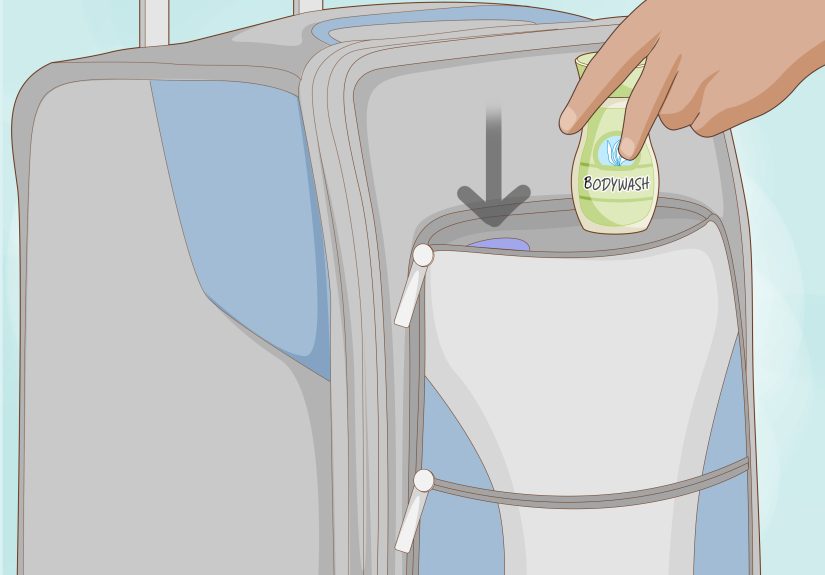
Pack Toiletries Last
Place your toiletry pouch near the top or in an accessible pocket. That way, if you need to remove it at security or grab lip balm mid-trip, you are not excavating your suitcase like an archaeologist searching for ancient moisturizer.
Be Smart With Electronics and Chargers
Electronics can quickly create cable chaos. Bring only the chargers you need, and use a small tech pouch to store cables, adapters, earbuds, and power banks. If multiple devices use the same charging cable, do not pack duplicates unless you truly need them.
Spare lithium batteries and power banks should stay in your carry-on bag, not checked luggage. If your carry-on is gate-checked, remove power banks and spare batteries before handing over the bag. Protect battery terminals from damage or short circuits.
Use Every Awkward Corner
Small suitcases are full of weird little spaces. Use them. Tuck socks into shoes. Slide belts around the suitcase edges. Place underwear in gaps between packing cubes. Put a flat laundry bag along the side. Store a folded tote bag in an exterior pocket for groceries, beach gear, or overflow on the return trip.
Do not waste the space between handle rails inside the suitcase. These grooves are perfect for rolled socks, small accessories, or flat sandals. The flatter and more flexible an item is, the better it works as gap filler.
Plan for Laundry
If your trip is longer than five days, laundry is your secret weapon. You do not need ten days of clothing for a ten-day trip if you can wash items halfway through. Pack a small laundry bag, a few detergent sheets, or a travel-size laundry soap. Choose clothing that dries overnight.
Even if you do not do a full wash, separating dirty clothes keeps your suitcase fresh. A lightweight laundry pouch or spare packing cube prevents clean clothes from mingling with socks that have walked 18,000 steps and developed opinions.
Leave Space for the Return Trip
Your suitcase will rarely return exactly as it left. Clothes are less perfectly folded, toiletries may leak, souvenirs appear, and somehow receipts multiply like rabbits. Leave at least 10 to 20 percent of your suitcase empty if possible. If that sounds impossible, pack a foldable tote or small compression bag for the return journey.
One useful trick is to pack with your suitcase closed comfortably on the first try. If you need to sit on it before leaving home, the return trip will be worse. A suitcase should zip with dignity.
Small Suitcase Packing Checklist
Use this quick checklist before you close the bag:
- Every clothing item matches at least two others.
- Bulkiest items are worn, not packed.
- Shoes are limited and filled with small items.
- Toiletries are travel-size and leak-proof.
- Power banks and spare lithium batteries are in the carry-on.
- Dirty laundry has a separate pouch.
- Travel documents and essentials are easy to reach.
- The suitcase closes without wrestling.
Common Small Suitcase Packing Mistakes
Packing for Fantasy Activities
If your itinerary does not include a gala, mountain rescue mission, formal dinner, beach photoshoot, and surprise yoga retreat, do not pack for all of them. Pack for the trip you are actually taking.
Bringing Too Many “Just in Case” Items
One backup outfit is smart. Four backup outfits are fear wearing cotton. Most destinations have stores. Unless you are traveling somewhere remote, you can usually buy a forgotten basic.
Ignoring Weight
A suitcase can be small and still heavy. Compression cubes, extra shoes, books, and electronics can turn a compact bag into a shoulder injury with wheels. Pack for space and weight.
Leaving Essentials Buried
Medication, travel documents, chargers, glasses, and one change of clothes should be easy to access. Do not bury important items under layers of rolled shirts unless you enjoy unpacking in public.
Real-World Experiences: What Packing in a Small Suitcase Teaches You
The first time you pack in a small suitcase, it may feel like a personal attack. You look at the bag, then at your clothes, then back at the bag, and wonder whether physics has recently become stricter. But after a few trips, you start noticing patterns. The items you thought were essential often return home untouched, while the simple, comfortable pieces get worn repeatedly.
One common experience is discovering that versatility beats quantity. A plain black T-shirt may not look exciting on a hanger, but it can work for a walking tour, casual dinner, travel day, or layered outfit. A lightweight button-down can become a shirt, beach cover-up, jacket substitute, or wrinkle-friendly dinner option. Meanwhile, the dramatic outfit packed for “maybe one nice photo” often stays folded like a tiny monument to overconfidence.
Another lesson is that shoes make or break the suitcase. Many travelers learn this the hard way after packing three pairs and wearing only one. Comfortable shoes earn their space. Uncomfortable shoes become heavy decorations. A good rule from experience: if a shoe has not already proven itself on a long day, it does not get promoted to travel duty. Vacation is not the time to test whether new shoes are secretly villains.
Toiletries also teach humility. At home, a full skincare shelf feels normal. In a small suitcase, it feels like opening a boutique inside your luggage. Most trips require far less than people imagine: cleanser, moisturizer, sunscreen, deodorant, toothbrush, toothpaste, basic grooming tools, and any personal must-haves. Decanting products into tiny containers is helpful, but only if you label them. Nothing adds mystery to a morning like wondering whether the clear liquid is face wash, shampoo, or laundry soap.
Experienced small-suitcase travelers often develop a rhythm. They pack by category, not by panic. Clothes go into cubes. Toiletries go into a pouch. Tech goes into a tech organizer. Documents stay in the personal item. Dirty laundry gets isolated early instead of becoming a suitcase-wide event. This system makes travel feel calmer because every item has a home.
Another real-world trick is the “last-minute removal round.” After packing everything, remove three items. Usually, you will not miss them. This small edit creates breathing room, reduces weight, and makes repacking easier. The best-packed small suitcase is not filled to maximum capacity; it has enough space to function during the trip.
Perhaps the biggest experience-based lesson is emotional: packing light makes you trust yourself. You realize you do not need every possible option to have a good trip. You need the right basics, a flexible plan, and enough confidence to repeat an outfit without sending a public apology. Most people are too busy enjoying their own travels to notice whether you wore the same jacket yesterday.
In the end, packing in a small suitcase is a skill, not a personality trait. You get better each time. You learn what you actually use, what you always regret bringing, and what belongs permanently on your packing list. Eventually, the small suitcase stops looking like a challenge and starts looking like freedom with a handle.
Conclusion
Knowing how to pack in a small suitcase is one of the most useful travel skills you can build. It saves time, money, energy, and frustration. The formula is simple: choose versatile clothing, limit shoes, use packing cubes wisely, downsize toiletries, place heavy items near the wheels, and keep essentials accessible. Add a little discipline, a little creativity, and a firm refusal to pack for imaginary emergencies, and your small suitcase can handle far more than you think.
Traveling light does not mean traveling unprepared. It means packing with purpose. When every item has a reason to be there, your suitcase becomes easier to carry, easier to organize, and easier to live with. And yes, your zipper may finally stop giving you that judgmental look.




 Close
Close