Table of Contents >> Show >> Hide
- What Experts Look for First
- The Texture Clues That Separate “Pretty Good” From “Where Have You Been All My Life?”
- Understand the Vanilla Styles Before You Buy
- How to Match the Ice Cream to the Job
- Common Shopping Mistakes to Avoid
- Expert-Inspired Brand Lessons From the Freezer Aisle
- What Real-World Experience Teaches You About Buying Vanilla Ice Cream
- Conclusion
- SEO Tags
Vanilla ice cream has a branding problem. It is constantly described as “plain,” “basic,” or the dessert equivalent of choosing a beige sweater on purpose. And yet, when food editors, chefs, tasters, and dessert nerds line up spoonful after spoonful for blind taste tests, vanilla becomes the flavor that exposes everything. There is nowhere to hide. No cookie chunks. No caramel swirl. No chocolate-covered distraction. Just dairy, sweetness, texture, and vanilla doing all the heavy lifting.
That is exactly why choosing the best vanilla ice cream can feel weirdly complicated. One carton tastes lush, creamy, and deeply aromatic. Another tastes airy, icy, and suspiciously like sweet cold fog. The good news is that experts tend to agree on what separates a genuinely great scoop from a forgettable one. The even better news is that you do not need a culinary degree, a white coat, or a frozen tasting lab to shop smarter. You just need to know what to look for on the label, what to expect from texture, and what kind of vanilla experience you actually want.
If your dream scoop is rich enough to make apple pie blush, or clean and bright enough to disappear under hot fudge without becoming a sugary casualty, this guide will help you pick the very best vanilla ice cream with confidence.
What Experts Look for First
1. Make Sure It Is Actually Ice Cream
The first move is not glamorous, but it is essential: read the front of the carton. If the package says ice cream, you are already in a better place than if it says frozen dairy dessert. That small wording difference matters. Ice cream has to meet legal composition standards, while frozen dairy desserts can use different formulas that often lead to a less rich result. In practical terms, this means your spoon may be headed toward something creamier, denser, and more satisfying when the carton calls itself ice cream without any verbal gymnastics.
This does not mean every “ice cream” carton is automatically wonderful. It does mean you have avoided one of the most common freezer-aisle traps: paying premium money for a product that melts like sadness and tastes like sweetened air conditioning.
2. Read the Ingredient List Like a Friendly Detective
Experts love a short ingredient list, but not because shorter automatically means saintlier. They like it because vanilla ice cream is supposed to taste like dairy and vanilla, not like the inside of a chemistry group project. A clean list built around cream, milk, sugar, and vanilla is often a strong sign. Egg yolks can be a plus too, especially if you like a richer, custard-style scoop.
That said, do not panic the second you see stabilizers or gums. Many brands use them to improve texture and control ice crystals. The issue is not whether an ingredient list is six items or ten. The issue is whether the final scoop feels creamy and intentional or weirdly gummy, fluffy, or icy. Ingredient lists are clues, not courtroom evidence.
A great vanilla carton usually gives you some version of this message: we are here to deliver dairy richness and real vanilla flavor, not to moonlight as edible packing foam.
The Texture Clues That Separate “Pretty Good” From “Where Have You Been All My Life?”
Dense Is Usually a Good Sign
One of the biggest patterns in expert taste tests is that top vanilla ice creams tend to feel dense and creamy rather than overly airy. That is partly about overrun, the industry term for how much air gets whipped into ice cream. More air can make a product lighter and cheaper to produce. Less air often creates a richer, more luxurious bite.
Now, dense does not have to mean brick-like. If your scoop fights back as if you insulted its ancestors, that is not elegance. The best vanilla ice creams are firm but scoopable after a couple of minutes on the counter. They feel substantial on the spoon, then soften into something silky on the tongue.
Watch the Melt
Experts also pay attention to how vanilla ice cream melts. Good vanilla should not collapse into a sad puddle the second it sees daylight, nor should it sit there like a frozen paperweight. The ideal melt is gradual and creamy. As it softens, the flavor should open up, not disappear. If the melting ice cream becomes watery, foamy, or strangely sticky, that is usually a sign the structure was doing too much work and the flavor too little.
The Spoon Test Is Real
There is a reason professional tasters talk about mouthfeel so much. Vanilla ice cream is not just a flavor judgment; it is a texture exam with zero extra credit. The best scoops feel smooth and rounded, not gritty, icy, crumbly, or tacky. A premium pint often leaves the impression that everything in it was put there on purpose. A weaker one tastes like the ingredients met five minutes before class and hoped for the best.
Understand the Vanilla Styles Before You Buy
Classic Vanilla
Classic vanilla is usually the cleanest expression of the flavor. It leans milky, creamy, and straightforward. If you want an all-purpose vanilla for sundaes, cakes, floats, and pie, this is often the safest pick. It plays well with others and does not try to dominate the dessert table like a relative who just discovered podcasts.
Vanilla Bean
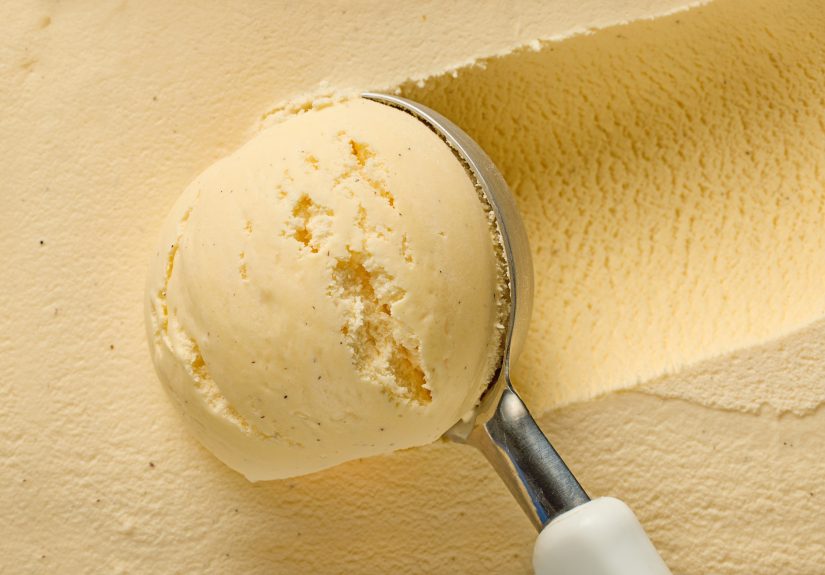
Vanilla bean often announces itself with visible specks. Those little flecks can signal a more aromatic, more noticeably vanilla-forward scoop. The texture may still be creamy and classic, but the flavor tends to feel more perfumed, deeper, and a little more dramatic. If you want your vanilla to actually taste like something memorable instead of generic sweetness, vanilla bean is a strong bet.
French Vanilla
French vanilla is not a fancier place where regular vanilla goes on vacation. In ice cream, it usually means an egg-yolk base. That gives the scoop a richer, more custardy flavor and often a slightly warmer color. If you adore crème brûlée, pastry cream, or the creamy center of a really good frozen custard, French vanilla may be your lane.
None of these styles is universally “best.” The winner depends on whether you want bright and clean, aromatic and beany, or rich and custardy.
How to Match the Ice Cream to the Job
Best for Eating Straight from the Pint
Go for a denser, premium-style vanilla with a bold flavor and creamy body. This is where the ice cream has to perform without help. If the pint is going solo, it needs enough richness and vanilla character to keep every spoonful interesting.
Best for Pie, Cobblers, and Warm Desserts
A slightly lighter vanilla can be perfect here. You want balance, not a dairy takeover. When spooned over apple pie, peach cobbler, or brownies, vanilla should cool the dessert down and bring creamy contrast without overpowering the star of the plate.
Best for Sundaes and Toppings
Choose a scoop with strong structure and a clean vanilla profile. Once hot fudge, caramel, nuts, fruit, whipped cream, and possibly your better judgment hit the bowl, the base should still taste like vanilla, not vanish under the toppings like a shy intern at the company party.
Best for Kids’ Parties and Big Gatherings
Look for crowd-friendly vanilla that is easy to scoop, pleasant with cones, and not so rich that everyone needs a nap after three bites. This is where consistency matters. A pint that is amazing on its own but impossible to scoop for twenty people becomes less “premium” and more “hostile.”
Common Shopping Mistakes to Avoid
Falling for Fancy Packaging
A farmhouse font and a watercolor cow do not guarantee greatness. Some of the best-regarded vanilla ice creams come in pretty simple containers, while some gorgeous cartons deliver texture that feels suspiciously like frozen packing peanuts.
Assuming More Vanilla Specks Means Better Flavor
Visible bean flecks can be appealing, but they are not a magic spell. Some ice creams with beautiful specks still taste flat. Others without dramatic speckling taste incredible. Trust your ingredient list and the brand’s track record, not just the confetti effect.
Confusing Sweetness with Flavor
Vanilla should not taste like anonymous sugar wearing a vanilla name tag. The best versions balance sweetness with creaminess and aroma. When tasters dislike a vanilla pint, it is often because it tastes sugary first and vanilla second.
Ignoring Intended Use
There is no single perfect vanilla for every situation. The pint that tastes transcendent on its own might be too rich on top of a butter-heavy pie. The lighter, brighter scoop that shines with dessert might seem thin when eaten solo. Buy the carton for the job, not just the label.
Expert-Inspired Brand Lessons From the Freezer Aisle
Across taste tests, a few themes show up again and again. Dense premium pints often win because they deliver richer dairy flavor and more noticeable vanilla. Cartons with shorter, simpler ingredient lists frequently impress tasters who want clean flavor and creamy texture. Meanwhile, brands that are too airy, too icy, or too sweet tend to drop in the rankings fast.
That does not mean you need one specific brand tattooed on your grocery list forever. It means you can learn from what experts repeatedly reward. For example, brands known for simpler formulas and dense texture often do well when the goal is straight-up indulgence. Brands with a lighter, milkier profile can be excellent for pie or fruit desserts. Custard-style versions appeal to people who want richness and an eggy finish. In other words, the smartest shopping habit is not blind loyalty. It is pattern recognition.
If one expert-tested winner taught the freezer aisle anything, it is this: vanilla is not boring when it is done right. It is precise. It is revealing. It is the little black dress of dessert, except colder and more likely to end up with caramel on it.
What Real-World Experience Teaches You About Buying Vanilla Ice Cream
Here is the part experts know and regular shoppers eventually learn the delicious way: the best vanilla ice cream is not always the one that sounds most luxurious on the shelf. Sometimes the winner is the pint you can happily eat three spoonfuls of while standing at the kitchen counter, then still want on pie later that night. Sometimes it is the carton that makes a root beer float taste like summer vacation in edible form. And sometimes it is simply the one that makes everyone at the table go quiet for a second, which is the highest compliment dessert can receive.
Experience also teaches you that freezer conditions matter more than people think. Even excellent vanilla ice cream can turn disappointing if it has been poorly stored, partially melted, and refrozen. If the carton has a weirdly puffed lid, a ring of frost under the seal, or a texture that feels rock-hard in some places and soft in others, that is a warning sign. You are not being picky. You are protecting your dessert future.
Another lesson: your favorite vanilla depends on your dessert personality. The person who wants a dramatic, candlelit spoonful after dinner may prefer a rich, dense, custardy pint with deep vanilla flavor. The person building the world’s most chaotic sundae may want a cleaner, brighter vanilla that can survive under fudge, cherries, nuts, and whipped cream without tasting confused. The person serving a warm peach cobbler to guests may want something lighter and silkier that melts fast enough to mingle with the fruit but not so fast it becomes sweet soup.
There is also the nostalgia factor, which is very real and frankly deserves respect. For many people, the best vanilla ice cream is tied to a memory: cardboard tubs at birthday parties, scoops after Little League games, cones on humid nights, or a bowl eaten straight from the carton during a breakup that somehow turned into a personal growth seminar. Texture, aroma, and sweetness all hit differently when memory joins the tasting panel. That does not make the judgment less valid. It makes it more human.
Over time, experienced ice cream buyers start noticing little patterns. The best pints often feel heavier for their size. They usually smell like vanilla and cream the moment the lid comes off. They soften into satiny spoonfuls instead of becoming foamy or watery. They do not leave an odd aftertaste that makes you stare into the middle distance wondering what exactly just happened. They just taste complete.
And then there is the final lesson, the one that turns casual shoppers into freezer-aisle philosophers: there is no need to apologize for loving vanilla. In fact, choosing the best vanilla ice cream may be one of the smartest dessert decisions you can make. Vanilla goes with everything, reveals quality instantly, and has enough range to suit nearly every craving. It can be elegant, comforting, playful, or nostalgic. It can support a showy dessert or be the whole show itself.
So the next time you are parked in front of the freezer case pretending this is a serious life decision, relax. In a way, it is. But now you know what the experts know. Check the label. Study the ingredients. Think about density, melt, and style. Pick the vanilla that fits the moment. Then go home, grab the good spoon, and let the so-called “plain” flavor prove exactly how wrong that label has always been.
Conclusion
The very best vanilla ice cream is the one that matches your taste, your dessert plans, and your standards for texture and flavor. Experts may disagree on the exact winning pint, but they largely agree on the method: start with a carton that is truly labeled ice cream, look for an ingredient list built around dairy and vanilla, pay attention to density and melt, and choose the vanilla style that suits the job. Once you know those rules, the freezer aisle becomes a lot less random and a lot more rewarding. Vanilla was never boring. It was just waiting for a smarter audience.