Table of Contents >> Show >> Hide
- Why Hanging Baskets Are Different (and Slightly Dramatic)
- What You’ll Need
- Step 1: Choose the Right Basket and Location
- Step 2: Use the Right Potting Mix (No, Not Dirt From Your Yard)
- Step 3: Add Fertilizer at Planting (Because Baskets Are Hungry)
- Step 4: Design the Basket Like a Pro (Thriller, Filler, Spiller)
- Step 5: Plant the Basket (The Actual Fun Part)
- Step 6: Watering Without Losing Your Mind
- Step 7: Fertilize for Continuous Blooms
- Step 8: Keep It Full, Neat, and Blooming
- Troubleshooting: Quick Fixes for Common Basket Problems
- FAQ: Hanging Basket Questions People Actually Ask
- of Real-World Experience: Lessons Gardeners Learn the Fun Way
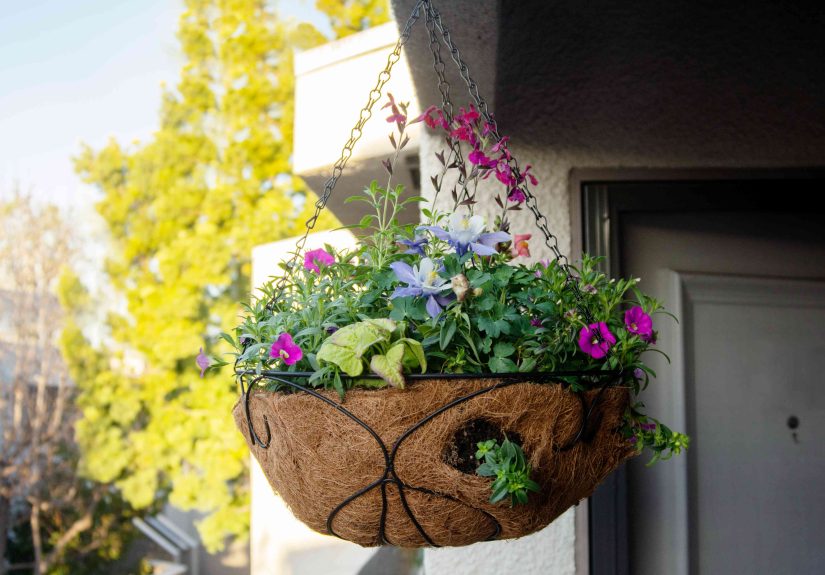
Hanging baskets are the glamorous overachievers of the gardening world: they bloom where they’re hung, they show off at eye level,
and they somehow manage to dry out the moment you look away. The good news? Planting a hanging flower basket is easy once you nail
three things: lightweight soil, smart plant choices, and consistent watering + feeding.
This guide walks you through the whole processfrom empty basket to “neighbors mysteriously taking longer walks past your house.”
Why Hanging Baskets Are Different (and Slightly Dramatic)
Unlike pots sitting on the ground, hanging baskets get air and wind on all sides. That extra exposure means the potting mix dries faster,
nutrients leach faster, and plants can sulk faster. Translation: success isn’t about “hard gardening”it’s about setting up the basket so
it’s easier to care for when summer turns up the heat.
What You’ll Need
- A sturdy hanging basket (12–14 inches wide is a sweet spot for mixed plantings)
- Liner (coco coir, moss, or a fitted liner for wire baskets)
- Quality potting mix (lightweight, container-specificnever garden soil)
- Slow-release fertilizer (granular) and/or water-soluble fertilizer for midseason boosts
- Plants suited to your light conditions (sun vs. shade)
- Pruners/snips for trimming and deadheading
- Optional “life savers”: water-retaining crystals, a watering wand, and a hook you trust with your reputation
Step 1: Choose the Right Basket and Location
Pick a basket that won’t become a wrecking ball
When wet, hanging baskets get heavyfast. Choose a container that’s sturdy but not excessively heavy by design.
Lightweight materials and wire baskets with liners are popular because they’re easier to hang and move.
Wherever you hang it, make sure the support is solid (a proper bracket, a beam hook, or a dedicated stand).
Match the basket to the light
Start with the site, not the plant tag you fell in love with at the garden center. The easiest rule:
- Full sun: 6+ hours of direct sun (great for petunias, calibrachoa, verbena, lantana)
- Part shade: morning sun + afternoon shade (great for many mixed annual baskets)
- Shade: bright light, little direct sun (great for fuchsia, begonias, impatiens)
Step 2: Use the Right Potting Mix (No, Not Dirt From Your Yard)
Hanging baskets need a light, well-draining potting mix that still holds enough moisture to keep roots happy.
Garden soil is too heavy, drains poorly in containers, and can introduce pests and diseasesbasically, it’s the wrong tool for this job.
A simple “basket-friendly” mix idea
Use a high-quality commercial potting mix. If you want to tweak it:
- Add a bit of perlite for extra aeration and drainage if your mix seems dense.
- Use water-retaining crystals sparingly if you’re in a hot, windy spot (helpful, but not magic).
Pre-moisten the mix (your future self will thank you)
Dry potting mix can repel water at first. Moisten it in a tub or bucket until it feels like a wrung-out sponge.
This helps the basket hydrate evenly from day one.
Step 3: Add Fertilizer at Planting (Because Baskets Are Hungry)
Frequent watering flushes nutrients out of containers, so hanging baskets typically need regular fertilizing through the season.
The easiest approach is a “two-lane” plan:
- Lane 1: Mix in a slow-release granular fertilizer at planting for steady baseline feeding.
- Lane 2: Use a water-soluble fertilizer every 1–3 weeks (or as label-directed) for bloom support.
Avoid going heavy on high-nitrogen fertilizer if your goal is flowerstoo much nitrogen can turn your basket into a leafy science experiment
with fewer blooms.
Step 4: Design the Basket Like a Pro (Thriller, Filler, Spiller)
Want that lush, overflowing look? Use the classic container formula:
- Thriller: the tall or dramatic centerpiece (or slightly off-center if viewed from one side)
- Filler: mounded plants that make it look full
- Spiller: trailing plants that cascade over the edges
Example: Full-sun “all-summer color” basket
- Thriller: Upright angelonia or a compact ornamental grass
- Fillers: Supertunia-type petunia + calibrachoa for nonstop bloom power
- Spillers: Sweet potato vine or trailing verbena
Example: Shade-to-part-shade “bright porch” basket
- Thriller: Upright begonia or a dramatic foliage plant (coleus works in bright shade)
- Fillers: Impatiens or wax begonias for color
- Spillers: Trailing lobelia or creeping Jenny
Step 5: Plant the Basket (The Actual Fun Part)
-
Stabilize the basket.
Set it on a bucket, large pot, or sturdy bowl so it doesn’t wobble while you work. -
Line it (if needed).
If it’s a wire basket, place the liner and make sure it’s snug. -
Add potting mix halfway.
Gently firm itdon’t pack it like you’re stuffing a suitcase. -
Place your plants.
Arrange them (still in pots) on top of the soil first. Step back and check the look.
This is the “before you commit” moment. -
Plant the thriller.
Remove from the nursery pot, loosen circling roots lightly, and set it in place. -
Add fillers and spillers.
Space them so they’ll grow into each other without becoming a tangled argument by July. -
Top off with mix.
Leave about 1 inch of headspace below the rim so water doesn’t immediately run off. -
Water thoroughly.
Water until you see runoff from the bottom. This settles soil around roots and removes air pockets.
Step 6: Watering Without Losing Your Mind
If hanging baskets had a motto, it would be: “Hydrate me like you mean it.”
Most baskets need daily watering in summer, and in hot, windy weather they may need watering twice a day.
The goal is deep wateringwet the entire root zone until water runs out the bottom.
The “lift test” for watering
After you water fully, lift the basket to feel the “wet weight.” As days pass, lift again:
if it feels noticeably lighter, it’s time to water. This simple habit prevents the two classic mistakes:
drowning plants or forgetting them until they faint dramatically.
What if the soil gets bone dry?
Severely dry potting mix can become water-repellent, so water may rush through without rehydrating roots.
If that happens, take the basket down and soak it in a tub, wheelbarrow, or large container of water
until it rehydrates evenly. It’s the plant version of drinking water slowly after eating salty snacks.
Step 7: Fertilize for Continuous Blooms
Hanging baskets bloom hard and eat fast. A practical schedule:
- At planting: slow-release fertilizer mixed into the potting mix
- Starting 2–6 weeks after planting: begin regular feeding as growth accelerates
- In peak season: water-soluble fertilizer every 1–3 weeks (or every two weeks as a simple baseline)
If you’re using water-soluble fertilizer, apply it like a normal watering and let some drain out the bottom.
That helps move nutrients into the root zone and reduces salt buildup.
Step 8: Keep It Full, Neat, and Blooming
Deadheading and trimming
Many flowering annuals bloom more when you remove spent flowers (deadheading).
Some modern varieties are “self-cleaning,” but others (like some geraniums) appreciate the extra grooming.
Also, don’t be afraid to trim leggy growth midseasonlight pruning can encourage branching and fresh flowers.
Rotate for even growth
If your basket hangs against a wall or gets sun from one direction, rotate it every few days
so one side doesn’t become “the extrovert” while the other side quietly disappears.
Watch for pests early
Hanging baskets can get the same pests as other containersaphids, whiteflies, spider mites.
Check undersides of leaves weekly. Catching issues early is easier than battling an insect soap marathon later.
Troubleshooting: Quick Fixes for Common Basket Problems
Problem: Wilting at midday
- Likely cause: heat stress or dry soil
- Fix: check moisture 1 inch down; water thoroughly if dry. If soil is wet, provide afternoon shade or wind protection.
Problem: Lots of leaves, not many flowers
- Likely cause: too much nitrogen or not enough sun
- Fix: switch to a bloom-focused fertilizer and confirm your basket is getting the right light.
Problem: Water runs straight through
- Likely cause: potting mix has become hydrophobic (too dry)
- Fix: soak the basket to rehydrate, then return to consistent watering.
Problem: Yellowing leaves
- Likely cause: nutrient shortage from frequent watering (or overwatering)
- Fix: fertilize on schedule and confirm drainage is good; don’t let the basket sit in a saucer of water.
FAQ: Hanging Basket Questions People Actually Ask
How many plants go in a hanging basket?
It depends on basket size and plant vigor. A 12-inch basket often looks full with 4–6 small annuals
(more if they’re tiny plugs, fewer if they’re vigorous growers). The goal is “room to grow,” not “instant jungle.”
Should I put rocks in the bottom for drainage?
Usually, no. A good potting mix plus drainage holes does the job. Rocks add weight and reduce root spacetwo things
a hanging basket does not need.
Can I reuse potting mix next year?
You can, but it’s best refreshed or replaced. Potting mix breaks down over time and can hold water differently.
If you reuse it, amend with fresh mix and consider new slow-release fertilizer.
of Real-World Experience: Lessons Gardeners Learn the Fun Way
Here’s the part no one tells you when you buy a hanging basket: the basket will train you. Not like a gentle yoga instructor,
eithernicht. More like a tiny, floral personal trainer that yells, “Hydration!” every time the weather app changes its mind.
If you want hanging basket success that feels effortless, the secret is to set up a few habits that remove the daily guesswork.
First, the “wet weight” trick is ridiculously effective. Gardeners who swear they “never know when to water”
usually stop guessing once they lift the basket right after a thorough soak. That one comparison point turns watering from a mystery
into a simple check: heavy = fine, light = water. It’s especially helpful for new growers because the basket can look okay on top while
the root zone is quietly drying out below.
Second, expect at least one “crispy episode” your first seasonusually during a heat wave, usually when you’re busy, and usually right
after you say, “This is going great.” When potting mix dries too much, water can shoot through like it’s taking the express lane,
leaving roots thirsty. Gardeners learn that soaking a dried-out basket is not admitting defeat; it’s the fastest way to reset
the moisture level evenly. After that, many people add a small routine: a deep morning watering during hot spells, and a quick late-day check
if temps and wind were intense.
Third, hanging baskets reward light grooming. A few minutes of deadheading and trimming keeps plants blooming and prevents that
late-summer “stringy” look. Gardeners often discover that trimming isn’t ruining the basketit’s giving it a second act. After a tidy cutback,
plants branch, refill the shape, and bloom again like they got a motivational speech.
Fourth, feeding matters more than people expect. Baskets are basically a tiny buffet table that gets rinsed by frequent watering. Many gardeners
start with slow-release fertilizer (smart), then forget midseason feeding (less smart), then wonder why blooms slow down (predictable).
A simple solution is a calendar rhythm: feed every two weeks with a diluted, water-soluble fertilizer during peak growth.
It’s not complicatedit’s just consistent.
Finally, experienced basket-growers get picky about plant compatibility. Mixing sun-lovers with shade-lovers turns into a weird
reality show where half the cast is thriving and the other half is melting. When all plants share the same light and water preferences,
maintenance feels easier and the basket looks intentionally designed instead of accidentally surviving.
Put it all together and hanging baskets become less “high maintenance diva” and more “reliable showstopper.” You’re not babysitting a basket;
you’re running a simple systemgood mix, consistent watering, steady feeding, and occasional haircuts. The blooms do the rest.