Table of Contents >> Show >> Hide
- Why Asparagus Is Worth Growing
- Best Growing Conditions for Asparagus
- Should You Plant Crowns or Seeds?
- How to Plant Asparagus
- How to Grow Asparagus Successfully
- Common Problems When Growing Asparagus
- When and How to Harvest Asparagus
- Season-by-Season Asparagus Care
- Common Mistakes to Avoid
- What Gardeners Often Experience When Growing Asparagus
- Final Thoughts
Note: This article is based on guidance synthesized from reputable U.S. extension and gardening sources and is formatted for easy web publishing.
Asparagus is the kind of vegetable that makes gardeners feel smug in the best possible way. Plant it once, treat it well, and it comes back every spring like a reliable friend carrying snacks. Of course, there’s a catch: asparagus is not a “plant today, feast tomorrow” crop. It asks for patience, decent soil, and a little long-term commitment. In return, it rewards you with tender spears, early spring harvests, and the satisfying feeling that you finally understand what gardeners mean when they whisper reverently about “established beds.”
If you want to learn how to plant asparagus, grow it successfully, and harvest it without weakening your future crop, this guide walks you through the entire process. From choosing asparagus crowns and prepping the bed to controlling weeds and cutting spears at the right time, here’s how to grow asparagus like someone who definitely has their life together, even if their garage says otherwise.
Why Asparagus Is Worth Growing
Asparagus is a perennial vegetable, which means it is not a one-season wonder. A healthy asparagus bed can keep producing for many years when planted in the right spot and cared for properly. That long life is exactly why site selection matters so much. You are not just planting a crop; you are choosing a semi-permanent roommate for your garden.
Home gardeners love asparagus because it shows up early in spring, often when the rest of the garden is still waking up and acting dramatic about the weather. The spears are delicious fresh, the plants are attractive when they fern out in summer, and once the bed is established, maintenance becomes much easier than the setup phase. In other words, asparagus is high effort at the beginning and then pleasantly low-key later. That is a respectable life strategy.
Best Growing Conditions for Asparagus
Pick a permanent spot with full sun
Asparagus grows best in full sun. Give it at least 6 to 8 hours of direct light daily, though more is even better. Choose a location where the plants can stay for years without being disturbed. Since mature asparagus ferns can get tall and feathery, many gardeners place the bed toward the north edge of the garden so it does not shade shorter vegetables.
Give it well-drained soil
Drainage is a big deal with asparagus. Wet feet may be relaxing at the beach, but they are a fast track to trouble in an asparagus bed. Soggy soil can encourage crown and root rot, while loose, well-drained soil helps crowns establish strong roots. Sandy loam, loam, or improved garden soil with plenty of organic matter works well. If your soil is heavy clay, a raised bed can help.
Aim for the right soil pH
Asparagus generally prefers soil that is slightly acidic to neutral, around pH 6.5 to 7.0. A soil test is the smartest first step before planting, especially because asparagus is a long-term crop. If the pH is too low, lime may be needed. This is one of those rare moments when “test first” is not just bossy gardening advice. It can save you years of mediocre spears.
Should You Plant Crowns or Seeds?
Most gardeners grow asparagus from one-year-old crowns rather than seed. Crowns are dormant root systems that give you a head start and shorten the wait for harvest. If you start from seed, you can save money and enjoy the satisfaction of growing everything from scratch, but you will usually add another year before you can harvest with confidence.
For most home gardens, crowns are the better choice. Look for healthy, firm, certified disease-free crowns. One-year-old crowns are usually recommended over older ones because they establish more reliably and suffer less transplant stress.
If you want varieties to look for, all-male hybrid types such as Jersey Knight, Jersey Giant, or Jersey Supreme are often recommended for many regions because they tend to put more energy into spear production instead of berry production. In warmer areas, UC 157 is another variety gardeners often consider.
How to Plant Asparagus
When to plant
Plant asparagus crowns in early spring, as soon as the soil can be worked and before hot weather arrives. Timing varies by region, but the goal is the same: get crowns in while they are still dormant or just barely waking up.
Prepare the bed well
Before planting, clear out perennial weeds thoroughly. This step is not glamorous, but it is wildly important. An asparagus bed can stay productive for years, and weeds are much harder to control once the plants are established. Work compost or well-rotted organic matter into the top 10 to 12 inches of soil. If your soil test recommends fertilizer or lime, incorporate that before planting too.
Dig trenches the right way
Traditional asparagus planting uses trenches. Dig trenches about 6 to 8 inches deep and roughly 12 to 18 inches wide. In sandy soil, gardeners often go a little deeper; in heavier soil, a slightly shallower trench is usually better. Space crowns about 9 to 18 inches apart, depending on the variety and your preferred system. Leave plenty of room between rows, usually around 4 to 5 feet, because these plants spread and settle in for the long haul.
Set the crowns properly
Make a small ridge or mound in the bottom of the trench. Place each crown on top of the mound with the buds facing up and the roots draped evenly down the sides. This is not the moment to wad the roots into a confused little knot. Spread them out gently.
Cover the crowns with about 2 inches of soil at first. As the shoots grow, gradually fill in the trench over several weeks until it is level with the surrounding soil. This method helps young shoots emerge while encouraging deep root development.
How to Grow Asparagus Successfully
Water consistently
Newly planted asparagus needs consistent moisture while it establishes. Mature plants are more drought-tolerant, but they still perform best when they receive steady water, especially during dry periods. A general rule is about 1 inch of water per week from rain or irrigation, though sandy soils may need more frequent watering. Deep soaking is better than light, frequent sprinkles.
Feed the plants without overdoing it
Asparagus appreciates fertile soil, especially during establishment and after harvest. Many gardeners top-dress the bed annually with compost and apply fertilizer based on a soil test. Nitrogen is often added after harvest to support healthy fern growth, but avoid random overfeeding. Asparagus likes thoughtful support, not a fertilizer panic attack.
Mulch for moisture and weed control
Mulch can help suppress weeds and conserve moisture, but timing matters. In spring, heavy mulch can keep the soil too cool and delay spear emergence, so many gardeners pull mulch back from the rows early in the season and return it later. Straw, leaves, or compost can all work well, depending on your setup.
Protect the fern growth
After harvest season ends, let the spears grow into tall, ferny foliage. This part of the process may look like your tidy vegetable bed has suddenly turned into an overachieving hedge, but it is essential. Those ferns feed the crowns and store energy for next year’s crop. The healthier the fern growth, the better the future harvest.
Common Problems When Growing Asparagus
Weeds
Weeds are one of the biggest headaches in asparagus beds, especially perennial weeds. Since asparagus roots are shallow near the surface in some areas of the bed, cultivate carefully and avoid deep hoeing. Hand pulling, mulch, and good bed prep are your best friends here.
Asparagus beetles
Asparagus beetles are among the most common pests. Adults and larvae can feed on spears and ferns, leaving scars, distortion, and general rudeness behind. Handpicking works in small plantings. Keeping the bed clean, harvesting promptly, and removing overwintering debris can also help reduce populations.
Thin spears
If spears become thin, the plants may be under stress. Common causes include harvesting too long, drought, poor fertility, crowding, or simply an aging bed. Sometimes the answer is better after-harvest care. Sometimes the answer is patience. And sometimes the answer is admitting that the bed was planted in a shady wet corner because it seemed convenient at the time.
Disease issues
Root and crown diseases, including Fusarium problems, are more likely in poorly drained or stressed plantings. Good site selection, proper pH, healthy crowns, and avoiding waterlogged soil go a long way toward prevention.
When and How to Harvest Asparagus
Do not rush the first harvest
This is where many gardeners get overeager. Newly planted asparagus needs time to establish. In the first year after planting crowns, do not harvest. In the second year, some gardeners may take only a very light harvest for a short period, while many experts still recommend waiting. By the third growing season, you can usually begin a modest harvest, and after that the bed should be ready for a fuller season.
The exact timing depends on plant vigor, local climate, and whether you planted crowns or seeds. The core principle is simple: if the plants are not well established, harvesting too soon steals from the future.
Know what to cut
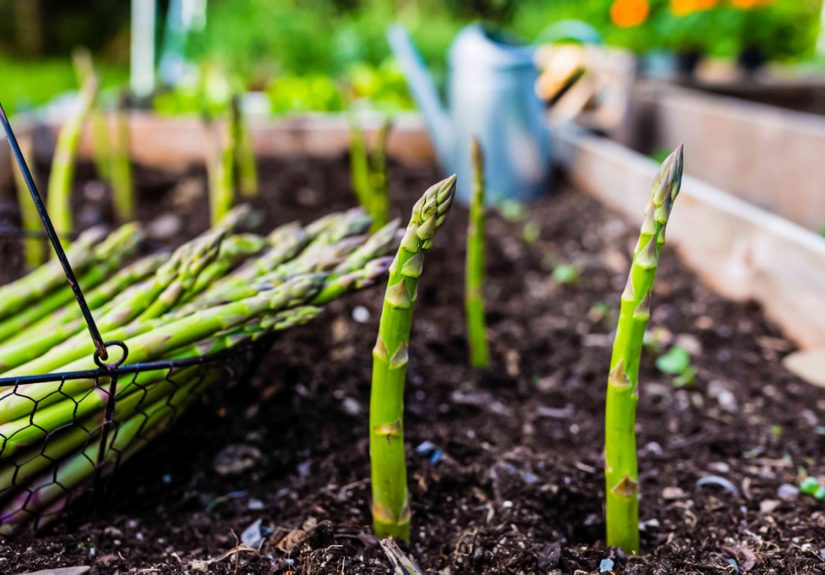
Harvest spears when they are about 6 to 8 inches tall and still tight-tipped. If the tips start loosening and the spear begins to fern out, it is past prime. Use a knife to cut at or just below soil level, or snap the spear off by hand near the base. If you cut, be careful not to injure nearby emerging spears underground.
Know when to stop
Even mature beds should not be harvested forever just because the spears keep showing up. Most home gardeners stop by early to mid-summer, often after about 6 to 8 weeks in an established bed, or sooner if the spears become noticeably thinner than a pencil. Ending harvest on time allows the plant to rebuild energy through fern growth. Think of it as closing the kitchen so the chef can restock.
Store asparagus properly
Fresh asparagus keeps best when cooled quickly and stored upright with the cut ends in a little water, loosely covered in the refrigerator. Another option is wrapping the ends in a damp paper towel. Either way, use it soon for the best flavor and texture.
Season-by-Season Asparagus Care
Spring
Watch for emerging spears, pull mulch back if needed, harvest on schedule, and scout for beetles.
Summer
Stop harvesting on time, water during dry spells, fertilize if needed, and let ferns grow freely.
Fall
Once ferns turn yellow or brown after frost, they can be cut down. Some gardeners prefer to wait until late winter or early spring, especially if they want the dry tops to catch snow and provide a little winter protection. Just be sure old debris does not become a pest hotel.
Winter
This is the season for planning, soil testing, and congratulating yourself for investing in one of the most rewarding perennial vegetables a home gardener can grow.
Common Mistakes to Avoid
One of the most common asparagus mistakes is planting in poorly drained soil. Another is starting harvest too early. A third is underestimating weeds during establishment. Also high on the list: placing the bed somewhere temporary, forgetting how big the ferns get, and assuming asparagus will thrive on neglect just because it is perennial. It is resilient, not magical.
If you remember only a handful of things, remember these: choose a permanent sunny site, improve the soil before planting, use quality crowns, keep weeds down, water during dry periods, and let the plants recover fully after harvest. That basic formula will take you surprisingly far.
What Gardeners Often Experience When Growing Asparagus
The experience of growing asparagus is usually a mix of excitement, impatience, confusion, and eventually a kind of smug spring joy. Year one feels like an exercise in optimism. You plant these odd-looking crowns that resemble a small octopus having a bad day, then cover them with soil and wait. For a while, it can seem like not much is happening. The first skinny shoots appear, and your instinct is to harvest everything immediately. This is where seasoned gardeners gently slap your hand away from the knife.
By the second season, many people feel more confident, but this is also when reality sets in. The bed needs weeding. The ferns get taller than expected. The row that looked neat on planting day suddenly has personality. Gardeners often realize that asparagus is less like growing radishes and more like building a long-term relationship. You do not judge it by instant results. You judge it by whether it is becoming stronger each year.
A very common experience is surprise at how fast the spears grow in peak season. One day they look perfect, and the next day they seem ready to apply for adulthood. Many gardeners learn quickly that during warm spring weather, asparagus needs frequent checking. Miss a day or two, and your ideal harvest can turn into a patch of mini ferns staging a rebellion.
Another common lesson is that soil preparation really does matter. Gardeners who took time to test pH, add compost, improve drainage, and remove perennial weeds usually have a much smoother experience than those who planted crowns in a random corner and wished them luck. Asparagus is generous, but it definitely notices whether you did your homework.
Weeds are another shared battle. Ask almost anyone who has grown asparagus for a few years, and they will tell you that weed control during establishment is not optional. Grass and perennial weeds can sneak into a young bed and steal water, nutrients, and your peace of mind. Many gardeners eventually become devoted mulch users simply because they got tired of hand-pulling the same invaders over and over while muttering things not suitable for a gardening magazine.
Then there is the emotional milestone of the first real harvest. Once a bed is mature enough, the experience changes. Suddenly you are not just growing asparagus; you are collecting breakfast from your own yard. The spears are often sweeter and more flavorful than store-bought bunches because they go from garden to kitchen in minutes, not days. That first generous harvest has a way of making the earlier waiting feel surprisingly reasonable.
Gardeners also learn that asparagus teaches restraint. If you harvest too long, next year’s crop can shrink. If you let the ferns grow and care for the bed after harvest, the payoff returns in future springs. It is one of the clearest examples in gardening that patience and timing matter as much as effort.
In the end, the lived experience of growing asparagus is not just about the vegetable itself. It is about planning ahead, noticing the seasons more closely, and learning to think like a perennial gardener. You stop asking, “What do I get this week?” and start asking, “What am I building for the next five, ten, or fifteen years?” That shift is part of what makes asparagus so satisfying. It is not instant gratification. It is edible optimism.
Final Thoughts
If you want a crop that rewards patience, produces early, and comes back year after year, asparagus deserves a spot in your garden. Plant it in full sun, give it rich well-drained soil, keep weeds from taking over, and resist the urge to overharvest. Do those things, and your asparagus bed can become one of the most reliable parts of your garden.
Yes, it takes time. Yes, the setup matters. And yes, you may spend the first year wondering whether you have simply buried expensive sticks in the ground. But once those strong spring spears start coming in, you will understand why gardeners stay loyal to asparagus for the long haul.