Table of Contents >> Show >> Hide
- A quick reality check: what can (and can’t) change breast size naturally
- The 7 natural remedies to reduce breast size (or reduce the “heavy chest” struggle)
- 1) Aim for healthy, sustainable weight management (only if it’s appropriate for you)
- 2) Combine cardio and strength training to reduce overall body fat and improve comfort
- 3) Fix the “heavy chest posture” loop with daily mobility + upper-back strength
- 4) Get a real bra fitting (yes, it counts as a remedy)
- 5) Reduce hormone-related swelling and tenderness (so you feel less “full”)
- 6) Review medications and hormone issues with a clinician (don’t DIY this)
- 7) Build a “less strain, less spotlight” lifestyle plan (the underrated final boss)
- Myths to ignore (because your time is valuable)
- When to talk to a doctor (especially if size is causing pain or limits your life)
- Real-world experiences: what people often notice when trying natural approaches (about )
- Conclusion
If your breasts feel like they enter a room three seconds before you do, you’re not alone. Plenty of people look for ways to reduce breast size for
reasons that have nothing to do with “beauty standards” and everything to do with comfort: back or neck pain, bra-strap grooves, rashes under the bust,
trouble running or jumping without feeling like your chest is filing a formal complaint, or simply struggling to find clothes that fit in the shoulders
and the bust.
The good news: there are natural, non-surgical ways that can help reduce breast size for some peopleor at least reduce the appearance and
daily burden of having a larger chest. The not-so-fun news: the internet is crowded with “miracle” hacks that don’t match real biology.
So let’s do this the honest (and slightly funny) way: evidence-based, practical, and kind to your body.
A quick reality check: what can (and can’t) change breast size naturally
Breast tissue is made up of a mix of fat, glandular tissue, and connective tissue. That mix matters:
- If your breasts have more fatty tissue, overall fat loss (through sustainable nutrition and activity) may reduce breast size over time.
-
If your breasts have more glandular tissue, size may change less with weight loss and more with hormones, life stages, or certain
medications. -
You can’t “spot reduce” fat from only your chest by doing a thousand push-ups. Targeted exercise can strengthen muscle and improve shape,
but fat loss happens more globally.
One more important note: if you’re still going through puberty, your breast size may naturally change for a while. In that case, “reduce breast size
naturally” usually means focusing on support, comfort, and confidence (not aggressive dieting or extreme
routines).
The 7 natural remedies to reduce breast size (or reduce the “heavy chest” struggle)
These remedies are non-surgical and “natural” in the sense that they rely on lifestyle, support, and body mechanicsnot sketchy pills or mystery teas.
You can try more than one at once (in fact, they work best as a combo).
1) Aim for healthy, sustainable weight management (only if it’s appropriate for you)
For many people, breast size is partly influenced by body fat. That means if you’re carrying extra weight and you lose it gradually, your breasts may
shrink some too. But the keyword is gradually. Crash diets can backfireenergy drops, workouts feel impossible, and rebound hunger can send
you right back to square one.
What to do instead:
- Build meals around protein + fiber (think: eggs or yogurt at breakfast, chicken/beans/tofu at lunch, salmon/lentils at dinner).
- Choose mostly minimally processed foods, but leave room for real life. Perfection is not the plan.
- If you’re a teen: focus on balanced eating and activitynot intentional “weight loss” unless a clinician recommends it for your health.
The goal isn’t “get smaller at all costs.” It’s “feel better in your body,” which is a much more useful (and kinder) mission statement.
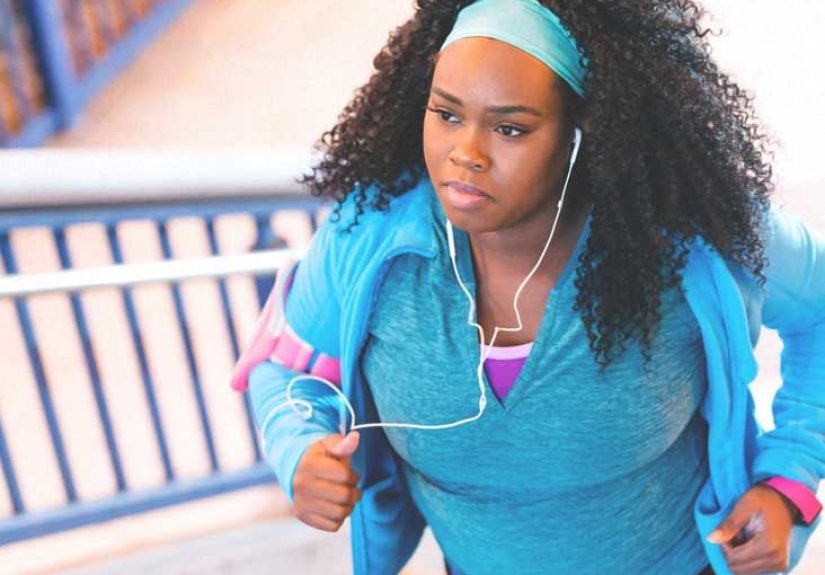
2) Combine cardio and strength training to reduce overall body fat and improve comfort
Cardio helps with overall fat loss; strength training helps you build muscle and support your posture (which can make a larger chest feel less heavy and
look more lifted). Think of it as upgrading the “support beams” of your upper body.
Try a simple weekly formula:
- Cardio: 3–5 days/week (brisk walking, cycling, swimming, dancing, jump rope if comfortable).
- Strength: 2–3 days/week (full body, with extra love for back and core).
Chest-friendly strength moves (pick 4–6 per session):
- Incline push-ups (hands on a bench or sturdy table)
- Dumbbell or band rows (helps counter “rounded shoulders”)
- Lat pulldowns or assisted pull-downs (great for upper back support)
- Face pulls or band pull-aparts (posture magic)
- Dead bugs, planks, side planks (core stability = less strain on your back)
Reminder: you can’t choose where fat leaves first, but consistent activity changes your overall body compositionand that’s what moves the needle over time.
3) Fix the “heavy chest posture” loop with daily mobility + upper-back strength
Larger breasts can encourage a protective posture: shoulders forward, upper back rounded, chest collapsed. Unfortunately, that posture can make your breasts
feel heavier (and can amplify neck/shoulder discomfort). Breaking that loop can reduce strain and sometimes make the chest appear less prominent.
Do this 5-minute posture reset most days:
- Wall angels: 8–10 slow reps (keep ribs down, don’t arch your lower back).
- Thoracic extension: gently extend over a foam roller or rolled towel for 30–45 seconds.
- Band pull-aparts: 12–15 reps (slow and controlled).
- Chin tucks: 8–10 reps (helps neck alignment).
If pain is significant, a physical therapist can tailor this to your body. But even basic posture work can be a game-changer for daily comfort.
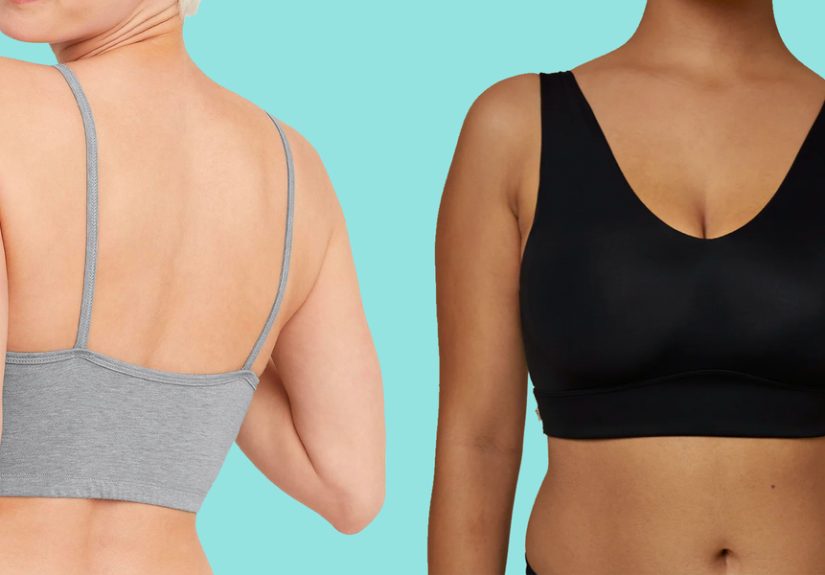
4) Get a real bra fitting (yes, it counts as a remedy)
A correctly fitted bra can dramatically reduce bounce, shoulder pain, and that “dragging down” feelingsometimes immediately. And if your goal is to look
smaller, a supportive bra can redistribute tissue and create a smoother silhouette without unsafe compression.
What to look for in supportive bras (especially for larger busts):
- A snug band: the band should do most of the support work, not your straps.
- Wide, comfortable straps: less digging, less grooving.
- Encapsulation sports bras: separates and supports (often better than “squish everything” styles).
- High-impact support for running/jumping; medium-impact for walking/strength sessions.
If you’ve never had a professional fitting, you might be shocked (in a good way) by how different your body feels when the support actually matches your
anatomy.
5) Reduce hormone-related swelling and tenderness (so you feel less “full”)
Some breast size changes are temporary: fluid shifts and tenderness around your menstrual cycle can make breasts feel bigger, heavier, and more sensitive.
While this doesn’t “shrink” breast tissue permanently, it can make you feel noticeably less uncomfortable.
Try these comfort strategies:
- Dial down sodium for a few days if you notice puffiness (processed foods are often the sneaky culprit).
- Hydrate consistently (ironic but true: steady hydration can help your body regulate fluid balance).
- Sleep like it’s your jobpoor sleep can increase cravings and stress hormones, which doesn’t help anything.
- Track your cycle so you can predict “swelling days” and plan supportive bras or lower-impact workouts accordingly.
If you get significant breast pain, don’t ignore it. Pain has many causes, and you deserve a clear answernot a shrug and a heating pad (though heat can
help too).
6) Review medications and hormone issues with a clinician (don’t DIY this)
Sometimes breast enlargement is influenced by hormones or medications. That doesn’t mean anything is “wrong”but it does mean lifestyle changes alone may
be limited until the underlying driver is addressed.
Examples worth discussing with a healthcare professional:
- Noticeable breast growth after starting a new hormonal birth control method
- Breast changes alongside irregular periods, headaches, or nipple discharge
- Rapid or extreme breast growth (especially with pain, rashes, or skin irritation)
- Any medication you suspect might be causing fluid retention or breast changes
Important: don’t stop prescribed medications on your own. The “natural remedy” here is getting the right medical guidance so you’re not fighting your body
with one hand tied behind your back.
7) Build a “less strain, less spotlight” lifestyle plan (the underrated final boss)
Here’s the truth nobody puts in a clickbait headline: for many people with larger breasts, the biggest win is reducing the daily strain,
not chasing an exact cup size.
Try practical changes that make a real difference:
- Choose low-bounce cardio when you’re sore (cycling, incline walking, swimming).
- Strengthen your back and core (rows, face pulls, planks) so your spine isn’t doing all the work alone.
- Prevent under-bust irritation with breathable fabrics, keeping skin dry, and addressing rashes early.
-
Wardrobe strategy: structured tops, thicker fabrics, and strategic seams can reduce the “boob-first” effectwithout hiding your body or
feeling restricted.
Think of this as designing your environment to support youlike putting good tires on a car instead of yelling at the engine for being tired.
Myths to ignore (because your time is valuable)
-
“Chest-only workouts shrink breasts.” Nofat loss isn’t targeted. Exercise strengthens muscle and can improve shape, but it doesn’t melt
fat from one specific spot. -
“Detox teas shrink breast tissue.” Most “detox” products are just laxatives or diuretics in a trench coat. At best you’ll lose water
temporarily; at worst you’ll feel awful. - “Creams and massage dissolve fat.” Massage can help with soreness and circulation, but it doesn’t erase breast tissue.
When to talk to a doctor (especially if size is causing pain or limits your life)
If your breast size is causing chronic back/neck/shoulder pain, deep shoulder grooves, recurring rashes, nerve pain, or keeps you from sports and daily
activities, it’s worth talking to a clinician. You don’t need to “earn” medical care by suffering quietly.
Also get checked promptly if you notice:
- A new lump or mass
- Skin changes, redness, warmth, or persistent swelling
- Nipple discharge (especially if it’s bloody or happens without squeezing)
- Rapid size change in one breast or a sudden dramatic increase overall
For some people with significant symptoms, reduction surgery is a medically recognized option that can relieve pain and improve function. Even if you never
choose surgery, a clinician can still help with physical therapy referrals, pain strategies, and ruling out hormonal causes.
Real-world experiences: what people often notice when trying natural approaches (about )
When people set out to reduce breast size naturally, they often expect one dramatic “before and after.” What usually happens instead is a series of smaller
wins that add upkind of like paying off a big bill one reasonable payment at a time.
One common experience: the bra upgrade revelation. People who’ve lived in “close enough” bras for years often describe their first truly
supportive fit as a weird mix of relief and annoyancerelief because their shoulders stop aching, annoyance because they realize they could have felt this
good the whole time. A snug band, better strap placement, and a sports bra that actually matches the impact level can make workouts feel possible
again. Some people even report they stand taller without thinking about it, simply because their chest is no longer pulling them forward.
Another theme: upper-back strength feels like turning down the volume on discomfort. People who commit to rows, face pulls, and core work
for a few weeks often say their chest doesn’t feel “lighter” at firstbut their body feels more capable of carrying it. It’s less “my boobs shrank
overnight” and more “I can get through the day without constantly adjusting my shoulders.” For anyone who’s dealt with tension headaches or neck tightness,
this can be a surprisingly big quality-of-life shift.
Nutrition changes tend to show up in a very realistic way: if someone loses body fat gradually, they may notice their breasts change somebut not
always evenly. A lot of people describe this as “my band size changed before my cup size did,” which is both normal and mildly rude. Bodies don’t always
cooperate in the order we’d prefer. And some people don’t see much size change at all, especially if their breast tissue is more glandular. In that case,
they often pivot from chasing a specific cup size to optimizing comfort: better support, less bounce, fewer rashes, and more freedom to move.
Cycle tracking is another “why didn’t I do this sooner?” moment. Many people realize their breasts feel bigger, fuller, or more tender at predictable
points in the month. Once they connect the dots, they plan smarter: lighter-impact workouts on tender days, extra supportive bras when swelling hits, and
less self-judgment when their favorite top suddenly feels tighter for no apparent reason. (Spoiler: the reason is hormones doing hormone things.)
Emotionally, there’s often a shift from “I need to fix this” to “I need to support myself.” People commonly report that a comfort-first approachstrength,
posture, proper bras, and realistic habitshelps them feel more in control, even if their actual breast size changes slowly or only a little. And that’s a
win worth counting: a body you can live in peacefully is more valuable than any number on a tag.
Conclusion
Reducing breast size naturally is possible for some peopleespecially when breast tissue includes a higher proportion of fat and overall body composition
shifts over time. But even when size doesn’t change dramatically, the right combination of strength training, posture work, supportive bras, and hormone-aware
habits can make life with a larger chest far more comfortable.
If your breasts cause pain, rashes, or limit your activities, you deserve medical support. “Natural remedies” are toolsnot a test of willpower. Start with
the options that improve daily comfort now, and build from there.