Table of Contents >> Show >> Hide
- Can You Really Repair a Cracked Mirror?
- Before You Start: Repair or Replace?
- Tools and Materials You Will Need
- How to Repair a Cracked Mirror: 13 Steps
- Step 1: Protect Yourself First
- Step 2: Stabilize the Area Around the Crack
- Step 3: Inspect the Crack Closely
- Step 4: Clean the Mirror Thoroughly
- Step 5: Degrease the Crack With Rubbing Alcohol
- Step 6: Choose the Right Repair Product
- Step 7: Mix the Epoxy or Prepare the Resin
- Step 8: Apply Resin Into the Crack
- Step 9: Cover With Curing Film if Needed
- Step 10: Let the Repair Cure Completely
- Step 11: Scrape Away Excess Resin
- Step 12: Polish and Clean the Surface
- Step 13: Monitor the Crack Over Time
- Tips for Making the Repair Look Better
- Common Mistakes to Avoid
- How Much Does Cracked Mirror Repair Cost?
- When to Call a Professional
- Extra Experience Notes: What Actually Helps When Repairing a Cracked Mirror
- Conclusion
A cracked mirror has a special talent for ruining your morning. One minute you are brushing your teeth like a responsible adult; the next, a thin silver lightning bolt is staring back at you from the glass. The good news? A small crack in a mirror can often be stabilized and made less noticeable with the right repair method. The honest news? Not every cracked mirror should be repaired. Some should be replaced before they turn your bathroom into a sparkly danger zone.
This guide explains how to repair a cracked mirror in 13 clear steps using a glass repair kit, clear epoxy resin, or mirror-safe adhesive. It also covers when a DIY cracked mirror repair makes sense, when replacement is smarter, and how to get a cleaner-looking result without pretending the crack will vanish like a magician’s assistant.
The main goal is simple: make a small mirror crack safer, cleaner, and less obvious. If the mirror is badly broken, loose on the wall, cracked through multiple directions, or shedding glass, skip the hero moment and replace it or call a glass professional.
Can You Really Repair a Cracked Mirror?
Yes, but with limits. A cracked mirror repair is usually a cosmetic and stabilizing fix, not a complete restoration. Resin or clear epoxy can fill a fine crack, help prevent dirt from collecting inside it, and reduce the visual contrast that makes the crack jump out. However, the repaired line may still be visible, especially under bright light or when viewed from an angle.
Repair works best for hairline cracks, small chips, star-like damage near the edge, or a narrow crack that has not spread across the mirror. It is less successful on deep cracks, missing pieces, antique mirrors with damaged silvering, large bathroom wall mirrors, or cracks running through mounting points.
Before You Start: Repair or Replace?
Before grabbing epoxy like a weekend warrior, inspect the mirror carefully. If the glass feels loose, flexes when touched, or makes crunchy sounds, replacement is safer. If the crack reaches the edge of a large wall-mounted mirror, the stress may continue spreading. If the mirror is above a sink, dresser, bed, or children’s area, safety matters more than saving a few dollars.
Repair the mirror if:
- The crack is small, thin, and stable.
- No glass pieces are missing or falling out.
- The mirror is decorative rather than safety-critical.
- You can remove the mirror or work on it safely while it stays mounted.
- You accept that the repair may reduce the crack’s appearance, not erase it completely.
Replace the mirror if:
- The crack spreads from edge to edge.
- The mirror is shattered, bowed, loose, or heavily chipped.
- The backing or silver coating is peeling badly.
- The mirror is large and glued directly to the wall.
- The mirror is in a high-traffic area where broken glass would be risky.
Tools and Materials You Will Need
Gather everything before you start. Glass repair is not the time to wander around the house looking for a razor blade while sticky resin slowly turns into a tiny science experiment.
- Protective gloves
- Safety glasses
- Microfiber cloths
- Glass cleaner or mild dish soap and water
- Rubbing alcohol
- Clear epoxy resin, glass adhesive, or a windshield-style glass repair kit
- Toothpick, craft stick, syringe, or applicator tip
- Plastic curing film, if included with the kit
- Razor blade scraper
- Painter’s tape
- Disposable cardboard or mixing tray
- Paper towels
- Trash bag or container for glass debris
How to Repair a Cracked Mirror: 13 Steps
Step 1: Protect Yourself First
Put on gloves and safety glasses before touching the mirror. Even a small crack can have sharp edges. If tiny glass pieces are present, use a broom, dustpan, tape, or stiff paper to collect them. Do not pick up broken glass with bare hands. This is one of those obvious rules that people remember exactly half a second after they ignore it.
Step 2: Stabilize the Area Around the Crack
If the mirror is mounted and you cannot remove it, press painter’s tape around the crack, not directly into it. This helps mark the repair zone and keeps cleaner, resin, or epoxy from spreading across the mirror. If the mirror is small enough to move safely, place it flat on a padded table with the reflective side facing up.
Do not bend the mirror to “test” the crack. Glass does not enjoy stress tests. It responds dramatically.
Step 3: Inspect the Crack Closely
Look at the crack from the front and side. Is it a fine line? Is there a chip? Is the crack spreading toward the edge? Is the reflective backing damaged? A surface-level crack or chip is more repairable than a crack that runs through the entire sheet and separates the glass.
If the crack is wide enough to catch a fingernail deeply, the repair will be more visible. If the mirror is missing a chunk, resin alone may not create a smooth, invisible surface. At that point, replacement may look better and last longer.
Step 4: Clean the Mirror Thoroughly
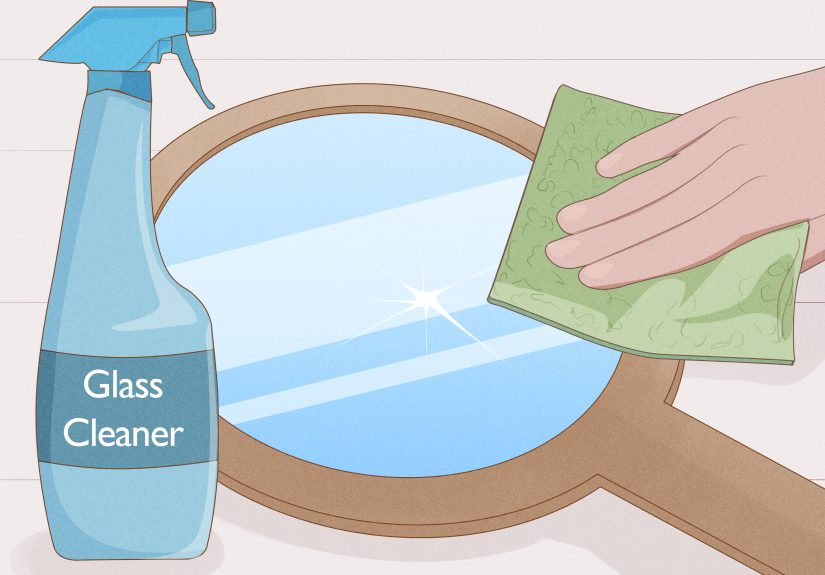
Clean the cracked area with glass cleaner or a tiny amount of dish soap mixed with water. Remove dust, oil, fingerprints, hairspray, toothpaste dots, and mystery bathroom fog residue. Resin and epoxy bond best to clean, dry glass.
After cleaning, wipe the area with a damp cloth to remove soap residue. Then dry it completely with a lint-free microfiber cloth. Moisture trapped inside the crack can weaken the repair and create cloudy spots.
Step 5: Degrease the Crack With Rubbing Alcohol
Dampen a cotton swab or clean cloth with rubbing alcohol and gently wipe around the crack. This helps remove oils that ordinary cleaning may leave behind. Let the alcohol evaporate fully before moving on. Do not flood the crack, especially if the mirror backing is exposed, because excess liquid can travel behind the glass and worsen discoloration.
Step 6: Choose the Right Repair Product
For most small cracks, use a clear glass repair resin or two-part clear epoxy. A windshield-style repair kit may work on small chips and star cracks because it is designed to flow into narrow glass damage and cure clearly. For a decorative mirror, clear epoxy can also fill a fine crack, though it may be slightly more noticeable if applied too thickly.
Avoid ordinary craft glue, hot glue, silicone caulk, white glue, or random “super strong” adhesive from the junk drawer. If the product is not clear, not made for glass, or not suitable for smooth nonporous surfaces, it may leave a cloudy line that looks worse than the original crack.
Step 7: Mix the Epoxy or Prepare the Resin
If using two-part epoxy, mix the resin and hardener exactly according to the manufacturer’s instructions. Use a disposable cardboard square, mixing tray, or scrap plastic. Stir slowly to reduce bubbles. Bubbles are the enemy of a clean mirror repair because they catch light and shout, “Hello, I live here now.”
If using a glass repair kit, attach the applicator or open the resin container as directed. Many kits include a small syringe, pedestal, curing strip, or film. Follow the kit’s timing and curing instructions because different formulas behave differently.
Step 8: Apply Resin Into the Crack
Apply a small amount of resin or epoxy directly over the crack. Use a toothpick, syringe, or fine applicator tip to guide it into the damaged line. Work slowly. The goal is to fill the crack, not frost the entire mirror like a cupcake.
For a hairline crack, a tiny amount may be enough. For a small chip, add resin in thin layers rather than one thick blob. Press gently with the applicator to encourage the material to settle into the crack, but do not push hard on the glass.
Step 9: Cover With Curing Film if Needed
If your kit includes curing film, place it smoothly over the resin. This helps flatten the repair and reduce oxygen exposure while the product cures. Avoid trapping large air bubbles under the film. If a bubble appears, lift one edge slightly and smooth the film back down.
If you are using epoxy without film, leave the repair undisturbed and keep dust away. A clean cardboard box placed loosely over a small mirror can act as a dust shield while the resin cures.
Step 10: Let the Repair Cure Completely
Give the repair enough time to cure. Some glass repair resins cure in sunlight or under UV light. Some epoxies need several hours or longer to harden fully. Read the product directions and do not rush the cure time. Touching the repair too soon can smear the surface or pull material out of the crack.
If sunlight is required, place the mirror where it can cure safely without overheating or falling. Do not place a large mirror in an unstable position just to chase a beam of sunlight across the room. That is not DIY; that is slapstick with consequences.
Step 11: Scrape Away Excess Resin
Once the resin is fully cured, hold a razor blade scraper at a shallow angle and carefully shave off the excess from the mirror surface. Work gently and keep the blade flat against the glass. Do not dig into the repair line.
This step makes a major difference in the final appearance. Too much leftover resin creates a raised shiny ridge that catches light. A careful scrape helps the repaired area blend better with the surrounding mirror.
Step 12: Polish and Clean the Surface
Clean the repaired area again with glass cleaner and a microfiber cloth. Use light pressure. If the surface feels slightly hazy, buff gently. Do not use harsh abrasives on the mirror unless you are dealing with very fine surface scratches and using a product specifically made for glass polishing.
Stand back and view the mirror from several angles. The crack may still be visible, but it should look cleaner, smoother, and less distracting than before.
Step 13: Monitor the Crack Over Time
Check the mirror over the next few days and again after a few weeks. If the crack spreads, darkens, loosens, or begins flaking, replace the mirror. A repair that keeps changing is not a repair; it is a warning sign wearing a tiny reflective hat.
If the repaired mirror is in a bathroom, moisture and temperature changes may affect the surrounding backing over time. Keep the area dry and avoid spraying cleaner directly into the repaired crack.
Tips for Making the Repair Look Better
A cracked mirror repair looks best when you use restraint. More resin does not equal more magic. Apply thin layers, keep the area clean, and remove excess carefully. If the crack is near the edge, a decorative frame, trim strip, or mirror border can hide the repair while adding style. That is not cheating; that is interior design with a tool belt.
For a vanity mirror, you can also use removable mirror decals, peel-and-stick trim, or a narrow frame kit to disguise edge cracks. For a decorative wall mirror, consider repositioning the mirror so the crack is less visible in daily lighting. Sometimes the smartest repair is part chemistry, part camouflage.
Common Mistakes to Avoid
Using the Wrong Glue
Cloudy glue, white glue, hot glue, and thick construction adhesive can make the crack look worse. Use clear products designed for glass or transparent bonding.
Skipping the Cleaning Step
Dust and oils prevent resin from flowing and bonding properly. Clean first, repair second. Your mirror deserves better than a repair sealed over toothpaste specks.
Applying Too Much Resin
Thick resin can create bubbles, ridges, and distortion. Use a small amount and add more only if needed.
Ignoring a Spreading Crack
If the crack continues to grow, the glass is under stress. Replace the mirror rather than repeatedly patching it.
Repairing a Dangerous Mirror
Large wall mirrors, loose mirrors, and badly shattered mirrors should be handled with caution. When in doubt, call a professional glass service.
How Much Does Cracked Mirror Repair Cost?
A basic DIY cracked mirror repair usually costs between a few dollars and the price of a glass repair kit. Clear epoxy, glass adhesive, or a small windshield repair kit is often affordable and easy to find at hardware stores, auto parts stores, or home improvement centers. Professional mirror repair or replacement costs more, but it may be worth it for large mirrors, custom shapes, antique glass, or mirrors glued to the wall.
For small decorative mirrors, DIY repair can be a budget-friendly choice. For large bathroom mirrors, replacement may offer better safety and a cleaner appearance. Always compare the value of the mirror against the time, effort, and final result you expect.
When to Call a Professional
Call a glass professional if the mirror is large, heavy, glued to drywall, cracked near mounting hardware, or part of a custom installation. Professionals can remove, measure, replace, and reinstall mirror glass more safely. They can also help with mirror backing issues, antique mirror restoration, and custom-cut replacements.
If your mirror is valuable, sentimental, or antique, avoid experimenting with random products. Antique mirrors often have delicate silvering and unique glass that may not respond well to modern adhesives or cleaners.
Extra Experience Notes: What Actually Helps When Repairing a Cracked Mirror
After working through cracked mirror repair methods, one lesson becomes obvious: preparation matters more than bravery. Many people jump straight to the glue because the crack looks small. Then the repair dries cloudy, uneven, or bubbly. The best results usually come from slowing down, cleaning carefully, and using the smallest amount of clear repair material possible.
A useful real-world example is a small vanity mirror with a two-inch hairline crack near the lower corner. If the crack is stable and no glass is loose, resin can make the line less visible. The repair will not make the mirror factory-new, but from a normal standing distance, it may stop drawing attention. Add a thin frame or decorative border, and the crack may practically disappear into the design.
Another common situation is a bathroom mirror with a crack starting at the edge. This is trickier. Edge cracks often spread because the mirror may be under pressure from clips, adhesive, wall movement, or temperature changes. A resin repair might improve the look temporarily, but if the crack grows, replacement is the better answer. In bathrooms, steam and cleaning sprays can also creep into damaged edges and cause dark spots in the mirror backing.
One practical trick is to test your patience before testing the product. Read the curing time and actually follow it. If a resin says it needs sunlight or several hours to cure, give it that time. A half-cured repair can smear during scraping and leave a foggy patch. Waiting is annoying, yes, but so is explaining why your mirror now has a permanent gummy eyebrow.
Lighting also affects the final result. A crack that looks almost invisible in soft bedroom lighting may stand out under bright bathroom LEDs. Before deciding whether the repair worked, view the mirror from different angles and distances. The goal is not perfection under a detective flashlight. The goal is a mirror that looks acceptable during normal use.
For renters, removable cosmetic fixes can be useful. If a small edge crack is repaired but still visible, a peel-and-stick frame or decorative trim can improve the look without permanently altering the wall. However, renters should avoid removing large glued mirrors without permission, because wall damage can become more expensive than the mirror itself.
For homeowners, cracked mirror repair is often a good short-term solution while planning a better upgrade. If the mirror is builder-grade, old, or already showing black edge spots, replacement may be a chance to improve the whole room. A framed mirror can look warmer, hide minor wall imperfections, and make a bathroom feel more finished.
The biggest experience-based warning is simple: do not turn a risky mirror into a long-term project. If you keep thinking, “I hope this does not fall,” that is your answer. Replace it. DIY repair should make your home safer and better-looking, not give you a suspense movie above the sink.
Conclusion
Learning how to repair a cracked mirror is mostly about knowing what can be fixed and what should be replaced. Small cracks and chips can often be cleaned, filled with clear resin or epoxy, cured, scraped, and polished for a neater appearance. The repair may not be invisible, but it can make the mirror safer and more attractive.
For large, spreading, loose, or badly damaged mirrors, replacement is the smarter choice. Glass is beautiful, useful, and occasionally dramatic. Treat it with respect, wear protection, and do not be afraid to call a professional when the crack is more than a cosmetic flaw.