
Table of Contents >> Show >> Hide
- Why Testing the Clutch Matters Before Buying a Used Car
- Before You Start: Safety and Common Sense
- Easy Way #1: Check the Clutch Pedal Feel and Bite Point
- Easy Way #2: Use the High-Gear Acceleration Test
- Easy Way #3: Test Shifting, Noise, Smell, and Reverse Gear
- Other Used Car Clutch Red Flags
- Should You Do the Parking Brake Stall Test?
- What If the Clutch Seems Worn but the Car Is Otherwise Good?
- Do Not Skip the Paperwork Check
- Real-World Experience: What Clutch Testing Feels Like When You Actually Do It
- Final Thoughts: Test Carefully, Then Buy Confidently
Buying a used car with a manual transmission can feel like joining a small, proud club. You get more control, more connection, and the satisfaction of shifting gears like a person who knows exactly what they are doingeven if you occasionally stall in front of a coffee shop and pretend it was “intentional.” But before you hand over your money, there is one big question to answer: is the clutch healthy?
The clutch is the hardworking middleman between the engine and the transmission. When it is in good shape, the car pulls away smoothly, shifts cleanly, and responds predictably when you accelerate. When it is worn, slipping, noisy, or close to failure, it can turn a “great deal” into an expensive repair bill faster than you can say, “I thought this only needed floor mats.”
The good news is that you do not need to be a master mechanic to spot many common clutch problems during a used car inspection. You simply need a careful test drive, a quiet ear, a little patience, and permission from the seller. This guide explains how to test the clutch on a used car in three easy ways, what warning signs to watch for, and when to call in a professional before buying.
Why Testing the Clutch Matters Before Buying a Used Car
A clutch is a wear item. Unlike the paint color or the stereo volume knob, it is designed to wear down over time. The clutch disc, pressure plate, release bearing, flywheel surface, hydraulic system, and linkage all have to work together. If one part is worn or misadjusted, the car may still drive, but not happily.
A failing clutch can cause high engine RPM without matching acceleration, difficulty shifting gears, a burning smell, vibration, chatter, or a clutch pedal that feels unusually soft, stiff, sticky, or vague. Some problems are minor adjustments. Others mean the transmission may need to come out so the clutch assembly can be replaced. That is not a tiny Saturday afternoon job unless your garage contains a lift, a transmission jack, and a very forgiving family.
For a used car buyer, clutch condition affects more than drivability. It affects negotiating power. If the clutch is near the end of its life, the price should reflect that. A seller may say, “It drives fine,” but your job is to check whether “fine” means genuinely healthy or “fine until the next owner pays the bill.”
Before You Start: Safety and Common Sense
Before testing the clutch, ask the seller for permission to perform a full test drive. Choose safe, legal roads with light traffic. Do not abuse the car, do not race it, and do not perform aggressive tests in neighborhoods, parking lots full of people, or anywhere that would make your insurance agent develop a nervous twitch.
Also, test the car when it is fully warmed up if possible. Some clutch or transmission problems are more noticeable after the drivetrain reaches operating temperature. Turn off the radio, keep conversation low, and listen carefully. A used car test drive is not karaoke night. The car is talking. Let it speak.
Easy Way #1: Check the Clutch Pedal Feel and Bite Point
The first clutch test begins before you even leave the parking space. Sit in the driver’s seat, adjust the seat properly, and press the clutch pedal several times with the engine off, then again with the engine running.
What a Healthy Clutch Pedal Should Feel Like
A healthy clutch pedal should move smoothly and return firmly. It should not stick to the floor, feel crunchy, squeak excessively, vibrate heavily, or require superhuman leg strength. Some cars naturally have heavier clutches than others, especially performance cars and older trucks, but the movement should still feel controlled.
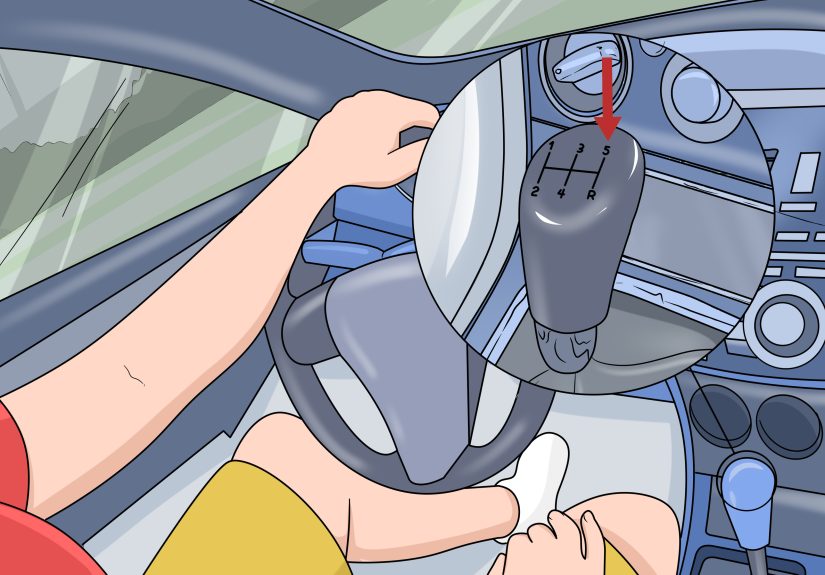
When you start the car, press the clutch fully, shift into first gear, and slowly release the pedal without adding much throttle. Pay attention to where the car begins to move. This is called the bite point or engagement point.
What the Bite Point Tells You
If the clutch begins to engage around the middle of pedal travel, that is often a good sign. If the engagement point is very highnear the top of the pedal travelit may indicate clutch wear. A high bite point does not automatically prove the clutch is finished, because different cars are designed differently, but it is a warning sign worth taking seriously.
If the bite point is extremely low, the clutch may not be fully disengaging. That can cause gear grinding, especially when selecting first or reverse. A low bite point may point to hydraulic problems, air in the system, a worn master or slave cylinder, or linkage adjustment issues.
Try a Smooth Takeoff Test
In a quiet, flat area, pull away gently in first gear. The car should move smoothly without violent shaking, heavy juddering, or dramatic chatter. A small amount of vibration may be normal in some older cars, but strong shuddering as the clutch engages can suggest a warped flywheel, worn clutch disc, contaminated friction material, damaged pressure plate, or engine/transmission mount problems.
Repeat the takeoff a few times. Do not overdo it. You are testing the clutch, not auditioning for a demolition derby. The key is consistency. If the car shudders every time you pull away, write it down mentally and keep investigating.
Easy Way #2: Use the High-Gear Acceleration Test
The classic sign of a slipping clutch is simple: the engine revs higher, but the car does not accelerate in proportion. In plain English, the engine sounds excited, but the car is not impressed.
This happens because the clutch disc is not holding firmly against the flywheel and pressure plate. Instead of transferring engine power efficiently to the transmission, the clutch slips. Under light driving, the car may seem normal. Under load, the problem becomes much easier to spot.
How to Perform the Test Safely
Find a safe road where you can drive steadily without tailgating traffic. Once the engine is warm, drive in a higher gear at a moderate speed. For many manual cars, this might mean fourth or fifth gear around 35 to 50 mph, depending on the vehicle and road conditions. Keep the engine at relatively low RPM, then press the accelerator firmly but smoothly.
A healthy clutch should allow the car to pull forward in a steady, predictable way. The RPM should rise as speed increases. If the RPM jumps quickly but the car does not gain speed accordingly, the clutch may be slipping.
What Slipping Feels Like
Imagine jogging on a treadmill while someone slowly increases the speed under your feet. That is normal acceleration. Now imagine your legs spinning faster while you stay in the same place. That is clutch slip.
During a high-gear acceleration test, clutch slip may feel like a disconnect between the gas pedal and the road. You press the accelerator, the tachometer climbs, the engine gets louder, but the car does not surge forward the way it should. You may also notice a burning smell afterward, especially if the clutch is badly worn.
Do Not Confuse Clutch Slip With Engine Weakness
Not every slow car has a bad clutch. Some engines are simply underpowered, poorly maintained, or not built for thrilling acceleration. The difference is RPM behavior. If the engine struggles and RPM climbs slowly with speed, the issue may be engine performance. If RPM rises quickly while speed lags behind, clutch slip becomes more likely.
Also be careful with turbocharged cars, modified cars, and vehicles with unknown mechanical condition. Do not floor the throttle recklessly. A firm, controlled acceleration is enough. If the car shows obvious slipping, stop the test. Continuing to force a slipping clutch can create more heat and damage.
Easy Way #3: Test Shifting, Noise, Smell, and Reverse Gear
The clutch does not work alone. It is part of a system that includes the transmission, shifter, hydraulics, linkage, bearings, and mounts. That means your clutch test should also include how the car shifts, sounds, and behaves in real driving.
Check Every Gear
During the test drive, shift through all forward gears. Each gear should engage cleanly without grinding, crunching, popping out, or requiring unusual force. A manual transmission may feel mechanical, but it should not feel like you are trying to open a jar of pickles with a pool noodle.
Pay close attention to first, second, and reverse. These are often where problems show up. If first gear is difficult to select while stopped, or reverse grinds loudly even with the clutch pedal fully depressed, the clutch may not be disengaging properly. That could be a clutch hydraulic issue, cable adjustment issue, worn synchronizers, or transmission problem.
Listen for Release Bearing Noise
With the car stopped and idling in neutral, listen for unusual noises. Then press the clutch pedal fully and listen again. A worn release bearing, sometimes called a throwout bearing, may make a chirping, rattling, squealing, or grinding sound when the clutch pedal is pressed. Noise that changes when you press or release the pedal deserves attention.
Some older cars make mild mechanical sounds, especially if they have high mileage. But loud, sharp, or consistent bearing noise should not be ignored. Even if the clutch still grips well, replacing a release bearing often requires similar labor to replacing the clutch itself, because the transmission usually has to be removed.
Watch for Burning Smells
A burning clutch smell is often compared to burnt paper, hot brakes, or a very unhappy toaster. If you smell it after normal driving, that is a red flag. A brief smell after a steep hill start may happen to inexperienced drivers, but during a normal test drive, the clutch should not smell cooked.
Burning odor can indicate slipping, overheating, or previous abuse. It is especially concerning if paired with high RPM, poor acceleration, or a high bite point.
Try a Gentle Hill Start
If safe and legal, test the car on a mild hill. A worn clutch often reveals itself when the vehicle is under load. Pull away smoothly in first gear. The car should move without excessive shuddering, revving, or burning smell. Do not intentionally hold the car on a hill using the clutch. That habit wears clutches quickly and makes mechanics sigh deeply into their coffee.
Other Used Car Clutch Red Flags
Some warning signs are obvious. Others are subtle. When inspecting a used manual car, watch for these clutch-related clues:
- Very high clutch engagement point near the top of pedal travel
- RPM rising faster than vehicle speed during acceleration
- Grinding when shifting into first, second, or reverse
- Clutch pedal that feels soft, spongy, sticky, loose, or unusually stiff
- Shuddering or chatter when pulling away from a stop
- Burning smell after normal driving
- Rattling, squealing, or grinding noises when pressing the clutch pedal
- Car creeping forward with the clutch pedal fully pressed
- Gear lever popping out of gear under acceleration or deceleration
One warning sign alone may not confirm a bad clutch, but several together create a clear pattern. Think of it like a detective case. A high bite point is a clue. Slipping under load is a bigger clue. Burning smell plus shuddering plus a seller saying, “It has always done that,” is the automotive equivalent of a flashing neon sign.
Should You Do the Parking Brake Stall Test?
You may hear about a test where the car is placed in a higher gear while stopped, the parking brake is applied, and the clutch is released to see whether the engine stalls. If the engine does not stall, the clutch may be slipping.
While this test can reveal severe clutch slip, it can also stress the drivetrain if done carelessly. It is not the best first choice for a used car buyer standing in someone else’s driveway. A safer approach is to evaluate pedal feel, takeoff behavior, shifting quality, and controlled high-gear acceleration during a proper test drive.
If you are unsure, let a qualified mechanic perform a pre-purchase inspection. A professional can check for leaks, hydraulic problems, clutch operation, transmission behavior, mounts, and other issues that may not be obvious during a short drive.
What If the Clutch Seems Worn but the Car Is Otherwise Good?
A worn clutch does not always mean you should run away dramatically while clutching your wallet. It depends on the car, the price, the repair cost, and your tolerance for immediate maintenance.
If the used car is rare, clean, well-maintained, and priced fairly below market because the clutch needs work, it may still be worth buying. But the repair should be reflected in the price. Get a written estimate from a reputable repair shop before negotiating. Clutch replacement cost varies widely by make, model, drivetrain layout, labor rates, and whether the flywheel, hydraulics, or rear main seal also need attention.
For example, a compact front-wheel-drive car may require significant labor because the transmission is packed tightly into the engine bay. A rear-wheel-drive sports car or truck may be easier in some cases, but performance parts can cost more. Luxury vehicles and all-wheel-drive cars often raise the bill. The sticker price of the car is only part of the story; the repair path matters too.
Do Not Skip the Paperwork Check
Mechanical testing is important, but do not ignore the boring paperwork. Boring paperwork has saved many buyers from exciting disasters.
Ask for maintenance records. Look for clutch replacement history, transmission service, hydraulic repairs, and any notes about flywheel resurfacing or replacement. Check the vehicle history report and compare mileage with service records. Make sure the title is clean unless you intentionally understand and accept a branded title. Check for open recalls using the vehicle identification number. If buying from a dealer, review the Buyers Guide and understand whether the vehicle is sold with a warranty or “as is.”
A clean history report does not guarantee a perfect clutch. Owner-performed repairs and undocumented abuse may never appear in a database. That is why the test drive and independent inspection still matter.
Real-World Experience: What Clutch Testing Feels Like When You Actually Do It
In real used car shopping, clutch testing is rarely as neat as a checklist. You may be standing in a seller’s driveway while they explain that the car was “mostly highway driven,” the neighbor’s dog is judging you, and the clutch pedal feels different from every manual car you have ever driven. That is normal. The trick is to slow down and separate unfamiliar feel from actual trouble.
One common experience is the “high bite point mystery.” You release the clutch and the car does not move until your foot is almost off the pedal. The seller may say, “That’s just how these cars are.” Sometimes they are right. Some models do have naturally higher engagement points. But if the high bite point comes with slipping during acceleration, a burning smell, or shuddering when pulling away, it is no longer just personality. It is evidence.
Another real-world moment happens on the road. You shift into a higher gear, press the accelerator, and the engine suddenly sounds ambitious while the speedometer remains emotionally unavailable. That mismatch is one of the clearest signs of clutch slip. Buyers often describe it as the car “revving but not going.” Once you feel it, you rarely forget it. It is like ordering a large coffee and receiving an empty cup with confidence.
Noise testing can also be revealing. Many buyers focus only on acceleration and forget to listen at idle. A test drive should include a quiet stop with the car in neutral. Press the clutch pedal, release it, and listen for changes. A little drivetrain noise can be normal in older vehicles, but a harsh squeal, grinding, or rattling that appears when the clutch pedal moves may point to bearing or clutch-related trouble. Even if the clutch disc itself is not slipping, bearing noise can still become expensive because the labor overlaps with clutch replacement.
Reverse gear is another useful reality check. In many manual cars, reverse does not have the same synchronizer design as forward gears, so it may feel different. But if reverse grinds badly every time, or the car refuses to go into gear with the clutch fully pressed, something may be wrong. Try shifting into first, then reverse, and see whether it improves. If the problem persists, ask a mechanic to inspect it before buying.
The best used car buyers also pay attention to the seller’s behavior. If the seller avoids a test drive, refuses a mechanic inspection, warms the car before you arrive, or says, “Don’t shift into third, it’s quirky,” consider that a warning. Cars can be quirky. Expensive problems wearing a quirky hat are still expensive problems.
Finally, experience teaches that a clutch test is not about proving you are a driving hero. Smoothness matters more than drama. You are looking for predictable engagement, clean shifts, proportional acceleration, and normal smells and sounds. A healthy manual car should feel cooperative. It may not be perfect, especially if it is older, but it should not make you feel like you are negotiating with farm equipment.
Final Thoughts: Test Carefully, Then Buy Confidently
Knowing how to test the clutch on a used car can save you money, stress, and the unique sadness of buying a car that immediately needs major work. Start with the pedal feel and bite point. Continue with a careful high-gear acceleration test. Finish by checking shifts, noises, smells, reverse gear, and takeoff behavior. These three easy methods can reveal many common clutch problems before you sign anything.
Still, remember that no driveway test is perfect. A clutch can feel acceptable today and wear out later, especially if the car has high mileage or a hard driving history. If the vehicle passes your basic checks and you are serious about buying it, a professional pre-purchase inspection is the smartest next move. It may cost a little upfront, but it can protect you from a much larger repair bill.
Note: Perform clutch tests only with the seller’s permission and only in safe, legal driving conditions. If you notice slipping, grinding, burning smells, or severe clutch chatter, get an independent mechanic’s opinion before purchasing.





 Close
Close