
Table of Contents >> Show >> Hide
- Why Bulldogs Have Breathing Problems in the First Place
- Before the 10 Steps: Know the Emergency Red Flags
- How to Treat Respiratory Problems in Bulldogs: 10 Steps
- Step 1: Stabilize First If Your Bulldog Is Struggling to Breathe
- Step 2: Get a Proper Veterinary Diagnosis (Not Just “He Snores a Lot”)
- Step 3: Reduce Weight Aggressivelybut Safely
- Step 4: Control Heat, Humidity, and Environment Like It’s Your Job
- Step 5: Modify Exercise and Manage Excitement
- Step 6: Use a Harness, Not a Neck Collar
- Step 7: Use Medications Appropriately (and Understand Their Limits)
- Step 8: Treat Related Problems That Make Breathing Worse
- Step 9: Consider Corrective Airway Surgery Early (Not as a Last-Gasp Plan)
- Step 10: Build a Long-Term Respiratory Care Plan
- Common Mistakes That Make Bulldog Respiratory Problems Worse
- Extended Experience-Based Notes (Approx. )
- Conclusion
Bulldogs are lovable, stubborn, hilarious, and built like little tanks. Unfortunately, many are also built with a major design flaw: breathing can be hard work. If your bulldog sounds like a tiny motorcycle while sleeping (or while simply existing), you are not imagining things. Respiratory trouble in bulldogs is common, and it can range from noisy-but-manageable to a true emergency.
This guide explains how to treat respiratory problems in bulldogs in a practical, veterinarian-informed way. We’ll cover what causes the problem, when to panic (yes, there are moments), and the 10 steps that actually help. The goal is not to replace your veterinarian, but to help you act faster, ask better questions, and care for your bulldog more safely.
Why Bulldogs Have Breathing Problems in the First Place
Most bulldog respiratory issues are linked to brachycephalic obstructive airway syndrome (BOAS), also called brachycephalic airway syndrome or brachycephalic respiratory syndrome. In plain English: the skull is short, but the soft tissues inside the airway do not always shrink enough to match. The result is a traffic jam in the nose, throat, and upper airway.
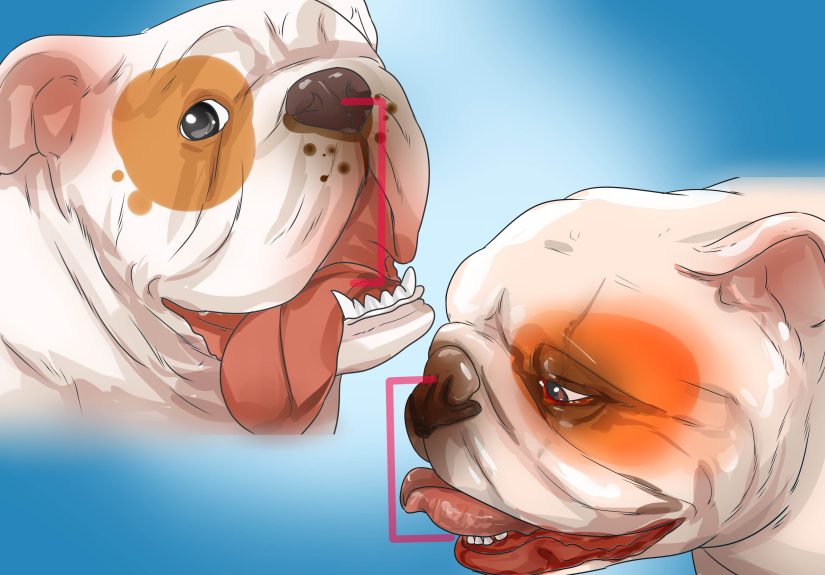
Common anatomical problems can include stenotic nares (narrow nostrils), an elongated soft palate, everted laryngeal saccules, and sometimes a narrow trachea. Over time, working harder to breathe can cause swelling and inflammation, making airflow even worse. That is why “my bulldog has always sounded like that” is not always a comforting sentence.
Typical bulldog breathing symptoms include noisy breathing, snoring, snorting, exercise intolerance, gagging, open-mouth breathing, heat intolerance, vomiting or regurgitation, and in severe cases, collapse or blue-tinged gums. If that list feels familiar, this article is for you.
Before the 10 Steps: Know the Emergency Red Flags
Some respiratory problems in bulldogs can wait for a scheduled appointment. Others cannot. Seek urgent or emergency veterinary care immediately if your bulldog has any of the following:
- Labored breathing with obvious struggle (neck extended, belly pumping, elbows out)
- Blue, gray, or very pale gums/tongue
- Collapse, fainting, severe weakness, or unresponsiveness
- Overheating signs: rapid panting, drooling, bright red gums, vomiting, wobbling
- Breathing that suddenly worsens after exercise, excitement, heat, or stress
If your bulldog is in a respiratory crisis, skip the internet deep dive and go. Cooling, oxygen, sedation, and anti-inflammatory treatment may be needed urgently. This is one of those situations where “monitoring at home” can turn into “I wish I had left 20 minutes earlier.”
How to Treat Respiratory Problems in Bulldogs: 10 Steps
Step 1: Stabilize First If Your Bulldog Is Struggling to Breathe
Treatment begins with stabilization, not guessing. If your bulldog is in distress, move them to a cool, quiet, air-conditioned area immediately. Keep handling gentle and minimal. Stress increases airway resistance and can make breathing worse.
On the way to the vet, keep your dog calm, avoid crowding around their face, and do not force exercise. If heat is involved, use cool-to-lukewarm water on the paws, belly, and underarms (not ice baths unless directed by a vet). Offer small sips of cool water if your dog is alert, but do not force drinking.
Emergency veterinary treatment may include oxygen therapy, sedation, medications to reduce airway inflammation, IV fluids (especially with heat stress), and in severe cases a temporary airway procedure. Early intervention improves outcomes.
Step 2: Get a Proper Veterinary Diagnosis (Not Just “He Snores a Lot”)
A bulldog with respiratory noise needs a real exam, not a nickname. Your vet will assess breathing pattern, nostril size, body condition, and overall airway function. Some BOAS-related structures (like the soft palate and laryngeal saccules) cannot be fully evaluated while your dog is awake, so sedation or anesthesia may be necessary for complete diagnosis.
Diagnostic workups may include chest X-rays, airway exam under sedation/anesthesia, and sometimes advanced imaging or endoscopy in more complex cases. The goal is to identify which airway abnormalities are present, because treatment depends on the actual anatomy involved.
This step matters because “bulldog breathing problem” can mean mild intermittent BOAS, severe airway obstruction, aspiration pneumonia, heat stress complications, GI-related regurgitation issues, or a combination of these.
Step 3: Reduce Weight Aggressivelybut Safely
If your bulldog is overweight, weight loss is not cosmetic; it is respiratory treatment. Extra body fat increases the workload of breathing and worsens exercise intolerance and heat intolerance. Many veterinary sources emphasize this because it is one of the most effective non-surgical ways to reduce symptoms.
Ask your vet for a target weight and a weekly plan. That usually means measured meals (not “eyeballed”), lower-calorie options when needed, and planned treats instead of random snack attacks. Bulldogs are professional negotiators, so this may require strong boundaries and a poker face.
Healthy weight management can improve day-to-day comfort and may reduce the frequency of flare-ups, especially in mildly to moderately affected dogs.
Step 4: Control Heat, Humidity, and Environment Like It’s Your Job
For bulldogs with breathing issues, heat and humidity are not minor annoyances. They are common triggers for respiratory distress because brachycephalic dogs cannot pant as efficiently as longer-muzzled breeds. Overheating can escalate quickly into a medical emergency.
Practical treatment at home includes:
- Air conditioning or strong airflow during warm weather
- Short bathroom breaks during hot or humid conditions
- Avoiding midday walks and intense play in warm weather
- Shade, water, and cool rest areas at all times
- Skipping “just one quick errand” if it means waiting in a car
If your bulldog is prone to heat stress, treat warm days like high-risk days. Prevention is part of respiratory care.
Step 5: Modify Exercise and Manage Excitement
Bulldogs still need movement, but the old “wear them out” strategy can backfire badly in dogs with airway compromise. Controlled activity is usually safer than intense bursts. Think short, calm walks and low-intensity play instead of sprint sessions and chaotic zoomies.
Watch your bulldog, not the clock. If breathing becomes louder, faster, or more labored, stop and rest. Signs like excessive panting, drooling, gagging, or reluctance to continue are not lazinessthey are information.
Excitement can be as stressful as exercise. Visitors, doorbells, dog parks, and car rides may trigger heavy breathing in some bulldogs. Build in calm routines and cool-down periods. A bulldog party is fun until someone starts open-mouth breathing like a broken accordion.
Step 6: Use a Harness, Not a Neck Collar
This is one of the simplest and most overlooked steps. Bulldogs with respiratory problems should generally be walked with a well-fitted harness, not a collar that puts pressure on the neck and airway. Even mild tugging can worsen breathing in a dog with upper airway obstruction.
Choose a harness that distributes pressure across the chest and shoulders. Practice loose-leash walking if your dog pulls hard, because even a harness is not magical if your bulldog is towing you like a tiny freight train.
This step will not fix BOAS, but it can reduce avoidable strain and make day-to-day management safer.
Step 7: Use Medications Appropriately (and Understand Their Limits)
Medical treatment can help in certain situations, especially during flare-ups or short-term respiratory distress. Depending on the case, veterinarians may use medications to reduce inflammation, manage swelling, calm distress, or support oxygenation.
But here is the key point: medical management does not correct the underlying airway anatomy. In other words, medications can be helpful tools, but they usually do not cure brachycephalic airway syndrome.
Never give human cold medicines, sedatives, or random leftovers from another pet. Bulldogs already have enough drama in their airways; they do not need a DIY chemistry experiment.
Step 8: Treat Related Problems That Make Breathing Worse
Bulldog respiratory disease often travels with companions. GI issues such as regurgitation, reflux, vomiting, or hiatal hernia can worsen discomfort and increase the risk of aspiration pneumonia. Chronic airway strain can also contribute to secondary changes in the larynx and lower airways.
That means effective treatment often includes looking beyond the nose and throat. Your vet may recommend evaluating gastrointestinal signs, monitoring for aspiration risk, and addressing inflammation or other conditions that are making respiratory symptoms worse.
If your bulldog coughs after eating, retches frequently, vomits, or has repeated respiratory flare-ups, mention it. These details are not “extra”they are clinically useful.
Step 9: Consider Corrective Airway Surgery Early (Not as a Last-Gasp Plan)
For many bulldogs with significant BOAS, surgery is the treatment of choice. Common procedures include widening stenotic nares, shortening an elongated soft palate, and removing everted laryngeal saccules when indicated. Surgery aims to improve airflow and reduce the chronic strain of breathing.
Timing matters. Earlier intervention often leads to better outcomes because the condition tends to worsen over time and can contribute to secondary airway damage, including laryngeal collapse. Waiting until your bulldog is in repeated crises can reduce the benefits.
Ask about referral to a board-certified veterinary surgeon, especially if your dog has moderate to severe symptoms. Also discuss anesthetic planning and post-op monitoring, because brachycephalic dogs have higher anesthesia-related risks and need close recovery supervision.
Step 10: Build a Long-Term Respiratory Care Plan
Bulldogs do best when respiratory care becomes routine, not reactive. After diagnosis (and surgery, if performed), create a long-term plan with your veterinarian. This should include weight targets, exercise limits, heat precautions, equipment choices, and a clear emergency plan.
A practical long-term checklist might include:
- Daily breathing baseline (what is normal for your dog at rest?)
- Seasonal adjustments for heat and humidity
- Harness-only walking policy
- Regular rechecks and discussion of any worsening noise or exercise intolerance
- Travel planning with extra caution in hot weather or stressful conditions
If your bulldog required surgical airway correction or has severe breathing difficulty, discuss breeding recommendations with your vet. Many experts advise not breeding affected dogs, because BOAS is tied to conformational traits.
Common Mistakes That Make Bulldog Respiratory Problems Worse
- Assuming loud breathing is “normal” and never getting it evaluated
- Walking in hot, humid weather because “it’s only 10 minutes”
- Using a neck collar on a dog with known airway issues
- Waiting for repeated emergencies before discussing surgery
- Ignoring vomiting/regurgitation because it seems unrelated to breathing
- Letting weight creep up “just a little” every season
Bulldogs can absolutely live happy lives, but they need management that respects their anatomy. The difference between a struggling bulldog and a comfortable one is often a series of small decisions repeated consistently.
Extended Experience-Based Notes (Approx. )
One of the most useful lessons owners report after dealing with bulldog breathing problems is this: the condition often gets normalized for too long. Families get used to snoring, snorting, reverse sneezing sounds, and noisy panting because the dog is otherwise affectionate, playful, and eating well. They adjust emotionally before they realize they have also adjusted medically. Then one hot afternoon, one exciting visitor, or one stressful car ride suddenly reveals how narrow the dog’s margin really is.
A common pattern is the “good days versus bad days” cycle. On cool mornings, the bulldog seems almost fine. On humid evenings, the same dog sounds dramatically worse. Owners sometimes assume this means the issue is inconsistent or minor, but experienced clinicians often see the opposite: it means environment and stress are exposing an already compromised airway. In practical terms, this is why keeping a simple symptom log helps. Noting weather, activity level, and breathing changes can turn vague concerns into actionable patterns your veterinarian can use.
Another experience owners frequently share is how much of a difference weight loss makes. It is not glamorous, and it is definitely not as dramatic as surgery day, but steady weight control often improves comfort in ways people can see: less panting after short walks, faster recovery after excitement, fewer “panic breathing” episodes, and better sleep. Many owners say they wish they had treated weight management as part of airway treatment much earlier instead of as a general wellness goal.
Families who move from a collar to a harness also tend to notice a meaningful difference, especially in bulldogs that lunge, pull, or get excited on walks. It is not a cure, but it removes a trigger that was literally pressing on the problem. The same goes for routine changes like walking earlier in the day, shortening play sessions, using fans and air conditioning, and planning rest breaks before the dog looks tired. These small changes can feel “overprotective” at first. Later, they just feel smart.
For owners whose bulldogs undergo corrective surgery, the most consistent feedback is relief mixed with surprise: relief that the dog can breathe more quietly and recover from activity more easily, and surprise at how much effort the dog had been spending just to get air. Some describe it as seeing their dog become more energetic and less anxious after recovery. At the same time, experienced owners emphasize that surgery is not a free pass to ignore heat, weight, or stress. Good outcomes are strongest when surgery is paired with long-term management.
The big takeaway from real-world bulldog care is that respiratory treatment works best when owners stop thinking in emergencies only. The best results often come from treating breathing care as a daily system: cool environment, healthy weight, controlled activity, proper gear, early vet involvement, and a plan for bad days. Bulldogs are charming chaos. Their airway care should be the opposite.
Conclusion
Treating respiratory problems in bulldogs is usually a combination of emergency awareness, veterinary diagnosis, lifestyle control, andwhen neededcorrective surgery. If your bulldog has noisy breathing, exercise intolerance, heat sensitivity, gagging, or collapse episodes, do not wait for a crisis to start a plan. Early intervention can improve comfort, reduce emergencies, and in many cases significantly improve quality of life.
In short: keep them cool, keep them lean, use a harness, limit stress, and involve your veterinarian early. Bulldogs may never sound like silent woodland creatures, but they should not have to fight for every breath.







 Close
Close