Table of Contents >> Show >> Hide
- What Ear Drops Can Help With
- How to Use Ear Drops Correctly
- Common Mistakes to Avoid
- How Ear Drops Fit Into Ear Infection Treatment
- When You Should Not Use Ear Drops Without Medical Advice
- Tips for Earwax Drops and Other Over-the-Counter Products
- When to Call a Doctor
- Real-World Experiences With Ear Drops: What People Often Notice
- Conclusion
If you have ever stared at a tiny bottle of ear drops and thought, “Surely I can’t mess this up,” your ear would like a word. Ear drops seem simple, but using them the right way can make the difference between fast relief and a week of wondering why your ear still feels like it is hosting a grumpy goldfish.
The good news is that learning how to use ear drops is not complicated. The trick is knowing which drops are meant for what problem, how to get them where they need to go, and when to stop playing home pharmacist and call a medical professional. Some ear drops are made for swimmer’s ear, some help soften stubborn earwax, some reduce pain or itching, and some are prescription medicines for specific infections. They are helpful tools, but they are not magic potions for every kind of ear pain.
This guide walks you through how to use ear drops safely, when they may help with ear infections and other common ear issues, the mistakes people make most often, and the signs that mean it is time to get expert help.
What Ear Drops Can Help With
Ear drops are usually used for problems in the outer ear canal, not every issue deep inside the ear. That distinction matters because “ear pain” is a symptom, not a diagnosis. In other words, the ear is dramatic, but it is not always specific.
1. Outer Ear Infections
Outer ear infections, often called swimmer’s ear, affect the ear canal. This is one of the most common situations where ear drops are the star of the show. Prescription drops may contain an antibiotic, a steroid to reduce swelling, or both. Because the medicine goes right where the infection is, drops are often more effective than taking an antibiotic pill for this type of problem.
2. Earwax Buildup
Some drops are designed to soften and loosen earwax. These products can be useful when wax is causing muffled hearing, fullness, or irritation. But more is not better. If you keep pouring in drops while ignoring pain, drainage, or worsening symptoms, you are not “being thorough.” You are auditioning for a return visit.
3. Itching, Irritation, or Inflammation
Depending on the cause, a clinician may recommend drops for itchiness, inflammation, or skin problems affecting the ear canal. This can happen with eczema-like irritation, mild inflammation, or recovery after certain ear procedures.
4. Some Middle Ear Situations
Here is where people get tripped up. Not all middle ear infections are treated with ear drops. A standard middle ear infection usually happens behind the eardrum, so drops placed in the ear canal may not reach the area that is inflamed. Some middle ear infections get better without antibiotics, and some need oral treatment instead. However, ear drops may be used in specific situations, such as drainage through ear tubes or certain eardrum openings, when prescribed by a healthcare professional.
5. Fungal Ear Infections
Yes, fungi can also crash the party. Fungal ear infections are less common than bacterial ones, but they can happen, especially after moisture, irritation, or repeated antibiotic use. In those cases, a clinician may prescribe antifungal drops or another targeted treatment.
How to Use Ear Drops Correctly
If you want ear drops to work, technique matters. This is not a place for freestyle improvisation.
Step 1: Read the Label First
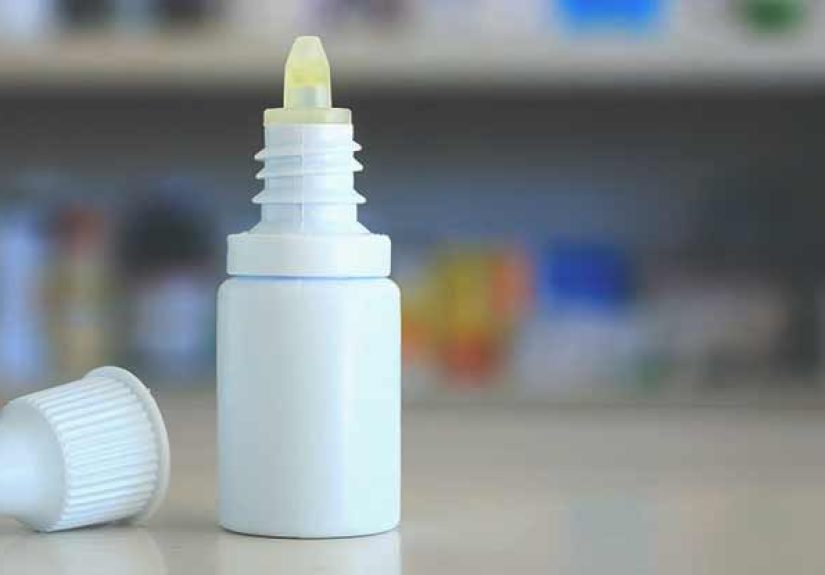
Before anything goes into your ear, check the instructions. Some drops must be shaken. Some are used once or twice daily. Others are used for only a few days. And yes, “for the ear only” means exactly that. Do not confuse ear drops with eye drops. Your eyeball would strongly prefer not to be part of this experiment.
Step 2: Wash Your Hands
Wash your hands with soap and water. This helps keep extra bacteria out of the ear and keeps the tip of the bottle cleaner.
Step 3: Warm the Bottle in Your Hand
Hold the bottle in your hand for a minute or two. Cold ear drops can feel unpleasant and may even cause dizziness. Warming the bottle slightly makes the experience more comfortable without turning the medicine into soup.
Step 4: Get Into Position
Lie on your side or tilt your head so the affected ear faces upward. The goal is simple: gravity should help, not sabotage you.
Step 5: Place the Correct Number of Drops
Instill the exact number of drops listed on the label or prescribed by your clinician. Do not touch the dropper tip to your ear, your fingers, your hair, or anything else. Once that tip gets contaminated, the bottle becomes less of a medication tool and more of a germ shuttle.
Step 6: Stay Put for a Bit
Remain in the same position for at least 30 to 60 seconds, and sometimes longer if the instructions say so. Many earwax-softening drops are left in place for several minutes. This gives the liquid time to coat the canal and do its job instead of sliding right back out like it changed its mind.
Step 7: Repeat Only If Directed
If both ears need treatment, repeat the process on the other side. If you were prescribed a full course of drops, finish the course unless your clinician tells you otherwise. Stopping early because you “feel mostly fine now” is one of the classic ways to let symptoms come roaring back.
Common Mistakes to Avoid
Using ear drops sounds easy, but a few common errors can make treatment less effective.
Using the Wrong Drops for the Wrong Problem
Earwax drops are not the same as antibiotic drops. Pain-relief drops are not the same as antifungal drops. Randomly choosing one because it was in the medicine cabinet is a bold move, but not a smart one.
Ignoring the Eardrum Question
If you might have a hole or tear in your eardrum, or if you have drainage from the ear, recent ear surgery, or ear tubes, do not use over-the-counter drops unless a healthcare professional says it is okay. Some drops are not safe when the eardrum is not intact.
Quitting Too Soon
Even if symptoms improve quickly, prescription drops should usually be used for the full prescribed time. The ear may feel better before the underlying infection or inflammation has fully settled down.
Touching the Dropper Tip
Once the dropper touches skin or another surface, it can pick up germs. That is one of those tiny mistakes that seems harmless until it is not.
Using Cotton Swabs to “Help”
Please do not. Cotton swabs tend to push wax deeper, irritate the canal, and make small injuries more likely. The ear canal does not need a deep-cleaning crew.
How Ear Drops Fit Into Ear Infection Treatment
Because the title here includes ear infections, let us clear up one important point: ear drops help some ear infections a lot, and some only a little, depending on where the infection is located.
Swimmer’s Ear
If the infection is in the outer ear canal, prescription drops are often the main treatment. These may include an antibiotic, an acidifying solution, a steroid, or a combination. Keeping the ear dry during treatment is also important.
Middle Ear Infection
A middle ear infection happens behind the eardrum. In children especially, some cases improve on their own with watchful waiting and symptom control. Other cases may require oral antibiotics. In select cases involving ear tubes or a perforated eardrum, a clinician may prescribe ear drops because the medicine can reach the infected area through the opening.
Ear Pain Without Infection
Not every painful ear is infected. Pressure changes, wax buildup, irritation from cleaning, trapped water, skin inflammation, and even jaw problems can cause symptoms that feel like an ear infection. That is why the “just use some drops” approach does not always work. Sometimes the drops are fine. Sometimes they are solving the wrong mystery.
When You Should Not Use Ear Drops Without Medical Advice
There are situations where self-treating with drops is not the best idea. Put the bottle down and get medical advice if you have:
- Drainage, blood, or pus coming from the ear
- Sudden hearing loss
- Severe pain, high fever, or swelling around the ear
- Severe dizziness or balance trouble
- Facial weakness
- A known or suspected perforated eardrum
- Recent ear surgery or ear tubes and no instructions for what to use
- An object stuck in the ear
These situations need proper evaluation, not a guessing game with whatever was on sale at the pharmacy.
Tips for Earwax Drops and Other Over-the-Counter Products
If you are using ear drops for earwax rather than infection, follow the product directions closely. Many over-the-counter wax-softening drops are meant for short-term use only. More days does not automatically mean better results.
If the ear feels sharply painful, starts draining, or stays blocked after using wax drops, stop and get checked. The problem may not be wax at all. It could be inflammation, infection, or a blockage that needs professional removal.
It is also worth saying out loud: candles, improvised tools, and aggressive home “excavation” are not ear care. They are plot twists.
When to Call a Doctor
Even when you are using the right ear drops, you should reach out to a healthcare professional if symptoms are not improving within the expected time, if they get worse, or if new symptoms appear. In general, it is smart to get help if:
- Pain or swelling is getting worse instead of better
- You still have symptoms after finishing treatment
- You develop fever, worsening discharge, or new hearing changes
- A child seems very uncomfortable, unusually sleepy, or is not improving after a day or two
- The ear keeps getting infected over and over again
Chronic or repeated ear problems deserve more than repeated guessing. Sometimes the issue is wax. Sometimes it is eczema. Sometimes it is a pattern of infections that needs a bigger-picture plan.
Real-World Experiences With Ear Drops: What People Often Notice
Using ear drops in real life is often a lot less glamorous than the package makes it look. The box suggests a calm, tidy process. Actual life may involve a squirmy child, a bathroom mirror, one sock on, and the sinking realization that gravity is not as cooperative as advertised.
One of the most common experiences people describe is that the drops feel strange at first. Even when they are warmed in the hand, the liquid can create a sudden sensation of fullness. Some people say it feels like their ear is underwater. Others notice mild bubbling or fizzing, especially with wax-softening drops. That sensation can be normal, but sharp pain is not. If the ear feels like it has been insulted on a personal level, it is time to stop and get advice.
Another common experience is temporary muffled hearing right after the drops go in. That usually happens because there is now liquid in the ear canal, not because your hearing has vanished forever. Once the medicine drains or absorbs, hearing often feels more normal again. With earwax treatments, things may sound even more blocked for a short time before they improve. It is annoying, but not unusual.
People also underestimate how important it is to stay still after putting the drops in. The instinct is to pop up immediately and get on with your day. Unfortunately, the drops often have the same plan and head straight back out. Remaining on your side for even a minute or two can make a real difference. This is especially true when the canal is swollen, inflamed, or partly blocked by debris.
Parents often report that giving ear drops to children is the hardest part of treatment, not because the drops are dangerous, but because children are deeply committed to moving at exactly the wrong moment. A calm explanation, a favorite show, a small reward, or simply doing the routine at the same time each day can help. Consistency matters more than theatrics, though the theatrics may still arrive.
Another real-world frustration is expecting instant relief. Some drops do start helping quickly, particularly when pain is caused by inflammation in the outer ear canal. But many people need a few days before they notice clear improvement. If the ear canal is very swollen, a clinician may need to clean the area or place a wick so the medicine can actually reach the tissue. In those cases, the problem is not that the drops are useless. It is that the route is blocked.
People dealing with repeat ear problems often learn a few practical habits that make treatment easier: warming the bottle first, setting a timer so they do not hop up too soon, keeping the ear dry during recovery, and resisting the very human urge to poke around inside the ear to “see what is happening.” The less extra irritation you add, the happier the ear tends to be.
In other words, the experience of using ear drops is usually less about drama and more about patience, routine, and proper technique. Tiny bottle, big expectations.
Conclusion
Knowing how to use ear drops properly is one of those small life skills that pays off quickly. The right drops can help with swimmer’s ear, some drainage-related infections, inflammation, itching, and earwax buildup. But ear drops are not a cure-all for every earache, and they are definitely not a substitute for a real diagnosis when symptoms are severe, persistent, or unusual.
The smartest approach is simple: use the correct product, follow the directions carefully, keep the dropper clean, give the medicine time to work, and get medical advice when red flags show up. Your ears do a lot for you every day. The least you can do is avoid attacking them with a cotton swab and blind optimism.