Table of Contents >> Show >> Hide
- What “Irish Butter” Means in the U.S. Grocery Aisle
- Why Irish Butter Tastes Different (and Looks Like Sunshine)
- When Irish Butter Is Worth the Splurge (and When It’s Not)
- How to Use Irish Butter at the Table
- How to Cook with Irish Butter
- How to Bake with Irish Butter (Without Surprises)
- Smart Buying Tips: Choose the Right Irish Butter for the Job
- How to Store Irish Butter So It Tastes Fresh (Not Like the Fridge Smells)
- Quick FAQs
- Kitchen Notes & Real-Life Experiences (500+ Words, Plus a Quick Wrap-Up)
Irish butter has a reputation in American kitchens that’s usually reserved for celebrities and stand mixers: people talk about it like it has a publicist.
It’s the butter you buy “just for toast”… and then mysteriously start using for everything, including (for reasons science can’t explain) eating straight from the knife while
pretending you’re “cleaning up.”
If you’ve wondered what makes Irish butter special, when it actually matters, and how to use it so it earns its keep in your fridge (instead of just being a fancy gold-wrapped
flex), you’re in the right place. We’ll break down what Irish butter is, why it behaves a little differently than standard American butter, and the best ways to put it to work
from toast and sauces to pastry and shortbread.
What “Irish Butter” Means in the U.S. Grocery Aisle
In the United States, “Irish butter” usually means butter made in Ireland from Irish dairyoften sold in foil-wrapped blocks and marketed as rich, creamy, and deeply yellow.
You’ll also see “Irish-style” or “European-style” butters made in the U.S. that aim for a similar texture and butterfat level. The key is that most Irish butter you’ll find is
European-style, meaning it typically has a little more butterfat and a little less water than the standard American sticks you grew up baking with.
Translation: Irish butter isn’t magical. It’s just engineered by nature (grass), tradition (how it’s made), and math (fat vs. water) to taste extra good when butter is the main
character.
Why Irish Butter Tastes Different (and Looks Like Sunshine)
1) Grass-fed milk often brings more color and deeper flavor
Many Irish dairy cows spend a lot of time grazing on grass. That grass-heavy diet can contribute to a richer flavor and the butter’s signature golden color.
The color is commonly linked to beta-carotene (the same pigment family that makes carrots orange), which can show up more in milk from grass-fed cows.
Practical takeaway: the color is mostly a clue about the milk and dietnot a guarantee of “better,” but often a sign you’re getting a more flavorful butter.
2) Higher butterfat means less water (and a richer mouthfeel)
Here’s the simplest explanation for why Irish butter feels luxuriously creamy: compared with typical American butter, European-style butter tends to have
slightly higher butterfat. That might only be a couple percentage points, but in baking and finishing sauces, a couple percentage points can act like a megaphone.
- More fat = richer flavor and silkier texture.
- Less water = different behavior in doughs, pastries, and browning.
- Better spreadability (often) = easier to swipe on toast without tearing the bread like you’re starting a lawnmower.
3) Salted vs. unsalted (and cultured vs. sweet cream) changes the vibe
Many Irish butters sold in the U.S. are salted, though unsalted versions are widely available. Salt affects flavor, shelf-life, and how you season recipes.
You’ll also hear about cultured butter (made from fermented cream), which tastes tangier and more complex. Irish butter is often made from sweet cream (not
cultured), so its flavor can read as clean, rich, and slightly sweetespecially when eaten plain.
When Irish Butter Is Worth the Splurge (and When It’s Not)
Irish butter shines when butter can’t hidewhen it’s on top, stirred in at the end, or baked into something that tastes like butter with a side of cookie.
If butter is mostly acting as a background fat (like greasing a pan or cooking a big pot of chili), your everyday butter is usually fine.
Best times to reach for Irish butter
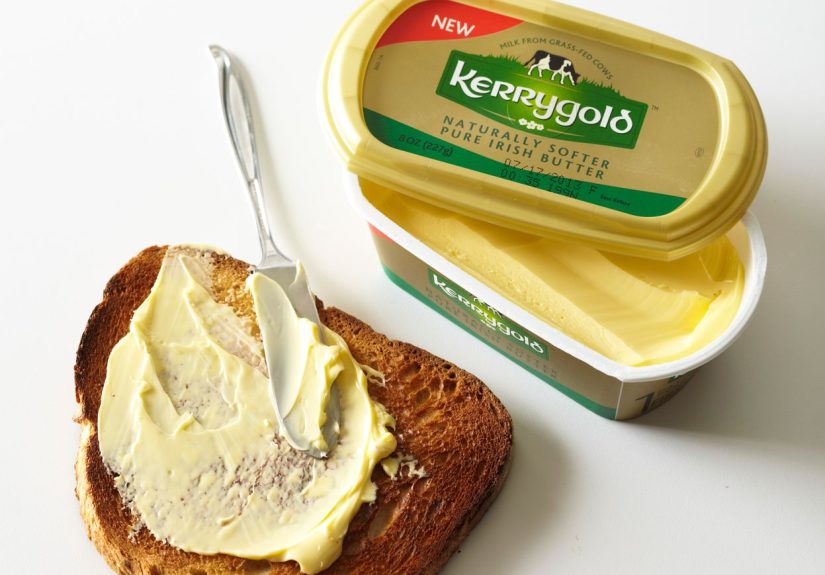
- Toast, bagels, English muffins, pancakes, waffles anywhere butter is eaten straight.
- Shortbread, butter cookies, scones simple bakes where butter flavor dominates.
- Pie crusts and pastries where fat content and flavor can noticeably affect tenderness and richness.
- Sauces and finishing whisking into pan sauces, mashed potatoes, or steamed veggies.
- Butter boards, compound butters butter as an appetizer (yes, we live in interesting times).
Times you can save it for later
- High-heat frying you’ll risk burning milk solids unless you clarify it first.
- Recipes with lots of competing flavors heavily spiced stews, saucy casseroles, big marinades.
- Any time the budget says “not today” good butter is great, but rent is also pretty popular.
How to Use Irish Butter at the Table
This is Irish butter’s home turf: eaten simply, where its flavor and texture get a standing ovation. A few ways to make it feel special without turning breakfast into a
three-hour production:
Upgrade toast without doing the most
- Warm toast + Irish butter + flaky salt yes, more salt. No, we’re not sorry.
- Toast + butter + honey simple and ridiculously good.
- Toast + butter + jam butter first, then jam. (This is the hill we die on.)
Make a 2-minute compound butter
Compound butter is just butter that decided to have hobbies. Mash softened Irish butter with any of these, then spread on bread, melt on vegetables, or toss with pasta:
- Garlic + parsley + lemon zest (steak, shrimp, roasted potatoes)
- Honey + cinnamon (pancakes, sweet potatoes, cornbread)
- Chives + cracked pepper (eggs, baked potatoes, grilled corn)
- Miso + maple (roasted carrots, winter squash, salmon)
How to Cook with Irish Butter
Eggs that taste like you stayed at a nice hotel
Use Irish butter for scrambled eggs or omelets when you want a richer finish. Start on medium-low, melt the butter gently, and let it foam (but not brown) before adding eggs.
Because the flavor is more pronounced, you’ll notice the difference even in a simple two-egg breakfast.
Finish vegetables like a grown-up (but still fun)
Steamed green beans, roasted broccoli, sautéed spinachthese are all “butter delivery systems” in disguise. Add a small pat of Irish butter at the end with a squeeze of lemon
and a pinch of salt. You’ll get gloss, aroma, and flavor without needing a complicated sauce.
Pan sauces: the easiest restaurant trick
After cooking chicken, pork chops, or steak, pour off excess fat, deglaze the pan with a splash of broth, wine, or even water, then whisk in cold Irish butter off the heat.
This last step (often called “mounting” with butter) makes sauces silky and rich.
Brown butter, but watch it like it owes you money
Brown butter is Irish butter’s glow-up: nutty, toasty, and dangerously good. Melt it over medium heat and stir as the milk solids toast.
Because European-style butters can behave slightly differently, don’t rely on timingrely on your senses:
- Look: foam settles; specks turn golden-brown.
- Smell: like toasted nuts and caramel.
- Stop: when it’s amber and fragrant (it keeps cooking from residual heat).
Clarify it for higher-heat cooking
If you want butter flavor but need higher heat, clarify it: melt gently, skim foam, and pour off the clear fat, leaving milk solids behind.
Clarified butter (and ghee) resists burning better than regular butter because those solids are what scorch first.
How to Bake with Irish Butter (Without Surprises)
Baking is where Irish butter can either be your best friendor that friend who “improvises” in a group project. The main difference is still the same:
a bit more fat and a bit less water. That can affect texture, spread, and moisture in some recipes.
Rule #1: Bake by weight when you can
Many Irish butters come in blocks rather than American sticks. A kitchen scale makes swapping easy and keeps your cookies from turning into a science fair project.
If your recipe is written in cups or sticks, consider converting to grams for consistency.
Cookies: richer flavor, sometimes less spread
In cookies, slightly lower water content can mean less steam and a slightly different spread pattern. You might notice:
- More tender centers
- A slightly richer mouthfeel
- Occasionally a “greasier” impression if the formula is already high-fat
If a cookie recipe was developed for standard American butter and your result seems off, don’t panic. First, weigh ingredients and confirm your oven temperature.
If you still want to fine-tune, a tiny bit of extra moisture (like a teaspoon or two of milk or water in the dough) can help in some formulasespecially in cookies that rely on
creaming butter and sugar for structure.
Shortbread and butter-forward bakes: where Irish butter earns its trophy
Shortbread is basically a butter showcase with excellent PR. Because it has few ingredients, the butter flavor matters a lot. Irish butter can make shortbread taste richer,
rounder, and more “luxury bakery” with no extra effort. The same goes for:
- Butter cookies
- Scones
- Pound cake
- Buttercream frosting (especially when you want a silky texture)
Pie crusts and pastries: tenderness + flavor, with a small caution
In pastry, fat coats flour and helps limit gluten development, which is good for tenderness. A higher-fat butter can be a bonus here.
That said, some baking experts note that swapping European-style butter into recipes developed for American butter can change the formula enough to affect texturesometimes
resulting in dough that feels a bit drier or baked goods that seem a bit greasy.
The fix is usually simple: keep ingredients cold, avoid overworking the dough, and add liquid slowly (especially in pie crust), stopping when the dough holds together.
Pastry is less about strict obedience and more about reading the dough like it’s giving you clues.
Buttercream and frosting: smoother, richer, dreamier
If you’ve ever made buttercream and thought, “This tastes fine, but I want it to taste like I paid for it,” Irish butter is a smart move.
Use unsalted when possible so you can control the salt level, then add a pinch at the end if the frosting tastes flat.
Smart Buying Tips: Choose the Right Irish Butter for the Job
Salted vs. unsalted
- Unsalted: best for baking, buttercream, and any recipe where you want full control.
- Salted: best for toast, finishing, vegetables, and everyday cooking.
Check the label for “European-style” clues
If you’re comparing butters, look for hints like “European-style,” “higher butterfat,” “grass-fed,” or “cultured.”
These labels don’t automatically mean “better,” but they help predict flavor and behaviorespecially in baking.
How to Store Irish Butter So It Tastes Fresh (Not Like the Fridge Smells)
Butter is basically a flavor sponge wrapped in a confidence problem. It can absorb odors from the fridge, and it can also oxidize over time, which makes it taste stale or
“old.” Keep it happy with a few simple habits:
- Refrigerate most of it in its original wrapper or an airtight container.
- Keep it away from strong-smelling foods (onions, garlic, leftover curry that could knock out a full-grown adult).
- Freeze extra butter if you buy in bulk. Wrap well to prevent freezer odors and burn.
- Soften only what you’ll uselet it sit out briefly before baking or spreading.
Room temperature butter: what’s the practical approach?
You’ll hear different opinions. Official guidance from some major dairy sources recommends not leaving butter out at room temperature for more than a few hours.
Meanwhile, many home cooks keep a small amount covered for convenience and use it quickly.
The most cautious approach: keep butter refrigerated and soften what you need for 30–60 minutes before using. If you do keep a butter dish on the counter, keep it covered,
store it in a cooler spot (away from sunlight and the stove), use clean utensils, and only leave out what you’ll finish soon.
Quick FAQs
Is Irish butter “healthier” than regular butter?
Irish butter is still butter: calorie-dense and high in saturated fat. Some people choose grass-fed butter for taste and for differences in certain nutrients,
but it’s best viewed as a flavorful ingredientnot a health supplement. If butter is part of your diet, use what you enjoy and keep portions reasonable.
Can I bake with salted Irish butter?
Yes. Just reduce added salt in the recipe. Because salt levels can vary by brand, start by cutting the added salt slightly, then adjust next time based on taste.
Will Irish butter change every recipe?
Not every recipe. The difference is most noticeable in butter-forward bakes and simple foods. In many everyday recipes, the swap is subtle.
Does the yellow color mean it’s always better?
Not automatically. Color can reflect cow diet and seasonality, but “better” depends on your taste and your recipe. The real win is flavor and performance where butter matters.
Kitchen Notes & Real-Life Experiences (500+ Words, Plus a Quick Wrap-Up)
If you’re trying Irish butter for the first time, the most common “experience” is shockingly simple: you put it on toast and suddenly understand why people talk about butter
like it’s a personality trait. That first bite usually lands as richer, smoother, and more fragrant than standard butterespecially when the bread is warm enough to melt it
slowly. The butter doesn’t just sit there; it perfumes the bite. It’s the difference between “buttered toast” and “toast with a plan.”
In everyday cooking, people often notice Irish butter most in eggs. Scrambled eggs cooked in a small knob can taste fuller and more “finished,” even if you don’t change
anything else. The butter’s flavor can read slightly sweeter and more rounded, so the eggs taste less like “weekday survival” and more like “brunch energy.” The same thing
happens with vegetables: a pat melted onto green beans or peas makes them taste like they got upgraded from economy to comfort-plus.
Baking experiences can be more interestingsometimes in a good way, sometimes in a “why are my cookies auditioning for an oil commercial?” way. In butter-forward cookies and
shortbread, Irish butter tends to be a crowd-pleaser because the flavor is front and center. Shortbread in particular can taste more buttery without adding more butter, which
feels like a loophole you’re allowed to use. If you make a simple butter cookie, the aroma can be more pronounced, and the texture may feel a touch more tender.
Where bakers sometimes run into surprises is when they swap Irish butter into a recipe that was developed very specifically for American butter and then change nothing else.
The difference in water content is small, but in some formulasespecially those that rely on the balance between butter, sugar, and floursmall differences can show up as
different spread, slightly denser texture, or a richer (occasionally heavier) bite. The best real-life fix isn’t to overcorrect; it’s to tighten your method:
weigh ingredients, confirm oven temperature, and chill dough when the recipe suggests it. Those three steps solve most “mystery cookie” situations no matter what butter you use.
For pie crust, many home bakers report two simultaneous truths: the flavor can be fantastic, and the dough can feel different under your hands. Some people find it slightly
easier to overwork because it feels softer sooner; others find it becomes beautifully tender with minimal handling. The practical experience is that pie dough rewards a light
touch and a cold workspace. If you’re used to adding liquid until a dough looks “perfect,” Irish butter may nudge you to add a splash less or to stop mixing sooner.
Your hands learn the feel of “just combined,” and your crust thanks you with better flake.
Another common experience is that Irish butter can become your “finishing butter”the one you keep for final touches. People often reserve it for that last pat on mashed
potatoes, the butter melted over grilled corn, or the swirl into a pan sauce. It’s not about being precious; it’s about impact. When a recipe has a moment where butter is
basically speaking directly to the eater, better butter is a simple way to make that moment louder (in the good way).
The biggest practical lesson most cooks take away is this: you don’t have to use Irish butter for everything to enjoy it. Keep a block for bread, finishing, and special
bakes, and use your everyday butter for the rest. That strategy gives you the “wow” factor where it matters, keeps your budget from crying, and turns Irish butter into a tool
rather than a trophy. And if you do find yourself buttering toast more often “just to test something”? Congratulationsyou’ve discovered the most delicious form of research.