Table of Contents >> Show >> Hide
- What Is Prenatal Massage?
- Why People Use Prenatal Massage Techniques
- How to Use Prenatal Massage Techniques: 7 Steps
- Step 1: Get the Green Light and Know the Red Flags
- Step 2: Set Up a Pregnancy-Safe Position
- Step 3: Start With Calm, Gentle Warm-Up Touch
- Step 4: Focus on the Shoulders, Neck, and Upper Back
- Step 5: Soothe the Lower Back, Hips, and Glutes
- Step 6: Use Light Massage on the Legs, Feet, and Hands
- Step 7: End Slowly, Rehydrate, and Recheck Comfort
- Common Mistakes to Avoid
- When to See a Professional Prenatal Massage Therapist
- Real-Life Experiences With Prenatal Massage Techniques
- Conclusion
Pregnancy is magical, beautiful, and occasionally about as glamorous as trying to tie your shoes while carrying a bowling ball under your shirt. Between backaches, tight hips, tired legs, and that mysterious moment when your shoulders decide to live somewhere near your ears, it makes perfect sense to look for relief. That’s where prenatal massage techniques come in.
Done correctly, prenatal massage can be a gentle, practical way to relax, ease common pregnancy discomforts, and carve out a small island of calm in a sea of baby prep. The trick is using the right approach. Pregnancy is not the time for aggressive pressure, heroic knot-crushing, or random internet “wellness hacks” that sound like they were invented by a scented candle. Safe prenatal massage should be gentle, comfortable, and adapted to the pregnant body.
This guide walks through 7 simple steps for using prenatal massage techniques safely at home. It is written for a pregnant person, partner, or caregiver who wants a soothing routine that feels helpful instead of hazardous. And because safety comes first, let’s say the important part out loud: if there is high blood pressure, vaginal bleeding, contractions, severe swelling, unusual pain, dizziness, one-sided leg swelling, or any pregnancy complication, talk with your OB-GYN, midwife, or prenatal care clinician before trying massage.
What Is Prenatal Massage?
Prenatal massage is massage adapted for pregnancy. It usually relies on lighter pressure, supportive positioning, and a focus on the areas that often complain the loudest during pregnancy: the lower back, hips, shoulders, legs, and feet. Unlike a standard massage, prenatal massage avoids positions and techniques that can be uncomfortable or risky, especially later in pregnancy.
The goal is not to “fix” pregnancy. Sorry, no massage in human history has made heartburn apologize and leave the building. The goal is simpler: help the body feel more supported, less tense, and more comfortable.
Why People Use Prenatal Massage Techniques
Many pregnant people use pregnancy massage for relief from:
- Lower back tension
- Hip and glute tightness
- Shoulder and neck stiffness
- Tired, achy legs
- Mild stress and anxiety
- Trouble winding down at night
Research suggests prenatal massage may help reduce stress, anxiety, and common aches like back and leg pain. That said, the research is promising rather than perfect, so think of massage as a supportive comfort tool, not a miracle cure wrapped in lavender lotion.
How to Use Prenatal Massage Techniques: 7 Steps
Step 1: Get the Green Light and Know the Red Flags
Before anyone starts kneading away, check that massage is appropriate. For a healthy pregnancy, gentle prenatal massage is often fine. But certain situations call for extra caution or a hard stop. If the pregnant person has preeclampsia symptoms, heavy swelling in the face or hands, severe headache, vision changes, vaginal bleeding, fever, sudden abdominal pain, preterm labor symptoms, or a possible blood clot, skip the massage and call the clinician.
Also pause if there is a history of high-risk pregnancy, uncontrolled blood pressure issues, severe pain, or any symptom that feels “off.” Pregnancy is one of those seasons in life when “I’ll just push through” is not always a winning strategy.
Safety rule: Massage should never hurt, increase dizziness, trigger contractions, or make symptoms worse.
Step 2: Set Up a Pregnancy-Safe Position
Positioning is everything. The safest and most comfortable setup for most pregnant people is side-lying. Use pillows to support the head, between the knees, behind the back, and sometimes under the belly if that feels better. This takes pressure off the lower back and helps keep the spine and hips more comfortable.
A seated position can also work well for shoulder, neck, and upper-back massage. Sitting forward in a sturdy chair with pillows stacked on a table or countertop can make it easier to relax. What you want to avoid is lying flat on the back for a long time, especially later in pregnancy, because that can cause lightheadedness and discomfort. Lying facedown is also usually not practical unless you are with a trained professional using pregnancy-specific equipment.
Pro tip: If the pregnant person says, “This pillow is wrong,” believe them immediately. Pillow diplomacy is part of the process.
Step 3: Start With Calm, Gentle Warm-Up Touch
Do not jump straight into squeezing sore muscles like you are kneading pizza dough. Start with a minute or two of quiet, broad contact. Place warm hands on the shoulders, upper back, or hips. Then use slow, gliding strokes with a small amount of unscented lotion or oil. The movement should be steady and calm, not fast or slippery.
This warm-up does three useful things. First, it helps the pregnant person relax. Second, it gives the partner or caregiver time to notice which areas feel tender or tense. Third, it signals to the nervous system that this is comfort time, not surprise wrestling.
Use open palms rather than thumbs at first. Broad pressure tends to feel safer and more soothing. Ask a simple question: “How does this pressure feel on a scale from 1 to 10?” Aim for light to moderate pressure, usually around a 3 to 5. Prenatal massage is about relief, not heroics.
Step 4: Focus on the Shoulders, Neck, and Upper Back
Pregnancy may center on the belly, but the shoulders often carry the emotional side plot. Stress, altered posture, and awkward sleeping positions can make the neck and upper back feel tight fast.
Try these gentle prenatal massage techniques:
- Use slow strokes from the base of the neck across the tops of the shoulders.
- Make small circles with the flats of the fingers around the shoulder blades.
- Use gentle squeezing on the upper shoulders, but keep the pressure light.
- Finish with long, soothing strokes down the upper back.
Avoid digging elbows into the neck or using intense thumb pressure on tight spots. If you find a knot, do not attack it like it owes you money. Stay gentle and consistent instead. Often, slow repeated strokes work better than force.
Step 5: Soothe the Lower Back, Hips, and Glutes
This is the section many pregnant people have been waiting for. As the body changes, the lower back, hips, and glutes often take on extra work. Gentle massage here can feel glorious.
With the person side-lying, place one hand on the hip and the other on the lower back. Use broad circular motions over the hips and outer glutes. Then switch to slow strokes along the lower back, moving upward and outward. The pressure should be even and soft to moderate.
Helpful techniques include:
- Palm circles on the hips: Great for general tightness.
- Broad gliding strokes on the lower back: Better than poking with fingertips.
- Gentle compression over the glutes: A steady press-and-release can feel deeply relaxing.
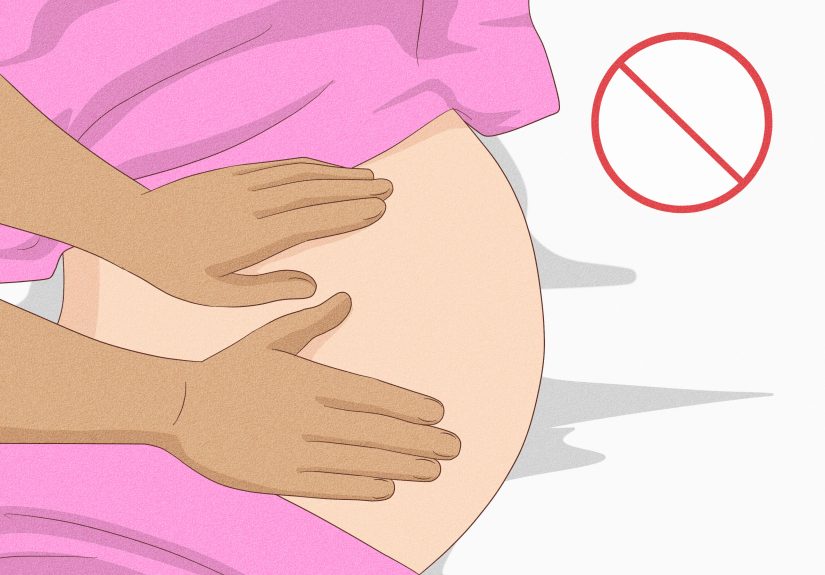
Avoid deep tissue pressure and avoid pressing directly on the spine. Also skip any forceful abdominal massage. Prenatal massage is not the moment to improvise with anatomy.
Step 6: Use Light Massage on the Legs, Feet, and Hands
Tired legs and puffy feet are common pregnancy complaints, especially later on. Gentle massage can feel helpful, but this is also the area where caution matters most. Because pregnancy slightly increases the risk of blood clots, avoid deep pressure in the legs.
Use light, upward strokes from the ankle toward the calf, and keep the movement slow and comfortable. Do not massage any area that is red, hot, swollen on one side, or painful to touch. That is not “normal soreness” until a clinician says so.
For the feet, gentle rubbing of the arch and heel can be soothing. For the hands, especially if there is mild swelling or carpal tunnel discomfort, light circular massage in the palm and around the base of the thumb may feel nice. Keep it brief and relaxing.
Best practice: When in doubt, lighter is smarter.
Step 7: End Slowly, Rehydrate, and Recheck Comfort
Do not end the massage like a light switch. Slow the pace, return to long gliding strokes, and then let the hands rest quietly for a few breaths. Help the pregnant person change positions slowly, especially if they have been lying down. Standing up too fast can cause dizziness, and nobody wants the grand finale to be “surprise wobble.”
Offer water, encourage a short walk if it feels good, and check in after a few minutes. A good prenatal massage session should leave the person feeling calmer, looser, and more comfortable. It should not leave them sore, shaky, or irritated.
Common Mistakes to Avoid
- Using deep tissue pressure
- Having the pregnant person lie flat on their back too long
- Massaging one-sided leg swelling, redness, or warmth
- Ignoring pain, dizziness, nausea, or shortness of breath
- Using intense pressure on the belly
- Assuming “more pressure” means “better massage”
When to See a Professional Prenatal Massage Therapist
At-home techniques are useful, but sometimes a trained prenatal massage therapist is the better choice. Consider professional help if the pregnant person has persistent low-back pain, hip discomfort, stress that is not letting up, or wants a session tailored to pregnancy body mechanics. Choose someone specifically trained in prenatal massage, not just someone who says, “Sure, pregnancy can’t be that different.” Pregnancy is, in fact, very different.
A professional can adapt the session with bolsters, safe pressure, and experience-based modifications. Even then, it is still smart to clear massage with the prenatal care team if there are complications or symptoms that raise concern.
Real-Life Experiences With Prenatal Massage Techniques
One reason prenatal massage is so popular is that the benefits are often practical, immediate, and deeply human. It is not always about dramatic pain relief. Sometimes it is about feeling like your body belongs to you again for 20 minutes.
For example, a pregnant person in the second trimester may not have severe pain at all. They may simply feel “weirdly uncomfortable everywhere,” which is an extremely technical medical phrase. A short side-lying massage focused on the shoulders and hips can make it easier to relax at night, fall asleep faster, and wake up less cranky. That matters. Good rest can feel like winning the lottery during pregnancy.
In the third trimester, the experience often shifts. The body is carrying more weight, posture changes become more obvious, and common pressure points like the low back, glutes, and outer hips can feel overworked. In those cases, broad palm pressure over the hips and lower back often feels better than fussy little motions. Many people describe the sensation not as “pain disappearing,” but as “my body finally unclenched.” That is a very real kind of relief.
Partners also tend to appreciate having a concrete way to help. Pregnancy can leave loved ones feeling supportive in theory but clueless in practice. Prenatal massage gives them something useful to do besides asking, “Need anything?” for the tenth time that hour. A five- to ten-minute shoulder and lower-back routine can become a comforting evening ritual, especially when it is paired with pillows, a calm room, and regular check-ins about pressure.
There is also an emotional side to the experience that people do not always expect. Gentle touch can help a pregnant person feel cared for, grounded, and less overwhelmed. When the body is changing quickly, even a simple, safe massage can be reassuring. It says, “Let’s make you more comfortable right now,” which is sometimes exactly what someone needs.
That said, not every experience is love at first rub. Some pregnant people find that certain areas are suddenly too sensitive, or that they only enjoy massage in one position. Others discover that feet, which sounded like an excellent idea five minutes earlier, are now completely off limits. This is normal. Prenatal massage works best when it is flexible. The best routine is the one that adapts to the person’s comfort that day.
Some people also learn that shorter sessions work better than long ones. A 10- to 15-minute massage can be more effective than a full hour if energy is low, the baby is tap dancing on the bladder, or patience is in short supply. Small, consistent sessions often fit real life better than elaborate spa fantasies.
And perhaps the most common experience of all is this: the person receiving the massage realizes they have been bracing their shoulders, clenching their jaw, and sitting in a posture best described as “human question mark.” Gentle prenatal massage helps reset that pattern. It may not erase every ache, but it can make the body feel more supported, more breathable, and a little less dramatic. During pregnancy, that counts as excellent progress.
Conclusion
Learning how to use prenatal massage techniques is less about mastering a fancy routine and more about creating safe, soothing comfort. The best prenatal massage is gentle, side-lying, and responsive to the pregnant person’s needs in the moment. Start with a medical green light, use supportive positioning, focus on common tension zones like the shoulders, lower back, hips, and legs, and keep the pressure light to moderate.
Most of all, remember that prenatal massage should feel nurturing, not intense. If it helps the body relax, eases everyday aches, and makes pregnancy feel a little more manageable, it is doing its job beautifully. And if it also prevents one evening argument about pillows, honestly, that is a bonus worthy of applause.