
Table of Contents >> Show >> Hide
- When to winterize: timing is most of the battle
- Before you start: what you’ll want on hand
- Winterizing an in-ground pool: the right order, step by step
- Step 1: Clean it like you want spring-you to be happy
- Step 2: Balance the water so it can behave for months
- Step 3: Add closing chemicals (without creating a backyard science fair)
- Step 4: Lower the water level (the cover decides the target)
- Step 5: Winterize the plumbing (freeze climates only, but don’t guess)
- Step 6: Drain and protect equipment (so it doesn’t crack in silence)
- Step 7: Cover it correctly (tight, centered, and not “tenting”)
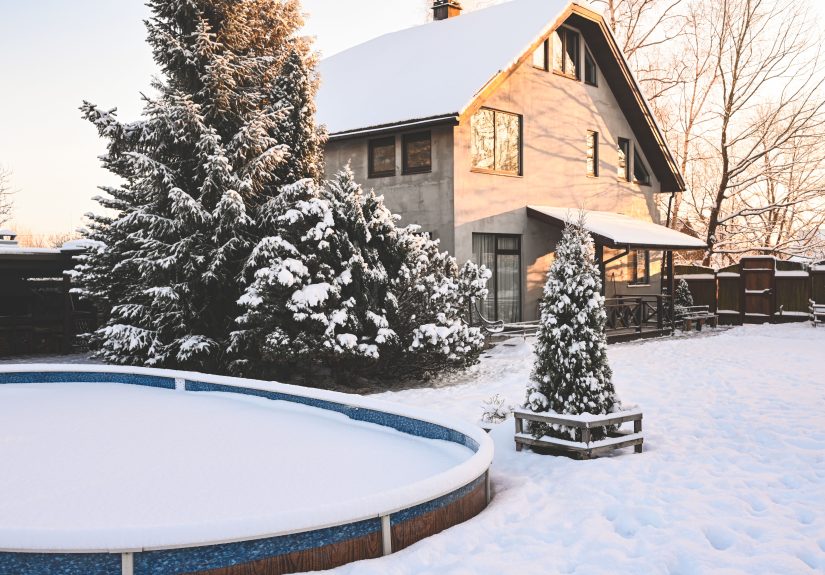
- Above-ground pools: similar steps, a few key differences
- Saltwater pools: don’t forget the salt cell
- Mild climates: you might be a “soft close” person
- Common winterizing mistakes (and how to dodge them)
- Winter check-ins: keep it boring (boring is good)
- Real-world experiences: what people learn the hard way (and laugh about later)
- Conclusion
Winterizing a pool is a lot like packing a suitcase: it’s not hard, but it’s easy to forget one tiny thing
that ruins your whole trip. Except the “trip” is spring opening, and the “tiny thing” is a cracked pipe,
a busted skimmer, or water that looks like it’s auditioning for a swamp documentary.
The good news: winterizing the right way is mostly about order of operations. Clean first. Balance second.
Shut down equipment third. Protect plumbing fourth. Cover last. Do that, and spring reopening becomes
“remove cover, smile” instead of “remove cover, question your life choices.”
When to winterize: timing is most of the battle
Close too early and you basically trap warm water under a coveraka “algae’s cozy winter cabin.”
Close too late and a surprise freeze can damage equipment and plumbing.
- Rule of thumb: start when water temperatures (and/or consistent outdoor temps) settle below about 65°F.
- Plan ahead: give yourself a weekend (or two half-days) so you’re not trying to blow out lines at dusk with a flashlight in your mouth.
- Watch the forecast: if a hard freeze is coming early, prioritize shutting down and draining equipment first, then finish the “pretty” stuff after.
Before you start: what you’ll want on hand
You don’t need a garage full of gadgets. You do need the right basics so you’re not improvising with duct tape
and optimism.
Core supplies
- Reliable water test kit or fresh test strips
- Pool brush, vacuum, and skimmer net
- Winterizing chemicals (or a closing kit sized for your pool)
- Submersible pump (helpful for lowering water and/or removing water from a solid cover)
- Winter cover or safety cover (plus hardware: anchors, springs, cable/winch, or water tubesdepending on style)
Freeze-climate plumbing protection
- Expansion plugs for returns (and sometimes for the skimmer)
- Skimmer protection (often a “gizmo” style device or skimmer guard)
- Blower/shop vac/air setup designed for clearing pool lines (if you’re DIYing line blowout)
- Pool antifreeze (only if appropriate for your setupnever automotive antifreeze)
Winterizing an in-ground pool: the right order, step by step
Step 1: Clean it like you want spring-you to be happy
Anything organic you leave behindleaves, bugs, pollen, that mysterious “pool confetti”becomes food for
stains and algae. Winterizing chemicals work best when they’re not fighting a compost pile.
- Skim, vacuum, and brush walls/floor.
- Empty skimmer baskets and pump basket.
- If you have a robot, run a full cycle, then still do a quick skim afterward (robots are great, but they don’t do “leaf rafting” politics).
Step 2: Balance the water so it can behave for months
Balanced water helps prevent corrosion, scaling, and stains while the pool sits covered. Different guides
give slightly different targets, but these “safe middle” ranges are widely used:
| Parameter | Common closing target range | Why it matters |
|---|---|---|
| pH | 7.2–7.6 (some guides allow up to ~7.8) | Too low can be corrosive; too high can encourage scale and cloudy water. |
| Total Alkalinity | 80–120 ppm | Buffers pH swings so your pool doesn’t spend winter mood-swinging. |
| Calcium Hardness | ~175–250 ppm (some surfaces target higher, e.g., 200–400 ppm) | Helps protect surfaces/equipment; balance depends on pool type and local water. |
| Free Chlorine | Typically 1–4 ppm before closing additions | You want sanitation without burning through (or neutralizing) other closing chemicals. |
Water-balance pro tip: Cold water changes how “aggressive” water can be. Many pros think in terms
of overall balance (often discussed via saturation index/LSI concepts) rather than only “range checking.”
If you’ve battled scaling, etching, or chalky dust in prior springs, this is your hint to focus on total balance,
not just one number.
Step 3: Add closing chemicals (without creating a backyard science fair)
Most closing routines include some combination of sanitizer boost, algae prevention, and sometimes stain/scale
prevention or phosphate control. If you buy a closing kit, follow the kit’s ordermanufacturers pick sequences
for a reason.
- Shock first (per label) to clear organics.
- Then algaecidebut not at the same time. Give it time to circulate between additions.
- Optional helpers: phosphate remover (if you’ve had algae issues), stain/scale preventer (if you have metals/hard water), and clarifier (if the water won’t polish up).
About winter algaecide: Many pool owners prefer a non-foaming “polyquat” style algaecide for closing
because it tends to play nicely over long downtime. (If you’ve had staining issues, be cautious with copper-based options.)
Step 4: Lower the water level (the cover decides the target)
This step is all about preventing freeze damage to skimmers/tiles/returns and making the cover work the way it’s designed.
But “how low” is not one-size-fits-all.
- Mesh safety cover: often around 12–18 inches below the skimmer.
- Solid cover: often around 3–6 inches below the skimmer (or slightly below the tile line for tiled pools).
- Vinyl liner or fiberglass: don’t over-drain. Many guides recommend keeping water relatively high and relying on proper line winterization instead.
If you’re unsure, let your cover’s manual win the argument. Covers are engineered systemsignore their rules and
they’ll punish you with sagging, ripping, or an anchor situation that turns into a spring patio repair.
Step 5: Winterize the plumbing (freeze climates only, but don’t guess)
This is the “expensive mistake prevention” step. Water expands when it freezes. Pipes and fittings do not
share that enthusiasm.
The goal: get water out of the lines, then keep it from creeping back in.
- Returns: clear the line, then plug the return(s) with expansion plugs.
- Skimmers: use a skimmer protection device (often called a gizmo/guard) and/or plug as appropriate for your setup.
- Main drain lines: many pools are winterized by creating an air lock (method varies by plumbing layout).
- If antifreeze is used: use non-toxic pool antifreeze only, and follow product directions for your plumbing length and layout.
Important reality check: line blowout is where DIY confidence sometimes exceeds DIY results.
If you’re not comfortable identifying your valves, line routing, and proper equipment use, hire a reputable pool pro
for this portion. You can still do all the cleaning, chemistry, and cover work yourself and save plenty.
Step 6: Drain and protect equipment (so it doesn’t crack in silence)
Even if you nail the plumbing, leftover water inside equipment can freeze and crack housings.
Drain everything that holds water and store what you can in a dry place.
- Pump: remove drain plugs, empty the strainer basket, and store drain plugs where you’ll actually find them later (many people put them in the pump basket).
- Filter:
- Sand filter: backwash/rinse, drain tank as directed, and set multiport to a winterize position (or between settings if instructed).
- Cartridge filter: remove cartridge, rinse thoroughly, let dry, and store indoors if possible.
- D.E. filter: drain and clean grids/fingers thoroughly; store indoors if you can.
- Heater: shut off power/fuel per manual, then drain completely.
- Chlorinator/salt system/chemical feeders: drain per manufacturer instructions and store components as recommended.
Step 7: Cover it correctly (tight, centered, and not “tenting”)
A cover’s job is simple: keep junk out and keep safety risks down. But it can’t do that if it’s loose, off-center,
or stretched into a dramatic rainwater hammock.
- Safety covers: anchored; excellent for safety and debris control.
- Mesh covers: less standing water maintenance, but some fine debris can get through.
- Solid covers: can keep water clearer, but you’ll need a way to remove water from the cover.
If you use water tubes/water bags, place them so the cover stays in place without pulling hard against coping edges.
Protect rough deck edges with foam or soft barrier material so the cover doesn’t slowly get chewed up all winter.
Above-ground pools: similar steps, a few key differences
Above-ground pools can winterize beautifully, but they’re more vulnerable to wall stress and liner damage if ice and
cover weight get out of hand.
A practical above-ground closing checklist
- Clean thoroughly: skim, vacuum, brush.
- Balance water: test and adjust before adding closing chemicals.
- Shock, then algaecide: circulate and follow label timing.
- Disconnect and drain hoses/lines: store in a dry place.
- Winterize pump/filter: backwash (if applicable), remove drain plugs, and store parts together.
- Remove accessories: ladders, toys, cleaners, anything metal that can stain.
- Use an air pillow (if recommended for your cover/climate): it helps reduce ice pressure and prevents a cover “bathtub.”
- Install and secure the cover: use the proper cable/winch or hardwareavoid sharp weights that can fall and puncture liners.
Saltwater pools: don’t forget the salt cell
Saltwater pools still need winterizing. One extra priority: the salt cell. Remove it, inspect it, and clean it
per manufacturer guidance if it has buildup. Store it indoors if recommended. The goal is to avoid corrosion,
scale, and cracked plastic housings from trapped water.
Mild climates: you might be a “soft close” person
If you live where freezing is rare, you may not need a full plumbing blowout. Many owners in warm regions simply:
keep water balanced, reduce runtime, clean regularly, and cover when convenient. Some even keep the pool running
all winter (especially if there are occasional warm swims).
If you do cover in a mild climate, it can still reduce debris and cut maintenancebut don’t abandon the water entirely.
A quick monthly check (when accessible) can prevent spring surprises.
Common winterizing mistakes (and how to dodge them)
1) Closing while the water is still warm
Warm water + a cover can mean algae. Waiting for cooler temps makes the whole closing chemistry strategy more effective.
2) Putting a cover on a dirty pool
Leaves and gunk don’t magically become polite over winter. They stain, cloud, and feed growth. Clean now, relax later.
3) Adding shock and algaecide together
Many manufacturers explicitly warn against combining them at the same time. Sequence matterscirculation time matters.
4) Over-draining vinyl liner or fiberglass pools
Draining too low can risk liner shifting/wrinkling or structural issues. When in doubt, keep water higher and focus on proper line winterization.
5) Forgetting the “small parts”
Drain plugs, pressure gauges, baskets, return fittingsthese are the socks of pool winterizing. Lose them now and spring becomes a scavenger hunt.
Winter check-ins: keep it boring (boring is good)
- After storms, remove branches/leaves from the cover.
- For solid covers, keep water from pooling excessively on top.
- Make sure anchors/straps/cables are secure and not rubbing sharp edges.
- If your pool remains accessible, occasional chemistry checks can help prevent nasty openings.
Real-world experiences: what people learn the hard way (and laugh about later)
Winterizing advice sounds neat on paper, but real pools come with real yards, real trees, and real “how is that even possible?”
moments. Here are a few experience-based lessons that show why the boring details are actually the secret sauce.
The Leaf Lasagna Incident
One of the most common spring-opening horror stories starts in autumn with a totally reasonable thought:
“The pool looks mostly clean.” Mostly clean is how you end up with layered organic goo under the coverleaves on top,
fine debris underneath, and a stain footprint that doesn’t care how charming you are.
The fix isn’t dramatic: skim until you think you’re done, then skim one more time. Brush walls and steps.
Vacuum with intention (like you’re trying to impress a picky in-law). The logic is simple: closing chemicals are meant to
maintain water, not perform miracles on a compost buffet. When owners go into winter with truly clean water, the spring opening
is often shockingly easysometimes the pool is merely cloudy instead of green, and that’s a whole different emotional experience.
The Case of the Missing Drain Plug
Pool equipment has a special talent for hiding small parts in places only future-you can’t find. Drain plugs are famous for this.
People remove them, set them down “temporarily,” and thenpoofspring arrives and the plug is apparently living a new life in another dimension.
The best habit is to store drain plugs in a consistent spot immediately. Many pool owners stash them in the pump basket
(or tape them inside the pump lid) so they are physically attached to the equipment they belong to. This tiny ritual prevents
a surprisingly common spring delay: a gorgeous first warm weekend wasted because the system can’t prime without a $6 plug.
The Cover That Tried to Become a Hang Glider
Wind does not negotiate. If a cover isn’t centered, secured, and protected from sharp edges, winter weather will eventually find the weak spot.
Sometimes it’s a loose cable. Sometimes it’s a water tube that migrated. Sometimes it’s “tenting,” where the cover is pulled tight in a way that
encourages water to collect and stress the material. Add one heavy rain or wet snow and the cover starts acting like a trampoline designed by a villain.
The real lesson: a cover should sit flat and calm, not stretched and dramatic. Protect rough coping/deck edges, keep the cover centered,
and secure it with the method designed for that cover style. Spring-you will not miss the “surprise cover repair” line item.
The Skimmer Crack Surprise
Skimmers are one of the most vulnerable spots in freezing climates because they’re where water, plastic, and ice pressure can all meet.
When a pool is closed without proper skimmer protectionespecially if water is allowed to rise and freeze inside that chambercracks can happen.
And skimmer repairs are rarely the fun kind of DIY.
Owners who consistently protect skimmers (with the correct device for their setup) and prevent water from getting trapped in lines
tend to avoid these headaches. It’s not glamorous, but winterizing is mostly “unglamorous steps that prevent expensive noises.”
The “My Water Was Balanced… I Think?” Spring Mystery
Sometimes a pool opens with weird dust, scaling, or surface dullness even when basic test numbers were “in range” at closing.
That’s where the broader idea of water balance (including how cold temperatures shift water behavior) becomes relevant.
People who’ve been burned by recurring winter dust or scaling often start paying attention to overall balance strategies,
not just a single pH reading on closing day.
The takeaway: ranges matter, but context matters toosurface type, hardness, and what winter temperatures do to water chemistry.
If you’ve had repeated spring issues, treat winterizing as a system: clean water + balanced water + protected plumbing + properly drained equipment + secure cover.
That combination is what turns winter from a threat into a boring pause button. And boring is the dream.
Conclusion
Winterizing a pool the right way isn’t about doing everythingit’s about doing the important things in the right order.
Clean thoroughly, balance the water, add closing chemicals correctly, protect plumbing where freezes happen, drain equipment completely,
and install a cover that’s secure and not under weird stress.
If you only remember one thing, make it this: the best pool closings are the ones you barely notice in spring. Your reward is a quick opening,
fewer repairs, and the smug satisfaction of knowing you outsmarted winter. Politely. With a test kit.






 Close
Close