
Table of Contents >> Show >> Hide
- What a Sentencing Letter Is Supposed to Do
- First Things First: Do Not Skip the Process
- Who Might Write a Letter Before Sentencing?
- How to Structure the Letter
- What to Include If You Are Writing in Support of the Defendant
- What to Include If You Are Writing as a Victim
- Common Mistakes That Hurt a Sentencing Letter
- A Simple Sample Framework
- How Long Should the Letter Be?
- Experiences People Commonly Have When Writing to a Judge Before Sentencing
- Final Thoughts
- SEO Tags
This article is for general informational purposes and should not replace advice from a licensed attorney in the relevant jurisdiction.
Writing a letter to a judge before sentencing is one of those tasks that sounds simple until you sit down, stare at the blinking cursor, and realize you are trying to fit a whole human being, a painful event, or a complicated life story into one clean, respectful document. No pressure, right?
Still, a well-written sentencing letter can matter. Judges are used to reading facts, reports, statutes, recommendations, and arguments. A thoughtful letter adds something different: context. It can show character, accountability, impact, support, change, or harm in a way that feels real rather than robotic. In plain English, it helps the court see the person and the consequences, not just the case caption.
If you want to know how to write a letter to a judge before sentencing, the best approach is not dramatic, theatrical, or packed with legal buzzwords. It is respectful, truthful, specific, and organized. Whether the letter comes from a defendant, a family member, an employer, a clergy member, or a victim, the same core rule applies: say something meaningful, say it clearly, and say it through the proper channel.
What a Sentencing Letter Is Supposed to Do
A sentencing letter is not a movie monologue. It is not a place to put on a cape and argue as though you are suddenly lead counsel on a courtroom drama. Its purpose is narrower and more useful.
Before sentencing, a judge may receive information from several directions. A letter can help by doing one or more of the following:
- explaining who the writer is and why their perspective matters,
- describing the defendant’s character beyond the offense,
- showing remorse, accountability, or rehabilitation,
- explaining the real-world impact of the crime on a victim or family,
- providing concrete examples instead of empty praise, and
- helping the court understand the support system or risks that exist after sentencing.
That last point matters more than many people realize. A judge is not only looking backward at what happened. The court is also looking forward. Is there family support? Is there stable employment? Has treatment begun? Has the harm been acknowledged? Is the writer credible? A strong letter quietly answers those questions.
First Things First: Do Not Skip the Process
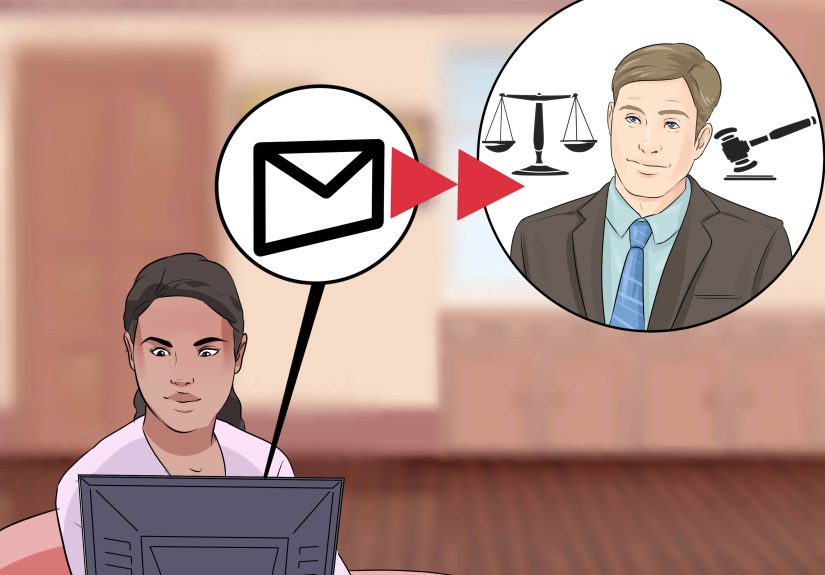
Before writing a single sentence, make sure the letter is going through the correct route. This is one of the biggest mistakes people make. They think, “I’ll just send this straight to the judge so it gets there faster.” That instinct is understandable, but it can create problems.
In many courts, letters connected to sentencing are submitted through the defense attorney, prosecutor, victim advocate, probation officer, presentence investigator, or another approved process. Some courts allow letters to be filed with sentencing materials. Some victim statements are included in a presentence report. Some judges have individual practices that control timing and delivery. Translation: this is not a freestyle event.
So before you write, ask one practical question: Who should receive this letter first? For a support letter on behalf of the defendant, that often means defense counsel. For a victim impact letter, it often means the prosecutor’s office, victim advocate, or another official contact in the case. For a defendant’s own written statement, counsel should usually review it before anything is submitted.
That one step can save you from writing a beautiful letter that ends up in procedural limbo.
Who Might Write a Letter Before Sentencing?
The Defendant
A defendant may want to submit a personal statement or letter before sentencing, often in coordination with counsel. The tone here should be careful, honest, and accountable. This is not the place to re-try the case, blame everyone else, or deliver a masterpiece of selective memory. A strong defendant letter usually focuses on accepting responsibility, describing genuine change, acknowledging harm, and outlining concrete steps toward rehabilitation.
Family Members and Friends
These letters usually work best when they are specific. “He is a good guy” is nice, but it is the legal equivalent of plain toast. Better is: “I have known him for 12 years, I watched him care for his grandmother every weekend, and since this case began he has maintained treatment, held a job, and supported his children.” Detail gives credibility.
Employers, Teachers, Coaches, Clergy, and Community Members
These writers can be especially persuasive because they often sound more neutral. They can speak to work ethic, reliability, leadership, service, or progress. Again, examples matter. A judge is more likely to remember a real story than a paragraph of generic applause.
Victims
A victim letter usually has a different purpose. Instead of speaking to the defendant’s character, it describes the impact of the crime. That can include emotional harm, financial loss, physical injury, disrupted routines, family consequences, fear, and views about the sentence. Victim letters are often deeply personal, and they should stay focused on impact rather than becoming a side trial full of new accusations or insults.
How to Structure the Letter
If you are wondering how to write a letter to a judge before sentencing in a way that looks polished and professional, use a simple business-letter structure. Fancy formatting is unnecessary. Clean and clear wins.
1. Use a Proper Greeting
Start with a respectful salutation such as:
Dear Judge [Last Name]:
Keep it formal. This is not the moment for “Hey Judge” or “To Whom It May Concern,” unless you truly do not know the assigned judge and have been told to use a more general format.
2. Introduce Yourself
In the opening paragraph, explain who you are, what you do if relevant, and how you know the defendant or why you are involved in the case. The court needs context right away.
Example:
My name is Laura Bennett, and I have been Michael’s supervisor at Eastview Logistics for the past four years. I am writing to share what I have observed about his character, work ethic, and efforts to rebuild his life since this case began.
3. State the Purpose of the Letter
Be direct. You are writing in support of the defendant, to provide relevant personal information, or to describe how the crime has affected you. Do not make the judge hunt for the point like it is a legal scavenger hunt.
4. Provide Specific Facts and Examples
This is the heart of the letter. Include a few concrete examples that support your point. Good letters describe what the writer has personally seen, heard, or experienced. They do not rely on gossip, speculation, or mythology.
Strong examples might include:
- consistent caregiving for family members,
- steady work history or responsible performance,
- community service or volunteering,
- treatment participation, sobriety efforts, or counseling,
- behavior changes after the offense, and
- the actual emotional, physical, or financial impact of the crime.
5. Keep the Tone Respectful
A sentencing letter should sound human, but it should also sound mature. You can be emotional without being reckless. You can be compassionate without sounding manipulative. And you can ask for mercy without acting like the court’s job is rude and unnecessary.
6. End Clearly
Close by thanking the judge for reviewing the letter. If appropriate, briefly restate the main point. Then sign and date it.
Example:
Thank you for taking the time to consider my perspective. I respectfully ask the Court to consider these facts when determining an appropriate sentence.
What to Include If You Are Writing in Support of the Defendant
A good support letter usually covers five things:
- Your relationship to the defendant. Say how long you have known the person and in what capacity.
- Your personal observations. Share what you have actually seen, not rumors or wishful thinking.
- Positive traits backed by examples. Reliability, kindness, responsibility, and growth are stronger when illustrated by real events.
- Evidence of change or accountability. Treatment, counseling, employment, education, parenting, restitution efforts, or consistent sobriety can all matter.
- Future support. Mention housing, transportation, job opportunities, counseling support, or family structure if you are personally involved in providing it.
One smart move is to avoid making absolute claims. Saying, “He would never hurt anyone” can age badly in about five seconds if the record suggests otherwise. Better: “The conduct in this case does not reflect the caring and dependable behavior I have seen from him over many years.” That sounds honest, not blindly defensive.
What to Include If You Are Writing as a Victim
If you are writing as a victim, your focus is different. The goal is to explain the impact of the crime and what you want the court to understand before sentencing.
You may want to discuss:
- how the offense affected your daily life,
- emotional or psychological harm,
- physical injuries or medical treatment,
- financial losses,
- changes to work, school, sleep, or family life,
- ongoing fear or safety concerns, and
- your views about restitution, supervision, treatment, or the sentence.
Be specific. “I still feel anxious” is true, but “I have not returned to my evening job shift since the offense, and I now need my sister to drive me to appointments” gives the court a clearer picture. Specific details are not dramatic fluff. They are evidence of impact.
Also keep in mind that victim statements are often shared with the defense or included in court materials. That is another reason to write carefully, truthfully, and with the assumption that multiple people will read it.
Common Mistakes That Hurt a Sentencing Letter
Even sincere letters can lose power if they wander into avoidable mistakes. Here are the most common ones:
Being Too Vague
If every sentence could apply to half the people on earth, the letter is too general. Judges do not need another paragraph saying someone is “nice, caring, and respectful.” They need examples.
Minimizing the Conduct
This is a big one. A letter that suggests the offense was no big deal can backfire. Support does not require denial. In fact, letters are usually stronger when they acknowledge seriousness and still explain why mercy, context, or rehabilitation should matter.
Attacking the Victim, Prosecutor, or Court
This is almost never helpful. Judges are not handing out extra credit for outrage. Keep the focus on the relevant facts, not personal attacks.
Adding New Evidence Casually
A letter is not the place to casually drop unverified claims, disputed facts, or dramatic revelations. If something is legally important, it should go through counsel.
Overwriting
Long does not always mean persuasive. Clear beats grand. A focused one- or two-page letter often works better than a six-page emotional avalanche with no structure.
Forgetting Basic Details
Include the defendant’s name, the case information if instructed, your signature, and the date. Proofread. Typos do not destroy a letter, but a sloppy presentation can distract from the message.
A Simple Sample Framework
Here is a practical outline you can adapt:
Paragraph 1: Who you are and how you know the defendant or why you are writing.
Paragraph 2: The purpose of the letter.
Paragraph 3: Two or three specific examples that support your perspective.
Paragraph 4: Any relevant information about accountability, support, rehabilitation, or impact.
Paragraph 5: A brief respectful closing and thanks to the court.
That is it. No confetti. No fake legal Latin. No ending with “I rest my case” unless you want your own family to roast you forever.
How Long Should the Letter Be?
For most support letters, one to two pages is a practical range. Victim impact letters may be longer if needed, especially when the harm is extensive, but focus still matters. Judges read a lot. A shorter letter with real substance often lands better than a longer one padded with repetition.
As a general rule, include what matters, cut what does not, and leave out anything you cannot stand behind as true.
Experiences People Commonly Have When Writing to a Judge Before Sentencing
One reason this topic is so emotionally charged is that people rarely write these letters during calm, ordinary weeks. They write them when a family is stressed, a victim is hurting, or a defendant is confronting consequences that suddenly make every decision feel heavy. That emotional reality shapes the writing process more than most guides admit.
Many family members start out angry, frightened, and unsure what to say. They want to protect someone they love, but they also know the court will not be persuaded by a letter that sounds like pure denial. The first draft often reads like a rescue mission. Then, after speaking with counsel or reflecting for a day, the tone shifts. The better version usually becomes more grounded: less “this should never have happened,” more “this is who he has been in our family, this is what has changed, and this is how we will support him moving forward.” That change in tone often makes the letter much stronger.
Employers and mentors often have a different experience. They worry about saying either too much or too little. Some are afraid that if they admit the conduct was serious, they will hurt the defendant. Others fear that offering support will look naïve. In practice, the most effective letters from supervisors and community leaders often strike a balanced tone. They acknowledge the seriousness of the situation, then explain why they still believe the person has redeeming qualities, structure, and a real chance to do better. Judges tend to recognize that kind of measured credibility.
Victims often describe the writing process as unexpectedly difficult, even when they know exactly how the crime affected them. The hard part is not always the facts. It is choosing which consequences to put on paper. Some focus on medical bills and missed work. Others focus on sleep, fear, family tension, or the way daily life changed in quiet ways that outsiders cannot easily see. Many find that writing the letter helps organize what the harm actually looked like over time. It becomes more than a document. It becomes a record of impact.
Defendants who help prepare their own statements often face the toughest emotional challenge of all: sounding remorseful without sounding scripted. Readers can usually tell when a statement feels borrowed, polished by committee, or stuffed with performative regret. The more effective statements tend to use plain language, acknowledge harm directly, and describe specific efforts at change rather than promising a magical transformation by next Tuesday.
Across all of these experiences, one lesson shows up again and again: the strongest sentencing letters do not try to sound perfect. They try to sound honest. They do not chase drama. They offer perspective. They do not pretend the court has no work to do. They help the court do that work more intelligently.
Final Thoughts
If you want to know how to write a letter to a judge before sentencing, remember this: the best letters are respectful, fact-based, and deeply specific. They do not try to bully the court, flatter the judge, or erase what happened. They help the judge understand character, accountability, support, and impact in a practical human way.
So keep your tone professional. Follow the court-approved process. Use real examples. Tell the truth. Proofread like you care, because you do. And remember that in a legal system full of forms, filings, and formalities, a clear and honest letter can still carry real weight.






 Close
Close