
Table of Contents >> Show >> Hide
- What a hydrogen breath test actually measures (and why your breath can “snitch”)
- Uses: What conditions can a hydrogen breath test help diagnose?
- 1) Lactose intolerance (aka “why milk hates me”)
- 2) Fructose malabsorption (fruit is innocent, but complicated)
- 3) SIBO (small intestinal bacterial overgrowth)
- 4) IMO (intestinal methanogen overgrowth) and methane-associated symptoms
- 5) IBS symptom workups (breath tests don’t diagnose IBSbut they can find “look-alikes”)
- Who should consider it (and who should postpone it)
- How to prepare (this part is boringuntil it ruins your results)
- What happens during the test
- Results: How to read the numbers (without turning into a spreadsheet goblin)
- Accuracy and limitations (a.k.a. why GI doctors occasionally sigh)
- Hydrogen breath test cost in the U.S. (and why it varies so much)
- After the test: What happens next?
- Risks and side effects
- FAQ
- Real-life experience: What it’s actually like (plus tips you’ll thank yourself for later)
- The prep day feels like you’re auditioning for a bland food documentary
- Test morning: You’ll learn what “fasting” does to your personality
- Breathing into bags/tubes: not hard, just repetitive (like flossing)
- The sugar drink: sweet, simple, and occasionally a plot twist
- The emotional arc: from “this is silly” to “wow, this is useful”
- What patients often wish they knew ahead of time
- Conclusion
Your gut is basically a tiny chemistry factory with opinions. And when it disagrees with what you ate, it has a
surprisingly dramatic way of telling on you: it leaks clues into your breath.
A hydrogen breath test is one of the simplest, most noninvasive ways clinicians investigate common
digestive mysteries like lactose intolerance, fructose malabsorption, and
SIBO (small intestinal bacterial overgrowth). No needles. No scopes. Just a series of breath
samples and a special sugar drink that may or may not turn your abdomen into a balloon animal.
Below is a practical, in-depth guide to what the test is used for, what it costs in the U.S., how results are
interpreted, and what real life feels like when you’re the one dutifully blowing into a bag every 15 minutes.
What a hydrogen breath test actually measures (and why your breath can “snitch”)
The short version
Humans don’t naturally produce much hydrogen gas. But certain gut microbes doespecially when they get a buffet of
undigested sugars. The hydrogen (and often methane) they produce can pass into your bloodstream, travel to your
lungs, and exit through your breath. A breath analyzer can measure those gases over time.
The slightly nerdier version (still friendly)
When you can’t properly digest or absorb a carbohydratelike lactose (in dairy) or fructose (in some fruits and
sweeteners)that sugar moves along to where bacteria happily ferment it. Fermentation produces gases, including
hydrogen. The test tracks how much your breath hydrogen rises after you drink a specific “challenge” sugar.
For SIBO, the logic is similar, but the suspected “party location” is different. In a typical setup,
bacteria in the colon ferment sugars later in the timeline. If gas rises unusually early, it can suggest too many
microbes are hanging out in the small intestine where they don’t belong.
Hydrogen vs methane vs hydrogen sulfide (the “gas cast”)
Many modern breath tests measure hydrogen (H2) and methane (CH4).
Methane matters because some people are “methane producers,” and methane is often associated with constipation patterns.
There’s also growing interest in adding hydrogen sulfide (the “rotten egg” gas) to certain test panels,
though availability varies by lab and clinic.
Uses: What conditions can a hydrogen breath test help diagnose?
1) Lactose intolerance (aka “why milk hates me”)
If you’re missing enough lactasethe enzyme that breaks down lactoselactose can be fermented by bacteria, producing extra
gas. A lactose hydrogen breath test measures that rise after you drink a lactose solution. It’s commonly used
because it’s noninvasive and can provide clear supportive evidence.
Real-world example: You can eat pizza, but you pay for it later with cramps and urgent sprinting. A positive breath test can
support lactose malabsorption as a contributorso your plan becomes more strategic than “hope for the best.”
2) Fructose malabsorption (fruit is innocent, but complicated)
Some people don’t absorb fructose efficiently, especially in large doses or when paired with certain other sugars. A
fructose breath test can help connect symptoms like bloating, gas, and diarrhea to fructose malabsorption.
This can matter if your symptoms flare after things like apples, mango, fruit juice, honey, or foods sweetened with high-fructose
corn syrup (your mileage may varyyour intestines are not a standard-size hoodie).
3) SIBO (small intestinal bacterial overgrowth)
SIBO is a condition where excessive bacteria colonize the small intestine, potentially contributing to bloating, abdominal
discomfort, diarrhea, or mixed bowel habits. Breath tests using substrates like glucose or lactulose
are commonly used as a noninvasive way to support or challenge the diagnosis.
4) IMO (intestinal methanogen overgrowth) and methane-associated symptoms
Methane isn’t produced by bacteriait’s produced by methanogens (archaea). When methane is elevated on a breath test, clinicians
may consider IMO, which is often discussed in the context of constipation-predominant symptoms. This can shape treatment choices.
5) IBS symptom workups (breath tests don’t diagnose IBSbut they can find “look-alikes”)
IBS is diagnosed based on symptom patterns and exclusion of other conditions. Breath testing can be useful when symptoms overlap
with lactose intolerance, fructose malabsorption, SIBO, or methane-predominant patternsconditions that can mimic or coexist with IBS.
Who should consider it (and who should postpone it)
A hydrogen breath test may be considered if you have recurring bloating, gas, abdominal discomfort, diarrhea, constipation,
or symptoms linked to specific foodsespecially when basic strategies haven’t clarified the pattern.
You may need to delay testing if you recently took antibiotics, had a colonoscopy/colon prep, used certain laxatives,
or have an acute GI infection. These can temporarily alter your gut flora and distort results. Your clinician or testing center will
give specific prep rulesfollow them like they’re the last recipe on Earth.
How to prepare (this part is boringuntil it ruins your results)
Breath testing is easy to “do,” but surprisingly easy to do wrong. Preparation helps prevent false positives/negatives.
Instructions vary by clinic and test type, but commonly include the following themes:
The day before
- Eat a simple, low-fermentation diet (often low fiber / low residue). Many protocols avoid beans, whole grains, and certain vegetables.
- Avoid alcohol and anything that tends to linger in the digestive tract.
- Ask about probiotics and fiber supplements; some protocols stop them temporarily.
Night before / test morning
- Fast (commonly 12 hours). Water may or may not be allowed depending on the centerfollow your exact instructions.
- No smoking, vaping, gum, or mints (these can affect breath readings and gut activity).
- Avoid vigorous exercise before and during the test (your gut and lungs don’t need extra drama).
- Brush teeth if instructed, but avoid swallowing toothpaste or rinsing aggressively unless allowed.
- Medications: many centers allow essential prescription meds with small sips of water, but you should confirm specifics.
The bottom line: the best breath test is the one you prepared for correctly. The second-best breath test is the one your
clinician can interpret while knowing exactly what prep did (or didn’t) happen.
What happens during the test
Step 1: Baseline breath sample
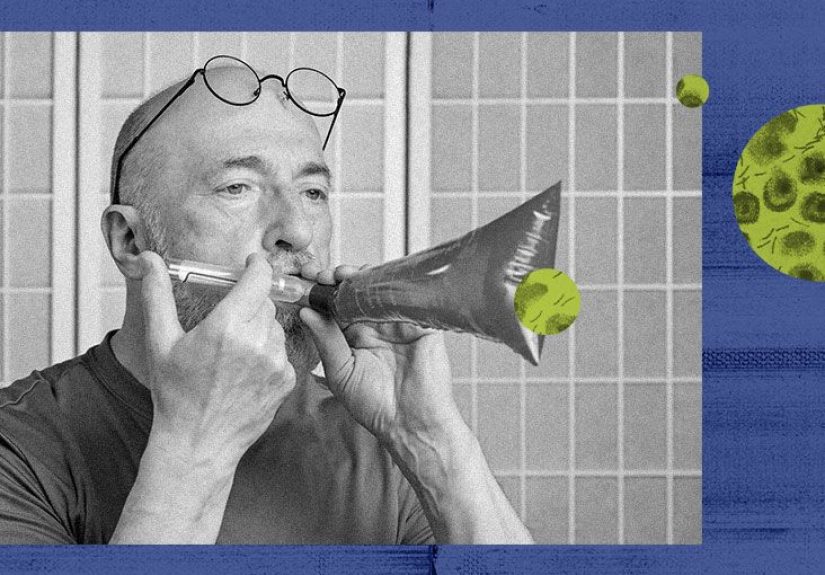
You’ll provide a baseline sample by exhaling into a collection bag or tube. If baseline gas levels are already high,
the staff may ask questions about prep or reschedule (no one wants a “we tested yesterday’s garlic” situation).
Step 2: The sugar drink
Then you drink a measured dose of a specific carbohydrate substrate, depending on what’s being tested:
lactose for lactose intolerance, fructose for fructose malabsorption, and
glucose or lactulose for SIBO/IMO-style testing. The drink is usually sweet and not exactly “craft mocktail of the year,”
but it’s manageable.
Step 3: Repeat breath samples (the “groundhog day” portion)
Every 15–30 minutes (varies by protocol), you’ll provide another breath sample. Total testing time is commonly
around 2–3 hours for many protocols, and sometimes longer depending on the target condition and lab method.
You’ll typically stay seated, avoid eating, and avoid sleeping during the test.
What you might feel
If the sugar you drank is a problem for your gut, symptoms can show up during the testbloating, gas, cramping,
and sometimes diarrhea. That’s unpleasant, but it can also be diagnostically useful when paired with the gas curve.
Results: How to read the numbers (without turning into a spreadsheet goblin)
Breath test interpretation depends on the substrate, the timing, and whether hydrogen, methane, and/or other gases are measured.
Different labs and clinicians may have slightly different cutoffs. Still, there are widely used consensus-style reference points.
For lactose or fructose malabsorption
Many protocols consider a test supportive of malabsorption when breath hydrogen rises by about
20 parts per million (ppm) or more above baseline after ingesting the sugar, especially when symptoms line up.
Some labs also factor methane rise or use combined criteria.
For SIBO (glucose or lactulose breath testing)
A commonly used approach considers SIBO more likely when hydrogen rises by about 20 ppm or more within the first 90 minutes
after ingesting the substrate. The “90-minute” idea is tied to typical transit time: early fermentation suggests microbes are fermenting
sooner than expected.
For methane and IMO patterns
A widely used benchmark flags methane positivity when methane reaches around 10 ppm or higher at any point during the test.
Clinicians may interpret this in the context of constipation-predominant symptoms and overall gas patterns.
“Positive” doesn’t always mean “the whole story”
Breath testing is best viewed as one piece of a puzzle. A positive result supports a diagnosisit doesn’t automatically prove
it’s the sole cause of symptoms. Likewise, a negative test doesn’t magically erase your symptoms; it just nudges your clinician
toward other explanations.
Accuracy and limitations (a.k.a. why GI doctors occasionally sigh)
Timing depends on transit
Breath testing assumes a “typical” pace for the substrate moving through your gut. If your transit is unusually fast or slow,
that can blur the line between small-intestine fermentation and colon fermentation. This is one reason clinicians interpret results
alongside symptoms, risk factors, and sometimes other tests.
Not everyone produces hydrogen the same way
Some people produce more methane, some more hydrogen, and some may have microbes that convert hydrogen into other gases. That’s why
measuring methane can matterand why expanded panels (where available) may be useful in select cases.
False positives and false negatives can happen
Recent antibiotics, inconsistent prep, certain medications, or baseline diet can all influence readings. Also, if you have suspected
carbohydrate malabsorption but also have SIBO, the test may look “more positive” because bacteria are fermenting earlierso clinicians
may consider ruling out SIBO first when the clinical picture calls for it.
What’s the “gold standard” for SIBO?
Small-bowel aspirate sampling (obtaining a fluid sample during endoscopy and culturing it) has been used as a reference method, but it’s invasive
and has its own limitations. Breath testing remains popular because it’s safer, easier, and repeatablejust not perfect.
Hydrogen breath test cost in the U.S. (and why it varies so much)
Here’s the honest answer: the cost of a hydrogen breath test in the United States ranges widely depending on where it’s performed,
what gases are measured, whether it’s in-clinic or at-home, and how your insurance handles diagnostic testing.
Common cost buckets you’ll see
- Hospital/clinic-based testing: Often billed as a diagnostic procedure plus interpretation. Out-of-pocket costs can vary from
“reasonable copay” to “why is my mailbox full of bills?” depending on your plan and deductible. - At-home kits: Commonly marketed in the mid-hundreds range, sometimes higher if bundled with clinician review or multi-gas panels.
What changes the price
- Substrate and duration: A longer, multi-sample test can cost more than a shorter protocol.
- Gases measured: Hydrogen-only vs hydrogen + methane (and sometimes additional gases).
- Lab fees vs professional fees: It’s normal to see separate charges for the kit/lab and the clinician interpretation.
- Insurance rules: Coverage may depend on medical necessity documentation, network status, and whether the lab is in-network.
How to avoid surprise charges
If cost matters (it does), call ahead and ask for:
estimated cash price, expected billing codes, and whether the lab is in-network.
This is not overthinking. This is you doing financial self-care.
After the test: What happens next?
If it suggests lactose intolerance
Management often focuses on reducing lactose load rather than “never seeing dairy again.” Many people can tolerate small amounts,
hard cheeses, or lactose-free dairy. Lactase enzyme supplements may help. The goal is symptom control and adequate nutrition.
If it suggests fructose malabsorption
Diet changes can be targetedoften guided by a dietitianso you don’t unnecessarily restrict everything you’ve ever loved.
Some people benefit from a structured approach such as a low-FODMAP trial, then careful reintroduction to identify personal thresholds.
If it suggests SIBO or IMO patterns
Treatment may involve antibiotics (commonly rifaximin-based regimens for certain patterns), sometimes combined approaches for methane-predominant cases,
and addressing underlying contributors (motility issues, anatomical factors, medication effects). Your clinician may also evaluate for conditions that
can mimic SIBO symptoms.
If it’s negative but you still feel awful
A negative breath test can be useful: it redirects the search. Depending on symptoms, clinicians may consider celiac disease screening,
inflammatory markers, pancreatic insufficiency evaluation, bile acid malabsorption, thyroid issues, medication side effects, or other GI conditions.
The point is: “negative” is not a dead endit’s a signpost.
Risks and side effects
The hydrogen breath test is generally safe. The main downside is that the sugar drink can trigger symptomsbloating, gas, cramping, and diarrhea
especially if the test is diagnosing exactly the thing you suspect. Serious complications are uncommon.
FAQ
Is this the same as the urea breath test for H. pylori?
Nope. The urea breath test is typically used to detect H. pylori infection in the stomach using labeled urea.
The hydrogen breath test focuses on carbohydrate fermentation and gases like hydrogen and methane.
Different test, different science, different “please don’t eat beforehand” speech.
Can I do it at home?
Sometimes, yes. Many kits allow home sampling with mailed-in tubes. The trade-off is that prep and timing are fully on youso organization matters.
If you’re the type who sets three alarms to take vitamins, you’ll do great. If you routinely forget your own birthday, consider in-clinic testing.
How long does it take to get results?
In-clinic analyzers can sometimes produce same-day results, while mailed kits often take days to a couple of weeks depending on shipping and lab turnaround.
Your clinic can tell you what’s typical for their setup.
Will it diagnose IBS?
No. IBS is diagnosed clinically. Breath tests can help identify conditions that can mimic or contribute to IBS-like symptoms, which can be very useful
but they’re not an IBS stamp.
Real-life experience: What it’s actually like (plus tips you’ll thank yourself for later)
Let’s talk about the part no one puts on a brochure: the human experience of doing a hydrogen breath test. Not the medical bullet pointsthe lived reality,
from “prep day” to “I have now exhaled into a bag 12 times and feel weirdly accomplished.”
The prep day feels like you’re auditioning for a bland food documentary
Many prep plans steer you toward low-fiber, easy-to-digest foods. Translation: fewer beans, whole grains, and anything that normally makes your gut
do interpretive dance. People often describe the day-before diet as “strangely quiet” in the digestive departmentwhich is exactly the point.
The goal is to keep baseline fermentation low so the test can detect what happens after the challenge sugar.
Tip: Decide your prep meals ahead of time. The worst moment to improvise is when you’re hungry and standing in front of the fridge negotiating with salsa.
Also, check the rules about coffee, gum, and mints. Yes, mints. Apparently even your breath freshener wants to participate in the data.
Test morning: You’ll learn what “fasting” does to your personality
Arrive early, bring your paperwork, and accept that you may be slightly cranky. This is normal. Hunger turns perfectly kind adults into
people who silently judge a chair for being too chair-like. Bring water only if allowed, and confirm whether you can take morning meds.
Tip: Wear comfortable clothes. If your belly reacts during the test, tight waistbands become personal enemies very quickly.
Breathing into bags/tubes: not hard, just repetitive (like flossing)
The breathing part is easy. The patience part is harder. You’ll exhale into a device at set intervals, and you’ll have a lot of downtime.
Bring something to do that doesn’t involve snackingbook, podcasts, a show with subtitles, or a friend who doesn’t mind you periodically pausing
to do your “official breathing appointment.”
Tip: Set a timer even if the staff sets one. It reduces the mental load of wondering, “Was that 15 minutes or have I entered a time vortex?”
The sugar drink: sweet, simple, and occasionally a plot twist
Most people can handle the drink itself. The fun begins laterespecially if you’re lactose intolerant and you just drank lactose on purpose.
Symptoms can range from mild gurgling to “I wish I had worn those looser pants.” Try not to panic: symptom onset during the test is common and expected.
Clinicians often interpret symptoms alongside the gas readings.
Tip: Ask where the restroom is before you need it. This is not negativity; it’s strategy.
The emotional arc: from “this is silly” to “wow, this is useful”
Many people start the test feeling skepticalbecause, yes, blowing into bags for hours sounds like a prank. But there’s something reassuring about
getting objective data, especially when symptoms have been vague or dismissed. Even if the test is negative, it can help narrow the field and make
next steps more targeted.
Tip: After the test, eat gently unless your clinician advises otherwise. You’ve been fasting, you might be symptomatic, and your gut has been through
an oddly scientific morning. Think “easy re-entry,” not “celebratory deep-fried buffet.”
What patients often wish they knew ahead of time
- Prep matters more than people expect. The best test is the one that answers a question reliably.
- Symptoms during the test are data, not failure. You’re not “doing it wrong” if your belly complains.
- Interpretation is nuanced. Don’t self-diagnose from a single numbertalk through the curve with your clinician.
- Diet changes should be targeted. If you end up restricting foods, do it with a plan (and ideally support) so nutrition doesn’t suffer.
Conclusion
A hydrogen breath test is a low-drama (high-utility) tool for investigating lactose intolerance, fructose malabsorption, and microbial overgrowth patterns
like SIBO/IMO. It works by tracking gases produced when microbes ferment sugarsand those gases can show up in your breath in a timed pattern.
Prep and interpretation matter, costs vary, and results are most powerful when combined with symptoms and clinical context.
If you’re stuck in a loop of “my stomach is mad but I can’t prove why,” this test can be a smart next stepespecially when guided by a clinician who can
translate the squiggly lines into an actual plan.






 Close
Close