
Table of Contents >> Show >> Hide
- What Is Intermittent Claudication?
- Why It Happens: The Link to Peripheral Artery Disease
- Symptoms: What Intermittent Claudication Feels Like
- Intermittent Claudication vs. Neurogenic Claudication (A Common Look-Alike)
- Diagnosis: How Clinicians Confirm the Cause
- Treatment: What Actually Helps (and Why)
- What to Expect: Prognosis and Long-Term Outlook
- Prevention Tips (Even If You’re Not Diagnosed)
- Conclusion
- Experiences: What Living With Intermittent Claudication Can Be Like (and What Often Helps)
Ever gone for a walk and had your calf suddenly act like it’s negotiating a better contractcramping, aching, and demanding a break?
If that pain predictably shows up with activity and eases after a few minutes of rest, it may be intermittent claudication.
(Translation: your leg muscles are temporarily not getting enough oxygen-rich blood when they’re working harder.)
Intermittent claudication is most commonly a symptom of peripheral artery disease (PAD), which happens when arteriesoften in the legsbecome narrowed by plaque buildup.
PAD doesn’t just affect your legs; it’s a sign of atherosclerosis that can also raise the risk of heart attack and stroke.
The good news: many people improve their symptoms and protect their long-term health with a mix of walking-based exercise, risk-factor control, and (when needed) medication or procedures.
What Is Intermittent Claudication?
Intermittent claudication is muscle discomfortoften described as cramping, aching, tightness, fatigue, or heavinessthat:
(1) comes on with exertion (walking, climbing stairs, mowing the lawn), (2) tends to be reproducible at a similar level of activity, and
(3) improves with resttypically within minutes.
Think of it like “demand exceeds supply.” When you walk, your leg muscles need more oxygen. If narrowed arteries can’t deliver enough blood,
muscles “complain” in the form of pain or fatigue. The most common location is the calf, but symptoms can also show up in the thigh, hip, or buttock,
depending on where the narrowing is.
Claudication vs. “Random Leg Pain”
Not all leg pain is intermittent claudication. The hallmark is that the discomfort is tied to activity and reliably improves with rest.
That pattern helps clinicians distinguish claudication from other causes such as joint problems, muscle strain, or nerve-related pain.
Why It Happens: The Link to Peripheral Artery Disease
The most common cause of intermittent claudication is PAD from atherosclerosisplaque (fat/cholesterol and inflammatory material) building up in artery walls.
Over time, arteries narrow or stiffen, limiting blood flow during activity.
Risk Factors That Matter (and Why They Matter)
- Smoking (a major risk factor and symptom-worsener)
- Diabetes
- High blood pressure
- High LDL cholesterol
- Older age and a history of cardiovascular disease
- Kidney disease and family history of atherosclerosis
These risk factors don’t just raise the odds of leg artery narrowing. They’re also tied to artery disease elsewhere in the bodyone reason PAD is taken seriously
even when leg symptoms feel “only annoying.”
Symptoms: What Intermittent Claudication Feels Like
People describe intermittent claudication in different ways, but common themes include:
- Cramping or “charley-horse” feeling in the calf
- Aching, tightness, heaviness, or fatigue when walking
- Burning discomfort or weakness in the legs with exertion
- Relief with rest (often within a few minutes)
- Predictability: similar distance or intensity triggers symptoms
Other PAD Clues That May Tag Along
PAD can also cause signs beyond exertional pain, such as cool skin, slower hair or nail growth, color changes, weak pulses, or wounds that heal slowly.
Some people have minimal leg symptoms but still have PAD-related cardiovascular risk.
When to Seek Urgent Medical Care
Intermittent claudication is typically exertional and improves with rest. If you have pain at rest, non-healing sores, a sudden change in skin color/temperature,
numbness, or rapidly worsening symptomsget medical attention promptly. These may signal more severe blood-flow problems.
Intermittent Claudication vs. Neurogenic Claudication (A Common Look-Alike)
One of the most common “it looks like claudication, but isn’t” conditions is lumbar spinal stenosis, sometimes called neurogenic claudication.
A quick comparison:
Classic intermittent claudication (vascular)
- Triggered by walking/exertion; relieved by rest
- Often calf-focused; pulses may be reduced
- Walking uphill can be challenging (higher demand)
Neurogenic claudication (spine/nerve-related)
- Triggered by standing/walking; often relieved by sitting or bending forward
- May come with back pain, tingling, or numbness
- Walking downhill can be worse; leaning on a cart sometimes helps (“shopping cart sign”)
Many adults have more than one contributor to leg pain. That’s why evaluation mattersso you treat the right problem the right way.
Diagnosis: How Clinicians Confirm the Cause
Diagnosis usually starts with a conversation (what triggers symptoms, how long they last), followed by a physical exam that includes checking pulses,
listening for bruits, and looking for skin or wound changes.
The Key Test: Ankle-Brachial Index (ABI)
The ankle-brachial index (ABI) compares blood pressure at the ankle to blood pressure in the arm.
In general, an ABI below 0.9 suggests PAD. Sometimes the ABI is done after exercise if symptoms suggest PAD but the resting ABI looks normal.
Other Tests You Might See
- Doppler/duplex ultrasound to assess blood flow and locate narrowing
- CT angiography (CTA) or MR angiography (MRA) to map arteries if a procedure is being considered
- Angiography in select cases, especially when planning an intervention
- Blood tests to check cholesterol, blood sugar, kidney function, and related risk factors
Treatment: What Actually Helps (and Why)
Treatment usually has two goals:
(1) reduce cardiovascular risk (heart attack and stroke prevention) and
(2) improve walking ability and quality of life.
Many people do best with a stepwise plan: lifestyle + structured walking, plus medications when appropriate, and procedures for selected cases.
1) Supervised Exercise Therapy (SET): The MVP
If intermittent claudication had a “most valuable player,” it would be structured walking-based exercise,
ideally supervised exercise therapy (SET) when available.
SET typically uses intervals of walking until symptoms reach a moderate level, then resting, then repeatingprogressing over time.
Why it works: regular walking helps the body become more efficient at using oxygen and can improve how blood is distributed in working muscles.
It also improves overall fitness and addresses the “whole-body” cardiovascular risk that travels with PAD.
How a Walking Program Usually Looks (Real-World Friendly)
- Walk until discomfort is moderate (not “ignore your body,” but “challenge it a bit”).
- Rest until symptoms settle.
- Repeat for a total session time (often building toward 30–60 minutes).
- Do this multiple times per week and progress gradually.
If supervised programs aren’t accessible, many clinicians recommend structured home-based walking with coaching or clear targets.
The most important part is consistency and progressionbecause your arteries won’t change their mind after one heroic weekend stroll.
2) Risk-Factor Control: Treat the Cause, Not Just the Calf
Because PAD is atherosclerosis, treatment often includes:
- Smoking cessation (often the single most powerful modifiable step)
- Statin therapy to lower LDL cholesterol and stabilize plaque (and sometimes improve walking distance)
- Blood pressure control
- Diabetes management if applicable
- Heart-healthy eating patterns (commonly Mediterranean-style or DASH-style approaches)
- Weight management and activity tailored to ability
3) Medications for PAD and Claudication Symptoms
Medication choices depend on your overall risk profile and symptom severity, but common categories include:
- Antiplatelet therapy (often aspirin or clopidogrel) to reduce clot-related cardiovascular events
- Statins for cholesterol and vascular protection
- Blood pressure medications when needed
- Cilostazol in selected patients to improve walking distance and reduce claudication symptoms (it’s not appropriate for everyoneyour clinician will screen for contraindications)
A quick, practical note: medications work best when paired with exercise therapy and lifestyle changes. Think of them as teammates, not solo heroes.
4) Procedures: When Lifestyle and Meds Aren’t Enough
If symptoms remain significantly limiting despite good medical therapy and structured exerciseand imaging shows treatable narrowingsome people benefit from revascularization.
Options may include:
- Endovascular therapy (angioplasty, sometimes stenting) to open narrowed arteries
- Surgical bypass for selected patterns of disease
Procedures can improve walking ability for the right patient, but they’re usually considered after core therapies (exercise + risk-factor management) are in place.
Even after a successful procedure, ongoing walking exercise and cardiovascular risk reduction remain essential.
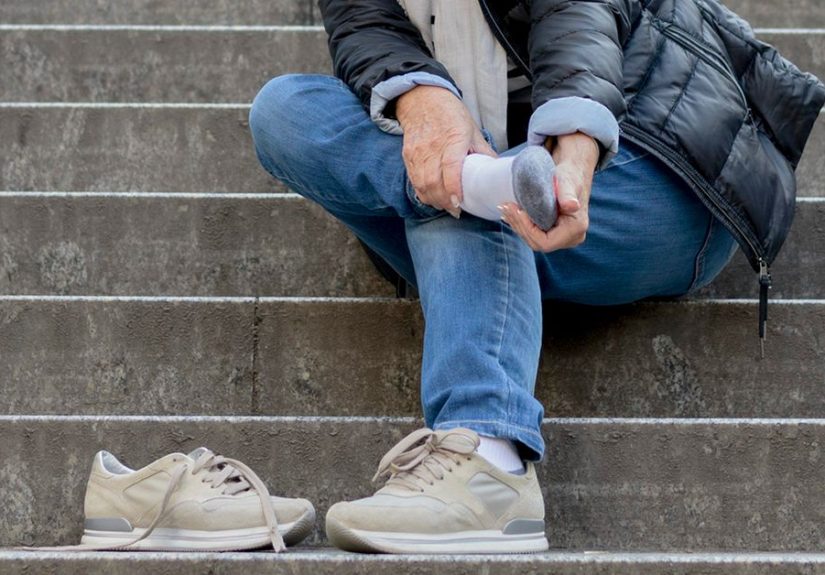
5) Foot Care and Skin Protection
PAD can reduce circulation to the feet, making minor injuries more likely to become slow-healing problemsespecially in people with diabetes.
Foot checks, supportive footwear, and early attention to blisters or cuts can prevent bigger complications.
What to Expect: Prognosis and Long-Term Outlook
Many people with intermittent claudication can improve their walking distance and day-to-day comfort, especially with consistent exercise therapy and risk-factor control.
The bigger picture is cardiovascular health: PAD signals increased risk for events like heart attack and stroke, which is why clinicians focus on whole-body prevention strategies
(lipids, blood pressure, smoking cessation, diabetes control, and activity).
A Practical Example
Imagine two people with similar calf pain:
Person A keeps walking “only when necessary,” continues smoking, and avoids treatment because the symptoms come and go.
Person B joins a supervised walking program, quits smoking, starts appropriate vascular-protective medications, and tracks progress weekly.
Person B is far more likely to improve walking ability and reduce cardiovascular risk over time.
Same diagnosis, very different trajectory.
Prevention Tips (Even If You’re Not Diagnosed)
- Move regularly: walking is a great default.
- Avoid tobacco and seek help quitting if needed.
- Know your blood pressure, cholesterol, and blood sugar numbers.
- Prioritize heart-healthy eating patterns (more plants, whole foods, less ultra-processed fare).
- Don’t normalize “leg pain that always happens when I walk.” Get it checked.
Conclusion
Intermittent claudication is more than a nuisanceit’s often a sign of peripheral artery disease and a clue that your cardiovascular system needs attention.
The most effective strategy usually combines structured walking-based exercise, risk-factor control (especially smoking cessation and cholesterol management),
and medications when appropriate, with procedures reserved for selected cases when symptoms remain limiting.
If your leg pain predictably shows up with walking and eases with rest, consider it useful informationnot an inconvenience to ignore.
A proper evaluation can clarify the cause and help you build a plan that gets you back to moving with less pain and more confidence.
(And yes, your calves will appreciate the improved workplace conditions.)
Experiences: What Living With Intermittent Claudication Can Be Like (and What Often Helps)
People who develop intermittent claudication often describe an oddly specific frustration: they don’t feel “injured,” but their body keeps interrupting normal life.
A trip through the grocery store becomes a stop-and-go adventure. Parking lots feel longer than they used to. Vacations turn into “find the nearest bench” tours.
Many say the hardest part at first is the uncertaintywondering whether it’s just aging, a pulled muscle, “bad shoes,” or something more serious.
Because the pain improves with rest, it’s easy to postpone getting checked… until it starts interfering with everyday routines.
Once diagnosed, a very common experience is emotional whiplash: relief (“It’s not all in my head”), mixed with worry (“Waitthis is related to heart and stroke risk?”).
That concern can be productive if it motivates action. People frequently report that the most empowering part of treatment is realizing they have control over several key levers:
tobacco use, consistent exercise, nutrition, and medication adherence. The first few weeks of a walking program can feel humblingespecially if symptoms show up sooner than expected.
But many also notice something encouraging: improvements can be measurable. One week it’s a five-minute walk before discomfort; a month later it’s ten or twelve.
Those small wins build momentum.
Supervised exercise therapy (or a structured home program) often becomes the “confidence builder.” People learn what “moderate discomfort” means for them,
how long rest usually takes, and how to pace themselves without avoiding movement altogether. A common tip shared in support groups and rehab settings is to
treat walking like training for an event, not like a test you keep failing. The goal isn’t to prove toughness; it’s to gradually teach the body to tolerate and adapt.
Some people also find it helpful to track progress in a simple wayminutes walked, number of intervals, or the distance between rest stopsbecause improvement is easier
to notice when you can see it on paper.
Lifestyle changes can be both the most impactful and the most challenging. Smoking cessation, in particular, can feel like trying to break up with a habit that keeps texting you.
Many people do best when they use all available supportcounseling, quitlines, nicotine replacement, or prescribed optionsrather than relying on willpower alone.
Nutrition changes often work better when framed as “add more good stuff” (fiber-rich plants, lean proteins, healthy fats) instead of “never eat anything fun again.”
Medication routines can also be a sticking point; those who succeed long-term often build small systems: phone reminders, pill organizers, and keeping refills synced.
Finally, people frequently mention the mental side: intermittent claudication can shrink someone’s world if they start avoiding activity out of fear of pain.
A supportive clinician, a clear plan, and reassurance about safe levels of activity can reduce that fear. Some also benefit from addressing stress, sleep, and mood,
because feeling discouraged can make consistency harder. Over time, many describe a shift from “my legs are betraying me” to “my legs are giving me feedbackand I’m responding.”
That mindset change, paired with structured action, is often what turns intermittent claudication from a daily limiter into a manageable condition.





 Close
Close