
Table of Contents >> Show >> Hide
- What Is Intermittent Fasting?
- Why People Think Intermittent Fasting Might Help the Heart
- The 2024 Heart Risk Headline: What Actually Happened?
- Can Intermittent Fasting Be Heart-Healthy?
- When Intermittent Fasting Might Be Bad for Your Heart
- Intermittent Fasting vs. Calorie Restriction: Is Timing Special?
- What Should You Eat During Intermittent Fasting for Heart Health?
- Who Should Talk to a Doctor Before Trying Intermittent Fasting?
- Practical Tips for a Heart-Smart Fasting Plan
- Real-Life Experiences: What Intermittent Fasting Can Feel Like
- Final Verdict: Is Intermittent Fasting Bad for Your Heart?
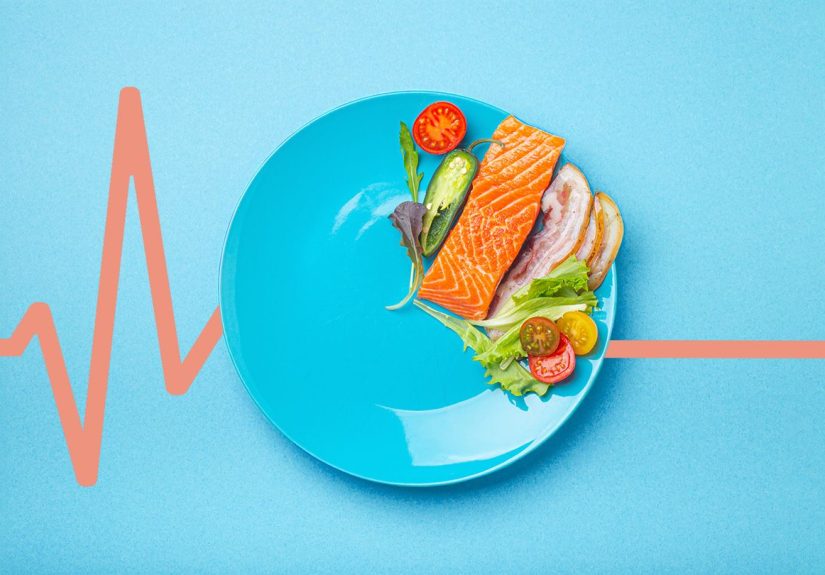
Intermittent fasting has become one of the most talked-about eating patterns in America. Some people treat it like a magic calendar trick: stop eating at 8 p.m., skip breakfast, drink black coffee like a determined office plant, and wait for health benefits to appear. Others hear headlines about fasting and heart risk and wonder whether their lunch schedule is secretly plotting against their arteries.
So, is intermittent fasting bad for your heart? The honest answer is: not necessarily, but it depends on the person, the fasting method, the quality of the diet, existing health conditions, and whether the plan is realistic enough to survive a birthday party with pizza. Intermittent fasting may help some adults improve weight, blood sugar, blood pressure, and cholesterol-related markers. But it is not automatically heart-healthy, and it is not the right choice for everyone.
The heart does not care only about the clock. It also cares about blood pressure, cholesterol, glucose control, inflammation, sleep, stress, exercise, smoking, genetics, and what actually lands on the plate during the eating window. An eight-hour eating window filled with ultra-processed snacks is not suddenly transformed into a cardiology-approved masterpiece because it happened before sunset.
What Is Intermittent Fasting?
Intermittent fasting is an eating pattern that cycles between periods of eating and periods of fasting. Unlike a traditional diet that focuses mainly on what to eat, intermittent fasting focuses mostly on when to eat. The most common versions include time-restricted eating, alternate-day fasting, and the 5:2 method.
Popular Types of Intermittent Fasting
Time-restricted eating limits food intake to a daily window, such as 10 hours, 8 hours, or sometimes even less. The popular 16:8 plan means fasting for 16 hours and eating during an 8-hour window.
The 5:2 method involves eating normally on five days of the week and reducing calories significantly on two nonconsecutive days.
Alternate-day fasting alternates between regular eating days and fasting or very low-calorie days. This approach can be harder to maintain and may not be appropriate for many people.
For heart health, the key question is not simply “Does fasting work?” A better question is “Does this fasting plan improve cardiometabolic health without causing stress, nutrient gaps, overeating, poor sleep, or unsafe medication problems?” That question is less catchy, but much more useful.
Why People Think Intermittent Fasting Might Help the Heart
Intermittent fasting may benefit the heart indirectly when it helps people reduce excess body weight, improve insulin sensitivity, lower blood pressure, reduce triglycerides, or make food choices more intentional. These factors matter because high blood pressure, unhealthy cholesterol levels, diabetes, obesity, smoking, and inactivity are major risk factors for heart disease.
Several short-term studies suggest that intermittent fasting can improve some markers related to cardiovascular health, especially in adults with overweight, obesity, prediabetes, type 2 diabetes, or metabolic syndrome. In simple terms, if fasting helps someone eat fewer total calories, reduce late-night snacking, lose body fat, and choose more nutritious meals, the heart may benefit.
There is also growing interest in circadian rhythm. The body runs on internal clocks that influence metabolism, hormones, digestion, and blood sugar control. Some researchers believe eating earlier in the day may be better for metabolic health than consuming a large amount of food late at night. That does not mean everyone must eat dinner at 4:30 p.m. like a sleepy raccoon, but it does suggest meal timing may matter.
The 2024 Heart Risk Headline: What Actually Happened?
In 2024, a widely discussed American Heart Association news release reported preliminary research linking an eating window of less than eight hours per day with a higher risk of cardiovascular death compared with eating across a 12- to 16-hour period. The headline was dramatic, and understandably, many people wondered whether intermittent fasting had gone from wellness trend to heart-health villain overnight.
But context matters. The report was based on observational data, not a randomized clinical trial proving that fasting caused heart-related deaths. Observational studies can identify associations, but they cannot fully control for every factor that may explain the result. For example, people who eat within a short window may do so because of demanding work schedules, illness, poor appetite, stress, smoking patterns, sleep disruption, or other lifestyle factors. Those details can matter enormously.
The takeaway is not “intermittent fasting will damage your heart.” The better takeaway is “extreme or very narrow eating windows should be approached carefully, especially by people with existing heart disease, cancer, diabetes, medication needs, or a history of disordered eating.” That may not fit on a viral headline, but it fits reality better.
Can Intermittent Fasting Be Heart-Healthy?
Yes, it can be heart-healthy for some adults when done sensibly. A moderate version, such as a 12-hour overnight fast or a 10-hour eating window, may help reduce evening grazing without becoming overly restrictive. For example, someone might eat breakfast at 8 a.m., finish dinner by 6 p.m., and avoid late-night snacking. That is technically time-restricted eating, but it does not require heroic suffering or a complicated spreadsheet.
Intermittent fasting is most likely to support heart health when the eating window includes vegetables, fruits, beans, lentils, whole grains, nuts, seeds, fish, lean proteins, unsaturated fats, and enough fiber. A Mediterranean-style or DASH-style pattern can pair well with a reasonable fasting schedule. In contrast, fasting followed by a parade of processed meats, sugary drinks, fried foods, and oversized desserts is not a heart-health strategy. It is just snack compression.
Possible Heart-Related Benefits
Weight management: Some people naturally eat fewer calories when they limit their eating window. Weight loss, when appropriate and gradual, may improve blood pressure, cholesterol, and glucose control.
Blood sugar control: Time-restricted eating may improve insulin sensitivity in some people, especially when meals are eaten earlier and are nutrient-dense.
Blood pressure: Some trials show modest improvements in blood pressure, particularly when fasting leads to weight loss or reduced sodium intake.
Triglycerides and cholesterol markers: Some people may see improvements, but results vary. Food quality remains a major driver of lipid levels.
Reduced late-night eating: Cutting off late-night snacking can reduce intake of highly processed foods. For many people, nothing nutritionally heroic happens after 10 p.m. in front of the refrigerator.
When Intermittent Fasting Might Be Bad for Your Heart
Intermittent fasting may be risky when it becomes too restrictive, poorly planned, or disconnected from a person’s medical needs. The heart is not a fan of chaos. Skipping meals, under-eating, over-caffeinating, exercising hard without fuel, then overeating salty foods at night can create a pattern that feels “disciplined” but functions like a metabolic roller coaster.
1. Very Short Eating Windows
Eating windows shorter than eight hours may be difficult to maintain and may increase the chance of nutrient gaps, overeating, or poor meal quality. Some people can manage them, but they are not automatically better. More restrictive does not mean more effective. Sometimes it just means more cranky.
2. Existing Heart Disease
People with coronary artery disease, heart rhythm problems, heart failure, or a history of heart attack should talk with a healthcare professional before trying intermittent fasting. Changes in food timing, hydration, electrolytes, caffeine intake, and medications can affect symptoms and safety.
3. Diabetes or Blood Sugar Medication
People taking insulin or medications that lower blood sugar need medical guidance before fasting. Going too long without food can increase the risk of hypoglycemia, which may cause shakiness, confusion, dizziness, fainting, or more serious problems.
4. Low Nutrient Intake
A shorter eating window can make it harder to get enough protein, fiber, vitamins, minerals, and calories. Poor nutrition can affect energy, muscle, hormones, immunity, and long-term health. Heart health depends on nourishment, not just restraint.
5. Overeating During the Eating Window
Some people become so hungry after fasting that they eat quickly and heavily. If the eating window turns into a competitive event starring pizza, chips, soda, and dessert, the heart-health benefits may disappear faster than the last cookie in a family kitchen.
6. Teenagers, Pregnancy, Eating Disorder History, or Frailty
Intermittent fasting is generally not recommended for children or teens unless supervised by a qualified healthcare professional for a specific medical reason. It is also usually inappropriate during pregnancy, breastfeeding, recovery from illness, frailty, or for anyone with a current or past eating disorder. In these situations, regular nourishment and medical guidance matter more than fasting trends.
Intermittent Fasting vs. Calorie Restriction: Is Timing Special?
One major debate is whether intermittent fasting has unique benefits or whether it mainly works because people eat fewer calories. Research suggests both may be true in different situations. Some benefits may come from calorie reduction and weight loss. Other benefits may come from meal timing, improved circadian alignment, or reduced late-night eating.
However, intermittent fasting is not consistently superior to traditional calorie reduction. In some studies, people following time-restricted eating lose a similar amount of weight as people following a standard calorie-restricted plan. That means fasting is best viewed as one possible tool, not the king of all diets wearing a tiny crown made of celery.
The best eating pattern is one that improves health markers, supports a good relationship with food, fits daily life, and can be maintained. If intermittent fasting makes someone feel better and helps them eat more nutritious food, it may be useful. If it causes stress, binge-like eating, fatigue, irritability, or social misery, it may not be the right approach.
What Should You Eat During Intermittent Fasting for Heart Health?
The eating window should not be treated like a food free-for-all. For heart health, the quality of food matters as much as the timing. A smart fasting plan should focus on nutrient-rich meals that support blood pressure, cholesterol, blood sugar, and inflammation control.
Heart-Friendly Foods to Include
Choose vegetables, berries, citrus fruits, apples, oats, barley, beans, lentils, chickpeas, brown rice, quinoa, nuts, seeds, olive oil, avocado, fish, plain yogurt, eggs, tofu, and lean proteins. These foods can provide fiber, potassium, magnesium, unsaturated fats, and protein.
Foods to Limit
Limit processed meats, fried foods, sugary drinks, refined carbohydrates, high-sodium packaged snacks, and foods high in saturated or trans fats. These foods can work against heart-health goals, even if eaten inside a perfectly timed window.
Hydration Matters
Water is important during fasting periods. Unsweetened tea or black coffee may fit some fasting plans, but too much caffeine can worsen jitters, sleep, reflux, or palpitations in sensitive people. If fasting makes someone rely on coffee like it is a personality trait, it may be time to adjust the plan.
Who Should Talk to a Doctor Before Trying Intermittent Fasting?
Medical guidance is especially important for people with heart disease, diabetes, kidney disease, liver disease, gout, low blood pressure, a history of fainting, migraine triggered by missed meals, pregnancy, breastfeeding, or a history of eating disorders. Anyone taking medication that must be taken with food should also ask a clinician or pharmacist before changing meal timing.
People over 65 should be cautious as well. Older adults may be more vulnerable to muscle loss, dehydration, medication interactions, and unintended weight loss. A fasting schedule that works for a healthy 35-year-old may not be appropriate for an older adult with multiple medications.
Practical Tips for a Heart-Smart Fasting Plan
If an adult wants to try intermittent fasting, a moderate approach is usually more sensible than jumping into an extreme schedule. A 12-hour overnight fast is a simple starting point: for example, finishing dinner at 7 p.m. and eating breakfast at 7 a.m. From there, some people may try a 10-hour eating window if it feels comfortable.
It is wise to monitor how the body responds. Warning signs include dizziness, fainting, chest discomfort, unusual shortness of breath, heart palpitations, severe fatigue, mood changes, obsessive food thoughts, or repeated overeating after fasting. These are not badges of discipline. They are signals to stop and reassess.
For heart health, track meaningful outcomes rather than just the clock. Blood pressure, cholesterol, triglycerides, blood sugar, waist measurement, sleep quality, energy, exercise performance, and mood all provide useful information. A fasting plan that lowers weight but worsens sleep, stress, and food obsession may not be a good trade.
Real-Life Experiences: What Intermittent Fasting Can Feel Like
In real life, intermittent fasting is rarely as clean as it looks in wellness videos. A person may start with the 16:8 method, feel proud for skipping breakfast, and then discover that by noon they are ready to negotiate with a vending machine like it holds the secrets of civilization. This is common. Hunger is not a moral failure. It is biology doing biology things.
Some adults report that intermittent fasting helps them simplify their day. They stop snacking late at night, drink more water, plan better meals, and feel more in control of their eating habits. For a busy office worker, not eating after dinner may reduce mindless grazing during television time. For someone who tends to snack while scrolling online, setting a kitchen “closing time” can be surprisingly helpful. The benefit here may come less from fasting itself and more from removing the daily cookie ambush at 10:47 p.m.
Other people have a different experience. They skip breakfast, feel foggy during morning work, drink too much coffee, and then eat a huge lunch because their appetite has entered emergency mode. By evening, they may feel tired, irritable, or tempted to eat whatever is fastest. In this case, intermittent fasting may backfire. The schedule looks good on paper, but the body files a formal complaint.
Some people with early metabolic problems may see improvements when they combine moderate fasting with healthier food choices. For example, an adult with elevated blood pressure may stop late-night salty snacks, begin eating oatmeal, beans, vegetables, and fish more often, and lose a small amount of weight. Over several months, blood pressure and triglycerides may improve. But the success comes from the full pattern: better food, fewer calories, improved timing, more consistency, and perhaps more movement.
There are also social challenges. Food is not just fuel; it is birthdays, holidays, family dinners, school events, work lunches, and “just one slice” situations. A fasting plan that makes someone anxious around normal meals can become emotionally exhausting. A heart-healthy lifestyle should leave room for flexibility. One late dinner does not ruin health. One skipped breakfast does not guarantee wellness. The body tracks patterns, not perfection.
The most sustainable experiences tend to come from people who use fasting gently. They do not treat hunger like an enemy. They do not use fasting as punishment for eating dessert. They do not ignore symptoms. They build meals around protein, fiber, healthy fats, and colorful plants. They sleep enough, move regularly, and keep medical appointments. In other words, intermittent fasting works best when it is part of a boringly sensible health routine. Boring is underrated. The heart often likes boring.
Final Verdict: Is Intermittent Fasting Bad for Your Heart?
Intermittent fasting is not automatically bad for your heart, but it is not automatically good either. For some adults, a moderate fasting schedule may support weight control, blood pressure, blood sugar, and cholesterol-related goals. For others, especially those with heart disease, diabetes medication, a history of eating disorders, pregnancy, frailty, or high nutritional needs, fasting may be risky or inappropriate.
The safest heart-health message is simple: focus first on food quality, regular physical activity, sleep, stress management, not smoking, and routine medical care. If intermittent fasting helps you maintain those habits, it may be a useful tool. If it makes your life harder, your meals worse, or your body feel off, the clock is not your boss.
Note: This article is for general educational and SEO publishing purposes only. It should not replace medical advice, diagnosis, or treatment from a qualified healthcare professional.




 Close
Close