
Table of Contents >> Show >> Hide
- Quick Answer: When Is It “Too Late” to Cut Back Asparagus?
- Why Timing Matters: What the Ferns Are Doing (and Why You Should Care)
- The Best Time to Cut Back Asparagus (By Season and Climate)
- So… Is It Too Late Right Now? (How to Tell in Real Life)
- How to Cut Back Asparagus the Right Way (Step-by-Step)
- Fall vs. Spring Cleanup: Which Is Better?
- Common Mistakes That Reduce Next Year’s Harvest
- Pests and Disease: Cutting Back as a Cleanliness Strategy
- FAQs
- Real-World Experiences and “Lessons Learned” From Asparagus Cutback Season (Extra Insights)
- Experience #1: “I cut the ferns early because they looked messy… and spring was disappointing.”
- Experience #2: “I waited until spring… and suddenly spears were everywhere.”
- Experience #3: “I left everything standing all winter, and pests were worse.”
- Experience #4: “My ferns didn’t die back because my winters are mild.”
- Experience #5: “I cut back carefully around new spearsand it turned out fine.”
- Experience #6: “I added compost after cutback, and the bed looked better every year.”
- Experience #7: “I finally stopped over-harvesting, and everything improved.”
- Conclusion
Asparagus is the ultimate “set it and forget it” vegetableuntil it isn’t. One minute you’re harvesting crisp spears like a garden wizard, and the next you’re staring at a jungle of feathery ferns wondering: Do I cut this down now… or did I miss my chance and doom next spring’s harvest?
Good news: in most cases, it’s not too late to cut back asparagus. But timing matters because those tall ferns aren’t just decorative fluff. They’re basically the plant’s solar panelscharging the underground crown with energy for next year’s spears. Cut too early and you’re unplugging the phone before it hits 100%.
This guide breaks down when to cut back asparagus, what “too late” actually means, and how to do it in a way that protects yields, reduces pests, and keeps your asparagus bed productive for years.
Quick Answer: When Is It “Too Late” to Cut Back Asparagus?
It’s usually too late to cut back asparagus only when new spears are actively emerging and you can’t avoid damaging them. If you already see fresh spears popping up in spring, you need to switch from “mow it down” to “careful cleanup.”
A simple decision guide
- Ferns still green: Don’t cut back yet (unless you’re removing diseased sections). Let the plant store energy.
- Ferns yellowing: You’re close. Wait until they’re mostly yellow/brown, or after a killing frost (in cold climates).
- Ferns fully brown/dormant: Perfect time to cut back (late fall, winter, or early springdepending on your strategy).
- New spears emerging: Don’t mow. Hand-cut old stalks carefully around new growth.
Why Timing Matters: What the Ferns Are Doing (and Why You Should Care)
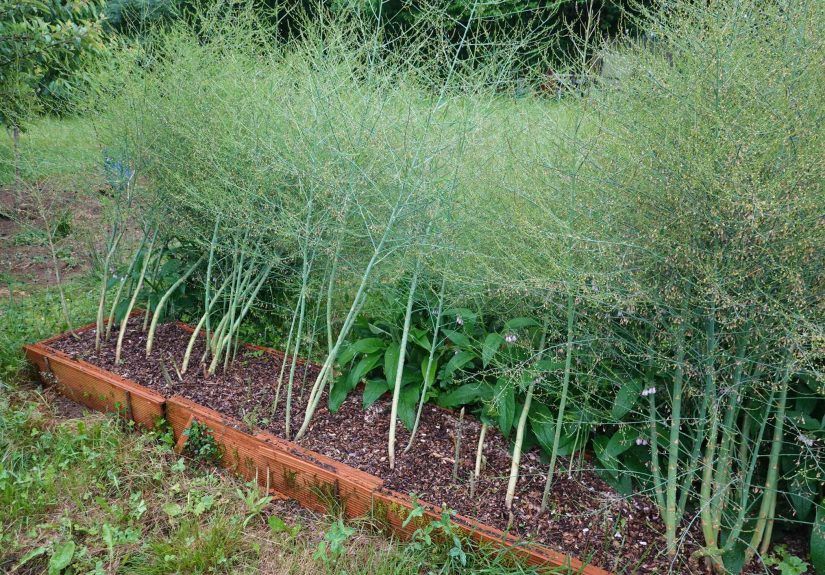
After you stop harvesting, asparagus shifts into “rebuild mode.” The spears you didn’t pick grow into ferns, and those ferns photosynthesize all summer and into fall. The energy they make is sent down to the crown and roots as stored carbohydrates.
That stored energy is what powers next spring’s spear production. If you cut green ferns too early, you reduce the plant’s ability to store fueloften leading to thinner spears, fewer spears, or a weaker stand over time.
So think of the fern phase as the plant’s off-season training program. You wouldn’t tell an athlete to stop training two weeks before the big game… unless your garden enjoys disappointment.
The Best Time to Cut Back Asparagus (By Season and Climate)
Option A: Cut Back in Late Fall (After Frost or Full Dieback)
In many regions, the classic recommendation is to cut back asparagus after the first killing frost (or once ferns turn completely yellow/brown). At that point, the plant has already moved nutrients down into the crown, and the top growth is done for the year.
Why gardeners like fall cleanup:
- Reduces overwintering habitat for pests (especially asparagus beetles).
- Decreases disease carryover in plant debris.
- Makes spring prep faster (future-you will be smug and well-rested).
Option B: Leave Ferns Standing Over Winter, Then Cut Back in Early Spring
In colder climates, some gardeners leave dead ferns standing through winter. The reasoning: dried stalks can catch snow, and snow acts like insulation that helps protect crowns from extreme freeze-thaw cycles.
If you choose spring cleanup, the key rule is: remove old growth before spears emergeoften late March or early April in many areas (but it varies widely by region and year).
Option C: Mild-Winter Regions (No Hard Frost? Use the “Brown Is the Signal” Rule)
If you live somewhere that doesn’t reliably get a hard frost, you may not get a dramatic “everything is dead” moment. In those areas, follow the plant’s cues: wait until ferns are fully yellow/brown and clearly declining, then cut back in late winter.
Some pest-management guidance also suggests pruning in winter (often around January) if ferns never fully die back on their ownbecause leaving green growth can shelter pests.
So… Is It Too Late Right Now? (How to Tell in Real Life)
1) Look for new spears
If you see new spears pushing up, it’s not “game over,” but it is too late for aggressive cutting (like mowing). You’ll need a careful hand cleanup so you don’t snap emerging spears or nick the crown area.
2) Check the fern color and texture
Green and flexible = still working. Yellowing = nutrients are moving down. Brown and brittle = dormancy. The browner it is, the safer it is to remove.
3) Watch the weather pattern
If you’re heading into a hard freeze, the ferns will likely die back soon anyway. If you’re already past repeated frosts and everything is brown, you’re firmly in the safe zone.
How to Cut Back Asparagus the Right Way (Step-by-Step)
Step 1: Choose your tool
- Hand pruners/loppers: Best for home beds and precision.
- Hedge shears: Faster for thick stands (still fairly controlled).
- Mower/string trimmer: Only if everything is fully dormant and you’re confident no spears are emerging.
Step 2: Cut to the right height
A common target is to cut stalks down to about 1–2 inches above the soil. You’re aiming to remove the ferny top growth while leaving a small stub that’s easy to spot (and less likely to disturb crowns).
Step 3: Remove debris from the bed
Don’t let old ferns lounge around like they pay rent. Old stalks can shelter pests and diseases. Rake them out and dispose of them appropriately.
Compost or trash? If your patch had pest issues (like beetles) or disease problems, consider removing debris from the garden entirely rather than composting it on-site.
Step 4: Mulch and feed lightly (optional, but helpful)
After cleanup, many gardeners add compost or a light mulch layer. Mulch can help suppress weeds and protect crowns during temperature swings. Just avoid burying the bed under a mountain of materialyour asparagus wants a blanket, not a new identity.
Fall vs. Spring Cleanup: Which Is Better?
There’s no one-size-fits-all answer, but here’s a practical way to choose:
Choose fall cleanup if…
- You had asparagus beetles or other pest pressure.
- You want a tidy bed going into winter.
- You live where winter is wet and debris stays soggy (disease risk).
Choose spring cleanup if…
- You rely on snow cover for insulation.
- Your winters are brutal and crowns benefit from extra protection.
- You can reliably get out there earlybefore spears appear.
Some growers even do a hybrid approach: remove most debris in fall, then do a quick spring “last sweep” before spear emergence.
Common Mistakes That Reduce Next Year’s Harvest
Cutting back while ferns are still green
This is the big one. Green ferns are still feeding the crown. Cutting early can reduce vigor and yield the next season.
Waiting too long in spring, then mowing anyway
Once spears emerge, mowing or aggressive trimming can break spears and potentially damage developing buds near the crown. If you missed the window, switch to careful hand cleanup.
Leaving berries to drop everywhere
Some asparagus plants (female varieties) produce red berries. If those berries drop, you may get volunteer seedlings that overcrowd the bed and compete for nutrients. If volunteers are a problem, aim to cut back after foliage yellows but before berries scatter widely.
Ignoring weeds after harvest
Asparagus doesn’t love competition. Weed pressure after harvest can stress plants during the fern phaseexactly when they’re trying to store energy for next year.
Pests and Disease: Cutting Back as a Cleanliness Strategy
Cutting back isn’t just about looksit’s also part of managing the ecosystem in your asparagus patch.
Asparagus beetles
Asparagus beetles can overwinter in or near asparagus debris. Removing old ferns (and cleaning up surrounding plant litter and weeds) helps reduce shelter and can lower pest pressure the following season.
Fungal issues
Old stalks can carry disease spores. If your ferns showed spotting, yellowing beyond normal fall color change, or premature dieback, sanitation becomes more important.
Pro tip: If pests or disease were severe, prioritize removing debris from the area instead of leaving it in place or mulching it into the bed.
FAQs
Can I cut back asparagus in summer?
Generally, noat least not the whole plant. Summer is when ferns are actively building energy reserves. You can remove damaged stalks or prune out diseased pieces, but avoid cutting the whole patch down unless you’re dealing with a serious disease situation and have a specific management plan.
What if my asparagus never turns fully brown?
In mild climates, you may not get a sharp frost-driven dieback. Wait until the plant clearly declines and turns mostly yellow/brown, then cut back in late winterbefore spring spear emergence.
Should I water after I cut back?
In most cases, no special watering is needed after cutback (especially if the plant is dormant). Focus more on good drainage and avoiding soggy crowns in winter.
How do I know when spears are about to emerge?
Soil warming is the big trigger. In many areas, spears begin emerging as soil temperatures rise in early spring. If you’re seeing early weeds waking up, bulbs sprouting, or daytime temps consistently rising, it’s time to inspect your asparagus bed frequently.
Real-World Experiences and “Lessons Learned” From Asparagus Cutback Season (Extra Insights)
Garden advice is great in theoryright up until you’re standing outside in mismatched gloves holding pruning shears like they’re a complicated emotional decision. Here are common real-world experiences gardeners run into, plus what tends to work best.
Experience #1: “I cut the ferns early because they looked messy… and spring was disappointing.”
This happens a lot. Asparagus ferns can look wild and floppy by late summer, and it’s tempting to “clean things up.” Gardeners who do often report thinner spears the following spring, or a shorter harvest window. The fix is simple but not always easy: treat messy ferns as a sign the plant is doing its job. If aesthetics matter, one practical compromise is to stake or loosely tie ferns so they don’t sprawl into walkwayswithout removing them.
Experience #2: “I waited until spring… and suddenly spears were everywhere.”
Asparagus can go from “nothing happening” to “hello, spears!” fastespecially during a warm spell. Many gardeners learn the hard way that the spring window is short. A smart routine is to pick a calendar reminder: start checking the bed weekly as winter ends, then more often once days warm. If you’re cutting back in spring, aim to finish cleanup before you feel like spring has fully arrived.
Experience #3: “I left everything standing all winter, and pests were worse.”
Leaving dead stalks can help with snow capture and crown protection, but it can also create cozy shelter for overwintering pests in some regions. Gardeners who struggle with asparagus beetles often find that a fall cleanup (plus removing nearby weeds and debris) improves things the next year. Some even do a two-step approach: cut down and remove most debris in late fall, then do a light spring pass to remove any remaining bits.
Experience #4: “My ferns didn’t die back because my winters are mild.”
In warm areas, asparagus doesn’t always get the strong “end of season” signal. Gardeners in these climates often succeed by choosing a consistent late-winter cleanup timewhen growth is clearly slowingand getting debris out before spring spear emergence. The big lesson: don’t wait for perfect brown if your climate doesn’t provide it. Instead, look for clear decline and time your cutback so the bed is cleaned up before new spears appear.
Experience #5: “I cut back carefully around new spearsand it turned out fine.”
If you’re late and spears are already emerging, you can still salvage the situation. Gardeners who do well in this scenario typically avoid power tools and do hand cleanup: gently bending old stalks away, snipping them in sections, and raking debris without scraping the soil surface. It’s slower, but it prevents accidental spear breakage. The surprising upside? While you’re down there, you’re more likely to notice early weeds, slug activity, or crown heavingso you can fix problems sooner.
Experience #6: “I added compost after cutback, and the bed looked better every year.”
Asparagus is long-lived, and small improvements compound over time. Many gardeners build a simple tradition: after the bed is cut back and cleaned up, add a thin layer of compost (and mulch if needed). Over several seasons, this can improve soil structure, reduce weed pressure, and support healthier crowns. The key is moderationdon’t bury crowns too deeply, and keep the bed from staying constantly wet.
Experience #7: “I finally stopped over-harvesting, and everything improved.”
Sometimes the cutback timing isn’t the real issueit’s what happened earlier. A common learning moment is realizing that harvesting too long into summer weakens plants, and then ferns can look stressed or sparse. Gardeners who switch to a firm rule (like stopping harvest after a set window and letting ferns grow freely) often notice thicker spears and more consistent yields the next spring.
The bottom line from these experiences: asparagus rewards patience. If you let the ferns do their job, cut back once they’re truly done, and keep the bed clean, you’ll usually get better spearsand fewer “Why is my asparagus mad at me?” moments.
Conclusion
In most gardens, it’s not too late to cut back asparagus as long as you follow one golden rule: don’t remove green ferns, and don’t mow once spring spears are emerging. Aim for late fall after frost (or full dieback), or early spring before spears appearthen cut low, clean up debris, and consider a light compost/mulch layer for winter care.
If you’re unsure, remember the asparagus motto: Brown means down. When it’s brown and dormant, you can cut back confidentlywithout sacrificing next year’s harvest.





 Close
Close