
Table of Contents >> Show >> Hide
- What vaping actually is (and what it isn’t)
- So… is vaping bad for you? The health risks that matter most
- 1) Nicotine addiction (especially fast in teens)
- 2) Lung irritation and breathing problems
- 3) Heart and blood vessel effects
- 4) Harmful chemical exposure (even without smoke)
- 5) Effects on the brain, mood, and attention
- 6) Pregnancy and exposure risk
- 7) Secondhand aerosol: not harmless for bystanders
- Is vaping safer than smoking?
- What about “nicotine-free” vapes?
- Why teens are hit hardest
- Signs vaping may be affecting your health
- If you vape and want to quit (or cut back safely)
- Common myths (and the reality check)
- The bottom line
- Real-world experiences: what people often report about vaping
- Experience 1: “I didn’t mean to get hookedit just became automatic.”
- Experience 2: “I feel calmer when I vape… until I don’t.”
- Experience 3: “My breathing changed and I didn’t connect the dots.”
- Experience 4: “I switched from cigarettes to vaping and felt proud… then I got stuck.”
- Experience 5: “Quitting was harder than I expecteduntil I changed the plan.”
Vaping is one of those modern inventions that arrived with a “future!” vibe and a “wait… is this safe?” aftertaste.
If you’ve heard it’s harmless water vapor, that’s marketing, not medicine. If you’ve heard it’s exactly as bad as smoking,
that’s also not quite right. The honest answer is messier (and more useful): vaping can be harmfulespecially for teens,
young adults, pregnant people, and anyone with heart or lung issuesand the long-term risks are still being mapped.
For adults who smoke cigarettes, switching completely to e-cigarettes may reduce exposure to some toxic chemicals from burning tobacco,
but it’s not risk-free, and “dual use” (smoking and vaping) can keep you stuck in harm rather than reducing it.
Let’s break it down in plain Englishwith a little humor, because health information shouldn’t feel like a detention slip.
(Though, to be fair, nicotine kind of is a detention slip for your brain.)
What vaping actually is (and what it isn’t)
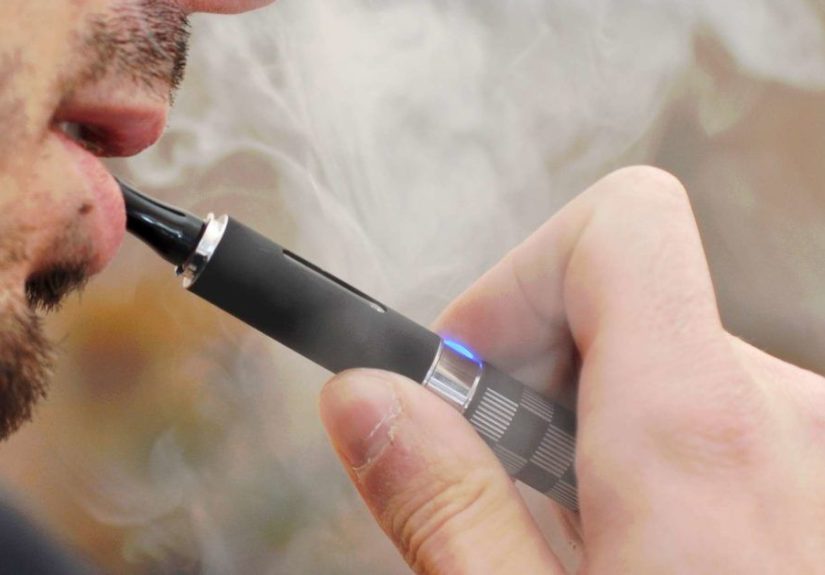
E-cigarettes (often called vapes) heat a liquid to create an aerosol you inhale. That aerosol isn’t “just steam.”
It can contain nicotine (often), ultrafine particles, flavoring chemicals, volatile organic compounds, and sometimes heavy metals.
Some ingredients may be safe to eat but not safe to inhaleyour lungs aren’t a kitchen.
Nicotine: the starring ingredient you didn’t audition for
Most e-cigarettes contain nicotine, which is highly addictive. Nicotine can raise heart rate and blood pressure and can
affect brain development in adolescents and young adultsimpacting attention, learning, mood, and impulse control.
Translation: it can mess with the very skills you need to resist it.
So… is vaping bad for you? The health risks that matter most
1) Nicotine addiction (especially fast in teens)
Addiction is not a character flaw; it’s a brain-and-body learning loop that nicotine is very good at building.
Many products deliver nicotine efficiently, and frequent use can lead to dependencecravings, irritability, trouble concentrating,
and that “I’m fine, I’m fine, I’m absolutely not fine” feeling when you can’t vape.
For teens, the risk is bigger because the brain is still developing. Public health agencies emphasize that no tobacco product,
including e-cigarettes, is safe for youth.
2) Lung irritation and breathing problems
Your lungs are designed for air. Vaping introduces heated chemicals and particles that can irritate airways.
Some evidence links vaping with respiratory symptoms like coughing and wheezing, and medical groups warn about potential
impacts on asthma and chronic lung disease risk. There have also been serious vaping-related lung injury outbreaks in the past,
reminding everyone that inhaling mystery aerosols can go sideways quickly.
3) Heart and blood vessel effects
Nicotine stimulates the sympathetic nervous system (your “fight-or-flight” mode), which can increase heart rate and blood pressure.
Scientific statements from cardiology organizations describe concerns about both short-term cardiovascular effects and
the possibility of longer-term riskespecially for people who already have heart disease or risk factors.
The research is still evolving, but “unknown” doesn’t mean “safe.” It means “don’t volunteer your arteries for the experiment.”
4) Harmful chemical exposure (even without smoke)
Smoking cigarettes is extraordinarily harmful largely because burning tobacco creates thousands of chemicals.
Vaping generally avoids combustion, which is why it may be lower risk than smoking for adults who switch completely.
But e-cigarette aerosol can still include substances that irritate lungs and may contribute to inflammation and oxidative stress.
Some products have been found to contain toxicants and contaminants, and the exact mix can vary widely across brands and devices.
5) Effects on the brain, mood, and attention
Nicotine can affect developing brains, and the Surgeon General has highlighted risks to concentration and impulse control in youth.
Many people also report feeling more anxious or restless when nicotine levels dipthen temporarily better after using again,
which is a classic “the solution is the problem” cycle.
6) Pregnancy and exposure risk
Health authorities warn that nicotine can harm fetal development, and pregnant people are generally advised to avoid nicotine exposure.
If someone is pregnant and using nicotine products, the safest next step is to talk with a healthcare professional about
evidence-based quitting support.
7) Secondhand aerosol: not harmless for bystanders
“Secondhand smoke” is well known. “Secondhand aerosol” from vaping is newer, but health organizations caution that it can still
contain nicotine and other substances. If you wouldn’t microwave a chemical soup in your living room and call it aromatherapy,
don’t assume exhaled vape aerosol is a free wellness diffuser for everyone nearby.
Is vaping safer than smoking?
For adults who currently smoke cigarettes, many public health sources acknowledge a key nuance:
switching completely from combustible cigarettes to e-cigarettes can reduce exposure to some harmful chemicals from smoke.
The FDA, for example, notes e-cigarettes can be a lower-risk alternative for adults who smoke, but emphasizes they are not risk-free
and more research is needed on long-term outcomes.
The big “but”: dual use can erase the benefit
If someone smokes and vapes, they may keep many of smoking’s risks while also adding vaping exposures.
If harm reduction is the goal, “switch completely” matters. “Sometimes I vape, sometimes I smoke” is like saying,
“I only sometimes set my kitchen on fire.”
What about “nicotine-free” vapes?
Nicotine-free products remove one major riskaddictionbut not necessarily all risks. You can still inhale irritants,
flavoring chemicals, and particles. Also, labeling isn’t always perfect, and product quality varies.
“Nicotine-free” is not the same as “health-free.”
Why teens are hit hardest
U.S. health agencies emphasize that youth e-cigarette use is a major concern because nicotine can harm adolescent brain development,
and early nicotine exposure can set patterns that are hard to break. Youth vaping also tends to involve flavors and high-frequency use,
which can make dependence more likely.
Signs vaping may be affecting your health
- Cravings, irritability, or anxiety when you can’t vape
- More coughing, throat irritation, or shortness of breath than usual
- Chest tightness or reduced exercise stamina
- Headaches, dizziness, or nausea (especially with higher nicotine exposure)
- Trouble sleeping or feeling “wired”
If you have chest pain, severe shortness of breath, fainting, or rapidly worsening symptoms, that’s not “tough it out” territory.
That’s “get medical help” territory.
If you vape and want to quit (or cut back safely)
Quitting nicotine is doable, but it’s rarely a pure willpower contestmore like a strategy game where nicotine keeps changing the rules.
Evidence-based help can make a real difference.
Practical steps that help many people
- Set a clear goal: quit completely or reduce on a timeline that ends in quitting.
- Know your triggers: stress, boredom, after meals, social situations, late-night scrolling.
- Swap the ritual: gum, a quick walk, cold water, breathing exercises, or a fidget habit for your hands.
- Get support: a clinician, counselor, or quitline can help you build a plan that matches your needs.
- Consider approved treatments: for nicotine dependence, FDA-approved options (like nicotine replacement therapy)
may be appropriateespecially for adultsunder guidance from a healthcare professional.
For teens: the best move is to talk to a trusted adult or healthcare professional.
There are youth-focused programs and counseling approaches that work better than shame or punishment.
The goal is support, not a lecture soundtrack.
Common myths (and the reality check)
Myth: “It’s just flavored water vapor.”
Reality: It’s an aerosol that can contain nicotine and other chemicals and particles. “Water vapor” is what you see above a boiling kettle,
not what comes out of many vape devices.
Myth: “If it helps smokers quit, it must be safe.”
Reality: Something can be less harmful than smoking and still be harmful. Skydiving without a parachute is worse than skydiving with one,
but most people still prefer walking.
Myth: “I only vape socially, so it doesn’t count.”
Reality: Nicotine dependence can start with “just weekends.” Social use can quietly become daily use, especially in stressful seasons
(school, work, exams, life doing life things).
The bottom line
Vaping can be bad for youparticularly because of nicotine addiction and potential harms to the lungs, heart, and developing brain.
For adults who smoke cigarettes, switching completely to e-cigarettes may reduce exposure to some toxins from burned tobacco,
but it is not risk-free, and dual use is a common trap.
If you don’t vape, the healthiest choice is not to start. If you do vape, especially with nicotine, quitting (with support) is a strong move for your future self.
Your future self is already grateful. They just can’t text you yet.
Real-world experiences: what people often report about vaping
The science is essential, but people’s day-to-day experiences show how vaping fits into real lifehabits, stress, friendships, and routines.
Below are common patterns clinicians and public health educators hear, shared here as composite examples (not one specific person),
so you can recognize the “oh wow, that’s me” moments without anyone getting called out on a group chat.
Experience 1: “I didn’t mean to get hookedit just became automatic.”
A lot of people start vaping because it feels casual: a few puffs at a party, a friend offers it, it smells like dessert,
and nothing immediately terrible happens. Then it shows up during homework, commutes, gaming, or late-night scrolling.
The biggest surprise is how quickly the brain turns it into a reflex. Some people notice they reach for it without thinkinglike checking a phone.
When they try to stop, they don’t just miss nicotine; they miss the tiny breaks, the hand-to-mouth routine, and the “reset” feeling.
Recognizing that vaping became a habit and a coping tool is often the first breakthrough.
Experience 2: “I feel calmer when I vape… until I don’t.”
Many nicotine users describe vaping as relaxing. What’s often happening is withdrawal relief: nicotine levels drop,
the body feels edgy, then vaping removes that edgy feelingtemporarily. People may interpret that as “vaping helps my anxiety,”
when the more accurate story is “nicotine created the discomfort, then sold me the short-term fix.”
This doesn’t mean someone is “weak.” It means nicotine is doing nicotine things.
When people quit, the first week or two can feel emotionally loud, but many say their baseline mood steadies after the withdrawal phase.
Experience 3: “My breathing changed and I didn’t connect the dots.”
Some people notice they cough more in the morning, get winded faster, or feel throat irritationespecially in dry weather or after heavy use.
Athletes sometimes describe performance dips: a run that used to feel easy becomes a grind, or recovery takes longer.
Others report that colds linger. Not everyone has obvious symptoms, but when someone does, it can be a wake-up call:
lungs are not fans of repeated chemical aerosol exposure.
Experience 4: “I switched from cigarettes to vaping and felt proud… then I got stuck.”
Adults who smoke sometimes switch to vaping hoping it’s a step toward quitting nicotine entirely. For some, it is.
For others, vaping becomes its own long-term routine because it’s easy to use in more places and more often.
A common experience is “I stopped smoking, but now I vape all day.”
The win (no combustion smoke) is real, but so is the frustration of ongoing dependence.
People who succeed often treat vaping as a transition tool, not a permanent lifestyle accessory:
they set a quit date, use support, and reduce nicotine over time with professional guidance.
Experience 5: “Quitting was harder than I expecteduntil I changed the plan.”
Many people try to quit by sheer determination and feel defeated when cravings hit hard.
The shift comes when they build a plan: remove cues (keeping devices out of sight),
replace routines (walks, gum, hydration, busy hands), and add accountability (a friend, counselor, or quitline).
People often say the craving itself lasts a few minutes, but the anticipation can feel like an hour.
Learning to ride out those short wavesplus getting supportturns “I can’t” into “I can, just not comfortably for a minute.”
And yes, the first few days can be rough, but many report real pride afterwardlike getting their attention span and energy back.






 Close
Close