Table of Contents >> Show >> Hide
- What Is a Luxury Dog Home?
- Why Luxury Dog Homes Are Having a Moment
- Popular Types of Luxury Dog Homes
- Design Features That Make a Dog Home Truly Luxurious
- Outdoor Luxury Dog Houses: What to Get Right
- Indoor Luxury Dog Spaces: Where Style Meets Sanity
- How Much Do Luxury Dog Homes Cost?
- Luxury Dog Home Ideas by Lifestyle
- Common Mistakes to Avoid
- The Future of Luxury Dog Living
- Conclusion: The Best Luxury Dog Home Is Built With Love and Common Sense
- Personal Experience: What Living With a Dog Teaches You About “Luxury”
If you still picture a dog house as a tiny wooden box in the backyard with a crooked roof and one sad tennis ball nearby, please report to the present day. The modern luxury dog home has officially entered its main character era. Today’s pampered pups are lounging in climate-controlled cottages, snoozing inside custom built-in nooks, enjoying mudroom spa showers, and possibly judging our life choices from a miniature sofa that costs more than our first apartment couch.
Luxury homes for dogs are no longer just silly celebrity extras or viral social media flexes. They are part of a larger shift in how Americans design their homes around pets. Dogs are family members, emotional support teammates, fitness coaches, snack inspectors, doorbell critics, and in many households, the true owners of the living room. So it makes sense that “barkitecture,” the design trend focused on pet-friendly living, has moved from cute idea to serious home-planning conversation.
The best luxury dog spaces combine comfort, safety, function, and style. A good design should make life better for the dog and easier for the human. Because yes, a marble dog shower may look fabulous, but if it keeps muddy paw prints off the white sofa, that is not indulgence. That is survival.
What Is a Luxury Dog Home?
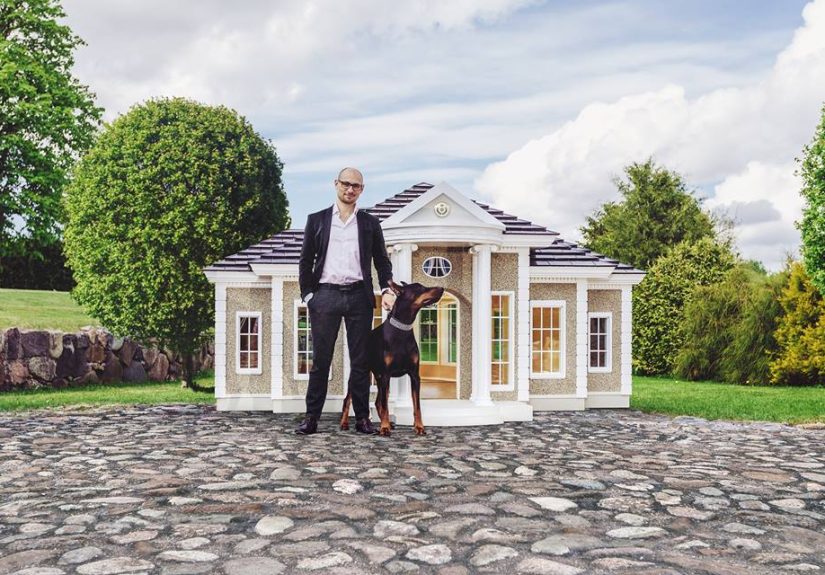
A luxury dog home can mean many things. For some owners, it is a freestanding outdoor dog mansion with insulation, weatherproof siding, a porch, windows, and a roofline that looks suspiciously nicer than the garage. For others, it is an indoor pet suite built under the stairs, a custom crate hidden inside cabinetry, a cozy sleeping alcove in the laundry room, or a dedicated dog bedroom with storage, washable rugs, toy bins, and a bed that says, “I nap better than you.”
The core idea is simple: create a dedicated, comfortable, safe, and attractive space for a dog’s daily routine. That routine includes sleeping, resting, eating, playing, recovering from overstimulation, drying off after walks, and occasionally hiding from the vacuum cleaner, humanity’s loudest betrayal.
Real luxury is not only about price. A dog house covered in designer logos might impress guests, but a properly sized, well-ventilated, easy-to-clean shelter will impress your dog’s body, joints, coat, and nervous system. The smartest luxury dog homes focus on practical comfort first and visual drama second.
Why Luxury Dog Homes Are Having a Moment
The rise of luxury dog homes is closely tied to the growth of pet ownership and pet spending in the United States. Millions of American households own dogs, and many owners now consider pet care a central part of lifestyle planning. The pet industry has continued to expand, with spending across food, supplies, veterinary care, services, grooming, boarding, and accessories reaching enormous levels.
At the same time, home design has become more personalized. People want spaces that reflect their routines, not just rooms that look good in listing photos. If a dog is part of the household rhythm, the home needs to account for that. Where does the leash go? Where does the food live? Where does the dog sleep? Where do muddy paws get cleaned before they turn the hallway into a crime scene?
This is where barkitecture shines. Instead of treating pet gear as clutter, homeowners are building it directly into the design. Think pull-out feeding drawers, built-in crates, dog-washing stations, washable flooring, fenced play zones, pet doors, under-stair dens, and outdoor shelters that match the main house.
Popular Types of Luxury Dog Homes
1. The Miniature House
The classic dog house has received a five-star renovation. Modern versions may include painted siding, trim details, shingled roofs, windows, porches, raised foundations, and even lighting. Some owners design them to match the architecture of the main house, creating a charming “mini-me” effect. It is adorable, slightly ridiculous, and very photogenic.
For outdoor use, however, beauty must be backed by proper construction. A luxury outdoor dog home should be raised off the ground, protected from rain and wind, correctly sized, insulated where climate demands it, and designed with ventilation. A pretty structure that becomes too hot in summer or too cold in winter is not luxury. It is a tiny real estate mistake with paw prints.
2. The Indoor Dog Suite
Indoor dog suites are becoming especially popular in homes with extra bedrooms, large laundry rooms, mudrooms, or unused corners. These spaces may include a bed, crate, toy storage, water station, washable mat, and calming lighting. Some even have wallpaper, framed “portraits” of the dog, and a tiny sofa. Somewhere, a golden retriever is living like a retired studio executive.
The benefit of an indoor suite is control. Temperature, cleanliness, noise, and safety are easier to manage indoors. It also gives the dog a predictable retreat, which can be helpful during parties, storms, fireworks, or any event involving a toddler holding a kazoo.
3. The Built-In Crate or Cabinet Den
Built-in dog crates are a stylish alternative to metal crates in the middle of a room. Designers often integrate them into kitchen islands, mudroom cabinetry, laundry room storage, or under-stair areas. The result is a cozy resting place that blends with the home’s design instead of shouting, “A large wire rectangle lives here now.”
Good built-ins should include airflow, safe materials, smooth edges, comfortable bedding, and enough room for the dog to stand, turn, and lie down naturally. Doors should latch securely but never create a trapped, poorly ventilated space. Pretty millwork is wonderful; breathing is better.
4. The Dog Spa or Washing Station
Dog washing stations are one of the most practical luxury features in pet-friendly homes. Usually placed in a mudroom, laundry room, garage entry, or utility area, these stations often include a tiled basin, handheld sprayer, non-slip floor, built-in step, shampoo storage, towel hooks, and a drain designed for serious fur events.
For owners of large dogs, long-haired breeds, or enthusiastic mud collectors, a dog spa can save time, money, and lower-back pain. It also keeps the family bathtub from becoming a swamp-themed attraction. The best stations are easy for the dog to enter, easy for the owner to clean, and designed with surfaces that can handle water, soap, claws, and shake-offs of biblical force.
5. The Luxury Apartment Amenity
Luxury dog living is not limited to single-family homes. Upscale apartment buildings and multifamily communities increasingly promote pet amenities such as dog runs, grooming rooms, pet spas, relief areas, and indoor play spaces. In urban areas, where private yards are rare, these features can be a major selling point.
For residents, the appeal is obvious. A dog wash downstairs is easier than wrestling a wet corgi into an elevator. A secure dog run saves time. A pet-friendly lobby helps owners feel welcome rather than tolerated. In competitive real estate markets, dog amenities can make a building feel more livable and more emotionally connected to residents’ everyday routines.
Design Features That Make a Dog Home Truly Luxurious
Comfortable Climate Control
Dogs are vulnerable to extreme heat and cold. A high-end dog home should never ignore temperature. Outdoor shelters need shade, airflow, weather protection, and insulation when appropriate. Indoor spaces should be away from drafts, direct harsh sun, and loud mechanical systems. Heated elements, if used, must be designed for pets and installed with caution to avoid burns or fire risks.
Climate comfort is especially important for puppies, senior dogs, short-nosed breeds, small breeds, thin-coated dogs, and dogs with health concerns. A husky and a French bulldog do not experience summer in the same way. One may be emotionally prepared for a snowstorm; the other looks personally offended by humidity.
Correct Size and Layout
Luxury does not mean oversized. In fact, a dog house that is too large can be less comfortable in cold weather because the dog’s body heat is harder to retain. The space should allow the dog to stand up, turn around, stretch out, and rest comfortably. For sleeping dens, cozy often beats cavernous.
Layout matters too. Food and water areas should be easy to clean. Sleeping zones should feel calm. Entrances should be wide enough for the dog’s body and mobility level. Senior dogs may need ramps, lower thresholds, orthopedic beds, and non-slip surfaces. A luxury home should age gracefully with the dog, not become an obstacle course with decorative pillows.
Durable, Washable Materials
Dogs bring joy, loyalty, and a fascinating ability to distribute hair into places science cannot explain. Luxury dog homes should use materials that can handle real life. Washable beds, removable cushion covers, tile, sealed wood, waterproof mats, performance fabrics, and scratch-resistant finishes all help keep the space beautiful.
For flooring, traction is critical. Slick surfaces may look elegant, but they can be hard on paws and joints. Textured tile, rubber mats, washable rugs, and low-slip flooring are better choices. If your dog has to drift around the room like a furry ice skater, the design needs a rethink.
Smart Storage
One underrated luxury is having a place for everything. Leashes, harnesses, treats, medications, grooming tools, towels, coats, booties, waste bags, toys, and backup toys for when the favorite toy mysteriously vanishes under the sofa all need storage. Built-in drawers, labeled baskets, wall hooks, and cabinet cubbies make daily care smoother.
A well-organized dog zone also helps during emergencies. If supplies are easy to find, owners can respond faster to storms, travel, illness, or last-minute vet visits. The dog may not appreciate the cabinet system, but the human absolutely will.
Enrichment and Mental Wellness
A luxury dog home should support more than naps. Dogs need mental stimulation, choices, and comfort. Add puzzle toy storage, chew-safe toys, a window view if the dog enjoys watching the world, and a quiet retreat when the household becomes too busy. For some dogs, a view of the yard is entertainment. For others, it is a full-time neighborhood security position.
Calm design can also reduce stress. Soft bedding, familiar scents, gentle lighting, and a consistent location all help a dog understand, “This is my safe place.” That matters for rescue dogs, anxious dogs, older dogs, and any dog who believes thunder is a personal attack.
Outdoor Luxury Dog Houses: What to Get Right
Outdoor dog houses can be beautiful, but they require careful planning. The shelter should be placed in a protected area, away from direct wind, heavy runoff, and intense sun. A raised floor helps keep moisture out and improves ventilation. The roof should shed rain effectively. The structure should be sturdy enough to resist weather and curious wildlife.
Ventilation is essential. Without airflow, a dog house can become dangerously hot. Insulation can help in cold climates, but it must be paired with dry bedding and weather protection. Straw is often used in outdoor shelters because it resists moisture better than blankets, which can become wet and cold. However, any bedding should be checked and replaced as needed.
Outdoor shelters should never be used as an excuse to leave dogs outside in unsafe conditions. Extreme heat, freezing temperatures, storms, and poor air quality can all put pets at risk. Luxury means knowing when the best dog house is actually the human house.
Indoor Luxury Dog Spaces: Where Style Meets Sanity
Indoor dog homes are often easier to make safe and stylish. A built-in nook under the stairs can become a peaceful den. A mudroom can become a full-service dog command center. A laundry room can include a sleeping area, food station, and wash zone. Even a corner of a living room can become elegant with the right bed, washable rug, and storage basket.
The trick is to design around the dog’s habits. A social dog may prefer a resting place near family activity. An anxious dog may need a quieter corner. A senior dog may need warmth and easy access. A puppy may need washable everything and a human with saint-level patience.
Color and texture can help the space blend with the rest of the home. Neutral cabinetry, woven baskets, performance fabrics, and coordinated bedding make pet zones feel intentional. The goal is not to hide the dog’s presence. The goal is to avoid living in a room that looks like a pet store exploded.
How Much Do Luxury Dog Homes Cost?
Costs vary wildly. A stylish indoor dog corner may cost less than a weekend getaway. A custom built-in crate or mudroom renovation may run into the thousands. A fully customized outdoor dog mansion with matching architecture, premium materials, electrical work, climate control, and designer finishes can become a serious investment.
Before spending big, owners should think about the dog’s actual needs. Does the dog use enclosed spaces? Is the dog comfortable outdoors? Does the breed tolerate heat? Will the dog outgrow the structure? Is the material easy to clean? Will the design still work when the dog is older?
The best investment is not always the fanciest one. Sometimes the smartest upgrade is an orthopedic bed, a washable cover, better shade, a secure fence, a raised feeding area, or a dog shower that saves everyone from the monthly bathtub wrestling championship.
Luxury Dog Home Ideas by Lifestyle
For City Dogs
Urban dogs benefit from compact, efficient design. Consider a built-in feeding drawer, leash hooks by the door, a washable entry mat, a balcony-safe relief setup where allowed, and a cozy indoor den. Apartment dwellers should prioritize storage, odor control, and easy cleaning.
For Suburban Dogs
Suburban homes often have more room for fenced yards, mudrooms, and outdoor shelters. A dog wash station near the back door can be a game changer. Add durable flooring, toy storage, and a shaded yard area for supervised lounging.
For Senior Dogs
Senior dogs need comfort and accessibility. Choose orthopedic bedding, low-entry beds, ramps instead of steps, non-slip flooring, and warm resting spots away from drafts. Avoid high platforms or complicated layouts. Luxury for an older dog is not drama; it is dignity.
For High-Energy Dogs
Active breeds need space to decompress after exercise. A good design may include a wash station, drying area, toy storage, secure outdoor run, and indoor crate or den for rest. The goal is to support both motion and recovery. Even the bounciest dog needs a place to power down like a laptop with fur.
Common Mistakes to Avoid
The first mistake is designing for Instagram instead of the dog. A beautiful dog room is useless if the dog avoids it. Comfort, safety, smell, temperature, sound, and location matter more than matching wallpaper.
The second mistake is poor ventilation. Enclosed spaces need airflow. This applies to outdoor houses, built-in crates, and cabinet dens. If a space feels stuffy to you, it is not ideal for a dog wearing a permanent sweater.
The third mistake is choosing fragile materials. Dogs scratch, shed, drool, shake, chew, and occasionally make choices that suggest they were raised by raccoons. Use durable finishes and washable textiles.
The fourth mistake is ignoring cleaning. Every luxury dog home should be easy to vacuum, wipe, wash, and deodorize. Removable bedding, accessible corners, and water-resistant surfaces are not boring details. They are the difference between “chic pet retreat” and “mysterious smell investigation.”
The Future of Luxury Dog Living
The next generation of luxury dog homes will likely become smarter, more integrated, and more wellness-focused. Expect more built-in pet technology, such as automatic water stations, temperature monitoring, smart doors, hidden feeding systems, and washable modular furniture. Designers will continue blending pet spaces with kitchens, laundry rooms, mudrooms, and outdoor living areas.
But the heart of the trend will remain simple. People love their dogs. They want homes that support that bond. A luxury dog home is not only about pampering a pet; it is about recognizing that daily life with a dog includes mess, care, comfort, routine, and joy. The best designs honor all of that.
Conclusion: The Best Luxury Dog Home Is Built With Love and Common Sense
Luxury homes for dogs may sound extravagant, but the best ones are deeply practical. They give dogs a secure place to rest, help owners manage mess, improve home organization, and make pet care feel less chaotic. Whether it is a custom outdoor cottage, a built-in crate, a dog spa, or a cozy indoor nook, the winning formula is the same: safety first, comfort always, style as the very handsome bonus.
Man’s best friend does not need a mansion to feel loved. Dogs are famously thrilled by cardboard boxes, old socks, and the emotional masterpiece known as “someone dropped cheese.” But when thoughtful design makes their lives healthier and our homes easier to manage, everyone wins. The dog gets a palace. The human gets fewer muddy paw prints. Democracy survives another day.
Personal Experience: What Living With a Dog Teaches You About “Luxury”
Anyone who has lived with a dog knows that dogs have a very different definition of luxury than humans do. We may admire custom cabinetry, designer tile, and a perfectly styled pet nook. A dog may admire the exact spot on the floor where sunlight lands at 2:17 p.m. We may spend an hour choosing a premium bed with memory foam and washable performance fabric. The dog may test it once, then fall asleep halfway inside the laundry basket. This is not rejection. This is interior design feedback delivered by a creature who once tried to eat a receipt.
The real experience of creating a luxury space for a dog begins with observation. You learn where your dog naturally relaxes, what sounds make them nervous, which surfaces they avoid, and whether they prefer being near people or tucked away. Some dogs want a den-like corner where they can disappear during busy moments. Others want a bed in the middle of the action, preferably positioned so they can monitor the kitchen, front door, and anyone opening a cheese wrapper.
A practical dog space can change the rhythm of a home. A leash station by the door means fewer frantic searches before walks. A towel basket near the entry saves the floors after rainy strolls. A washable rug under the food bowls catches spills before they become sticky little archaeological sites. A dedicated bed gives the dog a familiar place to settle when guests arrive. These upgrades may not look as glamorous as a tiny mansion with columns, but they often create more daily happiness.
There is also something emotionally sweet about giving a dog a place of their own. Dogs spend so much of their lives adapting to human schedules, human rooms, human furniture rules, and human declarations like, “Please do not lick the dishwasher.” A personal space tells them they belong. It says, “This home was designed with you in mind.” That matters, especially for rescue dogs, older dogs, or pets who need routine to feel secure.
Of course, dogs keep us humble. You can build the most elegant dog suite in the neighborhood, and your dog may still choose to nap on your shoes. You can install a spa-worthy washing station, and your dog may still act as if bath time is a tragic courtroom drama. You can buy the finest toy basket, only to discover the favorite toy is a plastic bottle making an illegal crunching noise under supervision. This is part of the charm.
The best lesson is that luxury for dogs is not about showing off. It is about comfort, safety, closeness, and routine. A beautiful dog home should make the dog feel calm and make the owner’s life easier. When those two goals meet, the result is more than a design trend. It is a better way to live with the animal who greets you like a celebrity every time you come back from taking out the trash.
Note: This article synthesizes current information from reputable pet-industry, veterinary, animal-welfare, real estate, and home-design resources in the United States. It is written as original editorial content for web publication and does not include copied source text or unnecessary citation placeholders.