Table of Contents >> Show >> Hide
- Why This Marinade Works
- The Jalapeño-Garlic Marinade (Master Formula)
- How Long to Marinate (Without Ruining Texture)
- Food Safety You Must Know
- Flavor Tweaks & Variations
- How to Use It (Step-by-Step for Popular Proteins)
- Science Notes (For the Curious Cook)
- Serving Ideas
- Frequently Asked Questions
- One-Pan Meal Prep Idea
- Conclusion
- of Real-World Experience with Jalapeño-Garlic Marinade
Short answer: this is the bold, tangy, green-speckled marinade that makes chicken, steak, shrimp, tofu, and vegetables taste like you actually planned dinner. It’s zesty with lime, fragrant with garlic, and has just enough jalapeño to wake up your taste budswithout turning dinner into a dare.
Why This Marinade Works
Great marinades do three big jobs: season, perfume, and help with browning. The salt in a marinade can actually move into the meat and season it below the surface, while aromatics and chilies mostly flavor the exterior (that’s okaymost of our taste buds party at the edges). Oil helps carry fat-soluble flavors and promotes sizzling, bronzed crusts on the grill or in the pan. Acid from citrus brightens flavor but needs balance so it doesn’t “overcook” proteins before you heat them.
Food safety matters just as much as flavor: marinate in the refrigerator, keep raw juices away from ready-to-eat foods, and use a thermometer for doneness (165°F for poultry; 145°F with 3-minute rest for steaks and chops; 145°F for fish).
The Jalapeño-Garlic Marinade (Master Formula)
Yield:
About 1 1/4 cups (enough for 1½–2 pounds of protein or vegetables)
Ingredients
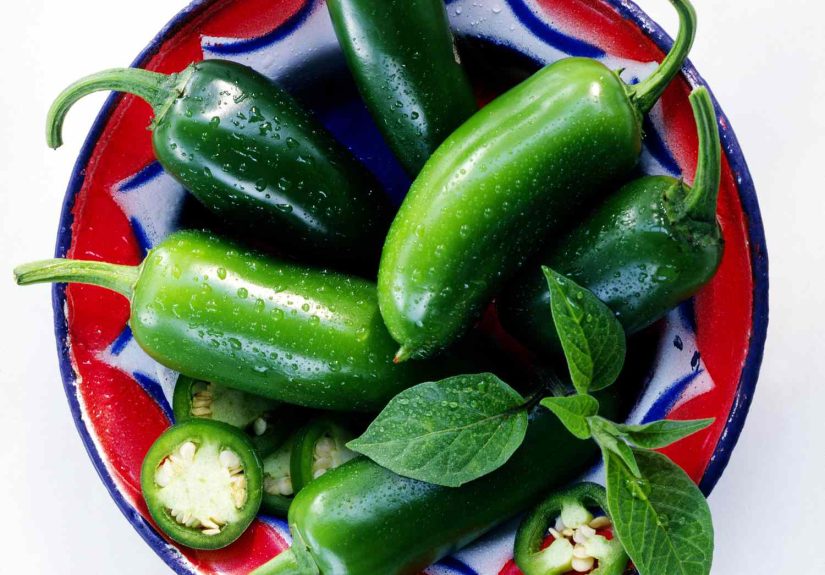
- 3 fresh jalapeños, seeded for mild (keep some seeds/membranes for more heat), roughly chopped
- 6 large garlic cloves, smashed
- 1 packed cup fresh cilantro leaves and tender stems (optional but recommended)
- 1/3 cup freshly squeezed lime juice (about 3–4 limes)
- 2 tablespoons apple cider vinegar or white wine vinegar
- 1/2 cup extra-virgin olive oil
- 1 tablespoon kosher salt
- 2 teaspoons granulated sugar or honey (balances acidity and heat)
- 1 teaspoon ground cumin
- 1 teaspoon dried oregano
- 1/2 teaspoon freshly ground black pepper
- Optional: 1–2 tablespoons soy sauce or fish sauce (umami boost)
- Optional: zest of 1 lime (extra aromatic lift)
Instructions
- Add jalapeños, garlic, cilantro, lime juice, vinegar, oil, salt, sugar, cumin, oregano, pepper, and any optional umami/zest to a blender. Blend until mostly smooth with small green flecks.
- Taste. You’re seeking a bright, salty-tart flavor that tastes a little more intense than you’d want as a saucemarinades should be slightly “too much” at room temp so they pop after cooking.
- Marinate 1½–2 lb of your chosen protein or vegetables (see timing below). Refrigerate in a zip-top bag or covered glass container; flip once halfway through for even coverage. Discard marinade after use or boil it for 1–2 minutes to use as a glaze.
How Long to Marinate (Without Ruining Texture)
Salt needs time to season; acids need restraint. Here are practical windows that balance flavor and texture based on widely tested kitchen guidance.
- Chicken breasts (boneless/skinless): 30 minutes to 2 hours (acidic marinades). Longer risks chalky texture.
- Chicken thighs (boneless or bone-in): 2–12 hours. Thighs are forgiving; go toward the longer end for deeper seasoning.
- Steak (flank/skirt/hanger): 1–8 hours. Past 8 hours, acid can start making the surface mealy; salt continues to help, but the texture tradeoff isn’t worth it.
- Pork chops: 1–8 hours. Same logic as steak.
- Shrimp: 15–30 minutes. Delicate proteins + acid = fast “ceviche-like” effects; keep it brief.
- Fish fillets: 15–30 minutes. A little longer for fatty fish like salmon is okay (up to 45 minutes).
- Tofu (extra-firm): 30–90 minutes; press first so it can actually absorb seasoning. (General technique consensus from U.S. test kitchens.)
- Vegetables (zucchini, mushrooms, peppers, onions): 30–60 minutes; any longer and they start to slump before cooking. (Technique guidance synthesized from mainstream U.S. cooking outlets.)
Food Safety You Must Know
- Always marinate in the fridge. Poultry can sit in a marinade up to 2 days (for safety), but texture is better within 12 hours for this acid-forward recipe.
- Use clean containers. Prefer glass, ceramic, or food-grade plastic; avoid reactive metals with acidic marinades.
- Don’t reuse raw marinade unless boiled first for at least 1–2 minutes.
- Cook to safe internal temps: 165°F for all poultry; 145°F (3-min rest) for whole cuts of pork and beef; 145°F for fish. Use a thermometer.
- Garlic-in-oil safety: If you stash leftover marinade or make garlic oil for basting, refrigerate and use quickly; garlic in oil is a known botulism risk at room temp. Discard homemade garlic-oil mixtures within 4 days (US public-health guidance) or 7 days (USDA Ask portal) and keep them cold.
Flavor Tweaks & Variations
- Smoky-Citrus: Add 1–2 teaspoons smoked paprika and orange zest.
- Herb-Forward: Swap cilantro for parsley + mint; add 1 tablespoon fresh thyme or Mexican oregano.
- Yogurt-Tenderized: Replace half the oil with plain whole-milk yogurt for a gentler, creamy marinade. (Yogurt tenderizes more slowly and forgivingly than straight citrus.)
- Umami Bomb: Add 1 tablespoon soy sauce and 1 teaspoon fish sauce; balances lime’s acidity and boosts browning.
- Extra-Hot: Keep the jalapeño seeds and ribs, or add a serrano. Epic jalapeño recipes show just how versatile this pepper is in both heat and flavor.
How to Use It (Step-by-Step for Popular Proteins)
Chicken Thighs, Bone-In or Boneless
- Marinate 2–12 hours.
- Grill over medium-high heat until 165°F in the thickest part; rest 5 minutes.
- Brush with a boiled portion of the marinade as a glaze in the final 2 minutes for shine.
Flank or Skirt Steak
- Marinate 1–8 hours.
- Grill over high heat to 130–135°F for medium-rare; rest 5 minutes; slice thinly against the grain.
Shrimp
- Marinate 15–30 minutes.
- Stir-fry or grill just until opaque and curled, about 2–3 minutes per side; pull at 120–125°F carryover. (Food-safety endpoint for seafood is 145°F; many cooks pull earlier for texture, but follow official guidance if immune-compromised.)
Tofu & Veggies
- Press tofu 20–30 minutes; marinate 30–90 minutes. Veggies: marinate 30–60 minutes.
- Roast at 425°F or grill in a basket until browned at the edges.
Science Notes (For the Curious Cook)
- Penetration reality check: Salt molecules move inward; most aromatics do not, so flavor concentrates at the surface where browning happensexactly where you want it.
- Acid is powerful: Lime and vinegar denature proteins (good in moderation), but too much time in acid can make meat spongy. Keep within the timing ranges above.
- Short marinades still help: Even 20–30 minutes makes a noticeable difference for many cuts.
Serving Ideas
- Taco night: Jalapeño-garlic skirt steak with quick pickled onions and avocado.
- Weeknight bowls: Limey chicken thighs over rice with black beans and charred corn.
- Seafood skewers: Shrimp with zucchini and red onion; finish with a squeeze of lime.
- Veg feast: Portobellos and bell peppers, grilled and stacked on toasted ciabatta with cotija.
Frequently Asked Questions
Can I save leftover marinade?
Only if you boil it for 1–2 minutes to kill any pathogens, then cool and refrigerate. Otherwise, discard.
Is it safe to add extra raw garlic?
Yes for immediate marinating; the key risk is storing garlic submerged in oilthat’s when botulism becomes a concern. Keep any garlic-oil mixtures refrigerated and use promptly (within 4 days per CDC guidance; USDA’s Ask portal allows up to 7 days).
What if I hate cilantro?
Use all parsley, or a mix of parsley and mint. You’ll still get brightness from lime and heat from jalapeño.
Can I swap yogurt in?
Absolutely. Yogurt marination is slower and gentler, which helps tenderize without mush. It’s particularly great for chicken.
One-Pan Meal Prep Idea
Marinate 2 lb boneless chicken thighs for 4 hours. Roast on a sheet pan at 425°F for 20–25 minutes with tossed peppers and onions. While it cooks, simmer 1/2 cup of the reserved and boiled marinade for 2 minutes to glaze the chicken in the last 5 minutes. Serve over rice with lime wedges. Safe, bright, done.
Conclusion
With the right balance of jalapeño, garlic, lime, salt, and oil, you get a flexible, weeknight-friendly marinade that flatters almost anything you cook. Keep your marinating times within recommended windows, grill or roast to food-safe temps, and remember: the boldest flavors live at the browned edges. That’s not a flawit’s the plan.
sapo: Meet your new flavor shortcut: a vibrant jalapeño-garlic marinade that brings smoky heat, citrusy tang, and garlicky depth to chicken, steak, shrimp, tofu, and vegetables. This guide includes a tested master formula, precise marinating times, food-safety temperatures, and smart variations (yogurt! umami!). Learn why salt actually penetrates while aromatics work their magic on the surface, how to keep garlic-in-oil safe, and when to stop marinating before texture turns mushy. Dinner just went from “meh” to “where have you been all my life?”
of Real-World Experience with Jalapeño-Garlic Marinade
I’ve cooked this marinade through every season and on every heat sourcecast-iron, gas grill, charcoal, oven broiler, and a modest nonstick skillet at a rental. Here’s what I’ve learned, so you skip the trial-and-error.
1) Seed strategy matters more than you think. For weeknight grilling with kids at the table, I seed two jalapeños fully and keep the third half-seeded. The flavor lands “medium,” and everyone’s happy. If you want a hotter batch for adults, keep all the membranes in and add a serrano. Mixing seeded and unseeded peppers lets you adjust heat predictably without changing the lime-salt balance, which keeps the marinade from tipping sour or salty.
2) Lime first, then oil. When tasting the blended marinade, I adjust salt and acid to taste before adding more oil. Oil softens flavors and can trick you into over-salting. When I nail the lime-salt level first, the marinade stays bright on the plate even after cooking.
3) The glaze trick is a game-changer. If you want restaurant-level gloss and concentrated flavor, reserve 1/2 cup of the raw marinade in a separate container before it touches meat, then simmer it for 2–3 minutes while your protein finishes cooking. Brush it on in the last minute. It clings, it shines, it tastes like you worked harder than you did.
4) Cut size is performance. For steak fajitas, I prefer to grill the flank steak whole to medium-rare, rest, and slice; for shrimp, I go skewers; for tofu, I cube into 1-inch pieces and give them space on the sheet pan so steam doesn’t crowd out browning. The same marinade tastes completely different depending on how well you brown the surface; air circulation and spacing are silent MVPs.
5) For meal prep, bank on thighs. Chicken thighs hold onto juiciness better through reheating than breasts. I marinate thighs for 6 hours, roast a big batch on Sunday, and pack bowls with rice, beans, and charred corn. A squeeze of fresh lime on the reheat day restores that just-made brightness.
6) Vegetables love itjust differently. Mushrooms and zucchini happily drink up flavor but turn soft if you marinate too long. I toss veggies in the marinade for 30 minutes, drain well, and roast hot at 425°F. If I’m grilling, I stick to larger pieces (or a basket) and finish with flaky salt and a little lime zest to pop the vegetal sweetness.
7) Don’t chase penetrationchase crust. Early on, I kept stabbing meat with a fork, hoping marinade would soak in. It pushes out juices and roughs up the texture. Now I focus on drying the exterior with paper towels before the protein hits the heat and making sure my pan or grill is properly preheated. The result: that tangy, garlicky crust I was really after all along.
8) The yogurt fork in the road. When the plan includes very high heat (cast-iron sear), I stick with the oil-and-lime base for rapid browning. When I’m oven-roasting or grilling gently, I swap in half yogurt for silkier texture and extra browning sugars. The yogurt version is especially great on drumsticks and bone-in thighs; it stays juicy even if you overshoot by a couple of minutes.
9) Storing smart. If I have leftover blended marinade that never touched raw meat, I pour it into an ice cube tray and freeze. Two cubes tossed with roasted potatoes or grilled corn bring back that jalapeño-lime spark without another blender session. If the marinade included extra raw garlic and oil, I label the container with a date and use within a few days, keeping it cold the whole time.
10) The accessory move. A side of quick pickled red onions (red onion + lime + pinch sugar + salt) and sliced avocado makes the heat feel intentional, not aggressive. As a final flourish, I love a scatter of cotija or feta for salty snap against the lime and garlic.
Bottom line: this marinade’s not just a recipeit’s a reliable system. Respect the timing, chase the crust, and let jalapeño and garlic do their bright, punchy thing. Dinner done, applause earned.