Table of Contents >> Show >> Hide
- The Story Behind the Glow
- What Makes Jean Pelle's Bubble Chandelier Different?
- Materials, Craftsmanship, and Customization
- Why Designers Keep Using It
- Best Rooms for a Bubble Chandelier
- How to Style Jean Pelle's Bubble Chandelier
- Trendy, Timeless, or Both?
- The Experience of Living With Jean Pelle's Bubble Chandelier
- Final Thoughts
Some light fixtures illuminate a room. Jean Pelle’s Bubble Chandelier does that, sure, but it also pulls off a second trick: it makes the ceiling feel like it has suddenly learned how to flirt. Delicate yet dramatic, airy yet highly engineered, the Bubble Chandelier has become one of those rare modern fixtures that designers mention with the same tone people use when talking about a favorite restaurant, a perfect white shirt, or a dog that somehow looks expensive. It is beautiful, yes, but it is also surprisingly useful. That combination is why this chandelier has lasted far beyond the average design-world crush.
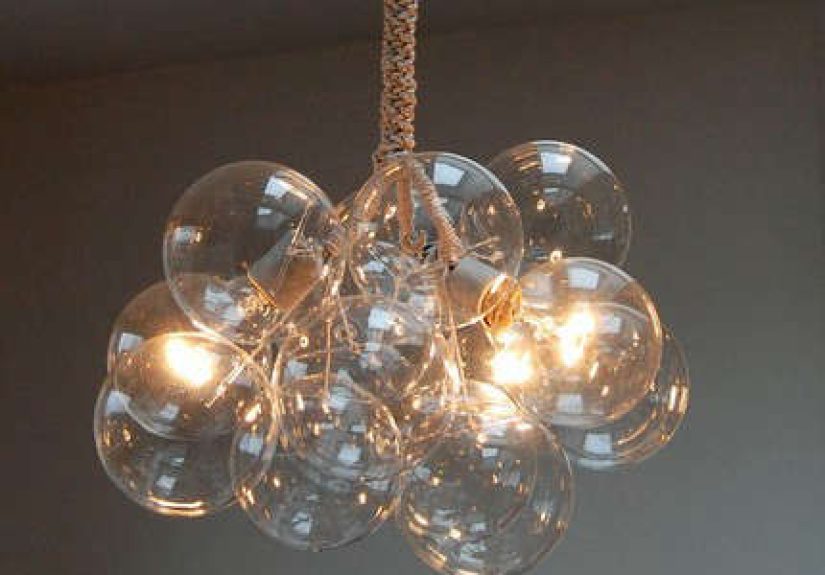
At a glance, the appeal seems simple. You see hand-blown glass globes suspended in clustered arrangements, coiled with cotton or leather cord, and finished with metal hardware that feels clean instead of cold. Look a little longer, though, and the real magic appears. The piece plays with density and emptiness at the same time. It occupies space without feeling heavy. It nods to the old-school glamour of a crystal chandelier without borrowing the fussy parts. In other words, it delivers drama without dressing like it is headed to prom in 1987.
That is the heart of Jean Pelle’s Bubble Chandelier: a sculptural light that feels poetic, precise, and unexpectedly warm. For homeowners, designers, and anyone trying to make a room feel more considered, it has become a benchmark for modern chandelier design. And not because it shouts. Because it hovers.
The Story Behind the Glow
The Bubble Chandelier is important partly because of where it came from. It did not begin as some giant corporate lighting launch with a marketing team and a dramatic product video full of slow-motion shadows. Its roots are much more interesting. The design started as an early concept by Jean Pelle, and that original idea eventually grew into the signature series that helped define PELLE as a studio.
That origin story matters because you can still feel it in the final object. The chandelier has the spirit of experimentation, but it does not look experimental in the unfinished sense. It looks resolved. Smart. Composed. It has the looseness of an artist’s sketch paired with the rigor of a product that actually has to work over a dining table without terrifying everyone below it.
Over time, the Bubble Chandelier expanded into a family of fixtures rather than a one-hit wonder. That evolution is one reason the design has stayed relevant. Instead of forcing one silhouette into every room, the collection offers multiple versions that preserve the same visual language while changing scale, proportion, and mood. That allows the design to travel from compact urban interiors to larger statement-making rooms without losing its identity.
What Makes Jean Pelle’s Bubble Chandelier Different?
It rethinks the crystal chandelier without copying it
Many luxury lighting pieces live in one of two camps. They are either aggressively contemporary and a little emotionally chilly, or they are traditional enough to make you wonder whether your room also needs a string quartet. Jean Pelle’s Bubble Chandelier slips between those extremes. It reinterprets the classic chandelier idea through clusters of blown-glass spheres, slimmer structure, and a lighter overall presence.
The result is a fixture that feels ceremonial without feeling antique. You get sparkle, reflection, and layered illumination, but you also get negative space. That negative space is crucial. It keeps the chandelier from becoming visually dense, which is exactly why the design works in interiors that range from modern lofts to richly textured traditional homes.
It behaves like a drawing in the air
One of the most compelling things about the Bubble Chandelier is the line work. The glass globes catch your eye first, but the cord wrapping and the slender armature guide the composition. The fixture almost reads like a sketch translated into three dimensions. That quality gives it movement. Even when it is still, it feels in motion.
Designers love that because rooms need more than objects; they need rhythm. A sofa anchors. A rug grounds. A chandelier can either flatten the room or animate it. This one animates. It pulls the eye upward, creates softness around hard architectural edges, and gives a ceiling plane something better to do than just exist politely.
It is decorative, but not sugary
There is a fine line between whimsical and precious. The Bubble Chandelier crosses into whimsy without getting sticky about it. The globes are playful, but the structure is disciplined. The cording adds tactility, but the metalwork keeps the whole thing crisp. It is the design equivalent of wearing one great vintage ring with a sharply tailored coat. Charming, but with standards.
Materials, Craftsmanship, and Customization
Part of the chandelier’s staying power comes from the materials. The standard palette is a refined combination of hand-blown glass, machined metal, and decorative coiling in cotton or leather. That mix creates a tension that makes the piece memorable. Glass brings delicacy and lightness. Brass or other metal finishes bring structure and polish. The coiling introduces something tactile and almost handmade in the best possible way.
That tactile quality is especially important because so much modern lighting leans overly slick. Jean Pelle’s Bubble Chandelier avoids that trap. It looks elevated, but it still reveals the hand behind the work. You notice the coiling. You notice the slight romance of the globes. You notice that the piece feels composed rather than mass-produced.
Customization also plays a major role in its appeal. Depending on the version, buyers can choose from different metal finishes, glass treatments, and coiling options. Some editions introduce hand-painted details, silver leaf, or gold leaf. That flexibility makes the Bubble Chandelier more than a product; it becomes a design tool. A designer can make it read minimal, glamorous, artistic, or quietly eccentric depending on the context.
This is also why the fixture works for both collectors and practical renovators. If you are building a room with strong materials like walnut, plaster, limestone, or velvet, the chandelier can be tuned to support that palette instead of fighting it. If your room needs warmth, leather cord helps. If it needs polish, satin brass steps in. If it needs a little extra theater, gilded or hand-painted globes enter like they own the place.
Why Designers Keep Using It
Some lights are popular because they photograph well. Others are popular because they solve real design problems. Jean Pelle’s Bubble Chandelier manages to do both, which is frankly a little unfair to the competition.
In published interiors, the fixture shows up in dining rooms, breakfast nooks, closets, entry spaces, and lofty living areas. That range says a lot. It means the chandelier is not locked into one aesthetic lane. In one home, it can add softness to a room full of hard architectural lines. In another, it can keep a richly layered interior from feeling too heavy. In yet another, it works almost like jewelry, giving a practical room a dose of ceremony.
Designers also return to it because of scale. The collection includes multiple sizes and formats, which means the same design language can be adapted to different ceiling heights and room dimensions. That matters. A beautiful light that only works in one kind of room is a diva. The Bubble Chandelier is more versatile. Still glamorous, yes, but willing to collaborate.
There is also the issue of visual temperature. Many statement chandeliers lean cold and sculptural. Others lean warm and traditional. The Bubble Chandelier sits in a very useful middle zone. Its glass makes it luminous and crisp, while the cord and handmade details make it approachable. That balance allows it to complement both contemporary and transitional interiors without looking like it wandered in from another project.
Best Rooms for a Bubble Chandelier
Dining rooms
This may be the chandelier’s most natural habitat. Over a dining table, it becomes a centerpiece without blocking views across the room. The clustered globes create intimacy, but the open composition keeps the fixture from feeling too bulky. If you want a dining room to feel special every day instead of only when relatives visit and suddenly start judging your napkins, this is an excellent move.
Breakfast nooks and kitchens
Used in a kitchen or breakfast area, the Bubble Chandelier brings a soft counterpoint to cabinetry, tile, stone, and metal hardware. This is where its balance of polish and warmth becomes especially effective. Kitchens can easily tip into either clinical or cluttered. A chandelier like this helps split the difference, adding softness and shape without turning the room into a stage set.
Entryways and stair halls
In transitional spaces, the chandelier works almost like a promise. It sets the tone for the house immediately. Because the design reads airy rather than dense, it can fill vertical volume beautifully in an entry or stair hall. You get a moment of sculpture overhead instead of a sad little ceiling light trying its best.
Bedrooms, dressing rooms, and closets
Yes, a chandelier in a closet can sound extravagant. But some rooms benefit from a little theatrical flair, and dressing spaces are one of them. The Bubble Chandelier is especially effective here because it adds glow, reflection, and texture without feeling too heavy or too ornate. It makes the room feel considered rather than simply expensive.
How to Style Jean Pelle’s Bubble Chandelier
The easiest way to style the chandelier well is to let it be the most intricate thing in the room. That does not mean the rest of the space has to be boring. It means you should give the fixture room to breathe. Pair it with strong but simple forms: a walnut table, upholstered dining chairs, limewashed walls, a sculptural console, or a rug with subtle pattern rather than visual chaos.
Material layering matters more than color overload. The chandelier already brings shimmer and transparency, so surrounding it with tactile surfaces works beautifully. Think velvet, bouclé, plaster, travertine, oak, leather, linen, and aged brass. Those materials help the fixture feel integrated rather than isolated.
It also plays especially well with rooms that need vertical interest. If you have high ceilings, the chandelier can prevent the space from feeling empty overhead. If you have average-height ceilings, choosing a smaller or more compact variation can still create a statement without overwhelming the room. Scale is everything. A chandelier should feel intentional, not like it is auditioning for a different house.
Trendy, Timeless, or Both?
Jean Pelle’s Bubble Chandelier became popular during a period when globe lighting, artisanal design, and sculptural fixtures were all gaining real traction. That helped, of course. But trend alone does not explain its staying power. Plenty of lights enjoy a brief moment in the design sun before becoming the visual equivalent of an expired yogurt cup.
The Bubble Chandelier has lasted because it is built on strong fundamentals: clear geometry, material contrast, craftsmanship, and emotional resonance. It is recognizable, but not gimmicky. Distinctive, but not impossible to live with. It can photograph beautifully in a glossy magazine spread and still make sense on a random Tuesday morning when someone is eating cereal beneath it in mismatched socks.
That is a pretty good test for timelessness. If an object still feels convincing when the styling team goes home, it probably has real design value.
The Experience of Living With Jean Pelle’s Bubble Chandelier
Living with a Bubble Chandelier is less like owning a flashy statement piece and more like having a room suddenly become better behaved. The first change is atmospheric. Light spreads differently around glass globes than it does around a heavy opaque fixture, so the room tends to feel brighter, softer, and more dimensional. At night, the chandelier throws a calm, almost floating glow that makes dinner feel slightly more intentional, even if the menu is just takeout and selective optimism.
There is also a subtle emotional effect. Because the design is airy, people look up and then relax. The fixture has presence, but it does not press down on the room. It creates a focal point without making everything else feel lesser. Good lighting should flatter not just the architecture, but also the mood of the people in it. This chandelier does that particularly well. It can make a modern interior feel less severe, a traditional room feel less predictable, and a small gathering feel more special without any extra effort.
Another part of the experience is how often the fixture changes throughout the day. Morning light makes the glass feel crisp and quiet. Afternoon light emphasizes shape and shadow. At night, the chandelier becomes warmer and more theatrical. This shifting quality is one reason people stay attached to sculptural lighting over time. You are not looking at the exact same object every hour. The room keeps having a conversation with it.
People also tend to underestimate how much a handmade fixture changes the personality of a space. With Jean Pelle’s Bubble Chandelier, you notice the cording, the finish, the composition, and the irregular beauty that comes from crafted materials. It does not feel anonymous. It feels chosen. That sense of authorship can make an entire room seem more grounded and personal, even if the rest of the furniture is relatively restrained.
In practical terms, the chandelier also performs a kind of visual diplomacy. In open-plan homes, it helps define a zone without adding a wall. In eclectic interiors, it can connect modern and vintage pieces because it contains both precision and softness. In quieter rooms, it gives the eye something memorable to land on. It is one of those rare objects that can be both the punctuation mark and the bridge.
And then there is the social experience. People notice it. They ask about it. They usually do not ask in that suspicious, “How much did this cost?” tone either. They ask because the chandelier does not look generic. It looks like a design decision. That distinction matters. A lot of luxury interiors are full of expensive things that somehow manage to feel emotionally flat. The Bubble Chandelier has the opposite effect. It sparks curiosity because it feels alive in the room.
Perhaps the best compliment you can pay a fixture is this: after a while, it starts to feel inevitable. You stop thinking of it as an object you installed and start thinking of it as part of how the room understands itself. That is the long-term experience of Jean Pelle’s Bubble Chandelier. Not novelty. Not trend-chasing. Just a steady, luminous sense that the space became more itself the moment the chandelier arrived.
Final Thoughts
Jean Pelle’s Bubble Chandelier has earned its reputation because it solves a difficult design problem with unusual grace. It is decorative without becoming fussy, modern without becoming sterile, and expressive without becoming exhausting. It offers the romance people want from statement lighting and the restraint designers need to keep a room from tipping into chaos.
More importantly, it feels human. In a market full of lights that either imitate the past too literally or chase novelty too aggressively, the Bubble Chandelier lands in a much more compelling place. It respects craftsmanship, embraces customization, and understands that the best luxury objects do not just impress people; they improve the feeling of everyday life.
That is why Jean Pelle’s Bubble Chandelier continues to matter. Not because it is loud. Because it is memorable. And because once you have seen a room lifted by one, ordinary overhead lighting starts to feel a little… emotionally unavailable.