
Table of Contents >> Show >> Hide
Note: This article is formatted for direct web publishing. Source links are intentionally omitted from the body text for cleaner presentation.
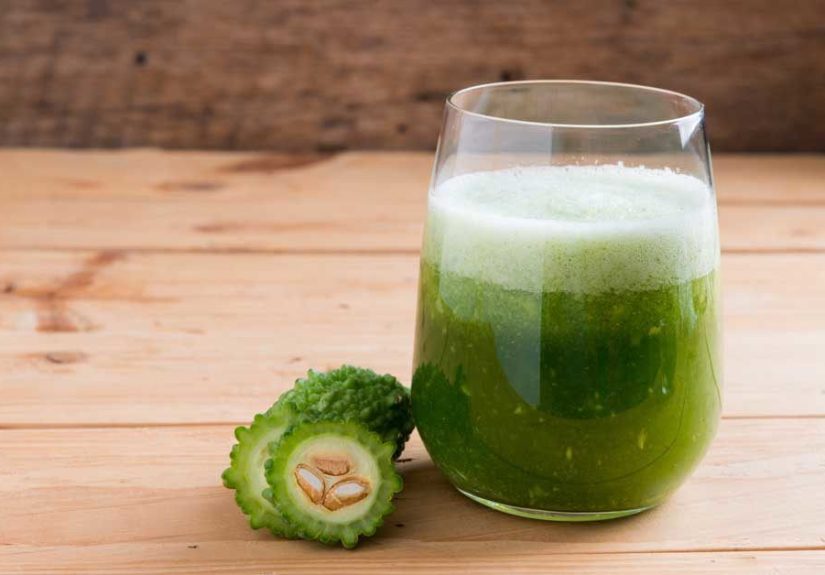
Karela juice is not the kind of drink that tries to charm you with sweetness. It shows up bitter, bold, and fully aware that it is an acquired taste. Also known as bitter melon juice or bitter gourd juice, karela juice has long been used in traditional cooking and wellness routines across Asia, the Caribbean, and other tropical regions. In recent years, it has also started popping up in American health conversations for one simple reason: people want to know whether this famously bitter drink actually does anything useful.
The short answer is yes, but with a few important footnotes. Karela is low in calories, contains fiber and vitamin C, and offers plant compounds that researchers continue to study for their possible effects on blood sugar, inflammation, and overall metabolic health. At the same time, karela juice is not a miracle liquid, not a replacement for diabetes medication, and definitely not a beverage you should chug like iced tea on a hot day.
This guide breaks down the nutrition of karela juice, its potential health benefits, who should be careful with it, and how to make karela juice at home without feeling like your taste buds have been personally attacked.
What Is Karela Juice?
Karela comes from the bitter melon plant, a tropical vine related to cucumber, squash, and pumpkin. The fruit usually has wrinkled, bumpy skin and a sharp bitter flavor that stands out even in small amounts. When turned into juice, that bitterness becomes the star of the show. Some people love it. Many people tolerate it. A brave few claim to crave it.
Fresh karela juice is typically made by blending raw bitter melon with water and optional add-ins like lemon, cucumber, green apple, ginger, or mint. The goal is not to turn it into dessert. The goal is to make it drinkable while preserving its naturally strong profile and nutritional value.
Karela Juice Nutrition
One reason karela juice gets attention is that bitter melon itself is surprisingly nutrient-dense for such a low-calorie food. Exact nutrition depends on the size of the fruit, whether you strain the juice, and what you add to it, but karela generally provides a useful mix of vitamins, minerals, and plant compounds.
Key nutrients found in bitter melon
- Vitamin C: Supports immune health, collagen production, and antioxidant defense.
- Folate: Important for cell growth and healthy tissue development.
- Potassium: Helps with fluid balance, nerve function, and muscle activity.
- Fiber: Supports digestion and may help with fullness, especially if the juice is unstrained.
- Small amounts of calcium and iron: Not sky-high, but still part of the nutritional package.
Bitter melon also contains naturally occurring plant compounds, including polyphenols and other bioactive substances that researchers are studying for their antioxidant and metabolic effects. That is one reason karela juice is often discussed in the same breath as functional foods. It is not just “green liquid in a glass.” It comes with a chemical toolbox that scientists find interesting, even if the research is still evolving.
One thing worth noting is that juicing can reduce the fiber content if you strain out the pulp. If you want the most filling and gut-friendly version, blend the karela well and leave some pulp in the final drink. Your blender may complain, but your fiber intake will not.
Potential Benefits of Karela Juice
The possible benefits of karela juice are what give it a health halo, but it is smart to keep both feet on the ground. Research on bitter melon is promising in some areas, limited in others, and far from conclusive when it comes to using it like a medical treatment.
1. It may help support blood sugar management
This is the headline benefit most people associate with karela juice. Bitter melon contains compounds that appear to influence how the body handles glucose. Some studies suggest it may support blood sugar regulation, and that is why it is frequently discussed in relation to type 2 diabetes and insulin sensitivity.
Still, this is where caution matters. “May help” is not the same as “proven cure.” Research in humans is mixed, and even the more promising studies do not suggest that karela juice should replace prescribed diabetes care. If you take insulin or blood sugar-lowering medication, adding karela juice without medical guidance could push blood sugar too low.
In plain English: karela juice might be a useful addition to an overall healthy diet for some people, but it is not a substitute for your doctor, your medication plan, or common sense.
2. It provides antioxidant support
Like many colorful fruits and vegetables, bitter melon contains antioxidant compounds that help protect cells from oxidative stress. Oxidative stress is linked to aging and a range of chronic health concerns. No, drinking one glass will not suddenly make you glow like a skin-care commercial, but regularly eating antioxidant-rich foods is still a smart move.
3. It may support digestion
Karela has traditionally been used in many food cultures as part of digestive routines. When the juice contains some pulp, it offers a bit more fiber, which can support digestive regularity and satiety. Some people also find that bitter flavors stimulate appetite and digestion. Others find that karela on an empty stomach feels like a personal challenge from the universe. Your mileage may vary.
4. It can fit into a weight-conscious eating pattern
Karela juice is naturally low in calories and sugar, especially if you skip added sweeteners. That makes it a reasonable option for people trying to cut back on sugary drinks. Replacing soda, sweet tea, or syrupy “health” beverages with a vegetable-based juice can reduce calorie intake without much effort.
That said, weight management is about overall habits, not one bitter beverage. Karela juice can support a balanced routine, but it cannot outwork daily fast-food runs and midnight cookie negotiations.
5. It may complement a heart-healthy diet
Bitter melon contains potassium and antioxidant compounds, and some early research has explored its possible role in cholesterol and metabolic health. The evidence is still limited, but karela fits well into a diet built around vegetables, whole foods, and lower added sugar. In that sense, its biggest benefit may be practical: it encourages people to drink something plant-based instead of something ultra-processed.
How to Make Karela Juice at Home
If you can make a smoothie, you can make karela juice. The bigger challenge is flavor balance. Karela does not believe in subtlety, so the trick is softening the bitterness without turning the drink into a sugar bomb.
Basic karela juice recipe
Ingredients:
- 2 medium karela (bitter melons)
- 1 to 1 1/2 cups cold water
- 1 tablespoon lemon or lime juice
- 1/2 small cucumber, optional
- 1/2 green apple, optional for a milder flavor
- A small piece of fresh ginger, optional
- A few mint leaves, optional
- Pinch of black salt or regular salt, optional
Step-by-step instructions
- Wash the karela well. Scrub the bumpy surface under running water.
- Cut lengthwise and remove the seeds. If the seeds are hard and bright red, definitely remove them.
- Slice the flesh into smaller pieces. This helps the blender do its job without dramatic resistance.
- Reduce bitterness if needed. You can sprinkle the slices with a little salt and let them sit for 15 to 20 minutes, then rinse. Some people also soak them briefly in water with lemon juice.
- Blend. Add the karela, water, lemon juice, and any optional ingredients to a blender. Blend until smooth.
- Strain or don’t strain. If you want a thinner drink, strain it. If you want more fiber and body, keep some or all of the pulp.
- Serve fresh. Karela juice tastes best right after making it, ideally chilled.
Tips to make karela juice taste better
- Add cucumber for freshness without too much sweetness.
- Use a little green apple if you are new to bitter flavors.
- Try ginger and lemon to brighten the flavor.
- Keep portions modest at first. A small glass is enough.
- Do not drown it in honey or sugar unless your goal is to cancel the whole point.
Best Time to Drink Karela Juice
Many people drink karela juice in the morning, often before breakfast. The idea is that an empty stomach may help them absorb the nutrients and make the drink part of a regular wellness routine. But there is no universal rule. Some people feel fine with that approach, while others find raw bitter juice first thing in the morning a bit too aggressive.
If you are trying karela juice for the first time, start with a small serving and have it with or after food if that feels better. Your digestive system deserves a polite introduction, not a surprise ambush.
Who Should Be Careful With Karela Juice?
Karela juice is food, but it is also a food with active compounds that can affect the body in noticeable ways. That means some people should be cautious.
You should talk to a healthcare professional before using karela juice regularly if:
- You have diabetes or take blood sugar-lowering medication.
- You are pregnant or trying to become pregnant.
- You are breastfeeding.
- You are preparing for surgery.
- You take medications that may interact with herbal or plant compounds.
- You have a history of digestive sensitivity.
Possible side effects may include stomach upset, cramping, diarrhea, headache, or low blood sugar in susceptible individuals. More is not better here. A small serving a few times a week makes much more sense than treating karela juice like some kind of all-day wellness challenge.
Karela Juice vs. Eating Whole Bitter Melon
If you enjoy bitter melon in stir-fries, soups, or stuffed vegetable dishes, that can be just as useful as drinking it in juice form. In fact, eating the whole vegetable may be better for some people because it usually provides more fiber and feels gentler than concentrated juice.
Juice is convenient and quick, but whole-food versions often win on satiety and balance. A good rule is this: if you love karela juice, enjoy it sensibly. If you hate it, you do not need to force a tragic relationship. Cooked bitter melon can still have a place in your diet.
Real-World Experiences With Karela Juice
Ask ten people about karela juice and you will get ten very different reactions. One person will call it a daily ritual. Another will describe it like liquid regret. Both may be telling the truth.
For many beginners, the first experience is memorable for one reason only: the bitterness. Karela juice does not ease you in gently. It arrives with the intensity of a food that never asked for mainstream approval. A lot of first-time drinkers make the same face kids make when they realize “sour candy” was not just clever branding. But after a few tries, some people begin to appreciate the grassy, earthy sharpness, especially when balanced with lemon, cucumber, or ginger.
People who build karela juice into their routine often describe the best results in practical terms rather than dramatic ones. They may say they feel lighter after replacing sugary breakfast drinks with something vegetable-based. They may notice that drinking a small glass a few times a week helps them feel more disciplined about the rest of their food choices. Sometimes the biggest benefit of karela juice is not magic happening in the bloodstream. It is the fact that starting your day with something this unapologetically healthy makes it much harder to justify a giant pastry ten minutes later.
Home cooks also learn quickly that preparation changes everything. Someone who hates plain karela juice may enjoy it when blended with cucumber and mint. Another person may prefer a savory version with lemon and a tiny pinch of salt. Others discover that lightly salting and rinsing the bitter melon before blending makes the flavor far more manageable. In other words, the “best” karela juice is usually the version you can drink consistently without feeling punished.
There are also people who try karela juice because a friend, relative, or neighbor swears by it for blood sugar support. This is where real-life experience can get a little messy. Some people feel encouraged by the tradition and by the habit of making healthier choices overall. Others expect instant results and get disappointed when one glass does not transform their lab work by next Tuesday. Karela juice tends to work best when people treat it as one part of a bigger lifestyle picture that includes balanced meals, movement, sleep, and medical care when needed.
Then there is the taste adaptation phase. It is surprisingly real. Many people who now enjoy karela juice admit they absolutely did not love it at first. But bitter flavors can become more familiar over time, much like black coffee, arugula, or dark chocolate. What starts as “Why did I do this to myself?” can slowly evolve into “This is weirdly refreshing.” That shift does not happen for everyone, of course. Some people remain firmly committed to never meeting bitter melon in beverage form again, and frankly, that is their constitutional right.
Another common experience is learning that smaller servings are better. A modest glass often feels energizing and manageable, while a large one can be too intense, especially on an empty stomach. The people who have the smoothest experience with karela juice usually keep it simple: fresh ingredients, modest portions, and realistic expectations. No miracle claims. No dramatic detox speeches. Just a nutrient-rich, bitter vegetable drink used thoughtfully as part of a healthy routine.
That may be the most honest takeaway of all. Karela juice is not popular because it tastes like a milkshake. It is popular because people see it as a purposeful drink. For some, that purpose is nutrition. For others, it is cultural tradition. For many, it is simply the feeling of doing something good for their body, one bracing sip at a time.
Final Thoughts
Karela juice is one of those wellness drinks that earns attention the hard way. It is nutrient-rich, naturally low in sugar, and supported by early research suggesting possible benefits for blood sugar regulation and overall metabolic health. At the same time, it is not a cure-all, not a substitute for medical treatment, and not ideal for everyone.
If you want to try karela juice, keep it simple: start small, make it fresh, pair it with a balanced diet, and be especially careful if you have diabetes or take medications. Bitterness may be its signature, but smart use is its real superpower.






 Close
Close