
Table of Contents >> Show >> Hide
- Quick Jump Guide
- Start With How You Actually Use the Kitchen
- Color and Finishes That Don’t Feel “Try-Hard”
- Cabinets: Big Impact Without Big Drama
- Backsplash and Countertops: Your “Design Moment”
- Lighting: The Fastest Way to Make a Kitchen Look Expensive
- Storage That Doesn’t Look Like Storage
- Decorating Details: Rugs, Art, Greenery, and Personality
- Small Kitchen Ideas That Actually Feel Bigger
- A Simple Upgrade Plan (Weekend to Remodel)
- Experience-Based Lessons (The “Wish I Knew” Section)
- 1) Open shelving is beautiful… and also a relationship contract
- 2) The biggest “why does my kitchen feel gloomy?” culprit is almost always lighting
- 3) Hardware is the easiest way to make cabinets feel new
- 4) Backsplash regret is realso choose it like you’ll see it every day (because you will)
- 5) “More storage” isn’t the goalsmarter storage is
- 6) A kitchen feels “designed” when it has one clear focal point
- 7) The most livable kitchens balance warmth and wipeability
Your kitchen is doing a lot these days. It’s a cooking zone, a snack factory, a homework desk, a “where did my phone go” station,
and the unofficial meeting room for anyone within a 30-foot radius of food. So if your kitchen looks tiredor just feels like it’s
fighting yougood news: you don’t have to bulldoze a wall to make it feel fresh, functional, and genuinely you.
This guide breaks down kitchen decorating and design ideas that work in real homes (with real budgets, real messes, and real people who
don’t store flour in artisanal glass jars 24/7). We’ll cover layout thinking, color, cabinets, backsplashes, lighting, storage, and styling
plus a big “experience-based” section at the end so you can dodge the most common design regrets like a pro.
Start With How You Actually Use the Kitchen
Before you pick paint or fall in love with a backsplash tile shaped like a tiny scallop (no judgmentit’s adorable), do one thing:
audit your kitchen life. Design works best when it supports your daily habits, not the fantasy version of you who makes
homemade pasta on a Tuesday.
Think in zones, not just “the kitchen”
- Prep zone: Clear counter space near the sink and trash/recycling makes chopping and cleanup easier.
- Cook zone: Easy access to utensils, spices, oils, and pans where you actually cook.
- Clean zone: Dishwasher and dish storage should be a short, logical route (no obstacle course required).
- Snack/beverage zone: A small station for coffee/tea, water bottles, and grab-and-go snacks cuts clutter elsewhere.
- Landing zone: One small spot for keys, mail, and backpacks prevents the “paper blizzard” effect.
Once you know which zones feel cramped or chaotic, you’ll make better choices about storage, lighting, and décorbecause you’re solving
a real problem, not just shopping for vibes.
Color and Finishes That Don’t Feel “Try-Hard”
Color is the easiest way to change a kitchen’s mood. Lately, kitchens have been moving away from icy, sterile neutrals and toward warmer,
more nature-inspired tonesthink soft greens, muted blues, warm off-whites, and grounded earth tones. The goal isn’t “trend-chasing.”
The goal is a kitchen that feels welcoming at 7 a.m. and still looks good at 7 p.m.
A reliable color strategy: pick one anchor, one supporting player, one accent
- Anchor (largest surfaces): cabinets, walls, or major tile
- Supporting (secondary surfaces): countertops, floors, backsplash
- Accent (small but mighty): hardware, lighting, stools, art, textiles
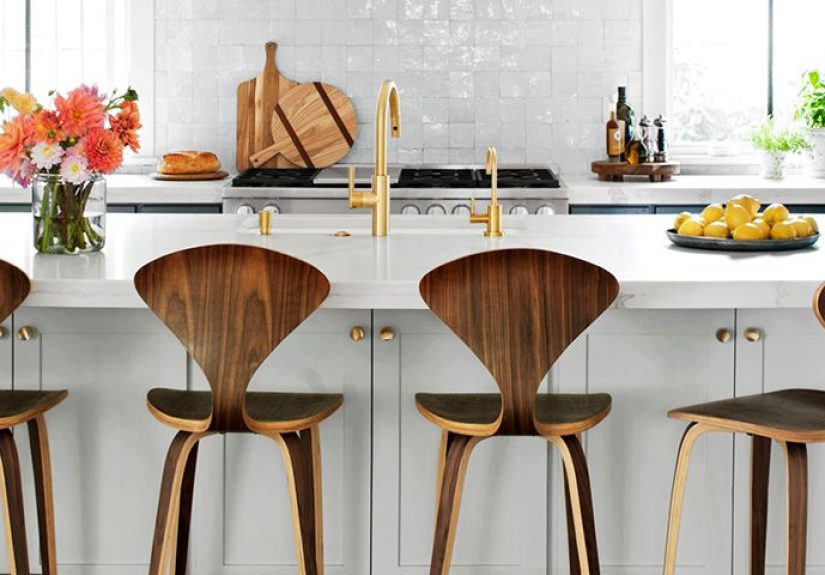
Example: warm off-white cabinets (anchor) + a soft veined countertop (supporting) + aged brass pulls and a moody runner rug (accent).
It’s classic, not boring.
Finish mixing: the shortcut to “designer”
Matchy-matchy can read flat. Instead, aim for intentional mixing:
pair warm metals (brass/bronze) with wood tones, use matte finishes to calm down glossy surfaces, and repeat one finish at least
two or three times so it looks plannedlike you meant to do it, not like you ran out of options.
Cabinets: Big Impact Without Big Drama
Cabinets take up a ton of visual space, so they’re basically the “outfit” your kitchen wears every day. The good news: you can upgrade
cabinet style without replacing every box in sight.
High-impact cabinet ideas (no full gut job required)
-
Paint or refinish strategically: If a full repaint feels like a lot, consider painting just the island or lower cabinets
to create contrast and depth. -
Upgrade hardware: Think of knobs and pulls as kitchen jewelry. Swapping hardware can modernize a kitchen in an afternoon
and improve how drawers feel in your hand. - Add trim or a simple detail: Light molding, a cleaner edge profile, or updated toe-kick details can subtly change the vibe.
- Use glass thoughtfully: A couple of glass-front uppers can lighten a heavy wall of cabinetryespecially in smaller kitchens.
Two-tone cabinets (done the grown-up way)
Two-tone cabinetry isn’t just “dark lowers, light uppers.” Try:
natural wood lowers with painted uppers, a deeper island color with calmer perimeter cabinets, or a pantry wall in a richer shade to create
a focal point. The key is balance: if one element is bold, keep the others supportive.
Backsplash and Countertops: Your “Design Moment”
If you want your kitchen to feel custom, pick a “design moment” and let it shine. For many kitchens, the backsplash is the sweet spot:
it’s visible, it adds texture and personality, and it’s easier to change than cabinets.
Backsplash ideas that look good and live well
- Classic subway tilestyled smarter: change the layout (stacked, herringbone), grout color, or finish for a fresh look.
- Zellige-style or handmade-look tile: adds movement and texture even in a simple color.
- Stone slab backsplash: running the countertop material up the wall can look seamless and high-end.
- Patterned tile as a spotlight: use it behind the range or sink and keep the rest quieter.
- Easy-clean matters: kitchens are hardworking spaceschoose materials and grout you won’t resent later.
Countertops: pick for lifestyle first, style second (yes, really)
Your counter is where real life happens. If you cook daily, prioritize durability and easy maintenance. If you’re more of a “assemble snacks,
reheat leftovers, be fabulous” household, you can lean harder into aesthetics. Either way, try to avoid pairing a very busy counter with a very
busy backsplash unless you love visual drama and never lose things on patterned surfaces.
Lighting: The Fastest Way to Make a Kitchen Look Expensive
Lighting is the unsung hero of kitchen design. Great lighting makes a basic kitchen feel elevated, and bad lighting makes even gorgeous finishes
look… suspicious. The best approach is layered lighting: ambient + task + accent.
Layer 1: Ambient lighting (the “whole room” light)
This is your overall brightnessrecessed lights, flush mounts, or a central fixture. Aim for even coverage so you’re not cooking in dramatic
shadows like you’re auditioning for a mystery movie.
Layer 2: Task lighting (the “let me see what I’m chopping” light)
Under-cabinet lighting is one of the best upgrades you can make. It brightens counters, reduces shadows, and makes the kitchen feel more modern.
Pendants over an island can also provide task lightingjust place them to illuminate work areas without blinding you.
Layer 3: Accent lighting (the “wow, this feels cozy” light)
Accent lighting highlights open shelving, glass cabinets, artwork, or architectural details. It also adds depthyour kitchen will feel layered,
not flat.
Statement lighting: function plus personality
Decorative pendants or a bold fixture over the island can become a kitchen focal point. The trick is to pair the statement piece with
practical lighting elsewhere. Pretty and useful can absolutely be best friends.
Safety note: for electrical work, hire a qualified professional. The only thing that should be “shocking” in your kitchen is how good it looks.
Storage That Doesn’t Look Like Storage
The secret to a calm-looking kitchen isn’t owning fewer items (though, sure, that helps). It’s having homes for the items
so counters don’t turn into a permanent yard sale.
Storage ideas that also upgrade your style
- Open shelving (selectively): one section can look airy and intentionalespecially if you keep it curated.
- Vertical storage: peg rails, wall-mounted bins, and tall cabinetry use space you’re already paying rent for.
- Drawer organizers: the unglamorous hero of a functional kitchen (and your sanity).
- Pantry zones: group snacks, breakfast, baking, and meal prep so you’re not hunting like it’s a scavenger game.
- “Appliance garage” vibe: keep daily-use small appliances grouped in one area to prevent counter sprawl.
Open shelving without the chaos
If you want open shelves, treat them like a displaybecause they are. Use a limited color palette for dishes, mix in a few decorative items
(a small plant, a cutting board, a framed print), and leave breathing room. The fastest way to make open shelving look messy is to fill
every inch.
Decorating Details: Rugs, Art, Greenery, and Personality
Once the “big rocks” (layout, storage, lighting) make sense, decorating becomes fun instead of frustrating. Kitchen décor works best when it’s
a mix of pretty and useful.
Easy decorating wins
- Rugs and runners: add color, warmth, and softness. Pick something easy to clean and sized for your main walking path.
- Art in the kitchen: yes, it’s allowed. Frame something simple or playful and keep it away from heavy splatter zones.
- Greenery: herbs on the windowsill, a trailing plant on a shelf, or a bowl of citrus that pretends it’s décor (and sometimes is).
- Textiles: towels, Roman shades, and seat cushions are affordable ways to bring in pattern and color.
- Counter styling: group items into small “moments” (tray + oil/salt + utensil crock) instead of scattering them everywhere.
Pick one “hero” and keep the rest supportive
A kitchen can handle a bold backsplash, or bold lighting, or bold cabinet color. It can handle all three too… but only if you’re very intentional
and your space has enough visual breathing room. When in doubt, choose one hero feature and let it lead.
Small Kitchen Ideas That Actually Feel Bigger
Small kitchens aren’t a design punishment. They just require smarter choices. The goal is to increase function and reduce visual noise.
Make it feel larger (without moving walls)
- Use vertical space: tall cabinets, peg rails, shelves, and wall storage keep counters open.
- Prioritize light: keep window areas open when possible, and use layered lighting to reduce shadows.
- Create “calm” with simpler palettes: fewer competing colors helps the space feel more expansive.
- Choose clear or lighter visual elements: glass pendants, open shelving sections, and lighter finishes can reduce heaviness.
- Give yourself one design moment: a patterned tile, a colorful rug, or a standout light fixturethen keep the rest simple.
Small kitchen decorating is basically the art of being intentional. Every item should either earn its keep (function) or earn its spotlight (beauty).
Bonus points if it does both.
A Simple Upgrade Plan (Weekend to Remodel)
Weekend upgrades (high reward, low chaos)
- Swap cabinet hardware and update the faucet (if needed).
- Add a runner or washable rug for color and softness.
- Change bulbs and add under-cabinet lighting for instant glow.
- Declutter counters and build two small “styled zones” (like a beverage corner and a prep corner).
- Hang one piece of art or add one plant that makes you smile.
Medium upgrades (a little planning, big impact)
- Paint walls or cabinets (or just the island/lower cabinets).
- Install a new backsplash (or a smaller feature section behind the range).
- Add open shelving in one area to lighten the room visually.
- Rework pantry and drawer storage so your kitchen behaves better.
Remodel-level moves (when you’re ready)
- Improve layout flow between prep, cook, and clean zones.
- Invest in the “hard-to-change” elements first: cabinetry, lighting infrastructure, and flooring.
- Plan lighting like a system: ambient + task + accent, with controls that make sense.
- Build in storage that matches your life: pantry zones, a coffee/tea station, and smarter island storage.
Experience-Based Lessons (The “Wish I Knew” Section)
You can read all the kitchen decorating and design ideas in the world, but the real learning happens when you live in the space.
Here are experience-based patterns that show up again and againso you can steal the wisdom without paying the “oops” tax.
1) Open shelving is beautiful… and also a relationship contract
Open shelves look airy, modern, and styleduntil they turn into a parking lot for random mugs, snack boxes, and that one blender you swear
you use “all the time.” The lesson: open shelving works best when you treat it like a display, not overflow storage. People who love open shelves
usually do three things: they keep a tight color palette for dishes, they leave negative space (empty areas), and they store the truly chaotic stuff
behind closed doors. If you want the look without the pressure, try one short run of open shelving or remove just one upper cabinet section.
You’ll get the lightness without signing up for a full-time styling job.
2) The biggest “why does my kitchen feel gloomy?” culprit is almost always lighting
Many kitchens technically have enough light, but it’s in the wrong place. A single overhead fixture can cast shadows right where you prep food,
which makes the kitchen feel dim even when it’s “on.” The fix most people celebrate later is layered lighting:
overhead ambient for the room, under-cabinet task lighting for counters, and a little accent lighting for depth. Once you add under-cabinet lighting,
it’s common to wonder how you ever lived without it. It’s the rare upgrade that’s both practical and instantly “wow.”
3) Hardware is the easiest way to make cabinets feel new
People tend to underestimate hardware because it’s small. But visually, cabinet pulls repeat across the room like a patternso changing them changes
the whole rhythm of the kitchen. The most satisfying results usually come from “jewelry thinking”:
pick a finish that complements your faucet and lighting, choose a shape that matches your style (sleek, classic, playful), and then repeat it consistently.
If you’re mixing metals, repeat each finish at least twice so it reads intentional. A kitchen that once felt generic can suddenly look custom,
and the only demolition involved is a screwdriver.
4) Backsplash regret is realso choose it like you’ll see it every day (because you will)
The backsplash is tempting territory. It’s where people get bold fastsometimes too fast. A good approach is to pick a backsplash that either
(a) brings texture in a calm color, or (b) brings pattern in a smaller area, like behind the range. If you love a dramatic tile, consider using it
as the one “design moment” and keeping counters and cabinets quieter. Also: grout matters. Grout color can make tile look crisp and modern or soft
and blended. Many homeowners wish they’d thought about cleaning sooner toobecause a backsplash should be your kitchen’s sparkle, not your weekly
scrubbing hobby.
5) “More storage” isn’t the goalsmarter storage is
Kitchens get messy when storage doesn’t match behavior. If snacks live in five different places, you’ll always have snacks everywhere.
If the cutting boards are far from the prep zone, they’ll end up leaning against the backsplash like they’re trying to escape.
The best real-life storage wins come from zoning: keep prep tools together, put dishes near the dishwasher, group breakfast items, and create one landing
spot for daily clutter. Even in small kitchens, vertical storage (rails, shelves, wall bins, peg systems) often changes the game because it adds function
without stealing floor space.
6) A kitchen feels “designed” when it has one clear focal point
Kitchens that look pulled together usually have one obvious anchor: a statement light over the island, a beautiful backsplash, a bold island color,
or a standout range hood. Everything else supports that moment. Kitchens that feel “busy” usually have too many competing focal points at once.
If you’re not sure what your kitchen’s hero should be, pick the thing you see most often when you walk inthen make that the feature.
It’s a simple trick that turns “random upgrades” into a cohesive design story.
7) The most livable kitchens balance warmth and wipeability
Real kitchens get fingerprints, splashes, and life. The kitchens people love long-term are the ones that feel warm (wood tones, soft colors, layered lighting,
textiles, a little personality) but are still easy to maintain (durable surfaces, smart lighting placement, and a few closed storage zones for the visual clutter).
The goal isn’t perfection. The goal is a kitchen that looks great while you’re living in itnot just when it’s staged and no one is allowed to breathe.







 Close
Close