
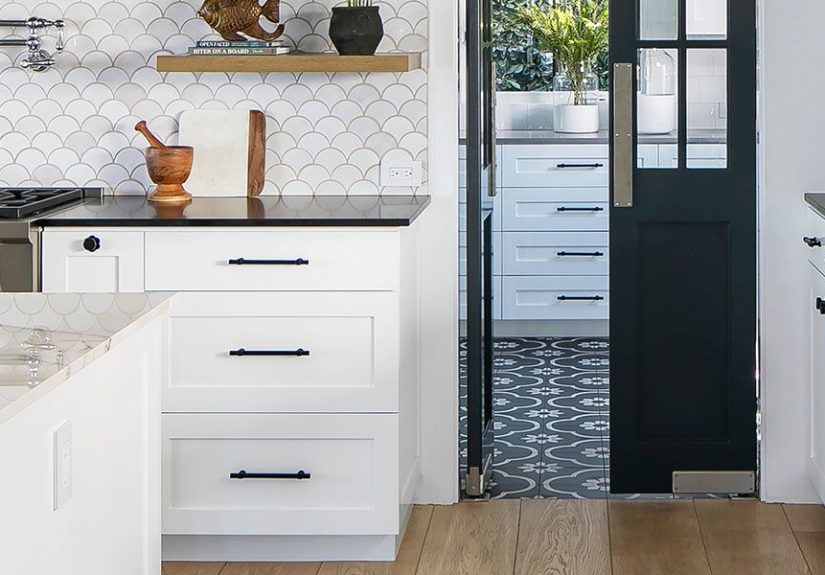
Table of Contents >> Show >> Hide
- How to Choose a Kitchen Decorating Style (Without Spiraling)
- The Most Popular Kitchen Decorating Styles (Decoded)
- 1) Modern Kitchen Style
- 2) Contemporary Kitchen Style
- 3) Traditional Kitchen Design
- 4) Transitional Kitchen Style
- 5) Farmhouse Kitchen Decor (Classic and Modern Farmhouse)
- 6) Scandinavian Kitchen Style
- 7) Industrial Kitchen Decor
- 8) Coastal Kitchen Style
- 9) Mid-Century Modern Kitchen Style
- 10) Cottage and Rustic Kitchen Style
- Style Anchors That Instantly Change the Look
- Mixing Kitchen Styles (Without Making It Weird)
- Color Palette Tips for Kitchen Decorating Styles
- Quick Decorating Upgrades That Match Any Style
- Small Kitchens and Galley Kitchens: Style Without Losing Function
- Common Mistakes (So You Don’t Become a Cautionary Tale)
- Kitchen Decorating Styles in Real Life: of What People Actually Experience
- Wrap-Up: Pick a Style, Then Make It Yours
Kitchens are a little like jeans: you want them to fit your life, flatter what you’ve got, and not feel embarrassing in photos two years later.
The trick is choosing a kitchen decorating style that matches how you actually cook, gather, and livethen decorating with intention
so your space feels cohesive instead of like a clearance aisle reunion tour.
This guide breaks down the most popular kitchen design styles (modern, farmhouse, traditional, transitional, and more),
shows you the signature ingredients for each look, and helps you mix styles without ending up with a kitchen that can’t decide if it’s coastal or corporate.
Along the way, you’ll get practical, specific examplesbecause “add texture” is nice, but “add a fluted-glass pantry door and warm brass pulls” is a plan.
How to Choose a Kitchen Decorating Style (Without Spiraling)
Before you fall in love with a photo online, lock in your “style anchors.” These are the big, expensive, hard-to-change items that define the vibe:
cabinet style, countertop material, backsplash, flooring, and lighting.
Once those are consistent, smaller decor choicesstools, art, rugs, hardware, and accessoriescan be playful without feeling chaotic.
Use the 70/20/10 Rule
- 70% = your base style (the dominant look)
- 20% = your secondary style (a supporting accent)
- 10% = your “spark” (color, pattern, or personality)
Example: a transitional kitchen (70%) with subtle industrial lighting (20%) and one bold momentlike a deep green island or patterned runner (10%).
The Most Popular Kitchen Decorating Styles (Decoded)
Below are the “headline” styles people search for most often. Think of these as recipe cards: you can follow them exactly, or riff once you understand the core.
1) Modern Kitchen Style
Modern kitchen style is clean-lined, confident, and allergic to clutter. It’s not cold by defaultmodern can be warm if you bring in wood tones,
softer lighting, and a few textured materials.
- Cabinets: flat-panel (slab) or minimalist Shaker; handleless or slim pulls
- Materials: quartz or quartzite-look surfaces, wood accents, matte finishes, mixed metals
- Backsplash: large-format tile, slab backsplash, or simple subway done quietly
- Decor: a few sculptural pieces (a vase, a bowl, a single framed print)
Pro tip: If you want modern but livable, add “warm minimalism”: creamy whites, light oak, and layered lighting so it doesn’t feel like a showroom.
2) Contemporary Kitchen Style
Contemporary is “right now.” It borrows from modern, but changes with trendsthink current color palettes, statement lighting, and updated finishes.
If modern is a classic blazer, contemporary is whatever’s on the mannequin this season.
- Signature moves: bold islands, fluted textures, mixed materials, integrated storage
- Color: shifting from cool gray/white toward warmer neutrals and confident, saturated tones
- Hardware: jewelry-like pulls, sometimes in unexpected shapes or textures
3) Traditional Kitchen Design
Traditional kitchen design is timeless, detailed, and architecture-friendly. It’s the style that looks “right” in many older homes,
but it can work anywhere if you keep the palette fresh.
- Cabinets: raised-panel doors, decorative trim, furniture-style islands
- Materials: warm woods, classic stone looks, polished or satin metals
- Backsplash: subway tile, marble-look tile, or patterned ceramic
- Decor: classic art, traditional runners, curated countertop styling (not a countertop storage unit)
Avoid: going too theme-y. Traditional doesn’t need a “Tuscan grape border” moment to be traditional.
4) Transitional Kitchen Style
Transitional kitchens blend traditional comfort with modern simplicityclean lines, calm palettes, and just enough detail to feel warm.
It’s popular because it’s flexible and hard to date.
- Cabinets: Shaker is the MVP; simple profiles with classic proportions
- Palette: whites, warm grays, greige, soft browns, muted greens/blues
- Lighting: oversized pendants or a mix of classic + modern fixtures
- Countertops: quartz/quartzite, marble-look surfaces with streamlined edges
Easy win: pair Shaker cabinets with modern stools and a slightly more contemporary faucet to get the “best of both” feel.
5) Farmhouse Kitchen Decor (Classic and Modern Farmhouse)
Farmhouse is cozy, practical, and welcoming. Modern farmhouse keeps the warmth but cleans up the linesless “country craft store,” more “calm and collected.”
You’ll see signature features like apron-front sinks, warm woods, and vintage-inspired details.
- Cabinets: Shaker or simple inset; often in white, cream, or soft colors
- Textures: reclaimed wood, beadboard/shiplap accents, woven baskets
- Lighting: lantern pendants, black metal, or warm brass for contrast
- Decor: open shelves with functional ceramics, cutting boards, and everyday items that look good
Make it 2026-proof: swap stark white for warmer whites, add earthy tones, and keep decorative “signs” to a strict one-per-life maximum.
6) Scandinavian Kitchen Style
Scandinavian kitchens are bright, simple, and human. Function comes first, but it’s never boringthere’s warmth in pale woods, matte finishes,
and soft, natural textures.
- Palette: white, warm beige, pale gray, light oak, black accents sparingly
- Materials: natural wood, simple tile, subtle stone looks
- Decor: minimal, but intentionalone plant, one piece of art, one beautiful bowl
- Lighting: soft-glow pendants and under-cabinet lighting for a cozy feel
7) Industrial Kitchen Decor
Industrial style is urban, gritty (in a charming way), and built around raw materials. It’s great if you love contrast: warm wood plus black steel,
or concrete vibes softened by lighting and textiles.
- Materials: metal, brick, concrete-look counters, reclaimed wood
- Colors: black, charcoal, rust, warm neutrals
- Lighting: exposed bulbs, factory pendants, matte black fixtures
- Details: open shelving, bar rails, utilitarian hooks
Keep it livable: add a runner rug, warm bulbs, and at least one soft surface so it doesn’t feel like a very stylish parking garage.
8) Coastal Kitchen Style
Coastal kitchens aren’t just “blue stuff.” The best coastal style feels airy and sun-washed: light woods, breezy whites, and subtle nautical cues
(not a full-time anchor collection).
- Palette: white, sand, sea-glass green, soft blues
- Materials: light wood, rattan/woven textures, simple tile
- Decor: glass vessels, natural fibers, relaxed art, minimal nautical accents
- Hardware: brushed nickel, polished chrome, or warm brass depending on the mood
9) Mid-Century Modern Kitchen Style
Mid-century modern is about clean lines, warm woods, and a little playful geometry. In kitchens, it often shows up through cabinet fronts,
wood tones (walnut vibes), and statement lighting.
- Cabinets: flat-panel wood or simple fronts; minimal hardware
- Color: warm wood + whites, with accents like olive, mustard, or teal
- Lighting: globe pendants, sputnik-inspired fixtures, sculptural silhouettes
- Decor: graphic art, a few vintage-inspired pieces, clean countertops
10) Cottage and Rustic Kitchen Style
Cottage kitchens feel collected and charming; rustic kitchens feel grounded and natural. Both lean into warmth and texture,
but cottage is typically lighter and softer, while rustic goes heavier on raw wood and rugged finishes.
- Materials: wood beams (or beam-look), textured tile, vintage-inspired details
- Color: cottage = creamy whites and soft colors; rustic = warm woods and earthy tones
- Decor: vintage pottery, woven baskets, heritage patterns, cozy runners
Style Anchors That Instantly Change the Look
Cabinet Door Style: The Kitchen’s “Face”
Cabinet doors take up a surprising amount of visual real estate, so they do heavy style lifting. Flat-panel doors skew modern or mid-century.
Shaker doors are versatile (transitional, farmhouse, even modern with the right hardware). Raised-panel doors lean traditional.
Countertops and Backsplashes: The “Texture Statement”
Want your kitchen to feel current and easy to maintain? Many designers and industry reports highlight quartz and quartzite as popular go-to materials
because they deliver a high-end look with practical performance. Pair a simple counter with a textured backsplash, or do the reversejust don’t make both
scream for attention at the same time.
Hardware and Lighting: The Jewelry and the Eyeliner
Cabinet hardware and lighting are the fastest way to steer a kitchen’s personality. Swap basic pulls for something sculptural, add an oversized pendant,
or mix metals thoughtfully (for example: warm brass pulls + a stainless faucet + black accents in lighting).
Mixing Kitchen Styles (Without Making It Weird)
The easiest “mix” is to keep the architecture and big finishes calm, then add personality with movable pieces:
stools, art, rugs, canisters, and even your countertop appliances (yes, those count).
Three Mixing Strategies That Work
- Transitional base, bold accents: Shaker cabinets + neutral palette, then add a dramatic light fixture or colored island.
- Modern base, warm layers: slab cabinets + simple backsplash, then add wood shelves and textured linens for warmth.
- Classic base, updated metals: traditional cabinetry + fresh hardware and modern lighting to keep it from feeling dated.
Color Palette Tips for Kitchen Decorating Styles
If you only remember one thing, remember this: kitchens look better when the undertones agree.
Warm white cabinets with cool blue-gray floors is the design equivalent of wearing socks with sandalstechnically allowed, emotionally confusing.
Reliable Color Directions by Style
- Modern: warm white, black, soft taupe, light oak, and one bold accent (deep green, navy, or terracotta)
- Transitional: white/greige + soft wood + subtle contrast (charcoal island or muted blue cabinetry)
- Farmhouse: warm whites, creamy neutrals, natural wood, soft greens, matte black accents
- Coastal: airy whites, sandy beiges, sea-glass green, pale blues
- Industrial: charcoal, black, rust, warm wood, concrete tones
Quick Decorating Upgrades That Match Any Style
Not remodeling? Good. Your wallet just unclenched. These are high-impact moves that work across most kitchen decor styles:
- Upgrade hardware (match the finish to your lighting for an instant “planned” look).
- Change bulbs to warm, inviting lightkitchens shouldn’t feel like an interrogation room.
- Add a runner rug for color and softness (especially in modern, industrial, or all-white kitchens).
- Style the counters with a simple trio: one tray, one functional item, one organic element (like a plant or wood board).
- Swap bar stoolsthey’re basically the kitchen’s sneakers: comfort matters, but style shows.
Small Kitchens and Galley Kitchens: Style Without Losing Function
Small kitchens can look incredible if you keep the visual noise low. Choose one “wow” moment (a bold backsplash, a colored cabinet run, or statement lighting)
and let everything else support it. Use vertical space, keep counters clear, and consider open shelving strategically (great for pretty basics, not for hiding chaos).
Common Mistakes (So You Don’t Become a Cautionary Tale)
- Too many focal points: patterned backsplash + busy counters + bold floor = your eyes don’t know where to rest.
- Ignoring undertones: warm and cool finishes fighting each other is the #1 “something feels off” problem.
- Decorating the backsplash with gadgets: if every wall is “storage,” nothing is style.
- Buying trends without a base plan: a single trendy item is fun; a kitchen built entirely on trends is a gamble.
Kitchen Decorating Styles in Real Life: of What People Actually Experience
Design advice sounds neat on paperuntil you live in it with spaghetti sauce, backpacks, and a dog who believes crumbs are a food group.
Here are some real-world experiences that show how kitchen decorating styles behave outside of perfectly staged photos.
The “Modern, But Make It Human” lesson: People who choose a modern kitchen often love the clean look… for about two weeks.
Then life happens: mail lands on the counter, someone leaves a blender out “to dry,” and suddenly the minimalist vibe feels like pressure.
The fix is almost always the same: add a landing zone. A tray for daily clutter, a bowl for keys, a hidden charging drawer, and under-cabinet lighting
that makes the space feel warm at night. Modern kitchens don’t failsystems fail. When there’s a home for the mess, the style stays intact.
The Farmhouse “too much theme” moment: Farmhouse kitchens are meant to feel collected, not like a gift shop dedicated to the word “gather.”
Homeowners who go heavy on signs, overly distressed finishes, and novelty decor often end up craving a reset. The happiest farmhouse kitchens tend to lean
on authentic textures: wood, simple ceramics, a great sink, and one or two vintage-inspired pieces that look like they belong. The experience is less “decor,”
more “comfort.” If you want farmhouse to last, keep the charm in the materials, not in the punchlines.
The Transitional “why does it feel expensive?” effect: Transitional kitchens have a funny habit of looking pricier than they are,
because they rely on balance. People often report that once they matched cabinet hardware to lighting (or at least chose finishes that cooperate),
the whole kitchen instantly felt more custom. Even without new cabinets, swapping a faucet, adding two oversized pendants, and choosing a cohesive palette
can make the room feel like it came from a designer’s portfolio instead of a frantic weekend shopping spree.
The Coastal color regret (and rescue): Coastal kitchens are supposed to feel airy, but many people overdo bright blues and end up with a space
that feels cold or overly themed. The most common rescue is introducing sand tones and warmth: a jute runner, light wood stools, or warm brass accents.
The lived experience of coastal style is all about softnessif the room makes you feel calm on a random Tuesday, you nailed it.
The “I thought open shelving would be cute” reality check: Open shelves look greatuntil you realize you own mismatched mugs from three eras
and a blender you refuse to clean immediately. People who love open shelving long-term usually treat it like a gallery: fewer items, repeated shapes,
and only the prettiest basics. Everyone else eventually adds baskets, doors, or a glass-front cabinet to get the same airy look with less daily stress.
The best takeaway: decorate for how you live, not how you wish you lived.
Wrap-Up: Pick a Style, Then Make It Yours
The best kitchen decorating style isn’t the trendiest oneit’s the one that supports your habits, your budget, and your patience for wiping fingerprints.
Start with your anchors, choose a clear base style, and layer in personality thoughtfully. Your kitchen can be stylish and functional. You deserve both.



 Close
Close