Table of Contents >> Show >> Hide
- Why Drinks Matter So Much for Blood Sugar
- Quick Rules for Diabetes-Friendly Drinking (Without Becoming “That Person”)
- The 10 Best Drinks for Diabetes
- Water (still or chilled)
- Unsweetened sparkling water, seltzer, or club soda
- Unsweetened tea (hot or iced)
- Black coffee (or coffee with minimal unsweetened add-ins)
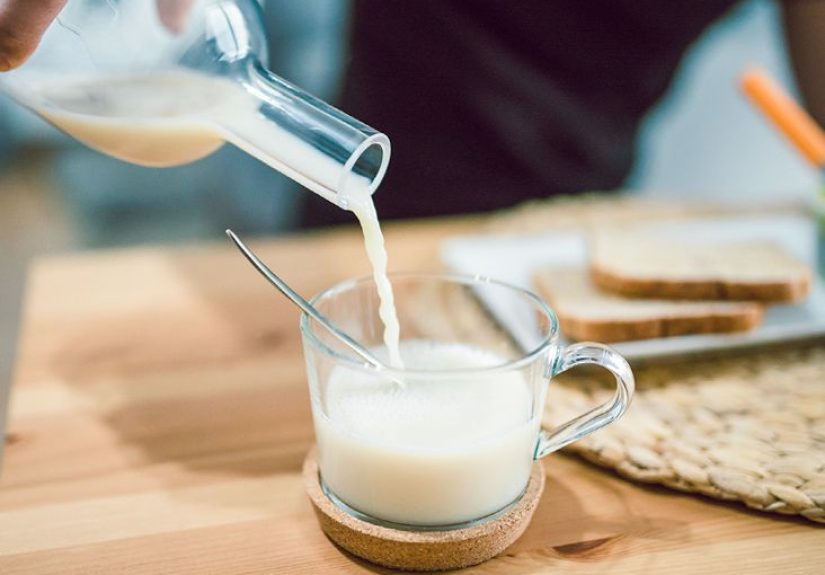
- Low-fat or nonfat milk (portion-aware)
- Unsweetened fortified soy milk or other unsweetened plant milks
- Infused water (DIY “spa water”)
- Broth or clear soups (when you want something warm and savory)
- Low-sugar electrolyte drinks (for specific situations)
- Diet soda or “zero sugar” drinks (best as a transition tool, not a main character)
- The 10 Worst Drinks for Diabetes (and What to Drink Instead)
- Regular soda
- Sweet tea and sweetened iced coffee
- Fruit juice (even 100% juice)
- “Juice drinks,” fruit punches, and lemonades
- Smoothie shop smoothies
- Sports drinks
- Energy drinks
- Flavored milk and sweetened plant milks
- Fancy coffeehouse drinks (frappes, caramel whatevers, “basically cake in a cup”)
- Sugary cocktails and mixed drinks
- How to “Order Like You Mean It” (Real-World Examples)
- FAQ: The Questions Everyone Asks (Usually While Holding a Cup)
- Real-Life Experiences: What People Notice When They Change Their Drinks (About )
- Conclusion: Build a Beverage Routine You Can Keep
- SEO Tags
Diabetes management has a lot of moving partsmeal timing, meds, movement, sleep, stress. But the sneakiest
troublemaker is often the one you can sip without thinking: your drink. Liquid calories and carbs can hit fast,
add up quietly, and turn an “I’m being good today” moment into a surprise blood sugar roller coaster.
This guide breaks down the 10 best drinks (the ones that support steadier glucose and hydration)
and the 10 worst drinks (the ones that tend to spike blood sugar or sabotage your goals), plus
practical swaps you can actually live withbecause nobody wants a lifetime sentence of “only water, forever.”
Friendly note: This article is educational, not medical advice. If you use insulin or certain diabetes medications, talk with your clinician about what’s safe for youespecially around alcohol and hypoglycemia.
Why Drinks Matter So Much for Blood Sugar
Liquid sugar is fast sugar
When you eat fruit, you get fiber that slows digestion. When you drink fruit juice, the fiber is mostly gone,
so the sugar can raise blood glucose quickly. That “healthy” orange juice can behave less like a snack and more
like a blood sugar speedrun.
Sweet drinks don’t fill you up the way food does
Sugar-sweetened beverages (like soda, sweet tea, and fruit drinks) are easy to overconsume because they don’t
create the same fullness signals as solid food. Translation: your body may not “count” those calories in the
moment, but your blood sugar absolutely does.
It’s not just about glucoseyour heart cares too
Diabetes and cardiovascular health are closely linked, so beverage choices that support weight management,
blood pressure, and overall nutrition matter. Cutting back on sugary drinks is one of the highest-impact changes
many people can makebecause it removes a concentrated source of added sugar without requiring you to learn
interpretive dance-level food math.
Quick Rules for Diabetes-Friendly Drinking (Without Becoming “That Person”)
Rule #1: Default to “no added sugar”
Look for drinks with 0 grams added sugar. If it’s sweet and it came in a bottle the size of your
head, assume it’s guilty until proven innocent by the nutrition label.
Rule #2: Watch total carbs, not just “sugar”
Some drinks have little “added sugar” but still contain carbs (milk, some plant milks, smoothies, juices, and
sweetened coffees). Your blood glucose responds to total carbs, not marketing slogans.
Rule #3: “Healthy” doesn’t always mean “glucose-friendly”
Kombucha, vitamin waters, juice blends, and fancy coffee beverages can still contain a surprising amount of sugar.
The label is your truth serum.
Rule #4: Alcohol needs a game plan
Alcohol can be tricky: some drinks contain a lot of sugar, and alcohol itself can raise or lower blood glucose
depending on what you drink, whether you’re eating, and what meds you take. If you choose to drink, do so with food,
avoid sugary mixers, and prioritize moderation.
The 10 Best Drinks for Diabetes
“Best” doesn’t mean magicalit means low in added sugar, generally low in carbs,
and helpful for hydration. If you use a glucose meter or CGM, these are the drinks that usually create the least drama.
-
Water (still or chilled)
Water is the MVP. It hydrates without carbs, calories, or surprises. If plain water feels boring, make it a
“choose-your-own-adventure” with lemon, lime, cucumber slices, mint, or a handful of frozen berries. -
Unsweetened sparkling water, seltzer, or club soda
Want fizz without the sugar? Sparkling water hits the “soda ritual” button while keeping blood sugar steady.
Just confirm it’s unsweetenedsome flavored options contain added sugar. -
Unsweetened tea (hot or iced)
Black tea, green tea, and herbal teas are flavorful with minimal impact on blood sugar when unsweetened.
If you’re used to sweet tea, taper down gradually (half-sweet → lightly sweet → unsweet) so your taste buds
don’t revolt. -
Black coffee (or coffee with minimal unsweetened add-ins)
Coffee itself has virtually no carbsuntil it gets dressed up like dessert. Skip syrups and sugary creamers.
Try cinnamon, vanilla extract (a tiny splash), or a modest amount of milk. If caffeine affects your blood sugar,
you’ll notice it on your readingsso personalize based on your data. -
Low-fat or nonfat milk (portion-aware)
Milk contains natural carbohydrate (lactose), but it also provides protein and key nutrients. For many people,
it can fit well in a diabetes-friendly eating pattern when portions are reasonable and it’s not the sweetened,
flavored kind. -
Unsweetened fortified soy milk or other unsweetened plant milks
Unsweetened versions can be a smart optionespecially if you want something creamy in coffee or smoothies.
The key is the word unsweetened. “Original” often still means sweetened. -
Infused water (DIY “spa water”)
Infused water is a low-effort, high-reward strategy. It scratches the “I want flavor” itch without pouring sugar
into your cup. Think: citrus + mint, cucumber + lime, strawberry + basil, or ginger + lemon. -
Broth or clear soups (when you want something warm and savory)
Not a traditional “beverage,” but many people sip broth like teaespecially in colder months or when appetite is low.
Choose options that are lower in sodium if blood pressure is a concern. -
Low-sugar electrolyte drinks (for specific situations)
If you’re sick, sweating heavily, or exercising for a long time, electrolytes can help. Look for options with
little to no added sugar. Most people don’t need sports drinks for a 20-minute walk around the neighborhood.
(Unless you’re being chased by zombies. Then hydrate aggressively.) -
Diet soda or “zero sugar” drinks (best as a transition tool, not a main character)
Zero-sugar drinks generally won’t raise blood glucose the way sugary soda does, but they’re not exactly a health tonic.
If they help you replace sugar-sweetened beverages, they can be a practical stepping-stone. Aim for moderation and keep
your default beverage pattern centered on water, tea, and coffee without sugar.
The 10 Worst Drinks for Diabetes (and What to Drink Instead)
These drinks are common glucose troublemakers because they’re typically high in added sugar, high in carbs, or both.
You don’t need to “never” have them, but you do want to recognize them as occasional treatslike fireworks, not porch lights.
-
Regular soda
Soda is basically sugar water with bubbles and a PR team. It can spike blood glucose fast and offers little nutritional value.
Swap: unsweetened sparkling water, seltzer with citrus, or a small splash of 100% juice in sparkling water for flavor. -
Sweet tea and sweetened iced coffee
Sweet tea can contain a surprising amount of added sugar, and sweetened coffee drinks often hide sugar in syrups and flavored creamers.
Swap: unsweetened tea with lemon, or coffee with cinnamon and a small amount of milk. -
Fruit juice (even 100% juice)
Juice can raise blood sugar quickly because it lacks the fiber found in whole fruit. It’s easy to drink a lot in seconds.
Swap: whole fruit, infused water, or sparkling water with a squeeze of citrus. -
“Juice drinks,” fruit punches, and lemonades
These often contain added sugar and less real fruit than the label makes you imagine. (If the bottle has a cartoon fruit doing yoga,
be extra suspicious.) Swap: water or seltzer, or make your own lightly flavored lemonade with minimal sweetener. -
Smoothie shop smoothies
Smoothies can be nutritiousbut smoothie shop versions may include sweetened yogurt, juice, sherbet, or large portions that turn
into a carb bomb. Swap: make a smaller homemade smoothie with unsweetened milk, protein (like Greek yogurt or a clinician-approved
protein source), and whole fruit/veggies. -
Sports drinks
Sports drinks are formulated for prolonged intense exercise, not casual hydration. Many contain added sugar.
Swap: water, or low-sugar electrolytes when truly needed. -
Energy drinks
Energy drinks can combine sugar with high caffeinean unhelpful combo for many people’s glucose patterns and sleep.
Swap: unsweetened coffee or tea (and consider whether you actually need caffeine or just a nap). -
Flavored milk and sweetened plant milks
Chocolate milk, sweetened “original” almond milk, and many flavored options add sugar on top of naturally occurring carbs.
Swap: unsweetened versions or portioned plain milk. -
Fancy coffeehouse drinks (frappes, caramel whatevers, “basically cake in a cup”)
These drinks often include syrups, whipped cream, sweetened cold foam, and large portionsmeaning a lot of sugar and carbs.
Swap: an Americano, cold brew, or latte with no syrup; add cinnamon or request less sweetened flavoring if available. -
Sugary cocktails and mixed drinks
Alcohol already requires caution with diabetes; adding sugary mixers makes it even more complicated.
Swap: dry wine, light beer, or spirits with sugar-free mixers (club soda, seltzer), and drink with food.
How to “Order Like You Mean It” (Real-World Examples)
At a coffee shop
- Instead of: Large caramel latte with extra drizzle
- Try: Small latte with no syrup + cinnamon, or cold brew with a splash of milk
The goal isn’t to make coffee sad. It’s to remove the stealth sugar while keeping the ritual you actually enjoy.
At a restaurant
- Instead of: Sweet tea or soda by default
- Try: Water with lemon, unsweetened iced tea, or sparkling water
At a party
- Instead of: Sugary cocktails or “adult slushies”
- Try: A spirit with club soda and lime, or a dry wineplus food
FAQ: The Questions Everyone Asks (Usually While Holding a Cup)
Can people with diabetes drink juice?
Juice can raise blood glucose quickly, so it’s often not an everyday beverage choice. Some people use small amounts of juice to treat
low blood sugar, but for routine hydration, water and unsweetened beverages are typically better options.
Is diet soda “safe” for diabetes?
Diet/zero-sugar drinks generally don’t raise blood glucose like sugary soda does, but research is mixed on long-term health effects.
Many clinicians suggest moderation and using it as a replacement strategy rather than your main beverage.
What about alcohol?
Alcohol can be risky for people who use insulin or certain medications because it may increase the risk of low blood sugarespecially if you
drink without eating. If you drink, do so with food, avoid sugary mixers, and keep portions moderate. If you’re unsure, ask your clinician
for personalized guidance.
Are “natural” sweeteners better than sugar?
Honey, agave, and coconut sugar are still sugars. They may sound friendlier, but your blood glucose doesn’t care about branding. If it sweetens
the drink, it can still raise blood sugar.
Real-Life Experiences: What People Notice When They Change Their Drinks (About )
People often assume the hardest part of diabetes-friendly drinking is willpower. In practice, the hardest part is habit.
Many of us don’t “decide” to drink somethingwe repeat a routine. The morning drive-thru latte. The afternoon soda that marks the end of a meeting.
The “I deserve it” sweet tea with dinner. When someone swaps drinks, they’re not just changing a beverage; they’re changing a tiny ritual that signals
comfort, energy, or a break.
A common experience is the “surprise spike” moment. Someone starts checking their glucose more consistently (or uses a CGM) and realizes their
biggest jumps aren’t coming from dinnerthey’re coming from the drink that’s basically dessert in disguise. Specialty coffees are a frequent culprit:
it’s easy to think, “It’s just coffee,” while forgetting that flavored syrups, sweetened cold foam, and large sizes can stack up fast. When people
switch to a smaller unsweetened latte or cold brew with a modest splash of milk, they often report that their post-breakfast numbers look calmer.
The coffee still feels like a treatjust without the sugar fireworks.
Another pattern is “the taste-bud reset.” The first week without sweet drinks can feel like your tongue is staging a protest. Then something weird
happens: water starts tasting… good? Unsweetened tea becomes drinkable. A squeeze of lemon suddenly feels fancy. Many people find that tapering works
better than going cold turkeyhalf-sweet tea for a few days, then lightly sweet, then unsweet. The goal is to retrain your palate without making
yourself miserable.
Social situations come up a lot, too. People may feel awkward being the only one not ordering soda or the only one asking for “no syrup, please.”
A trick that often helps is ordering confidently and quicklylike you do it all the timebecause confidence makes it feel normal. “Unsweet iced tea,
lemon on the side” sounds like a standard order, not a medical announcement. At parties, many people do best with a simple plan: pick one drink style
(like sparkling water with lime), keep it in hand, and you’ll be surprised how rarely anyone questions it.
Finally, there’s the “small swap, big win” effect. People don’t always need a perfect beverage lineup to see benefits. Replacing just one sugary drink
per day with water or unsweetened tea is often reported as the easiest “first domino” because it reduces added sugar without requiring major cooking,
meal prep, or complicated carb counting. It’s not glamorousbut it’s powerful. And once the drink habit changes, people frequently feel more in control,
which spills over (pun intended) into other choices like snacks, sleep, and movement.
Conclusion: Build a Beverage Routine You Can Keep
The best drinks for diabetes are the ones that keep hydration up and added sugar downmost often water, sparkling water, unsweetened tea, and coffee
without sugar. The worst offenders tend to be sugary drinks that spike blood glucose quickly: soda, sweet tea, juices, energy drinks, and dessert-style
coffee beverages. You don’t need perfection. You need a default.
Start with one swap you can repeat daily. Once your “default drink” stops being sweet, your taste buds adapt, your glucose readings often become less
chaotic, and your choices start feeling easierlike your habits are finally on your team.