Table of Contents >> Show >> Hide
- What Counts as Winter Squash?
- Why Home Cooks Love Winter Squash
- How to Choose the Best Winter Squash
- Step 1: Wash It First
- Step 2: Soften the Rind if Needed
- Step 3: Cut It Safely
- Step 4: Decide Whether to Peel
- Step 5: Pick Your Cooking Method
- How to Season Winter Squash So It Actually Tastes Great
- How to Know When Winter Squash Is Done
- Common Mistakes to Avoid
- What to Make After You Cook It
- How to Store Whole Squash and Leftovers
- Step-By-Step Basic Roasted Winter Squash Recipe
- Real-Kitchen Experiences: What Cooking Winter Squash Actually Feels Like
- Conclusion
If winter squash has ever stared back at you from the counter like a decorative pumpkin with trust issues, you are not alone. It is beautiful, sturdy, and just intimidating enough to make some home cooks quietly back away toward a bag of frozen peas. But once you learn how to cook winter squash step-by-step, that hard shell stops looking like a problem and starts looking like dinner. A very good dinner, too.
Winter squash is one of those ingredients that rewards a little effort. It turns creamy, sweet, nutty, and deeply cozy when cooked well. It can become soup, salad, mash, grain bowls, pasta alternatives, roasted side dishes, and even breakfast if you are feeling ambitious and a little chaotic in a good way. Best of all, you do not need chef-level knife skills or a mystical farm-to-table aura to cook it properly. You just need a smart plan.
This guide walks you through exactly how to choose winter squash, prep it without wrestling the cutting board, cook it using different methods, season it so it tastes like something you would happily eat again, and store leftovers without turning your fridge into a squash graveyard. Let us do this one calm, delicious step at a time.
What Counts as Winter Squash?
Winter squash is the category for hard-skinned squash harvested when fully mature. The big names include butternut, acorn, delicata, spaghetti, kabocha, buttercup, and hubbard. They all have thick rinds, dense flesh, and a natural sweetness that gets even better with heat.
Each variety has its own personality. Butternut is smooth, sweet, and excellent for roasting and soup. Acorn is mild and great for stuffing or baking in halves. Delicata is the overachiever of convenience because its skin is usually tender enough to eat after cooking. Spaghetti squash is the dramatic one that turns into noodle-like strands. Kabocha is rich and chestnut-like, while larger types like hubbard can feed a crowd or one very determined squash enthusiast.
Why Home Cooks Love Winter Squash
Besides tasting like fall finally got its act together, winter squash is practical. It is filling, flexible, and works in savory or slightly sweet dishes. It also pairs well with pantry basics like olive oil, butter, garlic, cinnamon, sage, chili flakes, maple syrup, black pepper, and Parmesan. In other words, winter squash plays nicely with others.
It also brings nutritional perks to the table. Many winter squash varieties provide fiber, vitamin A from beta carotene, vitamin C, and potassium. That does not mean every plate has to turn into a wellness lecture, but it is nice when comfort food shows up with some credentials.
How to Choose the Best Winter Squash
Start at the store or market with a simple rule: pick squash that feels heavy for its size. You want firm skin, no soft spots, no leaking, and no major bruises. A dry, intact stem is a good sign. If the stem looks shriveled, wet, or moldy, move along. That squash has seen things.
Color matters, too, but it depends on the variety. Butternut should look evenly tan, spaghetti squash should be pale yellow to golden, and delicata should have clear striping. Minor surface scuffs are usually fine. Deep cuts and sunken spots are not.
If you are new to cooking winter squash, start with butternut or delicata. Butternut gives you a smooth, sweet result and works in almost everything. Delicata is smaller, easier to cut, and wonderfully forgiving. It is basically the friendly neighbor of the squash aisle.
Step 1: Wash It First
Before you cut anything, wash the outside of the squash under cool running water and scrub away dirt. This matters more than many people realize. Your knife will travel from the rind into the flesh, so you do not want surface grime hitching a ride into dinner.
Dry the squash well so it does not slide around on the cutting board. A stable squash is a safe squash, and that is the sort of poetry your fingers will appreciate.
Step 2: Soften the Rind if Needed
Here is the trick that makes winter squash far less annoying: if the rind is especially hard, poke it a few times with a fork or knife and microwave it briefly. Usually one to five minutes is enough, depending on size. Let it rest for a minute or two before handling.
This is not cheating. This is strategy. You are not losing points for using physics.
Step 3: Cut It Safely
Set the squash on a sturdy cutting board. Use a sharp, heavy chef’s knife. Trim off the stem end first and, if needed, a little from the opposite end to create a flatter base. For butternut squash, many cooks separate the narrow neck from the bulbous base before peeling and cutting. That gives you more control.
Cut the squash lengthwise when possible. Scoop out the seeds and stringy center with a spoon. A grapefruit spoon works beautifully if you have one. If not, a regular metal spoon gets the job done just fine.
Do not throw the seeds away just yet. Rinse them, dry them, toss with a little oil and salt, and roast them later for a crunchy snack. Winter squash really hates waste, and frankly, that is admirable.
Step 4: Decide Whether to Peel
This depends on the squash and the recipe. Butternut, kabocha, and hubbard usually have thicker skins and are often peeled for cubes, mash, or soup. Delicata and acorn can often be roasted with the skin on, especially if you plan to slice and serve them rather than puree them.
If you are roasting halves and scooping out the flesh later, peeling is unnecessary. That is one of the easiest ways to cook winter squash, especially for beginners.
Step 5: Pick Your Cooking Method
There is no single best way to cook winter squash. There is only the method that makes the most sense for your schedule, your recipe, and your patience level on a Tuesday night.
Method 1: Roast Halves
This is the easiest, least fussy method. Cut the squash in half, remove the seeds, brush the cut side lightly with oil, and place the halves cut-side down on a baking sheet or baking dish. Roast at 350 to 400 degrees Fahrenheit until fork-tender. Depending on the size and variety, this usually takes about 35 to 50 minutes.
Roasting halves works especially well for butternut, acorn, and spaghetti squash. The cut-side-down setup helps the flesh steam and soften while the edges caramelize slightly. Once the squash cools enough to handle, scoop out the flesh and mash it, cube it, or fold it into another dish.
Method 2: Roast Cubes
If you want browned edges and more concentrated flavor, cubes are the move. Peel the squash if needed, cut it into even pieces, toss with oil, salt, and pepper, and spread it in a single layer on a baking sheet. Roast at around 375 to 400 degrees Fahrenheit for about 25 to 35 minutes, flipping once if you want extra browning.
The key here is spacing. If the cubes are crowded, they steam instead of roast. That is not a tragedy, but it is less exciting. Give them room, and they reward you with golden edges and a sweet, savory flavor that tastes more impressive than the effort required.
Method 3: Steam It
Steaming is ideal when you want soft squash for mashing, baby food, soups, or quick weeknight meals without waiting for the oven. Peel and cut the squash into chunks, place them in a steamer basket over boiling water, cover, and steam until tender. Timing varies by cube size, but expect roughly 10 to 20 minutes for smaller chunks and longer for denser pieces.
Steamed squash will not caramelize, but it becomes silky and easy to puree. Think of this as the practical, sensible shoe version of cooking. Not flashy, highly useful.
Method 4: Microwave It
Yes, you can cook winter squash in the microwave. It is especially handy for small portions, spaghetti squash, or nights when turning on the oven feels emotionally expensive. Cut the squash in half if possible, remove the seeds, place it cut-side down in a microwave-safe dish, and add a little water if the dish is wide and shallow. Cover loosely and cook until tender, checking every few minutes.
Cooking time depends on size and variety. Smaller halves may be ready in 5 to 8 minutes, while larger pieces can take longer. As always, fork-tender is your finish line.
Method 5: Cook Spaghetti Squash for Strands
Spaghetti squash is a category of its own because the cooked flesh pulls into noodle-like strands. Roast the halves cut-side down until tender, then use a fork to scrape the inside. The texture is not exactly pasta, and pretending otherwise helps no one, but it is delicious in its own right. Toss it with olive oil, garlic, tomato sauce, pesto, or browned butter and herbs.
How to Season Winter Squash So It Actually Tastes Great
Winter squash is naturally sweet, so it works with both savory and sweet leaning flavors. For a simple savory version, use olive oil, kosher salt, black pepper, and garlic powder. Add rosemary, thyme, sage, smoked paprika, or chili flakes if you want more personality.
For a cozier flavor profile, try melted butter, cinnamon, nutmeg, a pinch of salt, and maybe a little maple syrup or brown sugar. Keep the sweeteners light. You want the squash to taste like squash, not dessert in disguise.
For balance, add contrast at the end. Acidic ingredients like lemon juice or a splash of vinegar brighten the sweetness. Toasted nuts, pepitas, crispy chickpeas, or Parmesan add texture. Fresh herbs keep everything from feeling too heavy.
How to Know When Winter Squash Is Done
The best doneness test is simple: poke it with a fork or knife. If the flesh yields easily, it is done. Roasted cubes should be tender all the way through and lightly browned on the edges. Halves should feel soft when pierced near the center. Spaghetti squash should release into strands without a fight.
Undercooked squash can taste watery and feel oddly firm. Overcooked squash turns mushy, though that is less of a problem if you are making soup or mash. When in doubt, check early and keep cooking in short bursts.
Common Mistakes to Avoid
Skipping the wash: Dirt on the outside can transfer inward when you cut.
Using a dull knife: This is how a vegetable becomes a wrestling match.
Overcrowding the pan: Cubes need airflow to roast properly.
Overseasoning too soon: Start simple and build flavor after tasting.
Expecting every squash to behave the same: A small delicata and a huge hubbard are not following the same life plan.
What to Make After You Cook It
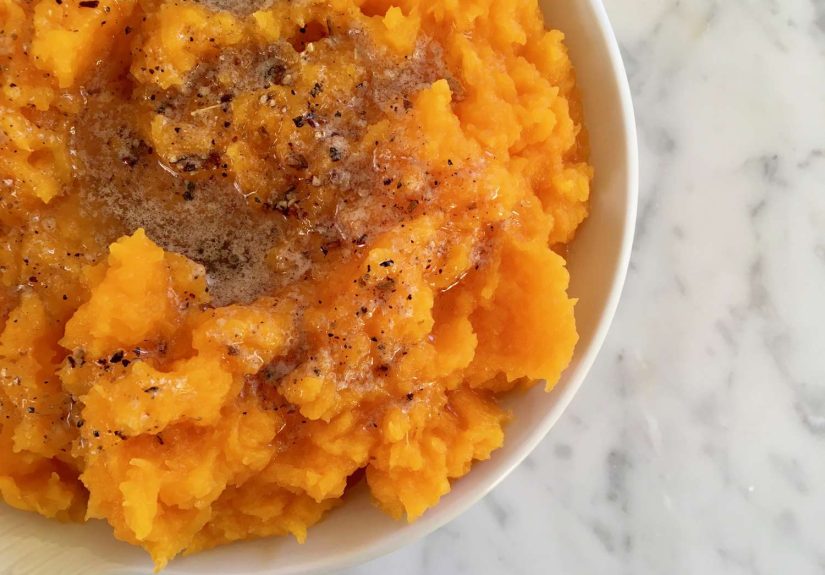
Once your squash is cooked, the options open up fast. Mash it with butter and black pepper. Puree it into soup with sautéed onion and broth. Add roasted cubes to grain bowls with farro, kale, and feta. Stir it into risotto. Fold it into macaroni and cheese. Add it to tacos with black beans and lime crema. Or just eat it off the pan while pretending you are “testing for seasoning.” That counts as quality control.
Cooked winter squash also works beautifully in meal prep. It can bulk up lunches, add substance to salads, and rescue bland leftovers from boring destiny.
How to Store Whole Squash and Leftovers
Whole winter squash likes a cool, dry, well-ventilated place. A pantry, basement, or cool room works better than the refrigerator for most varieties. Once cut, wrap it well or store it in a covered container in the refrigerator and use it within about a week.
Cooked squash also freezes well. Mash or puree it, cool it completely, then freeze in airtight containers or freezer bags. This is especially smart if you bought a giant squash in a burst of seasonal optimism.
Step-By-Step Basic Roasted Winter Squash Recipe
Ingredients
- 1 medium winter squash, such as butternut, acorn, or delicata
- 1 to 2 tablespoons olive oil
- 1 teaspoon kosher salt
- 1/2 teaspoon black pepper
- Optional: garlic powder, smoked paprika, cinnamon, or fresh herbs
Instructions
- Wash and dry the squash thoroughly.
- If the rind is very hard, poke it a few times and microwave briefly to soften.
- Trim the ends, cut it in half lengthwise, and scoop out the seeds.
- For halves: brush with oil and roast cut-side down at 375 degrees Fahrenheit for 35 to 50 minutes.
- For cubes: peel if needed, cut into even cubes, toss with oil and seasonings, and roast in a single layer for 25 to 35 minutes.
- Check for doneness with a fork. Serve warm.
Real-Kitchen Experiences: What Cooking Winter Squash Actually Feels Like
The funny thing about learning how to cook winter squash is that the first time feels like a project, and the fifth time feels like common sense. At the beginning, the squash looks decorative, almost suspiciously decorative, like it belongs on a porch next to a lantern instead of on a cutting board next to your dinner plans. Then you cut into one and realize it is not difficult so much as unfamiliar.
One of the most common experiences people have is underestimating the rind. They go in with confidence, a medium knife, and the kind of optimism usually reserved for assembling furniture without reading instructions. Two minutes later, they understand why everyone who cooks winter squash keeps repeating the same advice: stable board, sharp knife, maybe a microwave assist, and no heroics. Once that lesson lands, the entire process becomes much more pleasant.
Another classic experience is discovering that roasting changes everything. Raw winter squash smells mild and looks a little plain. Roasted winter squash smells like a dinner that has its life together. The edges caramelize, the kitchen gets warm, and suddenly the person who bought the squash “just to be healthy” is standing by the oven waiting for it like it is a tray of cookies. That transformation is part of the charm. It feels rewarding in a way that frozen vegetables, helpful as they are, rarely do.
There is also the moment of variety confusion. Butternut is easy to love because it is sweet and versatile. Delicata surprises people because the skin can be tender enough to eat. Spaghetti squash creates curiosity, then debate, then usually a second helping once it is tossed with sauce and cheese. Acorn squash often wins points for presentation because it looks wonderful served in halves. Every type teaches you something slightly different, which is part of why winter squash keeps showing up in home kitchens year after year.
Many cooks also notice that winter squash invites improvisation. One night it gets olive oil, salt, and black pepper. The next night it gets maple syrup and chili flakes. Another time it ends up in soup with onion and garlic, or folded into pasta, or tucked into a grain bowl with greens and nuts. It is one of those ingredients that quietly builds kitchen confidence because it responds well to small experiments.
And then there is the leftover experience, which is usually better than expected. Cooked winter squash slides easily into tomorrow’s lunch. It can become soup, mash, tacos, salad, or breakfast hash support. It rarely feels like a sad leftover. It feels like a useful head start. That matters on busy days when cooking from scratch sounds noble in theory and absolutely exhausting in practice.
In the end, learning to cook winter squash is less about mastering a trendy ingredient and more about getting comfortable with a reliable one. It teaches patience, a bit of knife respect, and the value of letting heat do the heavy lifting. The payoff is a vegetable that feels hearty, flexible, and surprisingly luxurious for something that starts out looking like a very stubborn ornament.
Conclusion
If you have been curious about winter squash but slightly afraid of it, consider this your sign to stop admiring it from across the kitchen and start cooking it. Once you know how to wash it, soften it, cut it, roast it, steam it, or microwave it, the mystery is gone. What remains is an ingredient that is flavorful, versatile, affordable, and genuinely useful.
So start with one squash. Roast it simply. Add a little salt, maybe some herbs, maybe some butter if the day has been long. Then see where it takes you. Winter squash is not trying to be fancy. It is just trying to be delicious, and honestly, that is a goal worth supporting.