
Table of Contents >> Show >> Hide
- What Is Lesch-Nyhan Syndrome?
- Causes: The Genetics Behind Lesch-Nyhan Syndrome
- How Lesch-Nyhan Syndrome Affects the Body
- Symptoms of Lesch-Nyhan Syndrome
- Diagnosis: How Doctors Identify Lesch-Nyhan Syndrome
- Treatment: Managing Lesch-Nyhan Syndrome
- Outlook and Prognosis
- Real-World Experiences: Living with Lesch-Nyhan Syndrome
Lesch-Nyhan syndrome sounds like the name of a law firm, but it’s actually
a very rare genetic condition that keeps doctors, scientists, and families
on their toes. This disorder is caused by a tiny missing enzyme with a
very big impact, leading to problems with metabolism, movement, behavior,
and kidney health. While it’s a serious condition, understanding how it
works – and how care teams manage it – can help families feel more
informed, more prepared, and a little less overwhelmed.
In this guide, we’ll walk through what Lesch-Nyhan syndrome is, what
causes it, the hallmark symptoms (including the well-known self-injury
behavior), and how treatment focuses on managing symptoms and protecting
quality of life. We’ll also explore real-world experiences and practical
tips for living with – or caring for someone with – this complex
condition.
What Is Lesch-Nyhan Syndrome?
Lesch-Nyhan syndrome (LNS) is a rare inherited disorder that affects how
the body handles certain substances called purines – the building blocks
of DNA and RNA. Because of a missing or severely deficient enzyme, people
with LNS overproduce uric acid, a waste product that can build up in the
blood and tissues. This overproduction contributes to problems like gout,
kidney stones, and bladder stones.
LNS almost always affects males and typically appears in early childhood.
The classic picture includes three main features:
- Overproduction of uric acid (hyperuricemia)
- Neurologic and movement problems (such as dystonia and spasticity)
- Self-injurious behaviors, especially biting of the lips, tongue, or fingers
Many children with Lesch-Nyhan syndrome have developmental delays and
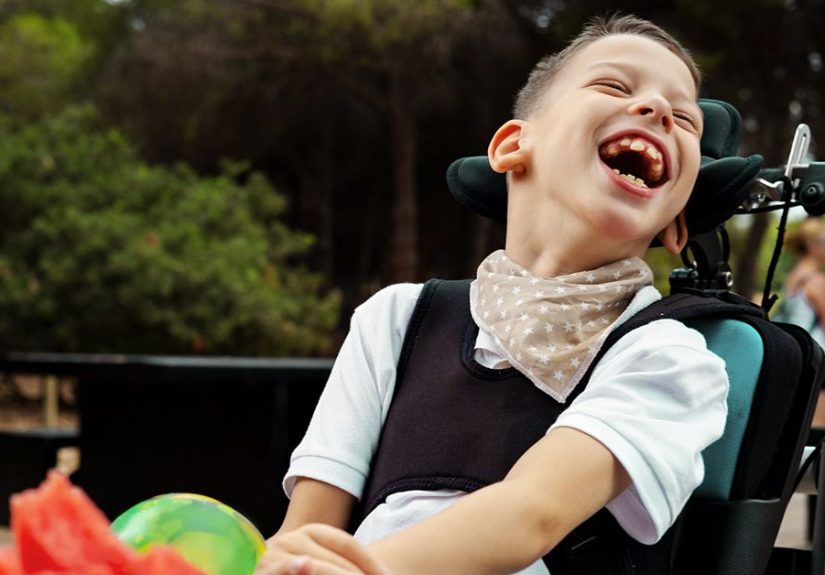
intellectual disability, and most rely on wheelchairs for mobility. Even
so, many are socially engaged, expressive, and capable of forming strong
relationships with caregivers and family members.
Causes: The Genetics Behind Lesch-Nyhan Syndrome
Lesch-Nyhan syndrome is caused by mutations in the
HPRT1 gene, which sits on the X chromosome and carries
instructions for making the enzyme hypoxanthine-guanine
phosphoribosyltransferase (HPRT or HGPRT). When HPRT is missing or barely
working, the body can’t efficiently recycle purines. Instead, it
overproduces uric acid and disrupts brain chemistry, particularly in
areas that help regulate movement and behavior.
Because the HPRT1 gene is on the X chromosome, LNS follows an
X-linked recessive inheritance pattern. That means:
-
Males (who have one X and one Y chromosome) are
affected if the X chromosome they inherit carries the HPRT1 mutation. -
Females (who have two X chromosomes) are usually
carriers if only one X has the mutation. Most carriers do not develop
full LNS, though some may have elevated uric acid or mild symptoms.
A mother who is a carrier has a:
- 25% chance in each pregnancy of having an affected son,
- 25% chance of having a carrier daughter, and
- 50% chance of having a child without the mutation.
In some cases, the mutation appears for the first time in a child (a
de novo mutation), even when there’s no known family history.
Genetic counseling can help families understand risks for future
pregnancies and discuss options such as carrier testing or prenatal
diagnosis.
How Lesch-Nyhan Syndrome Affects the Body
To understand LNS, imagine the body’s purine system as a recycling
center. HPRT is one of the key workers that helps recycle purines so the
body doesn’t have to make them from scratch every time. When HPRT is
missing, two big issues show up:
-
Too much uric acid. Without proper recycling, purines
are broken down into uric acid. High levels can lead to gout-like joint
pain, kidney damage, and stones in the kidneys or bladder. -
Changes in the brain. LNS particularly affects parts
of the brain involved in movement and behavior (including the basal
ganglia). This contributes to abnormal muscle tone, involuntary
movements, and the signature self-injurious actions that people with
LNS often describe as compulsive and distressing.
It’s important to note that controlling uric acid levels can help prevent
kidney and joint complications, but it does not cure or reverse
the neurologic and behavioral symptoms. Those require additional
supportive treatments and strategies.
Symptoms of Lesch-Nyhan Syndrome
Early Signs in Infancy and Childhood
LNS usually becomes noticeable within the first year of life. Parents may
first notice that their baby seems “floppy” or delayed in motor milestones.
Common early signs include:
- Low muscle tone (hypotonia) in infancy
- Delayed rolling, sitting, or crawling
- Difficulty controlling head or trunk movement
- Feeding difficulties or trouble coordinating sucking and swallowing
Another early clue is the presence of orange, sand-like crystals in a baby’s diaper. These are deposits of uric acid and can show up well before movement problems or self-injury begin.
Movement and Neurologic Symptoms
As children grow, more visible movement and muscle issues develop, such as:
- Dystonia (twisting, repetitive muscle contractions)
- Chorea or choreoathetosis (jerky, dance-like movements)
- Spasticity (stiff, tight muscles)
- Difficulty with balance and coordination
Many children with Lesch-Nyhan syndrome are unable to walk independently
and rely on wheelchairs and supportive seating for mobility and posture.
Speech may be affected by muscle involvement, although many individuals
can understand speech well and communicate using speech, communication
devices, or a combination of both.
Self-Injurious Behavior
One of the most challenging and distinctive symptoms of LNS is
self-injury. This usually appears between ages 2 and 4,
often when teeth erupt. Common behaviors include:
- Biting lips, tongue, or the inside of the cheeks
- Biting fingers or hands
- Head banging or hitting the face
Families often describe that their child does not want to hurt themselves
but feels an overwhelming urge to do so. This can be deeply distressing
for both the child and caregivers. Safety strategies, protective devices,
and behavioral supports become central parts of daily life.
Kidney, Joint, and Other Physical Problems
Because of chronic uric acid buildup, people with LNS may develop:
- Gouty arthritis (painful, swollen joints)
- Kidney stones and bladder stones
- Blood in the urine (hematuria)
- Impaired kidney function over time
Other possible issues can include megaloblastic anemia, growth
limitations, and increased risk of infections. Each person’s specific
complication profile is different, which is why individualized care plans
are essential.
Diagnosis: How Doctors Identify Lesch-Nyhan Syndrome
If a child shows a combination of developmental delay, unusual movements,
and early signs of high uric acid, a pediatrician or neurologist may
suspect LNS and start a diagnostic workup. Key steps include:
-
Medical history and physical exam: Doctors look for
characteristic movement patterns, self-injury, and growth or
developmental concerns. -
Blood and urine tests: Elevated uric acid levels can
support suspicion of LNS and help assess kidney health. -
Enzyme testing: Measuring HPRT enzyme activity in blood
cells or fibroblasts can confirm a deficiency. -
Genetic testing: Sequencing the HPRT1 gene helps
identify specific mutations and confirm the diagnosis.
For families with a known HPRT1 mutation, prenatal testing and
preimplantation genetic testing may be options. A genetic counselor can
help explain the benefits, limits, and emotional considerations of
testing.
Treatment: Managing Lesch-Nyhan Syndrome
There is currently no cure for Lesch-Nyhan syndrome, but treatment can
significantly reduce complications and improve quality of life. Care is
typically provided by a multidisciplinary team that may include a
pediatrician, neurologist, nephrologist, urologist, orthopedist,
physiatrist, physical and occupational therapists, speech-language
pathologists, psychologists, and social workers.
Lowering Uric Acid Levels
The cornerstone medication for managing hyperuricemia in LNS is
allopurinol, a drug that reduces uric acid production.
By keeping uric acid at safer levels, allopurinol helps prevent:
- Gout attacks
- Kidney and bladder stones
- Long-term kidney damage
It’s important to understand that allopurinol does not improve
the neurological or self-injurious behaviors of LNS. Those symptoms are
related to brain changes that are not corrected by lowering uric acid.
Still, controlling uric acid is crucial for protecting joints and kidney
health over time.
Medications for Movement and Behavior
Depending on an individual’s symptoms, clinicians may use medications such
as:
- Muscle relaxants or antispasticity drugs for dystonia and stiffness
- Certain anti-seizure medications if seizures are present
-
Carefully selected psychiatric medications to address severe anxiety,
irritability, or compulsive behaviors
Because people with LNS are often physically fragile and may be on
multiple medications, any drug changes should be made slowly and under
close supervision of a specialist familiar with the condition.
Managing Self-Injury Safely
Protecting a person with LNS from self-injury is both a medical and an
emotional priority. Common strategies include:
-
Oral appliances: Custom dental devices or mouth guards
can reduce the impact of biting. -
Soft restraints and positioning aids: Padded arm
splints, mittens, or wheelchair adjustments may help limit harmful
movements while preserving as much independence as possible. -
Environmental changes: Removing sharp corners, using
padded surfaces, and planning seating and positioning with therapists. -
Behavioral strategies: Using distraction, structured
routines, positive reinforcement, and calming techniques to help reduce
episodes of self-injury.
In some severe cases, dental extraction has been used to prevent oral
biting, but this is a major step that requires thoughtful, individualized
decision-making and consideration of long-term impact on eating,
communication, and self-image.
Therapies and Supportive Care
Non-drug therapies play a huge role in day-to-day management:
-
Physical therapy: Helps maintain joint range of motion,
reduce contractures, and support comfortable positioning. -
Occupational therapy: Focuses on adaptive equipment,
seating systems, and ways to support daily activities and independence. -
Speech and feeding therapy: Addresses swallowing
safety, communication strategies, and alternative communication tools. -
Psychological and family support: Counseling can help
families cope with stress, grief, and long-term caregiving demands.
Support organizations and rare disease networks can connect families with
others who understand the unique challenges of LNS, share practical
advice, and advocate for better research and services.
Outlook and Prognosis
With earlier diagnosis, careful management of uric acid levels, better
infection prevention, and advances in supportive care, many individuals
with Lesch-Nyhan syndrome are living longer than in previous decades.
However, significant physical disability and medical complexity remain
usual, and life expectancy may still be reduced compared with the general
population.
That said, LNS does not define a person’s personality, dignity, or worth.
Families often describe their loved ones as funny, affectionate, sharp,
and socially aware – even when speech is limited or movements are
difficult to control. With thoughtful support, many children and adults
with LNS attend school, enjoy hobbies, use technology to communicate, and
build meaningful relationships.
As with any medical condition, decisions about care are highly individual.
Families should work closely with healthcare providers to set realistic
goals, manage symptoms, and adjust plans over time. This article provides
general information and is not a substitute for
professional medical advice, diagnosis, or treatment.
Real-World Experiences: Living with Lesch-Nyhan Syndrome
Reading about LNS in a textbook is one thing; living with it is another
story entirely. While every family’s experience is unique, certain themes
show up again and again in personal accounts and caregiver stories.
The Caregiver’s Perspective
Many parents first notice something is different when their baby isn’t
hitting typical milestones. At first, it might just look like “a bit of
low tone” or “a late sitter.” Then come extra doctor visits, lab tests,
referrals to specialists, and that moment when a rare diagnosis appears
on the report. It can feel like stepping into a world with its own
language: “hyperuricemia,” “HGPRT deficiency,” “dystonia,” and more.
Caregivers often describe a mix of intense love, constant vigilance, and
real fatigue. They might learn:
- How to recognize early signs of pain from kidney stones or gout
- How to adjust wheelchairs and seating to prevent pressure injuries
-
How to calmly intervene during a self-injury episode while reassuring
their child that they are safe and cared for -
How to navigate school systems, insurance paperwork, and home care
services
At the same time, many caregivers also report that their child’s sense of
humor and personality shine through. A well-timed joke, a shared laugh
over a favorite cartoon, or a triumphant moment with a new communication
device can make the hard days feel more manageable.
The Child’s Perspective (As Reported by Families)
Children and adults with LNS who can describe their experiences often say
that the urge to self-injure doesn’t feel voluntary. Some have compared
it to a reflex or a compulsion that kicks in even when they don’t want it
to. That’s part of what makes this symptom so heartbreaking: the person
is both the one acting and the one being hurt.
Families report that children with LNS are often very aware of their
surroundings and can have strong preferences, opinions, and senses of
humor. They might:
- Ask for favorite music, shows, or games
- Develop close relationships with siblings and caregivers
- Use eye gaze, facial expressions, or communication devices to “tell jokes”
- Show pride when they master a new skill or communication tool
Recognizing and supporting this inner life is just as important as
managing physical symptoms. Adaptive technology, inclusive education, and
creative communication strategies can help individuals with LNS express
who they are beyond the diagnosis.
Practical Tips That Families Often Find Helpful
While every family needs personalized medical guidance, some practical
themes show up frequently in real-world stories:
-
Build a trusted care team. Having a primary doctor or
neurologist who knows your child well makes it easier to navigate
hospital visits, emergencies, and new symptoms. -
Document what works. Keep notes on which positioning,
routines, or calming strategies reduce self-injury or anxiety. Over
time, you’ll build a custom “playbook” that new caregivers can follow. -
Use humor as a coping tool. Many families say that
laughter – even dark or silly humor – helps them get through tough
days. It’s okay to celebrate the funny, sweet, and ordinary moments. -
Connect with other families. Support groups, online
communities, and rare disease organizations can offer emotional support,
tips about equipment and services, and a sense that you’re not alone. -
Take caregiver breaks seriously. Respite care, help
from extended family, and scheduled “off duty” time are not luxuries;
they’re essential to prevent burnout and keep caregiving sustainable.
Living with Lesch-Nyhan syndrome is undeniably complex, but it’s not a
story of only struggle. It’s also a story of creativity, advocacy,
adaptation, and deep relationships. With ongoing research, improved
supportive care, and strong community networks, families affected by LNS
continue to push for better tools, better treatments, and better
recognition of the full humanity of people living with this rare
condition.





 Close
Close