
Table of Contents >> Show >> Hide
- My Bladder’s Villain Origin Story
- What Overactive Bladder Actually Is (Plain English, No Scary Medical Vibes)
- My Symptom Bingo Card
- The Doctor Visit: Yes, There Was a Cup
- The Bladder Diary: The Receipts Don’t Lie
- First-Line Treatment: Behavioral Changes That Don’t Feel Like Punishment
- Lifestyle Tweaks That Actually Made a Difference
- When Lifestyle Isn’t Enough: Medications (Second-Line Options)
- Third-Line Treatments: When You Need Bigger Tools
- What Helped the Most (My Personal Greatest Hits)
- When to Get Checked (Because Not Everything Is “Just OAB”)
- Conclusion: I’m Not “Cured,” but I’m in Charge
- Extra from the Bathroom Olympics (Stuff I Learned the Hard Way)
I used to think “being an adult” meant buying the good paper towels and remembering people’s birthdays. Then my bladder decided adulthood meant sprinting to the bathroom like I was training for the Urgency Olympics. The worst part? I wasn’t even winning.
If you’ve ever mapped every restroom in a Target like it’s a survival game, welcome. This is my (very human, occasionally hilarious, sometimes annoying) journey with overactive bladderalso known as OABplus what actually helped me go from “I need to pee RIGHT NOW” to “I can finish this conversation like a civilized person.”
My Bladder’s Villain Origin Story
It started small: a little extra urinary urgency during meetings, a couple more bathroom breaks on road trips, and a new habit of saying, “Sorrybe right back,” like I was starring in a one-person sitcom. Then it escalated. Fast.
I wasn’t just peeing “a lot.” I was peeing with drama. The kind where your body whispers, “We should go soon,” and then screams, “WE ARE GOING NOW, GOOD LUCK.”
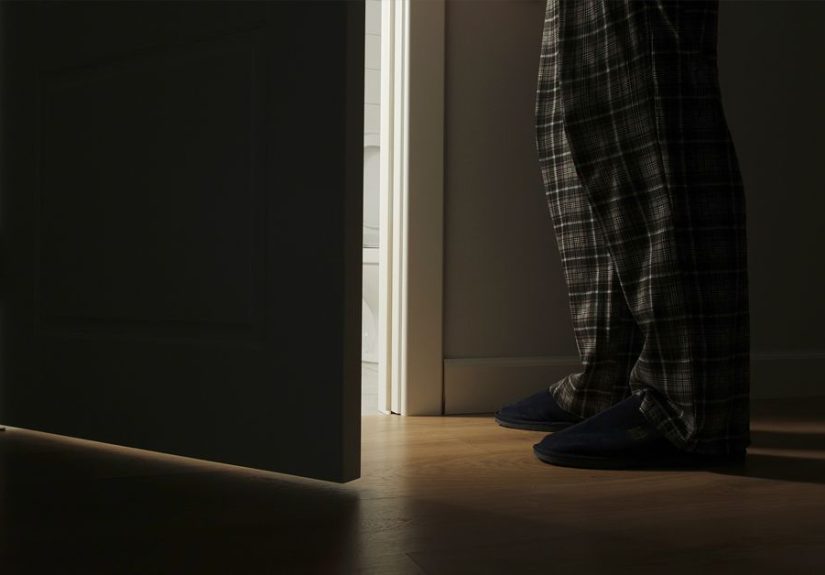
Nights were the rudest. I’d fall asleep andtwo hours latermy bladder would ring an invisible doorbell. Nocturia (nighttime urination) turns you into a zombie who knows exactly which floorboards creak.
What Overactive Bladder Actually Is (Plain English, No Scary Medical Vibes)
Overactive bladder is a cluster of symptomsusually urinary urgency, frequent urination, waking up at night to pee, and sometimes urge incontinence (leakage that happens after an intense urge). The key idea is that the bladder is acting like it’s full when it isn’t actually full.
OAB is common, treatable, anddespite what your anxious brain may try to convince youusually not a sign you’re falling apart. It can happen to anyone, and it’s not a moral failing. It’s a body mechanics problem.
My Symptom Bingo Card
Here’s what showed up for me (and what many people describe):
- Urgency: sudden need to urinate that felt non-negotiable
- Frequency: peeing way more often than my “normal”
- Nocturia: waking up multiple times to pee
- Urge incontinence: occasional leaks when the urge hit hard and fast
- Bathroom planning: mentally locating restrooms everywhere like a secret talent
The emotional side surprised me. I felt embarrassed, anxious, and weirdly lonelylike everyone else had a “normal bladder” and I had a tiny tyrant. Spoiler: lots of people are quietly dealing with this.
The Doctor Visit: Yes, There Was a Cup
I finally made an appointment after I realized I was planning my day around bathrooms instead of, you know, living. The visit wasn’t nearly as bad as my imagination (which had prepared a full courtroom drama).
What they asked
We talked about when symptoms started, how often I went, what I drank, what meds I took, my sleep, stress, and whether I had burning or pain.
What they checked
A basic evaluation often includes a urine test to rule out things like a urinary tract infection (UTI). That matters because UTIs can mimic OAB with frequency and urgencyoften with burning, pain, fever, or blood in the urine. If you have those red-flag symptoms, don’t self-diagnoseget checked.
My clinician also suggested a bladder diary (a log of times, fluids, urgency, and leaks). I resisted at first because I didn’t want a new hobby. But it turned out to be ridiculously useful.
The Bladder Diary: The Receipts Don’t Lie
The diary exposed patterns I swore didn’t exist. (Narrator voice: They existed.) I learned my symptoms spiked after:
- My “one little coffee” (which was actually a bucket of caffeine)
- Carbonated drinks
- “Just in case” peeing (training my bladder to panic early)
- Late-night fluids plus salty snacks
- Stress (my bladder is apparently an emotional support organ)
This is where OAB gets sneaky: some people drink less to avoid peeing, but concentrated urine can irritate the bladder. The goal isn’t “never drink water.” The goal is smarter timing and fewer irritants.
First-Line Treatment: Behavioral Changes That Don’t Feel Like Punishment
Clinical guidelines typically start with behavioral therapiesbecause they’re low-risk and often effective. I was skeptical. I wanted a quick fix. My bladder wanted attention. We compromised.
1) Bladder training (a.k.a. negotiating with a tiny internal toddler)
Bladder training is basically teaching your bladder a new schedule. If you go “just in case” every 30 minutes, your bladder learns that 30 minutes is the new emergency.
My plan looked like this:
- Start with a realistic interval (for me: 60 minutes)
- Go on schedule even if I didn’t feel a strong urge
- If urgency hit early, use urge-suppression techniques (below) and delay 5 minutes
- Once stable, increase the interval by 10–15 minutes every week or two
Progress wasn’t linear. Some days I felt like a bladder whisperer. Other days I felt like a person sprinting in socks on tile. Still, over time, my urgency episodes became less intense and less frequent.
2) Urge suppression techniques (my “don’t panic” toolkit)
When urgency hit, I practiced:
- Stop and stand still (rushing makes it worse for me)
- Slow breathing (yes, really)
- Quick pelvic floor squeezes (a few short “flicks,” not a death-grip)
- Distraction (counting backwards, naming states, anything to break the panic loop)
The goal was to calm the bladder-brain alarm system. It felt silly. It also worked more than I expected.
3) Pelvic floor physical therapy (Kegels, but correctly)
I used to think Kegel exercises were “squeeze randomly and hope for the best.” Pelvic floor PT taught me two crucial truths:
- Some people are squeezing the wrong muscles (hello, butt clench)
- Some people are too tight, not too weakand need relaxation training, not more squeezing
When Kegels were appropriate for me, the instructions were simple but specific: contract the pelvic floor like you’re trying to stop urine (but don’t practice during urination), hold for a few seconds, relax fully, repeat. Consistency mattered more than intensity.
Lifestyle Tweaks That Actually Made a Difference
Caffeine: my beloved frenemy
I didn’t quit coffee; I got strategic. Smaller servings, earlier in the day, and more awareness of how my body reacted. For some people, caffeine is a major trigger. For others, it’s minor. My diary told the truth.
Fluid timing: “hydrate” doesn’t mean “flood”
I spread fluids out instead of chugging. I also tapered off a couple hours before bedtime to reduce nocturia. That alone gave me better sleepmeaning fewer tired-days, meaning less stress, meaning fewer urgency spikes. (Yes, it’s all connected. Annoying, but true.)
Constipation: the surprise saboteur
Nobody warns you that constipation can worsen bladder symptoms by putting pressure on the bladder and pelvic floor. Fiber, movement, and enough fluids helped me on both fronts.
Weight, movement, and core stability
I’m not here to moralize bodies. I’m here to say that gentle strength work and regular walking noticeably helped my symptoms and my confidence. Pelvic floor PT also taught me that posture and breathing patterns can influence bladder control.
When Lifestyle Isn’t Enough: Medications (Second-Line Options)
I held out on meds because I wanted to “fix it naturally.” Then I realized my goal wasn’t to win a purity contest. My goal was to get my life back.
Antimuscarinics (sometimes called anticholinergics)
These meds calm bladder muscle overactivity. They can help urgency and frequency, but side effects can include dry mouth, constipation, blurry vision, andespecially in older adultspossible cognitive effects like confusion. Extended-release versions can be better tolerated for some people.
Beta-3 agonists
Another class of OAB medications relaxes the bladder during the storage phase. Two well-known options in the U.S. include mirabegron and vibegron. These can be helpful for people who can’t tolerate antimuscarinic side effects. One important note: mirabegron can raise blood pressure, so clinicians often monitor thatespecially if you already have hypertension.
Other helpful options for some people
Depending on your situation (and things like menopause status), clinicians may discuss localized vaginal estrogen therapy or combination therapy. The best plan is individualizedbecause OAB is not one-size-fits-all.
Third-Line Treatments: When You Need Bigger Tools
If behavioral changes and medication don’t get you enough relief, there are additional options that aren’t “last resort” so much as “next step.” I found it empowering to learn there was a whole ladder of care.
Botox injections in the bladder
Yes, Botox. In the bladder. Science is wild. Botulinum toxin injections can relax the bladder muscle and reduce urgency and leakage for months at a time. The trade-off is that some people can have urinary retention (trouble emptying) afterward and may need temporary catheterization. UTI risk can also increase, so clinicians screen and counsel carefully.
Percutaneous tibial nerve stimulation (PTNS)
PTNS is a form of neuromodulation where a small needle near the ankle sends mild electrical stimulation that influences the bladder’s nerve signals. It’s typically done in a series of sessions. This option appealed to me because it’s non-surgical and can be effective for some people.
Sacral neuromodulation (SNM)
SNM uses a small implanted device (after a test phase) to modulate the nerves that communicate with the bladder. It’s usually considered when other treatments haven’t worked well enough. I didn’t jump to this, but I felt calmer knowing it existed.
What Helped the Most (My Personal Greatest Hits)
- Bladder diary: annoying for a week, helpful for months
- Bladder training: slow progress, real progress
- Pelvic floor PT: the “I wish I did this earlier” choice
- Smarter caffeine and fluid timing: not extreme, just intentional
- Stress management: because my bladder is apparently on my group chat
Also: humor. I’m not saying laughter cured my overactive bladder. I’m saying laughing kept me from crying in the office bathroom. That counts as symptom management in my book.
When to Get Checked (Because Not Everything Is “Just OAB”)
Please don’t diagnose yourself from a meme (even if the meme is painfully accurate). Get medical advice if you have:
- Pain or burning with urination
- Fever, chills, nausea, or flank/back pain
- Blood in the urine
- New symptoms that start suddenly and intensely
- Worsening urinary symptoms plus trouble emptying your bladder
OAB is common, but clinicians often rule out infection and other causes first. That’s not gatekeepingit’s safety.
Conclusion: I’m Not “Cured,” but I’m in Charge
Living with overactive bladder taught me something I didn’t expect: the best treatment plan is the one you can actually live with. For me, it wasn’t a single miracle trick. It was a stack of small changesplus the willingness to ask for help.
If you’re dealing with OAB symptoms, know this: you’re not alone, you’re not broken, and you don’t have to plan your entire personality around bathrooms. There are evidence-based optionsfrom bladder training to pelvic floor therapy to medications to advanced treatments. You deserve relief, and you deserve sleep.
Extra from the Bathroom Olympics (Stuff I Learned the Hard Way)
Let’s talk about the real-life situations nobody includes on the glossy clinic brochurelike sitting through a movie and realizing your bladder is about to interrupt the plot twist with its own dramatic monologue. I started choosing aisle seats like it was a personality trait. Not because I’m “particular,” but because I like exiting without doing the awkward “excuse me, sorry, pardon me, it’s not you, it’s my bladder” shuffle.
Travel was its own chapter. Airports are basically a hydration trap: coffee kiosk, water refill station, long security line, and thenboomgate change. My best move was planning without spiraling. I’d locate restrooms, sure, but I stopped treating every urge like a five-alarm fire. The more I practiced urge suppression (pause, breathe, quick pelvic floor flicks, wait five minutes), the more my urgency intensity dropped. It felt like turning down the volume on a noisy alarm.
Work meetings taught me diplomacy. I used to “just in case” pee right before any call, which trained my bladder to demand the same schedule. Instead, I started a timed plan: go right before a meeting, then commit to staying put for a reasonable interval. If urgency hit mid-meeting, I’d ground myself: feet flat, shoulders down, slow exhale. Sometimes I’d press my toes into the floortiny physical cues that reminded my body it wasn’t actually an emergency. No one noticed. I stayed in the meeting. My confidence grew.
The hardest part wasn’t physicalit was social. I worried people would think I was rude, flaky, or “high maintenance.” Here’s the truth: most adults are too busy worrying about their own stuff to judge your bathroom breaks. And the people who do judge? They’re not your people. I started sharing with a couple trusted friends. The response was almost always, “Oh my gosh, me too,” or “My sister deals with that,” which was equal parts comforting and infuriating. Comforting because I wasn’t alone. Infuriating because we’re all suffering quietly like it’s a secret club.
Intimacy also changed. Nothing kills a romantic moment like an urgent sprint to the bathroom. But hiding it made it worse. Talking about itgently, with humormade it manageable. “Hold that thought, my bladder is being dramatic” became a phrase that actually reduced my embarrassment. Weirdly, honesty lowered my stress, and lower stress lowered symptoms. The bladder-brain connection is real.
If I could time-travel to the beginning of this story, I’d tell myself three things: First, track your symptoms for a week before you guess what’s happeningyour bladder diary will humble you, but it will also guide you. Second, get pelvic floor help sooner; doing Kegels wrong is like doing pushups with your face. Third, don’t wait for “bad enough.” If your quality of life is shrinking, that’s enough. You deserve a plan that lets you live your lifewithout your bladder running the calendar.






 Close
Close