Table of Contents >> Show >> Hide
- Why Meal Interviews Matter More Than People Think
- Before the Interview: Do Your Homework Like a Pro
- What to Wear to a Lunch or Dinner Interview
- How to Order Without Making It Weird
- Table Manners That Matter in a Job Interview
- Conversation Tips for Lunch and Dinner Interviews
- How to Answer Questions While Eating
- How to Treat Restaurant Staff During a Meal Interview
- What Not to Do in a Lunch or Dinner Interview
- Who Pays, and What Should You Do About It?
- How to Follow Up After a Meal Interview
- Quick Examples of Good Meal Interview Judgment
- Final Thoughts on Lunch and Dinner Interview Tips
- Real-World Experiences and Lessons From Meal Interviews
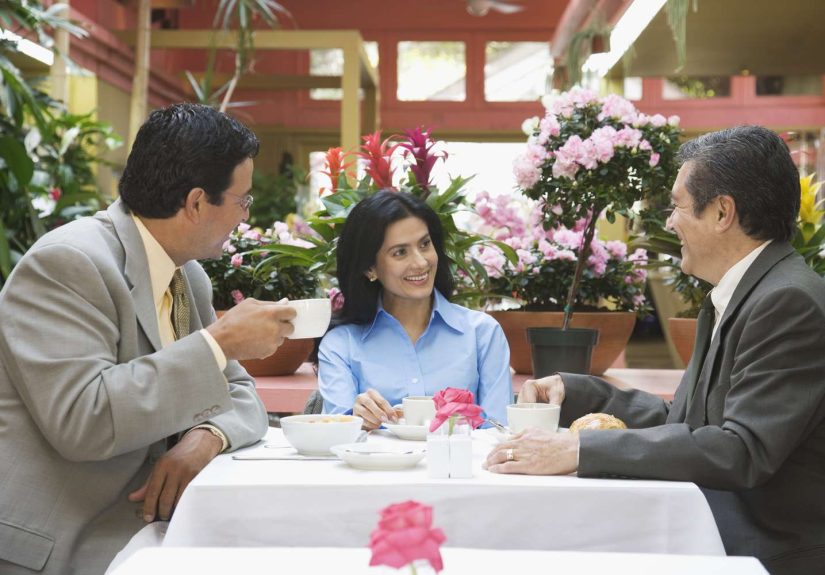
A lunch or dinner interview sounds civilized, doesn’t it? A nice meal, polite conversation, maybe a bread basket if the universe is feeling generous. But make no mistake: this is still a job interview. The only difference is that now you’re expected to prove you’re smart, likable, polished, and capable of using a fork without creating a dramatic side plot.
That is exactly why meal interviews can feel trickier than traditional ones. You are answering questions, reading social cues, showing confidence, and navigating restaurant etiquette all at the same time. Employers often use lunch and dinner interviews to see how you handle yourself in a more relaxed social setting, especially for roles that involve clients, leadership, teamwork, or public-facing communication.
The good news is that you do not need to be a fine-dining expert or someone who casually says things like “I detect notes of truffle.” You just need a smart plan. These lunch and dinner interview tips will help you look professional, stay calm, and avoid common mistakes that can sink an otherwise strong interview.
Why Meal Interviews Matter More Than People Think
A meal interview is not really about the salad. It is about judgment, presence, and professionalism. Hiring managers already know your resume. At this stage, they often want to learn whether you can carry a conversation naturally, treat people respectfully, and stay composed outside a conference room.
In other words, a meal interview tests the “Would I trust this person with clients, coworkers, or important conversations?” factor. That is why your behavior with the host, server, and restaurant staff matters just as much as the polished answer you give about your strengths. Yes, the chicken sandwich may be innocent, but your choices around it are under gentle review.
Before the Interview: Do Your Homework Like a Pro
Research the company and role thoroughly
Start with the basics. Review the job description, study the company’s recent news, understand the team’s work, and prepare examples that show your skills. A meal interview may feel casual, but casual is not the same as unprepared. You still need sharp, specific answers about your experience, accomplishments, and interest in the role.
Look up the restaurant in advance
One of the smartest dinner and lunch interview tips is to preview the restaurant before the big day. Check the menu online, confirm the location, estimate travel time, and get a feel for the atmosphere. This small step lowers stress in a big way. You won’t waste mental energy staring at the menu like it is an advanced chemistry exam, and you’ll have a better sense of what to wear.
Plan your route and arrive early
Give yourself extra time for traffic, parking, and finding the entrance. Arriving ten to fifteen minutes early is ideal. You want to walk in looking composed, not like you just outran a bus while whispering motivational threats to your GPS.
Eat something light beforehand
This surprises people, but it is one of the best meal interview etiquette tips. Do not show up starving. If you are too hungry, you may rush your food, order too much, or lose focus. Have a light snack earlier so you can treat the meal as part interview, part meal, not a survival mission.
What to Wear to a Lunch or Dinner Interview
Dress professionally unless you are clearly told otherwise. The restaurant may be more relaxed than an office, but the standard should still match the role and company culture. Business casual might work in some industries, while others still call for more traditional interview attire.
Choose clothes that are polished, comfortable, and easy to manage while seated. Avoid anything too tight, too flashy, or too distracting. The goal is to look sharp without giving yourself a wardrobe challenge every time you reach for a water glass.
Also, keep fragrance light. A strong scent can be distracting in a restaurant setting where people are eating, talking, and sitting close together.
How to Order Without Making It Weird
Follow your host’s lead
One of the classic lunch interview tips is to watch the interviewer for cues. Notice what they order, how formal the meal seems, and whether they suggest appetizers, dessert, or beverages. You do not need to copy them exactly, but their choices can help you gauge the tone and price range.
Choose something easy to eat
Now is not the time for spaghetti, giant burgers, extra-slippery noodles, bone-in anything, or a dish that requires engineering. Pick food that is neat, simple, and easy to manage. Think grilled chicken, salad with manageable ingredients, fish, rice bowls, or pasta that won’t wage war on your shirt.
Stay in the middle of the menu
Do not order the cheapest item just to look modest, and definitely do not order the most expensive thing like you are celebrating a promotion you do not have yet. Mid-priced is the sweet spot. It shows awareness, professionalism, and good judgment.
Keep customizations minimal
Asking for a reasonable substitution is fine if needed, but avoid turning your order into a six-part negotiation. You are trying to show you are adaptable, not auditioning for a reality show called Extreme Menu Edits.
Skip alcohol
Even if the interviewer orders wine or says it is fine, the safest move is to decline politely. A meal interview is still business. Water, iced tea, or another simple nonalcoholic drink is almost always the best choice.
Table Manners That Matter in a Job Interview
You do not need to be an etiquette expert, but basic table manners are absolutely part of the interview. Good manners signal respect, attention, and self-awareness.
- Place your napkin on your lap soon after sitting down.
- Wait to begin eating until the host starts or gives a clear cue.
- Take small bites and eat at a moderate pace.
- Do not talk with food in your mouth.
- Keep your phone silent and out of sight.
- Be polite to every member of the staff.
- Avoid reaching across the table or making a mess of place settings.
These meal interview etiquette basics matter because employers are often watching how you behave when the setting is less scripted. If you stay gracious and calm, you communicate that you can be trusted in professional social situations.
Conversation Tips for Lunch and Dinner Interviews
Remember that the interview is still the main event
The biggest mistake candidates make is assuming the meal is merely a break from the interview. It is not. Every interaction still counts. Be friendly and natural, but stay mentally in interview mode from the moment you arrive until you say goodbye.
Balance professionalism with warmth
The best dinner interview tips are not about becoming stiff or robotic. They are about being pleasant, thoughtful, and professional. Smile, make eye contact, listen carefully, and speak clearly. Show personality, but keep it work-appropriate.
Use small talk strategically
Light conversation is normal in a meal interview. Safe topics include the city, the company, the role, industry trends, hobbies in broad terms, or the restaurant itself. Avoid anything divisive, deeply personal, or negative. This is not the moment to reveal your most controversial opinions or your ongoing feud with your apartment’s smoke alarm.
Ask smart questions
Thoughtful questions help you stand out. Ask about the team, expectations for the role, company culture, client relationships, leadership style, or what success looks like in the first six months. Questions like these show genuine interest and help the conversation flow naturally.
How to Answer Questions While Eating
This is where meal interviews get delightfully awkward. You may be asked a serious question just as you take a bite. The solution is simple: take small bites and pace yourself. That way, you can respond quickly without trying to explain your leadership style while wrestling a crouton.
If you are mid-bite when asked something important, do not panic. Finish chewing, take a sip of water if needed, and answer calmly. A brief pause is better than rushing. Composure is impressive. Panic-chewing is less so.
Also, keep your answers focused. A lunch or dinner interview often has a looser rhythm than a formal interview, so it helps to stay concise and relevant. Great answers are clear, specific, and grounded in examples.
How to Treat Restaurant Staff During a Meal Interview
If there is one rule that deserves bold letters in your brain, it is this: be kind to everyone. The way you speak to hosts, servers, and restaurant staff says a lot about your character. Employers notice this. So do other people at the table.
Say please and thank you. Be patient if service is slow. Do not complain dramatically about the food, the table, the lighting, or the cosmic injustice of receiving three ice cubes instead of four. Staying respectful under minor inconvenience makes you look mature and professional.
What Not to Do in a Lunch or Dinner Interview
- Do not order messy, oversized, or hard-to-eat food.
- Do not drink alcohol.
- Do not dominate the conversation.
- Do not overshare personal stories.
- Do not criticize former employers.
- Do not check your phone at the table.
- Do not argue about the bill or offer coupons, discounts, or payment apps.
- Do not ask for a to-go box.
That last one may sound oddly specific, but yes, it is widely considered inappropriate in an interview setting. However tempting those leftovers may be, leave them behind and keep your dignity fully employed.
Who Pays, and What Should You Do About It?
In most lunch and dinner interviews, the employer pays. Usually, the best move is to let the host handle the check. You can offer a sincere thank-you, but do not insist on contributing, calculating the tip, or entering a complicated discussion about who owes what. This is not brunch with friends. It is a professional meeting.
When the meal wraps up, thank your interviewer for both their time and hospitality. A simple, gracious acknowledgment works well and leaves the right impression.
How to Follow Up After a Meal Interview
Your follow-up matters just as much as your table manners. Send a thank-you email within twenty-four hours. Mention your appreciation for the conversation and the meal, reinforce your interest in the position, and briefly reference something specific you discussed. That detail makes your message more memorable and more human.
For example, you might mention a project the team is launching, a challenge you discussed, or a shared conversation about the role’s priorities. Keep the email concise, warm, and professional.
Quick Examples of Good Meal Interview Judgment
Example 1: The smart order
You are interviewing at a mid-range restaurant with a broad menu. Instead of ordering ribs, a giant sandwich, or a mystery special with seventeen ingredients, you choose grilled salmon with vegetables. It is easy to eat, neatly plated, and squarely in the middle of the menu. Excellent choice. Your shirt thanks you.
Example 2: The graceful recovery
You accidentally drop your fork. Instead of apologizing like the world has ended, you simply ask for another one, smile, and move on. Interviewers do not expect perfection. They notice how you handle imperfect moments.
Example 3: The strong follow-up
After dinner, you send a thank-you note that references your conversation about onboarding goals and client communication. That extra specificity makes you sound engaged, attentive, and genuinely interested in the role.
Final Thoughts on Lunch and Dinner Interview Tips
The best lunch and dinner interview tips all come down to one idea: stay professional in a setting designed to feel less formal. That means preparing like you would for any serious interview, then layering in good judgment, table manners, and social awareness.
If you research the company, preview the restaurant, dress appropriately, order wisely, treat everyone well, and follow up thoughtfully, you will already be ahead of many candidates. A meal interview is not a trap. It is an opportunity to show that you can think clearly, communicate well, and represent yourself with confidence in any room, even one with a bread basket and too many forks.
So yes, the meal matters. But your composure matters more. Go in ready, stay calm, and remember: the goal is not to impress anyone with your entrée. The goal is to leave the table looking like someone they would be happy to hire.
Real-World Experiences and Lessons From Meal Interviews
One of the most common meal interview experiences starts with a candidate thinking, “This feels easier than a normal interview.” Then the bread arrives, the interviewer casually asks, “Tell me about a time you handled conflict,” and suddenly the candidate realizes they are trying to sound insightful while deciding whether chewing counts as a personality trait. The lesson from that kind of experience is simple: relaxed does not mean low stakes. Candidates who perform best are the ones who treat the meal as a full professional conversation from start to finish.
Another common experience happens when someone overthinks the menu. They stare too long, ask too many questions, or order something they would never normally eat because it sounds impressive. Then they spend the next forty minutes managing a dish instead of managing the conversation. People who later reflect on these interviews often say they wish they had chosen something simpler. That is why one of the smartest dinner interview tips is to pick familiar food you can eat neatly. Confidence rises when your entrée is not plotting against you.
There are also experiences where the candidate technically answers every question well, but slips on the social side. Maybe they interrupt the server, complain about the wait time, or check a message on their phone under the table. None of these things may seem dramatic in isolation, yet they can quietly change the interviewer’s impression. Meal interviews often reveal habits that would never show up in a polished resume or a rehearsed video call. In that way, they are less about scripted brilliance and more about steady professionalism.
On the positive side, many candidates remember meal interviews as the moment they connected most naturally with an employer. A lunch or dinner setting can create room for more organic conversation about teamwork, communication style, and company culture. Some candidates say they were able to relax just enough to sound more like themselves. They still came prepared with stories and questions, but the flow felt less rigid than a formal office interview. When handled well, a meal interview can actually help a strong candidate shine.
One especially useful lesson from real interview experiences is that recovery matters. A candidate might spill a little water, mishear a question, or need an extra second before answering. What interviewers often remember is not the tiny mistake but the response to it. Calm, good-humored recovery reads as maturity. In fact, some of the most successful candidates are not the ones who appear flawless. They are the ones who stay gracious, adaptable, and composed when the unexpected happens.
Another pattern people mention after lunch interviews is the importance of the follow-up. Candidates who send a thoughtful thank-you email often feel they ended the interaction on a stronger note. Referencing the conversation, thanking the interviewer for the meal, and restating enthusiasm for the role helps reinforce the professional impression created at the table. It is a small step, but in a competitive hiring process, small steps can have surprisingly large impact.
Ultimately, the shared experience behind nearly every successful meal interview is not perfect etiquette or dazzling charm. It is preparation combined with self-awareness. Candidates who know the role, understand the company, order with good judgment, and treat everyone respectfully tend to leave the best impression. That formula may not sound flashy, but in the world of lunch and dinner interview tips, simple professionalism is still the winning move.