Table of Contents >> Show >> Hide
- What Body Image Means When You Have Metastatic Breast Cancer
- Why Body Image Can Feel So Complicated
- Practical Body Image Tips That Actually Help
- Start with comfort, not performance
- Give yourself permission to adapt your style
- Think in terms of options, not rules
- Plan ahead for hair changes
- Use mirrors on your own terms
- Stop letting the scale run the meeting
- Move in ways that reconnect you with your body
- Ask early about lymphedema, swelling, and physical therapy
- How to Protect Your Sense of Self
- Body Image in Relationships and Intimacy
- When Emotional Support Matters More Than Another “Tip”
- A More Compassionate Goal
- Shared Experiences: What Many People Living With Metastatic Breast Cancer Describe
- Conclusion
Living with metastatic breast cancer can change the way you think about your body in ways that are physical, emotional, and surprisingly practical. One day you may be managing fatigue, swelling, or hair loss; the next, you may be staring at a closet full of clothes that suddenly feel like they belong to somebody else. That can be frustrating, sad, disorienting, and sometimes oddly annoying in the most everyday ways. It is hard to feel like yourself when your body keeps updating its software without asking permission first.
Body image concerns are not shallow, dramatic, or “less important” than other parts of care. They are part of quality of life. They can affect confidence, relationships, intimacy, social comfort, work, and even the energy it takes to leave the house. For people with metastatic breast cancer, the conversation is often even more layered because treatment may continue for a long time, side effects may change over time, and the goal is not just getting through one chapter, but building a life inside a difficult reality.
The good news is that body image is not all-or-nothing. You do not have to wake up one morning and suddenly love every scar, every asymmetry, or every treatment-related change. A more realistic goal is to feel more at home in your body, more supported in your choices, and less pressured to perform “confidence” on command. These body image tips are designed to help you do exactly that.
What Body Image Means When You Have Metastatic Breast Cancer
Body image is not just about appearance. It is also about how your body feels, what it can do, how safe you feel inside it, and how you think other people see you. With metastatic breast cancer, body image may be affected by surgery, radiation, chemotherapy, hormone therapy, targeted therapy, immunotherapy, pain, swelling, lymphedema, neuropathy, menopausal symptoms, weight changes, fatigue, or changes in sexual health.
That means body image struggles can show up in very different ways. Some people feel upset by visible changes such as scars, hair loss, or breast asymmetry. Others are more affected by invisible changes, like numbness, tenderness, exhaustion, or the feeling that their body is unpredictable. Both experiences are real. Both matter.
It also helps to remember that metastatic breast cancer care often focuses on controlling the disease, easing symptoms, and supporting quality of life. In other words, feeling comfortable in your body is not a side quest. It belongs in the main storyline.
Why Body Image Can Feel So Complicated
1. The body keeps changing
With metastatic breast cancer, treatment plans may shift over time. A medication works, then stops working. A new side effect appears. Hair grows back differently. Weight changes. Clothes fit differently. A scar fades while fatigue gets louder. It can feel like you barely adjust to one version of your body before another version arrives.
2. People say unhelpful things
“You look great” can feel comforting one day and absurd the next. “At least you’re alive” may be true, but it does not erase grief. Body image gets harder when people treat appearance concerns as vanity instead of what they often are: a deeply human response to loss, change, and uncertainty.
3. There is pressure to be inspirational
Many people living with cancer feel an unspoken expectation to be brave, grateful, and glowing at all times. That is exhausting. Some days you may feel fierce. Some days you may feel like a gremlin in stretchy pants who does not want to discuss resilience. Both are allowed.
Practical Body Image Tips That Actually Help
Start with comfort, not performance
If your body feels unfamiliar, begin with what makes it feel supported. Soft fabrics, bras without irritating seams, tops that do not rub tender areas, compression garments that fit properly, and shoes that are easy on tired feet can make a real difference. Comfort is not “giving up.” It is strategic. When your body hurts less, you usually feel more like yourself.
Give yourself permission to adapt your style
You are not required to dress like your pre-diagnosis self forever. Some people feel better returning to familiar looks. Others feel empowered by changing things up. Scarves, hats, wigs, brows, prostheses, breast forms, camisoles, layered clothing, soft loungewear, bold lipstick, or no makeup at all can all be valid choices. The goal is not to look “normal.” The goal is to feel like you had a say.
Think in terms of options, not rules
If you have had breast surgery, you may prefer reconstruction, a breast form, a pocketed bra, or going flat. There is no moral superiority in any of those choices. There is only what feels right for your body, your health, your energy, and your priorities. Sometimes the best body image tip is simply this: choose what gives you the most peace and the least daily friction.
Plan ahead for hair changes
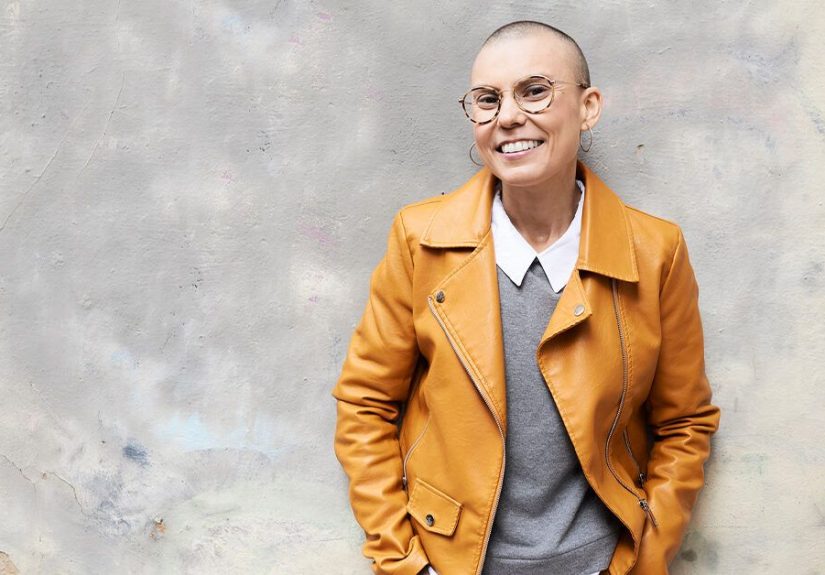
If treatment may cause hair loss, thinking ahead can soften the shock. Some people cut their hair shorter first. Others choose a wig before treatment begins so the process feels less rushed. Some prefer scarves, hats, or turbans. Some decide they do not want head coverings at all. A small lineup of practical options can restore a sense of control during a time when control may feel scarce.
Use mirrors on your own terms
You do not have to force yourself into a dramatic self-love speech in front of a mirror. A gentler approach often works better. Try neutral observation first: “This is my body today.” Not “I love everything,” not “I hate everything,” just honest noticing. Over time, neutral can become kinder, and kinder can become more stable.
Stop letting the scale run the meeting
Weight changes during treatment can stir up a lot of emotion. But your body is dealing with cancer, medication effects, stress, inflammation, sleep disruption, and reduced activity all at once. That is not a character flaw. If weight becomes medically important, let your care team guide that conversation. Your job is not to bully your body into behaving.
Move in ways that reconnect you with your body
Gentle, approved movement can help some people feel less trapped inside side effects. That might mean walking, stretching, light strength work, yoga, or physical therapy exercises, especially when guided by your medical team. This is not about “earning” confidence or shrinking your body. It is about function, circulation, mobility, and reminding yourself that your body is still yours, even on hard days.
Ask early about lymphedema, swelling, and physical therapy
If swelling, tightness, heaviness, or limited range of motion are affecting how you feel in your body, bring it up. Lymphedema specialists, oncology rehab, and physical therapists can help with exercises, compression strategies, scar mobility, and practical symptom management. Sometimes body image improves not because you changed how you look, but because your body became more comfortable to live in.
How to Protect Your Sense of Self
Create a “still me” list
Write down qualities that have nothing to do with appearance: funny, organized, stubborn in a useful way, kind, stylish, a great listener, wildly good at making mashed potatoes, excellent at texting people back with heart emojis. Identity gets bruised during serious illness. A “still me” list helps widen the picture.
Choose one routine that makes you feel put together
Not ten routines. One. Maybe it is skincare. Maybe earrings. Maybe a favorite eyebrow pencil. Maybe wearing matching pajamas instead of the mystery T-shirt from 2014. Tiny rituals can create a sense of continuity when everything else feels medically scheduled.
Curate your visual environment
If social media makes you feel worse, unfollow aggressively. If certain mirrors, photos, or comments are triggering, adjust accordingly. Body image is influenced by what you see and hear repeatedly. Protecting your mental space is a form of care, not avoidance.
Body Image in Relationships and Intimacy
Metastatic breast cancer can affect closeness in quiet ways. You may worry about being seen. You may feel less interested in sex because of fatigue, pain, dryness, hormonal changes, or emotional overload. You may want affection but not pressure. Or you may feel disconnected from your body altogether.
The most helpful step is often honest, simple communication. Try sentences like:
- “I want closeness, but I need to go slowly.”
- “My body feels different to me right now, and I’m adjusting.”
- “I need comfort, not problem-solving.”
- “Can we talk about what feels good and what doesn’t?”
Intimacy is bigger than appearance. It includes safety, trust, humor, tenderness, and being known without having to explain every inch of what changed. If sexual side effects are affecting quality of life, bring them to your care team. These issues are common, and you deserve support without embarrassment.
When Emotional Support Matters More Than Another “Tip”
Sometimes a new bra, a scarf, or a haircut helps. Sometimes it does not, because the deeper issue is grief. That is where counseling can be powerful. Oncology social workers, therapists familiar with cancer care, support groups, peer mentoring, and metastatic breast cancer communities can help you feel less alone and less stuck.
If body image distress is affecting sleep, social life, relationships, or everyday functioning, that is enough reason to seek help. You do not have to wait until things are “bad enough.” Support is not reserved for crisis mode.
Questions worth asking your care team
- Can you refer me to an oncology social worker or therapist?
- Is there an oncology rehab or lymphedema specialist I can see?
- What can help with pain, swelling, numbness, or tightness?
- Are there resources for wigs, prostheses, bras, or head coverings?
- Who can help with sexual side effects or intimacy concerns?
A More Compassionate Goal
You do not need to love every treatment-related change to build a healthier relationship with your body. Sometimes the most honest win is this: your body may not look or feel the way it once did, but you can still care for it, dress it, rest it, move it, and speak about it with more mercy.
Body image after a metastatic breast cancer diagnosis is not about chasing perfection. It is about reducing suffering. It is about reclaiming choice where choice is possible. It is about finding ways to feel recognizable to yourself again, even if the version of you that emerges is softer, wiser, more selective, and much less interested in uncomfortable bras.
Shared Experiences: What Many People Living With Metastatic Breast Cancer Describe
Many people with metastatic breast cancer say the hardest part of body image is not one dramatic moment, but the accumulation of small losses. A favorite pair of jeans no longer fits because of medication-related weight changes or bloating. A shirt irritates skin that is suddenly sensitive. A wig looks fine in theory but feels like a small heated argument in practice. Looking in the mirror becomes less about vanity and more about asking, “Who is this, and how do I live here now?”
Another common experience is feeling caught between visibility and invisibility. On some days, the body changes are obvious: hair loss, surgical changes, swelling, skin changes, or fatigue written all over the face. On other days, a person may look “pretty normal” to the outside world while privately dealing with pain, numbness, weakness, or fear. That mismatch can be lonely. People may compliment your appearance while you are silently negotiating nausea, tenderness, or exhaustion. It can make you feel unseen even while being looked at.
Many also describe a change in how they relate to getting dressed. Clothes become emotional objects. Some people hold on tightly to their old wardrobe because it represents continuity. Others need a complete reset because their previous style no longer feels practical or emotionally right. Finding new clothes can be strangely intense. A soft top that works with a prosthesis, a bra that does not dig into sensitive skin, or a scarf that feels stylish instead of “medical” can create a surprising sense of relief. These are not trivial victories. They are daily-life victories, which are often the ones that matter most.
People also talk about the emotional whiplash of comments from others. Praise can feel complicated. Being told you look amazing may land as kindness, pressure, or disbelief depending on the day. Some people feel encouraged; others feel like they must keep performing wellness so they do not make anyone uncomfortable. That pressure can push body image struggles underground. A lot of people say they feel better when someone simply acknowledges that this is hard without trying to wrap it in glitter.
Relationships can shift too. Some people feel deeply supported by partners, friends, or family members who adapt with them and make space for honesty. Others feel misunderstood, especially when body image concerns are brushed off. What many describe as most helpful is not a perfect response, but a patient one. Someone who can hear, “I don’t feel like myself,” without rushing in to debate it can make a huge difference.
Over time, many people say their goal changes. At first, they may want their old body back. Later, they may want something more doable: less self-criticism, more comfort, fewer mirror battles, more energy for real life. They may never become thrilled about every scar or side effect, but they often become more skilled at living alongside change. That shift matters. It is not surrender. It is adaptation with dignity.
Conclusion
Metastatic breast cancer and body image are tightly connected because cancer care affects far more than tumors. It affects clothing, movement, identity, confidence, intimacy, and the private ways you experience your own reflection. The most effective body image tips are usually not flashy. They are practical, compassionate, and repeatable: choose comfort, use support, ask for help, protect your energy, and make style choices that serve your real life. Your body has been through enough. It does not need punishment. It needs partnership.