
Table of Contents >> Show >> Hide
- What Is Monkeypox, and Why Does HIV Matter?
- Monkeypox and HIV Risk Factors: Who Faces Greater Danger?
- Symptoms, Diagnosis, and the Overlap With HIV Care
- Treatment: What Works, What Helps, and What Needs Clinical Judgment
- Prevention: The Best Strategy Is Still to Avoid the Virus in the First Place
- What People Living With HIV Should Do If They Think They Have Mpox
- Why Public Health Keeps Talking About Mpox and HIV Together
- Final Thoughts
- Experiences Related to Monkeypox and HIV: What Real Life Can Look Like
Let’s start with the most important point: having HIV does not automatically mean a person will have a severe case of monkeypox, now more commonly called mpox. But advanced or untreated HIV can raise the risk of serious illness, longer recovery, and more complications. That makes this topic especially important for patients, partners, caregivers, and anyone who works in sexual health or HIV care.
Mpox and HIV have become linked in public discussion for a simple reason: during recent outbreaks, many cases were identified in sexual health networks where HIV prevention, HIV treatment, STI screening, and mpox vaccination often overlap. That does not mean mpox is “an HIV disease,” and it definitely does not mean only one community needs to care. Viruses, as usual, do not read labels. They just take opportunities. The job of good public health is to reduce those opportunities.
What Is Monkeypox, and Why Does HIV Matter?
Mpox is a viral infection in the orthopoxvirus family, the same broad family as smallpox. It usually causes a rash or lesions and may also trigger fever, swollen lymph nodes, fatigue, headache, muscle aches, and soreness in areas where lesions appear. In many recent cases, lesions have shown up on the genitals, anus, rectum, mouth, face, hands, or feet. Some people feel sick before the rash appears; others notice lesions first and then realize something is very wrong with the plot.
Mpox spreads mainly through close or intimate contact with a person who has symptoms. That includes direct contact with lesions or scabs, contact with body fluids or mucosal lesions, and contact with contaminated materials such as bedding, towels, or clothing. It is not the kind of infection that usually spreads through casual, brief contact in a classroom, office, or grocery store.
HIV matters here because the immune system matters. People living with HIV who are on effective antiretroviral therapy and have strong immune recovery often do well if they get mpox. The bigger concern is advanced HIV, especially when a person has a low CD4 count, is not virologically suppressed, or is not currently receiving treatment. In those situations, mpox can become more severe, more painful, and more difficult to control.
Monkeypox and HIV Risk Factors: Who Faces Greater Danger?
1. Advanced or untreated HIV
The clearest red flag is advanced HIV. People with severe immunocompromise are more likely to develop widespread lesions, deep tissue involvement, prolonged illness, hospitalization, and in some cases life-threatening complications. A low CD4 count can make it harder for the body to clear the virus and easier for mpox to keep spreading in the skin and mucosal tissues.
2. Not being on consistent HIV treatment
Staying on antiretroviral therapy does more than manage HIV labs on a chart. It helps protect immune function in real life. People whose HIV is not well controlled may face worse outcomes from mpox, while people with suppressed viral loads and stable care generally do better.
3. Close or intimate exposure
Mpox risk rises with close, skin-to-skin or intimate contact with someone who has symptoms. During recent outbreaks, many infections were associated with sexual networks, especially where there was direct exposure to lesions or mucosal surfaces. This is why sexual health counseling has become a major part of mpox prevention. It is not about blame; it is about understanding how transmission actually happens.
4. Lack of vaccination
People at increased risk who have not received the full two-dose JYNNEOS vaccine series are more vulnerable than those who are fully vaccinated. One dose can help, but two doses offer the strongest protection. Breakthrough infections can still happen, yet they are often milder than infections in people who are unvaccinated.
5. Delayed diagnosis or delayed care
Some people mistake mpox for herpes, syphilis, ingrown hairs, hemorrhoids, or a random “weird rash that will probably disappear by Tuesday.” Unfortunately, mpox does not always cooperate with optimism. Delayed testing can mean delayed pain control, delayed treatment decisions, and more chances to spread the virus to partners or household contacts.
Symptoms, Diagnosis, and the Overlap With HIV Care
In people with or without HIV, mpox symptoms may include:
- A new rash, blisters, pustules, or scabs
- Painful lesions on the genitals, anus, rectum, mouth, face, hands, or feet
- Swollen lymph nodes
- Fever, chills, headache, fatigue, or muscle aches
- Rectal pain, sore throat, or painful swallowing in some cases
Diagnosis is usually made with a PCR test performed on swabs taken from lesions. Testing is generally recommended when a person has a rash that looks suspicious for mpox, especially if they also have known exposure or belong to a group with elevated risk. If someone living with HIV develops a new painful rash, particularly around the mouth, genitals, or anus, getting checked early is a smart move. Stoicism is admirable in novels. In infectious disease, it can be expensive.
Clinicians often think about mpox alongside HIV screening, STI testing, and prevention services because the same visit may create an opportunity to address several issues at once. A patient may come in worried about lesions and leave with testing, vaccination advice for partners, HIV treatment support, or information about PrEP or PEP. That kind of integrated care is not overkill. It is efficient, humane medicine.
Treatment: What Works, What Helps, and What Needs Clinical Judgment
Supportive care is often enough for milder cases
Most people with mpox who do not have severe immunocompromise recover with supportive care and pain management. That can include hydration, rest, wound care, topical measures for irritated skin, and medication for pain or fever. Pain control matters more than many people expect. Mpox lesions can be intensely painful, especially in the rectal, genital, or oral areas, and undertreated pain can derail eating, sleeping, hydration, and daily function.
Antivirals may be considered for higher-risk patients
The antiviral tecovirimat, also known as TPOXX, remains part of the discussion for certain patients with severe disease or major risk factors, including advanced HIV. However, there is an important nuance here: tecovirimat is not FDA-approved specifically for mpox, and recent clinical trial data found that it was safe but did not shorten lesion resolution in patients with mild to moderate mpox who were not at high risk for severe disease.
That does not mean the drug is useless. It means clinicians should avoid treating it like a magic eraser. For patients with advanced HIV, severe immunocompromise, eye involvement, extensive mucosal disease, or progressive infection, expert consultation and individualized treatment decisions are still critical. In these cases, clinicians may pursue antiviral therapy under specific protocols and consider broader management strategies based on severity.
HIV treatment remains part of mpox treatment
For people living with HIV, maintaining or restarting antiretroviral therapy is a core part of the big picture. Managing mpox without addressing uncontrolled HIV is like trying to mop the floor while the sink is still overflowing. A person with advanced HIV may need coordinated infectious disease care, close monitoring, nutritional support, wound care, and follow-up after the acute infection improves.
Prevention: The Best Strategy Is Still to Avoid the Virus in the First Place
Get vaccinated if you are eligible
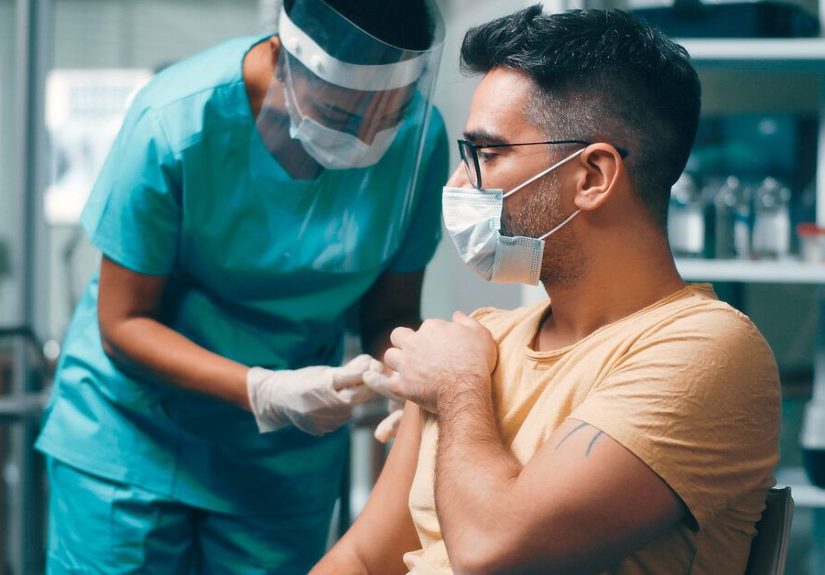
The JYNNEOS vaccine is the main mpox vaccine used in the United States and is considered safe for people living with HIV. It is given as a two-dose series, 28 days apart. Peak protection is expected about two weeks after the second dose. If more than four weeks have passed since the first dose, the second dose should still be completed as soon as possible rather than abandoned like a forgotten gym membership.
Vaccination can be used both before exposure and after certain exposures. If someone has had close contact with a person diagnosed with mpox, getting vaccinated quickly may lower the chance of disease or reduce severity. This is sometimes called post-exposure prophylaxis for mpox, which is separate from HIV PEP. The names sound similar, but they are not the same thing, and that distinction matters.
Reduce close-contact exposure during high-risk periods
Prevention advice is practical, not puritanical. If a person is at higher risk, especially during a local outbreak or before vaccination is complete, lowering exposure can help. That may include avoiding skin-to-skin contact with anyone who has a suspicious rash, skipping intimate contact when symptoms are present, not sharing towels or bedding, and cleaning contaminated materials carefully.
Condoms may reduce exposure to lesions in certain areas, but they do not fully prevent mpox because lesions can appear on many parts of the body. So yes, condoms are still useful, but they are not a full-body force field. Public health rarely gives us anything that dramatic.
Keep HIV care strong
One of the best prevention strategies for severe mpox in a person with HIV is simply solid HIV care: regular follow-up, consistent antiretroviral therapy, viral suppression, and monitoring of CD4 counts when appropriate. Mpox prevention and HIV prevention are different, but they intersect in real clinics and real lives. People who are already engaged in HIV care may have easier access to vaccination, testing, counseling, and treatment if they develop symptoms.
What People Living With HIV Should Do If They Think They Have Mpox
- Contact a healthcare provider promptly if you develop a new rash or painful lesions.
- Avoid close physical and sexual contact until you are evaluated.
- Do not share towels, bedding, clothing, or personal items.
- Ask whether testing is appropriate and whether you should be evaluated for other STIs.
- If you have advanced HIV, are off treatment, or feel very ill, seek care quickly rather than waiting it out.
- Talk with your HIV clinician about your current medications, immune status, and whether mpox treatment should be considered.
Why Public Health Keeps Talking About Mpox and HIV Together
The overlap between mpox and HIV is not just biological. It is social, medical, and structural. The same communities may face stigma, inconsistent access to care, and delayed diagnosis. That is why many public health programs now offer mpox vaccination alongside HIV prevention services, HIV care, and STI screening. The goal is not to mash unrelated problems into one giant acronym soup. The goal is to meet people where they actually are and remove barriers before they turn into emergencies.
Stigma remains one of the biggest obstacles. Some people avoid testing because they are afraid of being judged for their sexual behavior, HIV status, or social identity. That delay helps nobody. Good care starts with facts, speed, and respect. Not shame. Never shame.
Final Thoughts
Monkeypox and HIV belong in the same conversation because immune health changes outcomes, and sexual health systems often catch both issues in the same clinical space. The key takeaway is reassuring and urgent at the same time: people with well-controlled HIV often recover from mpox without major complications, but people with advanced or untreated HIV may face severe disease and need faster, more aggressive care.
The winning strategy is not mysterious. Get vaccinated if you are eligible. Stay engaged in HIV care. Take new rashes seriously. Get tested early. Seek treatment promptly if symptoms worsen or if you have advanced HIV. In short: do not panic, but do not procrastinate either. Viruses love procrastination.
Experiences Related to Monkeypox and HIV: What Real Life Can Look Like
The experiences below are composite, real-world-style examples based on common clinical patterns and public health reporting during recent outbreaks. They are not fictional drama for drama’s sake; they reflect the kinds of situations many patients and clinicians have faced.
One common experience involves a person living with HIV who is stable on treatment, has an undetectable viral load, and assumes mpox is something that only happens “somewhere else.” Then a few days after a new sexual contact, painful lesions appear near the genitals or anus. At first, the person guesses it is herpes, irritation, or maybe the world’s least charming ingrown hair. Because the pain is embarrassing and the rash feels personal, they wait. When they finally get tested, mpox is confirmed. The good news is that because their HIV is well controlled, the illness is uncomfortable but manageable. They recover with supportive care, isolation guidance, and a renewed appreciation for not Googling symptoms at 2 a.m.
Another experience is much harder. A person with advanced HIV, limited access to regular care, and a low CD4 count develops widespread lesions, fever, and severe rectal pain. Eating hurts. Sleeping hurts. Sitting hurts. Existing, frankly, hurts. In this kind of case, mpox is not just an unpleasant rash. It can become a serious systemic illness requiring urgent medical care, pain management, and consideration of antiviral treatment. These are the cases that remind clinicians why early HIV treatment and steady access to care matter so much.
Some patients describe confusion more than anything else. They hear “PEP” and assume HIV PEP and mpox post-exposure vaccination are the same. They hear “two doses” and think one is probably enough. They hear “mild in most people” and conclude it will be harmless for them. Public health messaging has improved, but patients still need plain English: mpox vaccination is separate from HIV PEP, two JYNNEOS doses give better protection, and advanced HIV changes the risk calculation in a big way.
There is also the emotional experience. People with HIV may already carry fatigue from years of navigating stigma, appointments, lab results, insurance paperwork, medication refills, and health advice from random cousins on social media. Adding mpox to that mix can feel like one more exhausting twist. Some patients worry about disclosing symptoms to partners. Others worry that seeking care will expose them to judgment. In practice, the best outcomes usually happen when care is fast, direct, and stigma-free.
Finally, many clinicians describe a more hopeful pattern: patients come in for one concern and leave with a stronger prevention plan overall. A visit for possible mpox can become the moment someone reconnects with HIV care, starts or restarts antiretroviral therapy, gets vaccinated, receives STI screening, or learns how to protect partners. In that sense, one scary health event can still lead to something constructive. No one wants the plot twist, but sometimes it pushes the story in a healthier direction.







 Close
Close