
Table of Contents >> Show >> Hide
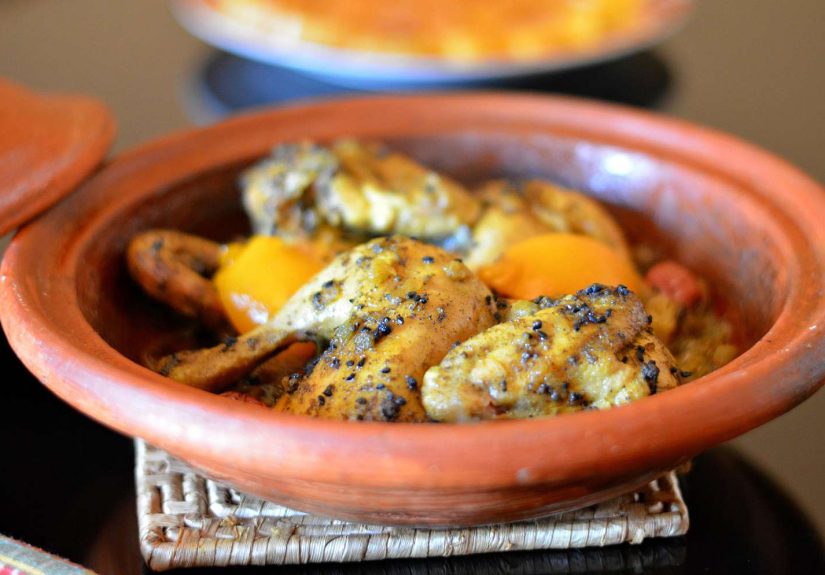
Moroccan Chicken Tagine is one of those dishes that instantly transports youno passport,
no airport security, just a simmering pot filled with warm spices, citrusy brightness,
and tender chicken falling off the bone like it has nothing left to prove. While every
cook in Morocco has their own version, the fundamentals remain universally delicious:
slow braising, fragrant spices, preserved lemons, olives, and that unmistakable tagine-style
layering of flavors.
In this guide, we’ll explore how to make an authentic Moroccan Chicken Tagine at homewhether
you own a traditional clay tagine or just a sturdy Dutch ovenand break down the flavors,
techniques, and little tricks that make this dish world-famous. We’ll also fold in insights
inspired by reputable U.S. culinary sources such as Bon Appétit, Serious Eats,
New York Times Cooking, Food Network, America’s Test Kitchen,
The Spruce Eats, and more.
What Makes a Chicken Tagine So Special?
A tagine isn’t just a potit’s a cooking philosophy. The conical lid traps steam, which
rises and condenses, basting the ingredients continuously. This results in chicken that’s
succulent and infused with slow-cooked aromatics. Even if you swap in a Dutch oven, you’ll
still experience the hallmark tenderness and layered flavor.
- Spice-Driven Flavor: The magic lies in Moroccan spicescumin, ginger,
turmeric, paprika, coriander, saffron, and cinnamon. - Preserved Lemons: Tart, salty, and uniquely fragrant, they’re essential
for that classic Moroccan zing. - Olives: Green olives are common, adding briny contrast and richness.
- Slow Cooking: Low heat and moisture build deep flavor over time.
Ingredients You’ll Need
Here’s the classic combination recommended across top U.S. recipe sources, with a few optional
twists:
- 2–3 lbs bone-in chicken thighs or drumsticks
- 2 tablespoons olive oil
- 1 large onion, sliced
- 4 cloves garlic, minced
- 1 teaspoon ground ginger
- 1 teaspoon turmeric
- 1 teaspoon ground cumin
- 1 teaspoon paprika
- ½ teaspoon ground cinnamon
- Saffron threads (optional but ideal)
- 1 cup chicken broth
- 1 preserved lemon, sliced and rinsed
- 1 cup green olives
- Fresh cilantro and parsley, chopped
- Optional additions: carrots, potatoes, chickpeas, apricots
Step-by-Step Instructions
1. Brown the Chicken
Heat olive oil in your tagine or Dutch oven. Brown the chicken on all sides until golden.
This step builds your flavor basedon’t rush it.
2. Build the Aromatics
Add onions and garlic, letting them soften before stirring in the spices. Toasting spices
helps release their essential oils, amplifying aroma and depth.
3. Layer and Simmer
Add chicken back in, pour in broth, tuck preserved lemons around the edges, sprinkle olives
over the top, cover, and simmer on low for 1 to 1.5 hours. Resist the urge to stirthe layering
encourages even cooking.
4. Finish With Herbs
Right before serving, stir in or sprinkle chopped parsley and cilantro. Fresh herbs cut through
the richness beautifully.
Serving Suggestions
Moroccan Chicken Tagine is traditionally served with warm couscous or flatbread. Couscous is like
the best friend who absorbs all the sauce and asks for nothing in return. Rice works too, but for
the full North African experience, couscous is the way to go.
Optional Garnishes
- Toasted almonds
- Dried apricots or dates
- Lemon wedges
Tips for Making the Best Moroccan Chicken Tagine
Use Bone-In Chicken
Boneless cuts dry out quickly. Bone-in chicken retains moisture and helps flavor the broth.
Preserved Lemons Are Non-Negotiable
If you can’t find preserved lemons, you can substitute with fresh lemon zest and a bit of brine
from jarred olivesbut the outcome won’t be quite the same.
Keep the Heat Gentle
High heat can crack a tagine or over-reduce your sauce. Low and slow is the mantra here.
Experiment With Add-Ins
Some cooks add dried fruit for sweetness, potatoes for heartiness, or chickpeas for protein.
Why Moroccan Cuisine Is So Beloved
Moroccan cuisine is a masterclass in balancesavory, sweet, salty, spiced, and tangy all dancing
together. Chicken tagine epitomizes this harmony. It’s slow comfort food with a global passport,
embraced by American cooks because it’s exotic yet accessible.
of Hands-On Experience & Cooking Reflections
The first time I cooked a Moroccan Chicken Tagine, I was convinced I’d accidentally turned my
kitchen into a spice shop. The combination of turmeric, ginger, cumin, and cinnamon fills the
air with warmth reminiscent of open-air markets in Marrakech. One key lesson I learned early on:
patience is everything. Many American recipes emphasize quick meals, but this dish refuses to be
rushedand that’s part of its charm.
Cooking a tagine has taught me the art of gentle simmering. It’s a surprisingly meditative process.
As the steam condenses and drips back into the pot, you’re reminded that good food often thrives on
slow rhythms. I learned the hard way that turning up the heat can result in a sauce that’s too thick
or even a cracked tagine base. Trust the low flame!
Another discovery: preserved lemons are miraculous. Their ability to brighten a long-simmered dish
is unlike anything else. I experimented with using fresh lemons once, and while the result was tasty,
it lacked the deep, complex tartness that preserved lemons bring. So now, every few months, I prepare
a jar at homejust lemons, salt, and time.
The choice of olives also makes a difference. Castelvetrano olives provide buttery richness, while
classic Moroccan green olives give a more assertive briny punch. I’ve tried both, and each version
brings a different personality to the dish.
What surprised me most, though, was how versatile chicken tagine can be. Sometimes I add sweet dried
apricots when I want a hint of contrast. Other times I throw in chickpeas to bulk it up. It’s a dish
that rewards curiosity and creativity. Even the leftovers develop deeper, richer flavor, making it a
wonderful make-ahead meal.
And then there’s the serving moment. Bringing a tagine to the table has an almost theatrical feel.
Lift the conical lid, and steam escapes like a dramatic flourishit’s the culinary equivalent of a
drumroll. Guests lean in, inhale, and suddenly you’re the most interesting person they’ve ever eaten
with.
Conclusion
Moroccan Chicken Tagine isn’t simply a recipeit’s an experience. Slow-cooked flavors, bold
spices, bright preserved lemons, and the comforting ritual of simmering all come together to create
an unforgettable dish. Whether you’re using a traditional tagine or a familiar Dutch oven, the results
are deeply satisfying, aromatically rich, and guaranteed to impress.






 Close
Close