
Table of Contents >> Show >> Hide
- What Is the Morsø 2110 Wood Stove?
- Quick Specifications of the Morsø 2110
- Design: Traditional, Elegant, and Not Trying Too Hard
- Heating Performance and Best Use Cases
- Clean-Burn Operation and EPA Context
- Installation Considerations: Do Not Wing This
- Best Firewood for the Morsø 2110
- Daily Operation: Simple, But Not Mindless
- Maintenance and Longevity
- Pros and Potential Drawbacks
- Who Is the Morsø 2110 Best For?
- Real Ownership Experience: What Living With a Morsø 2110 Can Feel Like
- Conclusion
- SEO Tags
The Morsø 2110 Elegant Double-Door Cast Iron Wood Stove is the kind of heater that makes a room feel less like “a space with furniture” and more like “a place where cocoa should legally be served.” It is sturdy, old-world, Danish in attitude, and unapologetically made of cast iron. No flimsy metal-box energy here. This stove looks as if it could warm a cabin, outlast a trend cycle, and quietly judge your electric space heater from across the room.
Known also in some markets as the Morsø 2110 Panther, this model belongs to Morsø’s classic cast iron tradition. It combines a medium-size firebox, double front doors, glass fire viewing, non-catalytic clean-burn technology, and a design that fits surprisingly well in both rustic and contemporary interiors. It is not the newest gadget in the heating aisle, and that is part of its charm. The Morsø 2110 is for homeowners who like real materials, visible flames, and a stove that feels like furniture with a purpose.
This in-depth guide explores the design, heating performance, installation considerations, ownership experience, maintenance needs, and buying advice around the Morsø 2110 wood stove. Whether you are researching a vintage unit, comparing cast iron wood stoves, or dreaming of a living room that glows like a Scandinavian postcard, this article will help you understand what makes the 2110 so appealing.
What Is the Morsø 2110 Wood Stove?
The Morsø 2110 is a medium cast iron wood-burning stove with a double-door front and glass panels that provide a wide, cozy view of the fire. Morsø, a Danish manufacturer with roots dating back to the 1850s, is known for cast iron craftsmanship, durable stove bodies, and designs that balance traditional charm with clean European lines.
The 2110 was designed for real home heating, not just decorative flame-watching. Dealer and manufacturer literature commonly describe it as suitable for many average North American homes, with a heating range often listed around 800 to 1,400 square feet, depending on insulation, layout, climate, ceiling height, and how determined winter is feeling that year.
It is a non-catalytic wood stove, meaning it does not rely on a catalytic combustor to reburn smoke gases. Instead, it uses internal firebox design, baffles, airflow, and secondary combustion principles to improve burn quality. For many homeowners, non-catalytic stoves are attractive because they are relatively straightforward to operate. There is less “tiny spaceship lever management” and more “learn the air control, burn dry wood, enjoy heat.”
Quick Specifications of the Morsø 2110
| Feature | Commonly Listed Specification |
|---|---|
| Stove Type | Freestanding cast iron wood stove |
| Doors | Double front doors with glass viewing panels |
| Fuel | Wood only for North American listed use |
| Maximum Heat Output | Approximately 42,000 BTU/hr under test conditions |
| Heating Area | Often listed around 800–1,400 sq. ft. |
| Firebox Size | Approximately 1.093 cu. ft. |
| Maximum Log Length | About 18 inches to 18.5 inches |
| Flue Size | 6 inches |
| Burn Time | Up to about 8 hours, depending on fuel and draft |
| Approximate Weight | About 125 kg, or roughly 275 lb. |
These figures should be treated as planning references rather than promises carved into a Viking shield. Real-world performance depends heavily on chimney draft, firewood moisture, outdoor temperature, room layout, installation quality, and user habits.
Design: Traditional, Elegant, and Not Trying Too Hard
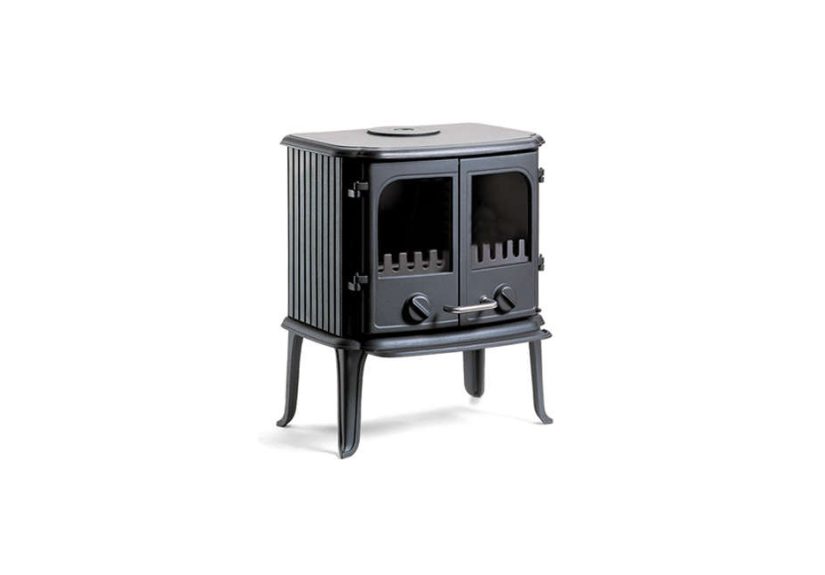
The first thing people notice about the Morsø 2110 is the double-door front. The two glass panels create a balanced, almost fireplace-like appearance. Unlike some modern stoves that look like black steel microwaves with an identity crisis, the 2110 has a softer architectural presence. It has rounded edges, raised legs, ribbed side panels, and a compact but confident stance.
The double-door design is not just decorative. It gives the stove a classic hearth feeling and makes the fire more visually engaging. The flame is framed rather than hidden, which matters if the stove sits in a living room, den, cabin, or open-plan gathering area. A wood stove should heat, yes, but it should also make everyone in the room mysteriously gather around it like house cats discovering sunshine.
Cast iron is central to the stove’s appeal. Compared with lighter steel stoves, cast iron tends to absorb heat and release it slowly. That means the Morsø 2110 can continue radiating warmth after the fire has settled down. It will not heat instantly like a forced-air furnace, but it rewards patience. Once the body is warmed through, the heat feels steady, soft, and room-filling.
Heating Performance and Best Use Cases
The Morsø 2110 is best understood as a medium-size zone heater. It is a strong fit for a main living area, a cabin, a small-to-medium home, or a larger room that benefits from supplemental heat. In an open floor plan, warm air can travel more freely. In a chopped-up older house with small rooms and many doorways, heat distribution may require fans, open doors, or strategic placement.
With a listed maximum output around 42,000 BTU/hr, the 2110 is not a tiny accent stove. It is capable of serious heat. At the same time, it is not a giant whole-house furnace replacement for a drafty mansion with cathedral ceilings and windows that whistle show tunes in January. The sweet spot is a properly sized space where the stove can run hot enough for clean combustion without constantly overheating the room.
The up-to-8-hour burn time is attractive, especially for overnight use. However, burn time depends on hardwood quality, log size, moisture content, air settings, chimney draft, and how fully the firebox is loaded. Dense, dry hardwood such as oak, hickory, maple, ash, or beech will generally produce longer, steadier heat than soft, damp, or punky wood. Green wood is not fuel; it is a smoky disappointment wearing bark.
Clean-Burn Operation and EPA Context
Older Morsø 2110 product literature lists clean-burning, non-catalytic technology and particulate emissions around 4.5 grams per hour, which matched earlier U.S. EPA wood heater standards. Because U.S. wood-stove regulations have changed over time, anyone buying, installing, or reselling a Morsø 2110 in the United States should verify current local rules, EPA status, and permit requirements before installation.
This point matters. Some Morsø 2110 units are legacy models, and availability may vary by region. A used stove can still be beautifully made, but a beautiful used stove is not automatically legal to install in every county, city, or air-quality district. Before buying one from a marketplace listing that says “worked great when removed,” ask for the data plate, manual, certification information, and photos of the interior parts.
Modern best practice is simple: choose a certified appliance when required, install it professionally, and burn only dry, seasoned wood. A good stove can be made inefficient by wet logs, poor draft, or casual maintenance. A wood stove is a partnership. You bring the dry fuel and responsible operation; it brings the fire.
Installation Considerations: Do Not Wing This
The Morsø 2110 is heavy. At roughly 275 pounds, it is not the sort of thing you casually reposition after dinner. Professional installation is strongly recommended, both for safety and for performance. The stove needs proper floor protection, correct clearances to combustible materials, a suitable 6-inch flue system, and a chimney that drafts well.
Manufacturer instructions commonly call for a properly constructed chimney system and warn against connecting the stove to a chimney flue serving another appliance. The connector diameter should match the stove outlet, and the chimney system should be inspected and maintained. In many installations, the 2110 can vent through the top or rear, depending on configuration, which gives it useful flexibility.
Clearances are not decorative suggestions. They are fire-safety requirements. Walls, trim, furniture, curtains, stacked wood, rugs, books, and holiday decorations all need respectful distance from heat. If your favorite armchair is close enough to toast bread, it is too close. Always follow the stove’s data plate, official manual, local building code, and the advice of a qualified hearth professional.
Best Firewood for the Morsø 2110
The best fuel for the Morsø 2110 is dry, split, seasoned hardwood with moisture content ideally below 20 percent. Wood should be stacked off the ground, covered on top, and left open on the sides so air can move through it. Covering the whole stack like a plastic-wrapped sandwich traps moisture and slows seasoning.
Oak, hickory, hard maple, ash, and beech are strong choices because they are dense and burn steadily. Softer woods can be used in some situations, especially for kindling or shoulder-season fires, but they burn faster and may require more frequent loading. Never burn treated lumber, painted wood, plywood, trash, plastics, glossy paper, cardboard piles, driftwood, or mystery boards from the garage. A wood stove is not a dragon-shaped garbage disposal.
A moisture meter is a small investment that can make stove ownership much easier. Test a freshly split face of the log, not just the outside surface. If the wood is too wet, the fire wastes energy boiling off water. That means less heat, more smoke, dirtier glass, and more creosote risk in the flue.
Daily Operation: Simple, But Not Mindless
The Morsø 2110 is appreciated for its relatively simple operation. The single air control makes it easier to manage combustion once you learn the stove’s rhythm. Start with dry kindling and smaller splits, establish a hot fire, then add larger pieces. A hot initial fire helps warm the flue and create good draft.
After the stove is up to temperature, reduce the air gradually. Closing it too far too soon can smother the fire and create smoke. Leaving it wide open too long can overfire the stove, waste wood, and stress internal parts. The goal is a lively, efficient flame pattern rather than a lazy smoke cloud or a roaring forge fit for medieval sword production.
The glass air-wash system helps keep the viewing panels cleaner, but it is not magic. Wet wood, low-temperature burns, or poor draft can still leave soot. A properly run stove with seasoned wood will generally keep the glass clearer and the firebox happier.
Maintenance and Longevity
One reason cast iron stoves have loyal fans is longevity. The Morsø 2110 is built from substantial materials, and replacement parts such as gaskets, firebricks, baffles, grates, glass, and ash components may be serviceable through stove dealers or parts suppliers. That said, every wood stove has wear items.
Routine maintenance includes removing ash as needed, checking gaskets, watching for cracked glass, inspecting internal plates and baffles, and cleaning the flue system. Ash should be placed in a metal container with a tight-fitting lid and stored outside on a noncombustible surface until completely cool. Embers can remain hot longer than expected, because apparently ashes enjoy dramatic comebacks.
Annual chimney inspection and cleaning are essential. Creosote buildup can lead to chimney fires, and even a stove that seems to run well can hide problems in the flue. A qualified chimney professional can inspect the system, identify draft issues, check clearances, and help keep the stove operating safely.
Pros and Potential Drawbacks
What Homeowners Tend to Like
- Classic double-door design: The front view is warm, symmetrical, and visually charming.
- Durable cast iron construction: The stove body feels substantial and retains heat well.
- Medium heating capacity: It is useful for cabins, living rooms, and small-to-medium homes.
- Simple non-catalytic operation: No catalytic combustor management is required.
- Good fire viewing: The glass doors make the flame part of the room’s atmosphere.
- Flexible style: It can work with farmhouse, cottage, traditional, Scandinavian, or transitional interiors.
What to Consider Before Buying
- Legacy status: Some units may be discontinued or older, so verify certification and local legality.
- Heavy weight: Moving and installation require planning and strong backs, preferably professional ones.
- Maintenance: Gaskets, baffles, glass, and chimney systems need regular attention.
- Room sizing: Too small a space can overheat; too large or drafty a space can underperform.
- Fuel quality matters: Bad wood makes even a good stove act grumpy.
Who Is the Morsø 2110 Best For?
The Morsø 2110 is best for people who value craftsmanship, radiant heat, and classic design. It suits homeowners who want a cast iron wood stove with personality, not a plain utility box hidden in a corner. It is especially appealing for cabins, older homes, cozy living rooms, and spaces where the stove is meant to be seen as well as used.
It is also a strong candidate for someone researching a used or refurbished wood stove, provided the unit is inspected carefully. Look for cracks, warped internal parts, damaged doors, missing bricks, loose hinges, worn gaskets, rust, and an intact certification label. A cheap used stove can become expensive quickly if it needs major parts or cannot be legally installed.
If you want push-button convenience, a pellet stove, gas stove, or heat pump may be a better match. But if you enjoy stacking wood, building fires, and hearing that small satisfying sound when a log catches properly, the 2110 offers a heating experience that feels grounded and real.
Real Ownership Experience: What Living With a Morsø 2110 Can Feel Like
Living with a Morsø 2110 is less like owning an appliance and more like adding a seasonal ritual to the house. The experience begins before the match is struck. You notice the woodpile. You notice the weather. You learn which logs are ready, which ones need another summer, and which pieces are perfect for the first fire on a cold morning. This stove rewards attention, and it gently punishes laziness with smoky starts and dirty glass.
On a typical chilly evening, the 2110 can become the emotional center of the room. You open the double doors, arrange kindling, add a few small splits, and get the fire moving. At first, the stove is cool and quiet. Then the chimney begins to draw, the flames sharpen, and the cast iron slowly takes on heat. After a while, the warmth changes from “fire in a box” to “the room itself is warmer.” That is the cast iron doing what cast iron does best: absorbing heat and giving it back gradually.
The double-door view is a big part of the experience. Flames appear in two framed panels, almost like a tiny theater where the actors are logs and the plot is “everyone gets cozy.” Guests notice it. Pets definitely notice it. People who claimed they were not cold suddenly drift toward the stove and stand there with their hands out, pretending they were just passing by.
There is a learning curve, but it is not intimidating. You learn not to shut the air down too early. You learn that one large wet log can ruin the mood faster than a phone call during dinner. You learn that a hot startup makes the whole burn cleaner. You learn to keep a small ash bed, but not so much ash that airflow suffers. Over time, the stove teaches patience and consistency.
Maintenance becomes part of the ownership rhythm. You check the glass. You empty ash safely. You look at the door gasket and wonder if it still seals properly. You schedule the chimney sweep before the heating season instead of after the first smoky surprise. None of this is difficult, but it does require respect. A wood stove is charming, but it is still a combustion appliance inside your home.
The best experience comes when the stove is properly matched to the room. In the right space, the Morsø 2110 feels luxurious without being flashy. It gives off steady heat, creates atmosphere, and turns winter evenings into something you almost look forward to. Almost. Let us not get carried away; scraping ice off a windshield is still a crime against morale.
The most satisfying part may be how timeless the stove feels. Trends come and go. Smart thermostats update themselves. Electric heaters beep. But the Morsø 2110 sits there in cast iron confidence, doing an old job with quiet elegance. Feed it dry wood, give it a safe chimney, maintain it properly, and it can make a home feel warmer in more ways than one.
Conclusion
The Morsø 2110 Elegant Double-Door Cast Iron Wood Stove stands out because it blends practical heating with lasting design. Its double doors, cast iron body, medium heating capacity, and classic Danish styling give it a rare combination of usefulness and beauty. It is not the right stove for every home, especially where current regulations, room size, or chimney conditions create limits. But for the right setting, it offers a warm, durable, and deeply satisfying wood-burning experience.
Before buying or installing one, verify the stove’s condition, certification label, local code requirements, chimney suitability, and replacement parts availability. Work with a qualified hearth dealer or installer, burn only seasoned wood, and maintain the stove and chimney every year. Do that, and the Morsø 2110 can be more than a heater. It can become the heart of a room, the reason people linger after dinner, and the one household item everyone quietly appreciates when winter starts acting dramatic.







 Close
Close