
Table of Contents >> Show >> Hide
- Why Muppet Fans Are Angry at Disney Again
- The Emotional Weight of Muppet*Vision 3D
- Disney’s Defense: The Muppets Are Not Disappearing
- The Muppets Have Always Been Hard to Manage
- The Cancellation Problem: Why Fans Still Bring Up The Muppets Mayhem
- The Streaming Era Has Been Both Helpful and Frustrating
- Why Muppet Fans Care So Much
- Is Disney Really the Villain Here?
- What Disney Could Do to Win Back Muppet Fans
- Specific Examples That Explain the Backlash
- Experience: What It Feels Like to Be a Muppet Fan Watching This Happen
- Conclusion: Disney Still Has Time to Get the Muppets Right
Muppet fans are angry at Disney, again, and honestly, at this point the sentence has the rhythm of a familiar theme song. Cue the trumpets, raise the curtain, and prepare for a balcony heckle from Statler and Waldorf: “We’ve seen this controversy before!” “Yes, and we didn’t like it then either!”
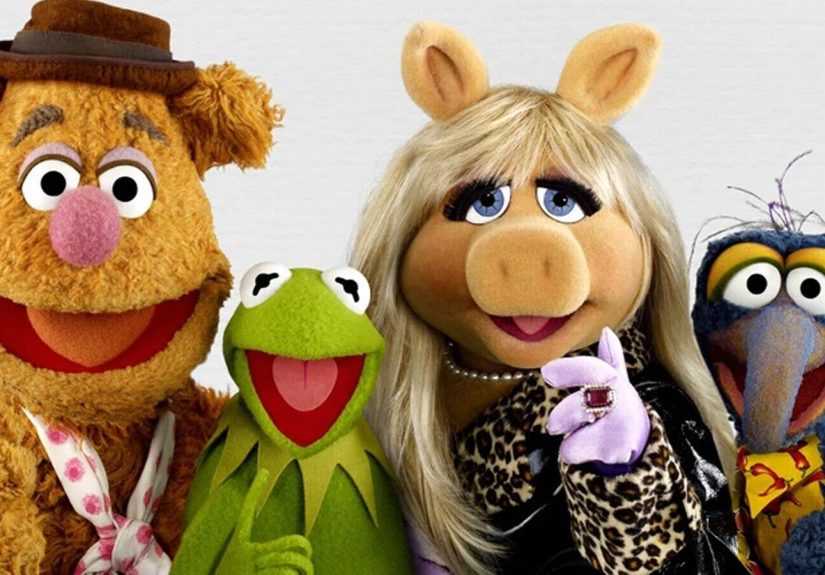
The latest wave of frustration centers on Disney’s handling of The Muppets, especially the closure of Muppet*Vision 3D at Disney’s Hollywood Studios and the larger question that has followed the franchise for years: Does Disney actually know what to do with Kermit, Miss Piggy, Fozzie Bear, Gonzo, Animal, and the rest of Jim Henson’s chaotic felt family?
To casual viewers, this may look like another theme park reshuffle. Attractions close. New lands open. Fans sigh, buy a commemorative T-shirt, and move on. But for Muppet fans, this one hits differently. Muppet*Vision 3D was not just another 3D movie with bubbles, smoke, and penguin-related workplace hazards. It was one of the final major Muppet projects connected to Jim Henson, a love letter to the original spirit of the troupe, and one of the few physical places where the Muppets still felt fully alive inside the Disney empire.
So when Disney announced that the area would make way for a new Monsters, Inc.-themed land, many fans felt less like they were losing an attraction and more like someone had put a “closed for corporate synergy” sign on a piece of Henson history.
Why Muppet Fans Are Angry at Disney Again
The core complaint is simple: Disney owns one of the most beloved comedy brands in American pop culture, yet fans often feel the company treats it like a dusty banjo in Kermit’s attic. The Muppets are famous, flexible, funny, family-friendly, adult-friendly, nostalgic, weird, musical, self-aware, and marketable. In theory, that should make them perfect for Disney. In practice, their modern history has been a stop-and-start parade of revivals, cancellations, streaming experiments, and theme park compromises.
The Muppet fan backlash around Disney is not just about one decision. It is about accumulation. Fans remember the excitement when Disney acquired the Muppets in 2004. They remember the successful 2011 movie, which seemed to revive the brand with genuine affection. They remember the ABC mockumentary-style series in 2015, which divided audiences. They remember Muppets Now, Muppets Haunted Mansion, and The Muppets Mayhem. They remember promising sparks that never became a sustained fire.
Then came the Muppet*Vision 3D news. Disney said the Muppets would remain at Hollywood Studios by taking over Rock ’n’ Roller Coaster, with The Electric Mayhem leading a music-focused version of the ride. That softened the blow for some fans, but not everyone. To the most devoted Muppet lovers, replacing a handcrafted, theater-based Henson attraction with a roller coaster retheme felt like trading Gonzo’s cannon for a marketing spreadsheet.
The Emotional Weight of Muppet*Vision 3D
Part of the anger comes from the unusual emotional weight of Muppet*Vision 3D. Opened in 1991, the attraction was a classic mix of 3D film, in-theater effects, Audio-Animatronics, live performance, and Muppet chaos. It captured the old show-business personality of the characters: the jokes were corny, the explosions were unnecessary, and everyone behaved as though OSHA had been defeated in single combat by a chicken.
More importantly, Muppet*Vision 3D felt like the Muppets as the Muppets should be: theatrical, messy, handmade, and slightly out of control. It did not simply place the characters on a screen. It built a world around them. The queue, the posters, the theater, the gags, the pre-show monitors, and the Statler and Waldorf balcony all worked together to create the illusion that guests had wandered into Muppet Studios and immediately become part of a production disaster.
That is why fans reacted so strongly. A theme park attraction can be a ride, but it can also be a shrine. For many visitors, Muppet*Vision 3D was a yearly ritual, a childhood memory, a connection to Jim Henson’s creative voice, and a rare Disney space where absurdity was not polished into smooth corporate perfection. It was gloriously lumpy. That was the point.
Disney’s Defense: The Muppets Are Not Disappearing
To be fair, Disney has not banished the Muppets to the swamp. The company has positioned the Rock ’n’ Roller Coaster retheme as a major new Muppet presence at Hollywood Studios. The updated attraction stars The Electric Mayhem and sends guests on a high-speed musical adventure through Hollywood. It keeps the Muppets in the park and gives them a thrill ride, something they never had before.
From a business perspective, the logic is clear. Monsters, Inc. remains a popular Pixar property with strong theme park potential. A suspended coaster based on the door vault scene is an easy sell. Meanwhile, Rock ’n’ Roller Coaster needed a future beyond Aerosmith, and The Electric Mayhem is a natural fit for a music-driven attraction. If the goal is to refresh Hollywood Studios with recognizable brands, this plan makes sense on paper.
But Muppet fans do not live on paper. They live in weird backstage hallways where chickens sing and explosions are considered punctuation. Their issue is not only whether the Muppets still have square footage. It is whether Disney understands the texture of what it removed.
The Muppets Have Always Been Hard to Manage
Part of the challenge is that the Muppets are not a typical franchise. They are not superheroes. They are not princesses. They are not space wizards with lightsabers and merchandising categories arranged by helmet shape. The Muppets are performers. Their natural habitat is show business itself: variety shows, backstage panic, musical numbers, celebrity guests, and jokes about how badly the show is going.
That makes them wonderfully adaptable but surprisingly difficult to modernize. Put them in a movie, and the movie has to understand that the Muppets know they are in a movie. Put them on television, and the format has to let them bounce off guests, heckle themselves, and turn failure into comedy. Put them in a theme park, and the best result is not just a sign with Kermit on it. It is a living theater of nonsense.
Disney’s strongest Muppet projects tend to remember this. The 2011 film worked because it treated the characters with affection while admitting that they had been neglected. Muppets Haunted Mansion worked for many viewers because it gave Gonzo a genre playground and let the special be silly, spooky, and self-aware. The Muppets Mayhem found a fresh angle by focusing on Dr. Teeth and the Electric Mayhem, a group that had always deserved more spotlight.
The weaker moments usually happen when the brand feels sanded down, overexplained, or treated as a nostalgia sticker rather than a comedy engine.
The Cancellation Problem: Why Fans Still Bring Up The Muppets Mayhem
One reason Muppet fans are quick to distrust Disney is the cancellation of The Muppets Mayhem after one season. The Disney+ series followed The Electric Mayhem as they tried to record their first studio album, and it gave longtime fans something they had begged for: a project that explored underused Muppet characters instead of making Kermit carry the entire franchise like a tired green project manager.
The show was not a global cultural earthquake, but it had charm, music, and a clear reason to exist. It felt like the kind of series that could have grown in a second season. Instead, it ended quickly, reinforcing the fan belief that Disney sometimes launches Muppet projects without giving them enough time, promotion, or commitment to become part of the culture.
This is where the anger becomes less about individual taste and more about stewardship. Fans are not saying every Muppet project must run forever. They are saying the franchise needs consistency. You cannot keep relighting the lights if you keep unplugging the theater.
The Streaming Era Has Been Both Helpful and Frustrating
Disney+ has helped Muppet fans in meaningful ways. The arrival of The Muppet Show on streaming gave younger audiences access to the original variety series and allowed longtime fans to revisit episodes that had been difficult to find in complete form. That was a major win.
Still, streaming also highlighted how uneven the Muppet library can feel. Some projects are easy to find; others are missing, complicated by rights issues, music clearances, or corporate priorities. For a fandom built on deep cuts, obscure specials, and the belief that every background chicken matters, gaps in availability feel personal.
The 2026 Muppet Show special offered another glimmer of hope. With Sabrina Carpenter, Seth Rogen, Maya Rudolph, and the classic theater format back in play, many viewers saw the special as proof that the old variety-show structure could still work. Strong viewership made the question louder: If audiences respond to the Muppets when Disney gives them the right stage, why is the company still so cautious?
Why Muppet Fans Care So Much
To outsiders, Muppet fan anger can seem dramatic. After all, these are puppets. But that view misses the emotional contract the Muppets have with their audience. Jim Henson’s creations are funny because they are vulnerable. Kermit is exhausted but hopeful. Fozzie is terrible at comedy but keeps trying. Gonzo is strange and proud. Miss Piggy is a diva because someone has to believe in her that much. Animal is Animal, and frankly, we should all be grateful he has not eaten the lighting rig.
The Muppets represent a kind of comedy that is generous rather than cruel. They celebrate failure, weirdness, found family, and the sacred art of putting on a show even when the cannon is pointed the wrong way. Fans protect that because it feels increasingly rare.
So when Disney appears to mishandle the franchise, fans are not just complaining about content. They are defending a tone, a tradition, and a creative philosophy. The Muppets are not supposed to be sleek. They are supposed to look like they were made by brilliant people with glue on their sleeves.
Is Disney Really the Villain Here?
The honest answer is more complicated than a balcony heckle. Disney has made choices that frustrated fans, but it has also kept the Muppets visible. It brought the original series to Disney+. It produced specials. It created new shows. It is placing the characters into a major thrill ride. These are not the actions of a company that has completely forgotten the brand.
However, Disney’s approach often feels reactive rather than visionary. The company seems to remember the Muppets every few years, dust them off, launch something promising, and then retreat when the project does not instantly become the next Marvel. That is a bad fit for a franchise whose greatest strength is not explosive opening-weekend dominance but long-term affection.
The Muppets need rhythm. They need repetition. They need a regular stage, recurring guest stars, short-form clips, specials, albums, park appearances, and enough cultural oxygen to feel present. Treating them like an occasional experiment makes every new project carry too much pressure. No single special or ride can repair decades of inconsistency.
What Disney Could Do to Win Back Muppet Fans
Preserve Muppet*Vision 3D Properly
First, Disney should make sure Muppet*Vision 3D survives in more than memory. A high-quality Disney+ release, a documentary, behind-the-scenes footage, or a digital archive would go a long way. Fans want to know that the attraction’s history is being preserved with respect, not tossed into a warehouse next to retired animatronic eyebrows.
Commit to a Real Muppet Show Revival
The Muppets belong on a stage. A modern variety series, even a short seasonal one, would fit the brand better than sporadic reinventions. Keep the episodes tight. Bring in musicians, actors, comedians, athletes, and internet personalities. Let the Muppets mock the format. Let Fozzie fail. Let Miss Piggy dominate. Let Gonzo do something deeply unsafe with a leaf blower.
Use Disney+ for Short-Form Experiments
Not every Muppet idea needs to be a full series. Disney could release short sketches, fake backstage interviews, musical numbers, cooking disasters with the Swedish Chef, or Statler and Waldorf reviews of other Disney properties. Imagine those two reviewing a serious prestige drama. The internet would do the marketing for free.
Respect the Handmade Weirdness
Above all, Disney should resist the urge to make the Muppets too clean. Their magic lives in the seams. Viewers want puppetry, practical chaos, quick jokes, bad puns, and emotional sincerity hiding behind nonsense. The Muppets can use modern technology, but they should never feel like they were assembled by a brand committee that thinks “wocka wocka” is a quarterly strategy.
Specific Examples That Explain the Backlash
The anger over Muppet*Vision 3D makes more sense when placed next to other fan flashpoints. Disney’s 2004 acquisition came with enormous promise: broader distribution, theme park power, consumer products, and new programming. Fans expected a golden age. Instead, the following decades delivered scattered highs and frustrating pauses.
The 2011 film was a genuine success story because it understood the emotional premise: the world had forgotten the Muppets, and the Muppets had to reunite. That story mirrored real fan anxiety. But the momentum did not become a stable creative pipeline.
The 2015 ABC series tried an adult workplace-comedy approach. Some viewers appreciated the experiment, while others thought it leaned too hard into cynicism. Muppets Now on Disney+ offered short-form digital chaos but did not become the definitive new format. Muppets Haunted Mansion was well-liked by many fans, yet it was a special, not a long-term plan. The Muppets Mayhem gave the Electric Mayhem rare depth and then disappeared after one season.
Now Muppet*Vision 3D has closed, and the replacement plan is both exciting and bittersweet. A Muppet roller coaster may be fun. It may even be excellent. But fans are allowed to mourn the loss of a slower, stranger, more theatrical experience that embodied the characters in a way a thrill ride may not.
Experience: What It Feels Like to Be a Muppet Fan Watching This Happen
Being a Muppet fan in the Disney era can feel like sitting in the audience before a show where the curtain keeps twitching but never fully rises. You hear music from backstage. You see a chicken run past with a clipboard. Someone shouts, “Places!” Then the lights flicker, the orchestra starts, and just when you think the show is finally happening, a corporate announcement explains that the production has been reimagined as a limited-time brand activation near a snack kiosk.
That is the emotional experience behind the current anger. Fans are not simply allergic to change. Many Muppet fans love change. This is a franchise where a frog can host a variety show, adapt Dickens, visit Treasure Island, survive a haunted mansion, and share screen time with everyone from Elton John to Mark Hamill. The Muppets are built for reinvention. But reinvention works best when it feels like someone understands the joke.
For many fans, Muppet*Vision 3D was a place where the joke still worked. Walking into that theater felt different from entering a typical attraction. The walls were packed with gags. The pre-show rewarded attention. The building itself seemed to believe that show business was a noble disaster. Even if you had seen it twenty times, there was comfort in knowing Kermit would try to keep order, Miss Piggy would demand glamour, Sam Eagle would misunderstand patriotism, and Waldo would cause enough trouble to justify several insurance claims.
When fans visited during its final days, the mood was not just nostalgia. It was communal grief with mouse ears. People took photos of signs, quoted lines, watched the pre-show carefully, and lingered in the exit area as though leaving too quickly would be rude. Some had grown up with the attraction. Some had introduced their children to it. Some loved it because it was one of the last places in a modern Disney park that still felt charmingly unoptimized.
The frustration also comes from the feeling that Muppet fans are always being asked to be patient. Be patient after a cancellation. Be patient after a one-off special. Be patient while Disney figures out the brand. Be patient while the old attraction closes and a new ride arrives. Be patient while the company explores ways to preserve the film. At some point, even Kermit would put down the banjo and ask for a calendar.
Yet the fandom’s anger is rooted in affection, not bitterness. Muppet fans complain because they still believe the characters matter. They want Disney to succeed with them. They want kids to discover Fozzie’s terrible jokes and adults to rediscover how sharp the writing can be. They want the Muppets to be more than a nostalgic logo. They want the frog back onstage, the pig in the spotlight, the bear bombing proudly, the whatever Gonzo is flying through the air, and the band playing too loud.
That is why “Muppet fans are angry at Disney, again” is not really a story about outrage. It is a story about stewardship. The fans are saying, loudly and with many frog GIFs, that the Muppets deserve more than occasional attention. They deserve a home, a format, and a future that understands why a bunch of felt weirdos became American icons in the first place.
Conclusion: Disney Still Has Time to Get the Muppets Right
Muppet fans are angry at Disney again because they care deeply about a franchise that has always cared back. The closure of Muppet*Vision 3D touched a nerve because it symbolized a larger fear: that Disney values the Muppets as intellectual property but not always as a living comic tradition.
Still, the story is not over. Rock ’n’ Roller Coaster Starring The Muppets could become a beloved new chapter. The 2026 Muppet Show special proved there is still audience appetite for classic Muppet mayhem. Disney+ remains a powerful platform for revivals, shorts, archival releases, and experiments. The ingredients are all there. Someone just needs to stop treating the recipe like Swedish Chef instructions.
The Muppets have survived changing networks, changing performers, changing owners, changing formats, and enough explosions to concern local authorities. They can survive Disney, too. But fans want more than survival. They want the lights lit, the music played, and the curtain raised for real.





 Close
Close