Table of Contents >> Show >> Hide
- What “Native Wild Berry” Means (and Why It Matters)
- Quick-Start Field Guide: 10 Native New York Wild Berry Plants
- 1) Highbush Blueberry (Vaccinium corymbosum)
- 2) Lowbush Blueberry (Vaccinium angustifolium)
- 3) Black Huckleberry (Gaylussacia baccata)
- 4) Serviceberry / Juneberry (Amelanchier spp.)
- 5) American Elderberry (Sambucus canadensis)
- 6) Black Raspberry / Blackcap (Rubus occidentalis)
- 7) Wild Red Raspberry (Rubus idaeus subsp. strigosus)
- 8) Wild Blackberry (often Rubus allegheniensis and relatives)
- 9) Wild Strawberry (Fragaria virginiana)
- 10) Black Chokeberry (Aronia melanocarpa)
- Where These Berry Plants Like to Live in New York
- Foraging in New York: Rules, Ethics, and “Please Don’t Get Ticketed”
- Safety: The “Don’t Eat Mystery Berries” Rule (Plus Practical Tips)
- How to Grow Native Wild Berries at Home (Without Turning Your Yard Into Chaos)
- Harvest-to-Kitchen Ideas (Because Identification Is Only Half the Fun)
- Conclusion: Your Golden Rule for New York Wild Berries
- Experiences: What New York Native Wild Berry Season Actually Feels Like (About )
New York is basically a snack tray disguised as a state. From the Adirondacks to Long Island’s sandy edges, wild berry plants
have been quietly producing tiny bursts of color, sugar, tartness, and “why didn’t I plant this in my yard?” for thousands of years.
The best part: many of these berry plants are native, which means they’re already tuned to local weather mood swings,
regional soils, and the neighborhood wildlife that treats your landscape like an all-you-can-eat buffet.
This guide walks you through the most common New York native wild berry plantshow to recognize them, where they like to grow,
when they ripen, how to use them, and how to forage (or garden) without becoming the cautionary tale your friends bring up
every summer. It’s practical, in-depth, and gently allergic to nonsense.
What “Native Wild Berry” Means (and Why It Matters)
A native plant occurs naturally in a region without being introduced by people. In New York, native berry-producing plants
are part of local ecosystems: they feed birds and pollinators, stabilize soil, and often support specific insects in ways
non-native ornamentals don’t.
“Wild berry” is also a little flexible. Some plants produce true berries, others make berry-like fruits (drupes, pomes, etc.).
For everyday gardening and foraging, what matters is the fruit is recognizable, useful, and tied into native habitats.
Quick-Start Field Guide: 10 Native New York Wild Berry Plants
Below are ten of the most common and useful native berry plants you can find (or grow) in New York.
For each one, you’ll get a fast ID, typical habitat, and what to do with the fruit.
1) Highbush Blueberry (Vaccinium corymbosum)
If New York had an official “wild muffin ingredient,” this would be a finalist. Highbush blueberry is a tall shrub
with bell-shaped white-to-pink flowers in spring and dusty-blue berries in summer. It naturally shows up in
wet woods, bog edges, and acidic areas. In gardens, it’s a wildlife magnet and a legit edible hedgeif your soil is acidic enough.
2) Lowbush Blueberry (Vaccinium angustifolium)
Think “blueberry groundcover with ambition.” Lowbush blueberry stays low (often under two feet), spreads in patches,
and thrives in open woods, rocky areas, and sandy/acidic sites. The berries are smaller than highbush but can be intensely flavorful.
If you’ve ever eaten a wild blueberry and immediately started acting dramatic about it, congratulationsyou understand lowbush blueberry.
3) Black Huckleberry (Gaylussacia baccata)
Huckleberries are the mysterious cousin of blueberries: similar vibe, slightly different details.
Black huckleberry typically has darker, shinier berries and grows in dry, acidic, often sandy woodsincluding areas where blueberries also hang out.
It’s a classic “pine barrens / dry woodland” fruit, and birds absolutely know its address.
4) Serviceberry / Juneberry (Amelanchier spp.)
Serviceberry is a small tree or large shrub that does a whole four-season performance: early white flowers, berry-like fruit,
good fall color, and interesting bark. The berries ripen around early summer (often June),
tasting like a blueberry got a tiny hint of almond-cake energy. It’s also a strong pick for anyone who wants
a native edible plant that still looks “landscaped,” not “accidentally feral.”
5) American Elderberry (Sambucus canadensis)
Elderberry is famous for its big, flat clusters of flowers and later clusters of dark berries.
It naturally grows in moist soils, stream edges, and thickets. The important note:
elderberries are generally used cooked (think syrups, jams), and you should avoid eating raw plant parts.
If you want a native berry plant that can turn into a serious harvest, elderberry is a powerhousejust follow safe prep.
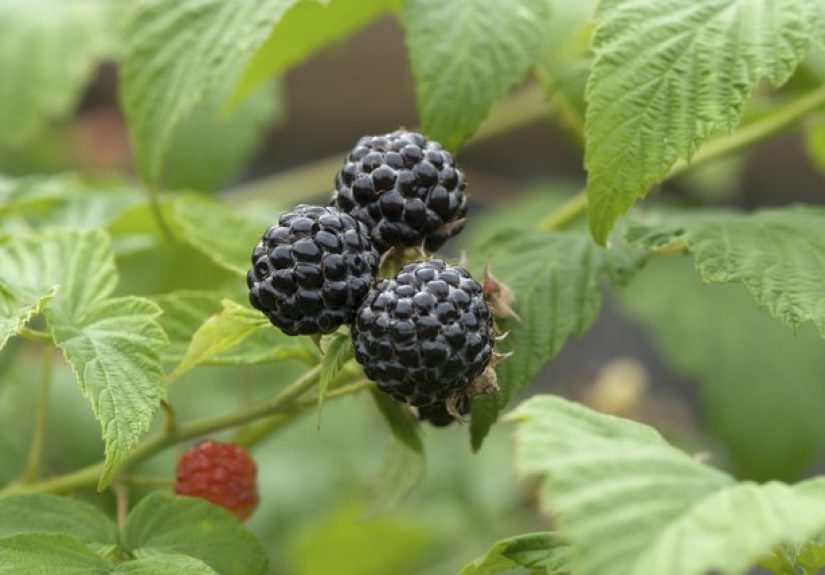
6) Black Raspberry / Blackcap (Rubus occidentalis)
Black raspberry is the “purple-fingers” classic. The canes often arch, and the berries ripen from red to deep black.
A key foragers’ trick: like raspberries, blackcaps usually pull off with a hollow center.
They love edgessunny woodland borders, old fields, and trails where birds help “plant” them for free.
7) Wild Red Raspberry (Rubus idaeus subsp. strigosus)
If black raspberry feels like jazz, wild red raspberry is classic rock: familiar, reliable, and everywhere once you start noticing.
It favors open areas, disturbed ground, and sunny edges, and it’s often among the first berry plants to show up after a clearing.
Berries are usually smaller than cultivated types, but the flavor can be bright and surprisingly intense.
8) Wild Blackberry (often Rubus allegheniensis and relatives)
Blackberries are the thorny guardians of late summer. The fruit is typically larger than wild raspberries,
and unlike raspberries, blackberries usually pull off with a solid core.
They thrive in sun: fields, hedgerows, roadsidesbasically any place that says, “I dare you to reach in there without long sleeves.”
9) Wild Strawberry (Fragaria virginiana)
Wild strawberry is a low, spreading plant with white flowers and tiny berries that smell like strawberry candy
(the good kind, not the waxy kind). It grows in meadows, woodland openings, and edges.
The berries are smallno, smaller than thatbut the flavor is big enough to make you forgive the plant for its “one berry per treasure hunt” strategy.
10) Black Chokeberry (Aronia melanocarpa)
Chokeberry is native, tough, and gorgeous in multi-season ways (flowers, fruit, fall color).
The berries are famously astringentthe name is not subtleso people often use them in
jams, syrups, baked goods, or blends where sweetness can balance the tart “cheek-pucker” effect.
It also handles wetter soils better than many fruiting shrubs.
Where These Berry Plants Like to Live in New York
New York’s geography creates a buffet of habitats, and berry plants have favorites:
- Acidic woods, hemlock/pine areas, sandy sites: blueberries, huckleberries, wintergreen (and plenty of lookalikes).
- Edges and sunny “in-between” spots: raspberries and blackberries (they love disturbance and sunlight).
- Wetlands, streambanks, and moist thickets: elderberry, chokeberry, and certain blueberries.
- Meadows and open patches: wild strawberry and brambles (plus pollinators living their best lives).
Translation: if you learn to identify habitat, you’ll start predicting berries like a weather forecast.
“Oh, acidic pine edge with sun? There’s a 70% chance of blueberries and a 30% chance of scratched ankles.”
Foraging in New York: Rules, Ethics, and “Please Don’t Get Ticketed”
Foraging rules vary by land manager and location. In New York you’ll run into different policies across
state forests, Forest Preserve lands, state parks, municipal parks, and private property.
Start with the three basic rules
- Get permission when the land is privateor when rules require it.
- Know the site’s policy (some places allow small personal harvest; others prohibit removing plants/fruit without permission).
- Harvest gently: take a small portion, don’t trample, don’t break branches, and leave plenty for wildlife.
New York agencies emphasize that foraging laws can be enforced on state lands and that you should confirm what’s allowed where you’re going.
Some reporting notes that foraging in many state parks is treated as illegal unless you get permission, while other guidance
describes small “personal consumption” picking in some contextsso treat this as a “check first, snack second” situation.
When in doubt, call the park office or look up posted regulations for that specific property.
Safety: The “Don’t Eat Mystery Berries” Rule (Plus Practical Tips)
The safest berry is the one you can identify with 100% confidence. If you’re not sure, don’t taste-test your uncertainty.
Common mistakes to avoid
- Assuming “birds eat it” means “humans can” (birds can handle things you can’t).
- Confusing elderberry clusters with toxic lookalikesand ignoring prep guidance (elderberry is typically used cooked).
- Picking near roadsides or sprayed areas where fruit may be contaminated.
- Ignoring ticks and poison ivythe real villains of berry season.
How to Grow Native Wild Berries at Home (Without Turning Your Yard Into Chaos)
Want the joy of wild berries with fewer mosquitoes and a much higher chance of remembering where you parked?
Plant natives. You’ll get edible fruit and habitat value.
Blueberries: it’s all about acidic soil
Blueberries are iconic, but they’re picky about pH. If your soil isn’t acidic, they’ll sulk quietly for years.
Get a soil test, amend thoughtfully, and use mulch that supports acidity (pine needles and certain wood chips can help).
Serviceberry and chokeberry: the “low drama” natives
Serviceberry and chokeberry are easier for many yards than blueberries: fewer pH tantrums, great ornamental value,
and excellent wildlife support. They’re also good choices for mixed borders where you want beauty and snacks.
Elderberry: big harvest energy
Give elderberry sun and moisture and it can turn into a productive thicket. It’s excellent for hedgerows, rain-garden edges,
and any spot where you want a native plant that says, “Yes, I will feed half the neighborhood birds, and possibly you too.”
Harvest-to-Kitchen Ideas (Because Identification Is Only Half the Fun)
- Blueberries & huckleberries: pancakes, muffins, compotes, freezer bags labeled “for smoothies” (and then eaten by handful).
- Serviceberries: jam, pie filling, quick breads, or mixed into yogurt like you’re a woodland character in a wholesome movie.
- Elderberries: cooked syrups, jams, and baked fillingsfollow trusted, food-safe recipes.
- Chokeberries: blend into sweeter jams, make a tart sauce for meats, or bake with apples to soften the astringency.
- Wild strawberries: fresh eating, garnish, or tiny-batch “micro-jam” that makes you feel fancy.
Conclusion: Your Golden Rule for New York Wild Berries
New York’s native wild berry plants aren’t just ediblethey’re ecological glue. Plant them and you support pollinators and birds.
Learn them and you understand habitats better. Harvest them responsibly and you get a seasonal tradition that tastes like
summer, even if your idea of “the outdoors” is usually just walking to your car with iced coffee.
Keep it simple: know the plant, know the place, take a little, and leave a lot. The berries will be back next year
and so will your desire to brag about how you “totally could live off the land” after collecting half a cup of wild strawberries.
Experiences: What New York Native Wild Berry Season Actually Feels Like (About )
Picture a July morning in New York when the air is already deciding whether it wants to be humid or just rude. You step onto a trail
and within five minutes you’re doing the classic berry-forager scan: not looking at the path, but beside itat the sunny edges
where brambles throw their best parties. The first “find” is usually black raspberry. You recognize it because your brain remembers the
warning: “Yes, delicious. Yes, thorns. Yes, you will get one tiny scratch and act like you survived a wilderness ordeal.”
You learn fast that berry hunting is mostly patience plus pattern recognition. Blueberries and huckleberries feel like a treasure hunt
because they’re tied to habitat: acidic soil, certain woods, sandy patches, and places where the sun hits the understory just right.
When you finally spot the dull-blue bloom of a ripe blueberry, it’s like a tiny flag saying, “Congrats, you’re paying attention.”
You also learn that “ripe” is a spectrumsome berries look ready but taste like regret, while others are so perfect you immediately
start planning a backyard planting scheme that involves soil tests, mulch, and an emotional support wheelbarrow.
A good New York berry day teaches you body mechanics. You squat for wild strawberries and realize your knees have opinions.
You reach into blackberry canes and suddenly understand why long sleeves were invented. You tilt your head to check a cluster
and notice poison ivy doing its sneaky “three leaves, who, me?” routine nearby. And then there’s the tick checkbecause nothing says
“I love nature” like inspecting your socks with the seriousness of airport security.
The most memorable moments aren’t always the biggest harvests. Sometimes it’s finding serviceberry fruit early in the season and tasting
something that’s half blueberry, half “I should be making jam, but I’m absolutely eating these right now.” Sometimes it’s seeing birds
beat you to the best patch and realizing that you’re not the main characteryou’re a guest. That mindset shift is weirdly calming:
take a handful, leave the rest, and the place stays generous.
By late summer, you get good at planning routes. You start thinking in ripening windows: strawberries early, serviceberries around June,
raspberries and blueberries in mid-summer, blackberries later. You begin to treat native berry plants like a seasonal calendar you can eat.
And when you go home with stained fingertips and a small container of fruit that looks comically tiny compared to your effort,
you still feel like you scored. Because you didNew York handed you something real, local, and fleeting. Next year, you’ll be back.
Probably with better sleeves.