Table of Contents >> Show >> Hide
- What is nicotine replacement therapy?
- The five main types of NRT
- How to choose the right NRT
- When combination therapy makes sense
- What does not count as NRT?
- Common mistakes that make NRT less helpful
- Who should talk with a clinician before choosing NRT?
- What real-life NRT experiences often look like
- Final thoughts
Note: This article is for educational purposes only and is not a substitute for personal medical advice. In the United States, over-the-counter nicotine replacement therapy products are approved for adults age 18 and older. Teens, pregnant or breastfeeding people, and anyone with significant medical issues should talk with a clinician before using NRT.
Quitting tobacco is one of those goals that sounds wonderfully straightforward until your brain starts yelling for nicotine at 8:07 a.m., right when your coffee hits the table and your usual routine winks at you like an old troublemaker. That is exactly where nicotine replacement therapy, or NRT, can help. It does not magically erase habit, stress, or the memory of that “just one cigarette” lie your brain occasionally tells. But it can make quitting more comfortable, more structured, and a lot more realistic.
NRT works by giving your body a measured amount of nicotine without the toxic cocktail that comes from burning tobacco. In plain English, it helps take the edge off withdrawal so you can focus on the behavioral side of quitting: changing routines, handling stress, and learning how to get through cravings without lighting up. Think of it as a bridge, not a forever plan. The goal is not to become best friends with nicotine gum. The goal is to stop smoking and eventually stop needing nicotine altogether.
The tricky part is choosing the right kind. There is no universal “best” NRT. The best option is the one that matches your cravings, your daily schedule, your health needs, and your personality. Yes, personality matters. If you know you are not going to remember a complicated routine, the fanciest plan in the world will flop by Tuesday.
What is nicotine replacement therapy?
Nicotine replacement therapy includes FDA-approved products designed to reduce nicotine withdrawal symptoms and cravings while a person quits smoking. The classic symptoms NRT aims to soften include irritability, restlessness, trouble concentrating, low mood, and that relentless “I need something right now” feeling. If quitting cold turkey feels like trying to fight a thunderstorm with a paper towel, NRT is the raincoat.
NRT does not cure tobacco addiction by itself. It helps with the physical side of dependence. The habit side still matters: the morning smoke, the after-meal smoke, the driving smoke, the “my boss emailed me again” smoke. That is why NRT tends to work best when it is paired with counseling, a quitline, a support program, or even a very honest plan written on the back of a grocery receipt.
The five main types of NRT
1. Nicotine patch
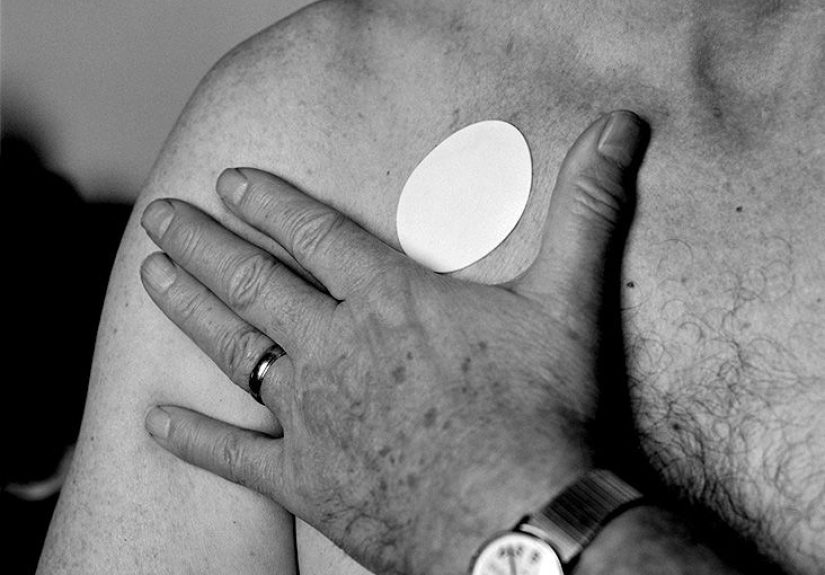
The patch is the low-drama option. You put it on once a day, and it delivers a steady amount of nicotine over many hours. This makes it a strong choice for people who have all-day cravings, smoke on a predictable schedule, or simply want something simple and discreet.
Best for: people who want steady background relief, people with frequent cravings, and people who prefer a “set it and forget it” approach.
Pros: easy to use, discreet, steady nicotine delivery, and often the backbone of combination therapy.
Possible downsides: skin irritation, trouble sleeping, or vivid dreams in some users. If nighttime patch wear messes with sleep, some people do better with a daytime-only routine, depending on the product directions and clinician advice.
2. Nicotine gum
Nicotine gum is a short-acting option that helps when cravings show up in bursts. It is helpful for people who need control in the moment. The key detail: it is not regular chewing gum. You chew it briefly, then “park” it between your cheek and gum so the nicotine can absorb properly. Treating it like bubble gum is a great way to get a sore throat, a weird taste, or a disappointed sigh from your pharmacist.
Best for: people with breakthrough cravings, people who like oral substitutes, and people whose triggers are tied to specific situations like driving, breaks, or after meals.
Pros: flexible, fast compared with the patch, portable, and good for taking action during a craving.
Possible downsides: mouth irritation, jaw discomfort, and reduced effectiveness if you drink coffee, soda, or orange juice right before using it.
3. Nicotine lozenge
The lozenge is the gum’s quieter cousin. You let it dissolve slowly in your mouth instead of chewing it. It is useful for people who want an oral option but do not like chewing gum, have dental issues, or want something more discreet during work meetings where aggressive chewing might send the wrong message.
Best for: people who want quick relief without chewing, people with dentures or jaw problems, and people who want a simple pocket-friendly option.
Pros: easy to carry, helpful for sudden cravings, discreet, and often paired with a patch in combination therapy.
Possible downsides: throat irritation, hiccups, heartburn, or an odd taste if you are sensitive to it.
4. Nicotine inhaler
The nicotine inhaler is a prescription product. It does not work like a cigarette and it is not the same as vaping. Instead, it gives nicotine through the mouth and throat while also giving some people a substitute for the hand-to-mouth ritual of smoking. That ritual matters more than many people expect.
Best for: people who strongly miss the physical routine of smoking and want a prescription option that feels behaviorally familiar.
Pros: addresses both nicotine cravings and the “I need to hold something” habit.
Possible downsides: prescription required, irritation of the mouth or throat, and less convenience than grabbing a box of gum at the pharmacy.
5. Nicotine nasal spray
The nasal spray is also prescription-only. It is often discussed as one of the faster-acting forms of NRT, which can make it appealing for intense cravings. It is not glamorous, and nobody has ever said, “Wow, this quit plan looks adorable,” but it can be useful for the right person.
Best for: people with strong, sudden cravings who need quick relief and are comfortable using a nasal product.
Pros: fast relief, flexible dosing pattern, helpful for hard-hitting cravings.
Possible downsides: nasal irritation, watery eyes, coughing, and the need for a prescription.
How to choose the right NRT
Start with your craving pattern
If your cravings are steady from morning to night, the patch is often the most logical foundation. If your cravings come in sharp bursts around certain triggers, a short-acting product like gum or lozenge may be more useful. If both are true, and for many people they are, a combination approach may fit better.
Example: Someone who wakes up desperate for a cigarette and still gets hit with stress cravings after lunch may do better with a patch for baseline coverage and a lozenge for the tough moments.
Think about your routine
Be honest here. Not aspirationally honest. Actually honest. If you know you forget vitamins, misplace your keys, and once left your backpack in the refrigerator, a one-step product like the patch may be easier to stick with. If you like having control and want to respond to cravings in real time, gum or lozenge may feel better.
Match the product to the habit, not just the addiction
Smoking is chemical, but it is also behavioral. Some people mainly miss nicotine. Others miss the break, the hand-to-mouth motion, the inhale, the pause, or the excuse to step outside and pretend the parking lot is a meditation retreat. If the ritual matters a lot, a prescription inhaler may be worth discussing with a clinician.
Consider side effects and sensitivities
If your skin is sensitive, the patch might irritate you. If you have dentures, jaw pain, or dislike chewing, gum may be a poor fit. If you have a sensitive throat, lozenges or an inhaler may annoy you. If you hate nasal sprays with the passion of a thousand suns, that narrows the field pretty quickly.
Look at access and budget
Over-the-counter products are easier to start quickly. Prescription options can be useful, but they require a visit and may cost more depending on your coverage. Many health plans cover smoking cessation treatment, and quitlines or local programs may help people access medications and coaching.
Use your quit history
If you tried the patch before and still got slammed by cravings at 3 p.m., that does not necessarily mean NRT failed. It may mean your plan needed a short-acting backup. If gum made you miserable, the lozenge could still work. If you quit for two weeks once and then relapsed during a stressful event, the lesson may be about triggers, not weak willpower.
When combination therapy makes sense
For many adults, combination NRT is a smart option. The most common example is a nicotine patch plus nicotine gum or lozenge. The patch provides steady nicotine in the background, and the gum or lozenge helps with breakthrough cravings that show up on top of that baseline.
This approach can make a lot of sense for heavier smokers, people with strong morning cravings, and people who have relapsed before even while using one NRT product correctly. It is one of the most practical “work smarter, not harder” strategies in tobacco treatment.
That said, combination therapy should still follow product directions and, when needed, clinician advice. More nicotine is not automatically better. The goal is to control withdrawal, not to freestyle your way into side effects.
What does not count as NRT?
This part matters because the nicotine marketplace has gotten noisy. Nicotine pouches and e-cigarettes are not the same thing as FDA-approved nicotine replacement therapy for quitting smoking. They may contain nicotine, but they are different products with different regulatory pathways and different risk conversations. If you want an evidence-based smoking cessation medication, stick with FDA-approved quit-smoking treatments.
Common mistakes that make NRT less helpful
- Using too little. Some people are so worried about nicotine that they underuse NRT and end up white-knuckling withdrawal.
- Stopping too early. Feeling better after a short stretch is great, but quitting treatment too soon can invite cravings back to the party.
- Using gum like regular gum. Nicotine gum has instructions for a reason.
- Ignoring triggers. NRT helps the body. It cannot cancel your usual smoke break, your social pattern, or the fact that stress still exists.
- Skipping support. Coaching, counseling, and quitlines make a difference, especially when motivation starts wobbling.
Who should talk with a clinician before choosing NRT?
Some people should get medical guidance first, especially teens, pregnant or breastfeeding people, and people with significant heart disease or other complex health conditions. Anyone taking multiple medications or dealing with ongoing medical issues should also check in before starting. A quick conversation can prevent confusion, reduce side effects, and match the product to the person much better.
What real-life NRT experiences often look like
In the real world, quitting with NRT rarely looks dramatic. It usually looks ordinary, awkward, imperfect, and surprisingly human. One person starts the patch on a Monday and expects fireworks. Instead, the main difference is subtle: the morning panic is lower. The cigarette craving is still there, but it no longer barges into the room wearing combat boots. That small change matters. It creates enough breathing room to make a different choice.
Another person tries nicotine gum and discovers two things within 24 hours: first, it actually helps during the drive home; second, coffee right before gum is a terrible idea. By week one, the craving is no longer the boss of every red light and every gas station stop. What changes is not just chemistry. Confidence starts to build. A person begins to think, “Maybe I can get through this meeting without smoking,” then, “Maybe I can get through this whole day.”
Lozenges often appeal to people who want something discreet. The experience can be practical and a little funny. At first, the taste or tingly sensation may feel odd. Then it becomes part of the new routine. Someone who used to reach for a cigarette after lunch now reaches for a lozenge while walking around the block. The ritual changes, and that matters more than outsiders realize. Quitting is not only about subtracting a cigarette. It is about building replacement behaviors that your brain can live with.
The patch can be a lifesaver for people with steady cravings, but it is not always perfectly smooth. Some users deal with mild skin irritation. Others notice vivid dreams and decide they need a different patch schedule or a talk with a clinician. These are not signs of failure. They are signs that treatment sometimes needs adjusting. Good quitting plans are not rigid. They are responsive.
For people who miss the hand-to-mouth routine intensely, prescription options like the inhaler can feel surprisingly helpful. The chemical craving and the behavioral craving are not identical, and sometimes treating both makes the plan feel less like punishment and more like strategy. The nasal spray, on the other hand, may be effective for sharp cravings, but some people decide quickly that nasal irritation is not their favorite personality trait. Fair enough. The point is fit.
One of the most common experiences in successful quitting is not perfection. It is recovery after a wobble. A slip does not have to turn into a full relapse. People often learn that one cigarette is not a moral collapse. It is data. Maybe the patch alone was not enough. Maybe evenings are the weak point. Maybe stress, boredom, alcohol, or social pressure still need a plan. NRT works best when people treat quitting as a process to troubleshoot, not a purity test.
And then there is the emotional side. Many people are surprised by how personal quitting feels. It can bring up irritation, pride, grief, boredom, relief, and the weird realization that smoking had become stitched into ordinary moments. NRT does not erase that complexity. What it does is lower the physical volume so those moments become manageable. That is often the real experience: not magic, not misery, but gradual traction. And gradual traction is how a lot of long-term success begins.
Final thoughts
The best nicotine replacement therapy is not the one with the flashiest box or the coolest commercial energy. It is the one that matches your cravings, your routine, and your actual life. If you want something simple and steady, start by considering the patch. If your cravings ambush you in bursts, gum or lozenges may be more useful. If rituals are part of the addiction, a prescription inhaler may help. If cravings hit hard and fast, a nasal spray may be worth discussing.
And if one product does not fully do the job, that does not mean you are bad at quitting. It may mean you need a better fit, a combination approach, or more support. That is not failure. That is how treatment works in real life.
The smartest move is to choose an FDA-approved option, use it correctly, pair it with some form of support, and stay flexible enough to adjust. Quitting smoking is not about heroics. It is about stacking the odds in your favor, one practical decision at a time.
Need backup? A quitline, clinician, or pharmacist can help you choose a product and build a plan that makes sense. Sometimes the best quitting tool is not motivation. Sometimes it is simply not having to figure everything out alone.