
Table of Contents >> Show >> Hide
- What Is the Noguchi Floor Lamp Model 10A?
- The Story Behind Akari: Where Sculpture Meets Everyday Life
- Design Analysis: Why the Model 10A Works So Well
- Materials: Washi Paper, Bamboo, and Metal
- How to Style the Noguchi 10A Floor Lamp
- Lighting Quality: What Kind of Glow Should You Expect?
- Authenticity: How to Recognize a Genuine Akari
- Care and Maintenance
- Pros and Cons of the Noguchi 10A Floor Lamp
- Who Should Buy the Noguchi Floor Lamp Model 10A?
- Real-Life Experience: Living With a Noguchi 10A Floor Lamp
- Conclusion
Some floor lamps are furniture. Some are lighting. And then there is the Noguchi Floor Lamp Model 10A, which walks into a room like a quiet poem wearing a paper jacket. Officially part of Isamu Noguchi’s legendary Akari Light Sculptures, the Model 10A is not the kind of lamp that shouts, “Look at me!” It simply glows, and suddenly your living room looks more thoughtful, your sofa looks more expensive, and your coffee table book collection looks like it has opinions about architecture.
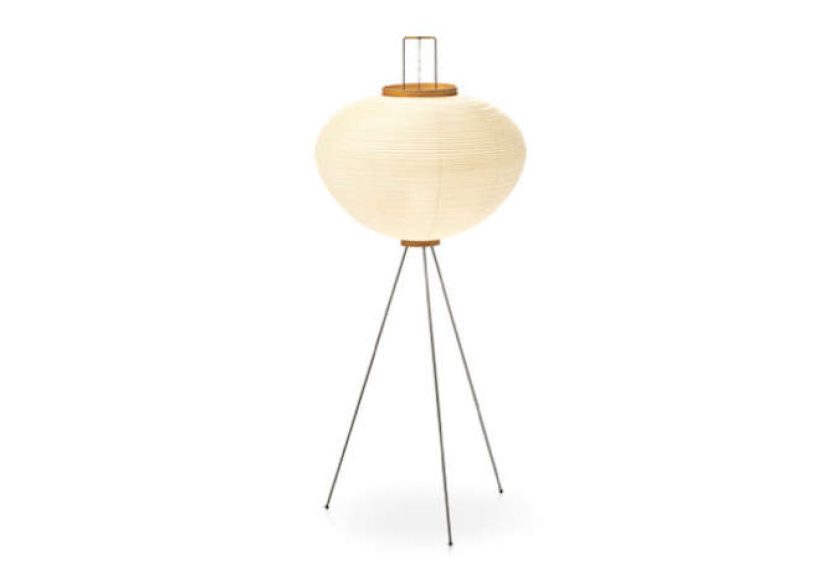
The Noguchi Akari 10A floor lamp is a tall, softly rounded paper lantern made from handmade washi paper, bamboo ribbing, and a metal frame. It measures about 21 inches wide, 21 inches deep, and 48 inches high, giving it enough presence to anchor a corner without behaving like a skyscraper. Designed by Japanese American artist Isamu Noguchi beginning in 1951, Akari lighting blends traditional Japanese lantern craft with modernist sculpture. The result is warm, weightless, human, and still wildly relevant more than seven decades later.
What Is the Noguchi Floor Lamp Model 10A?
The Model 10A is one of the most recognizable floor lamps in the Akari family. “Akari” means light, brightness, and lightness in Japanese, and all three meanings matter here. The lamp gives off illumination, yes, but it also feels visually light. It does not dominate a room with chrome, glass, marble, or any other material that looks like it might have a trust fund. Instead, it uses paper and air. That is the magic trick.
The shade is handmade from washi paper, traditionally made from the inner bark of the mulberry tree. Bamboo ribs create the sculptural shape, while a metal frame gives the lamp structure. The Model 10A stands on slender legs, allowing the luminous paper form to hover slightly above the floor. It looks organic, but not messy; minimal, but not cold; artistic, but not the kind of artistic that makes guests afraid to sit down.
The Story Behind Akari: Where Sculpture Meets Everyday Life
Isamu Noguchi was not just a product designer. He was a sculptor, landscape designer, stage-set creator, furniture designer, and one of the great bridge-builders between Japanese and American modernism. His famous belief that “everything is sculpture” explains the Akari series perfectly. For Noguchi, a lamp did not have to be a decorative afterthought. It could shape space, mood, and movement.
The Akari story began in Gifu, Japan, a city known for traditional paper lanterns. In the early 1950s, Noguchi visited the area and saw the possibility of updating a centuries-old craft for modern living. Instead of using candles, the lanterns were adapted for electric bulbs. That single change transformed a regional craft into a global design language.
Akari lamps have been handcrafted by Ozeki & Co., a Gifu lantern maker with roots in the late nineteenth century. This matters because the 10A is not merely “Noguchi-inspired.” A genuine Akari is part of a continuing craft lineage. Each lamp is still associated with handwork, paper, bamboo, patience, and a level of delicacy that makes mass-produced plastic lighting look like it showed up to dinner in gym shorts.
Design Analysis: Why the Model 10A Works So Well
1. It Softens a Room Instantly
Many modern interiors suffer from what could be called “hard surface syndrome”: square sofas, sharp coffee tables, flat screens, glossy floors, and one overhead light doing its best impression of an interrogation room. The Noguchi 10A fixes that with softness. Its paper shade diffuses light evenly, creating a warm glow instead of a harsh beam.
2. It Has Height Without Heaviness
At around 48 inches tall, the 10A is substantial enough to work beside a lounge chair, sofa, reading nook, or bedroom corner. Yet because the shade is translucent and the frame is visually light, it does not block the room. This makes it especially useful in apartments, studios, and smaller homes where every object must earn its square footage.
3. It Blends With Multiple Interior Styles
The Model 10A fits beautifully in mid-century modern homes, Japandi interiors, minimalist apartments, bohemian bedrooms, warm contemporary spaces, and even traditional rooms that need a little visual breathing room. Pair it with walnut, oak, linen, wool, leather, plaster walls, vintage rugs, or concrete floors. It rarely argues with other materials. It is basically the diplomatic ambassador of floor lamps.
Materials: Washi Paper, Bamboo, and Metal
The soul of the Noguchi Akari 10A floor lamp is its material honesty. Washi paper gives the shade its glow and texture. Bamboo ribbing creates rhythm and structure. Metal provides stability without stealing attention. These materials work together like a tiny orchestra, except nobody has to wear formalwear.
Washi is essential because it diffuses light in a way synthetic materials often fail to imitate. Instead of producing a flat white brightness, it creates warmth, depth, and subtle texture. During the day, the lamp reads as a sculptural paper object. At night, it becomes atmosphere. That day-to-night transformation is a major reason designers and collectors continue to love Akari lighting.
How to Style the Noguchi 10A Floor Lamp
Living Room Corner
Place the 10A in a living room corner behind or beside a sofa. It will turn dead space into a glowing design moment. Add a low lounge chair, a small side table, and a stack of books, and you have created a reading corner that says, “I am relaxed, but I also know who designed this lamp.”
Bedroom Ambience
In a bedroom, the 10A works best as ambient lighting rather than task lighting. Put it near a dresser, beside an accent chair, or in a corner opposite the bed. Use a warm LED bulb so the room feels calm and restful. It is excellent for winding down, less excellent for performing emergency sock surgery at midnight.
Entryway Statement
If your entryway has enough space, the Model 10A can make a memorable first impression. Its sculptural shape welcomes guests without feeling flashy. The lamp is especially effective against simple walls, textured plaster, wood paneling, or near a bench where shoes, bags, and everyday chaos gather.
Home Office Warmth
A home office can become painfully practical. Desks, monitors, cables, notebooks, and coffee cups all conspire to make the room feel like a spreadsheet with walls. A Noguchi 10A adds softness and balance. It should not replace focused desk lighting, but it can reduce the sterile feeling of working under only overhead light.
Lighting Quality: What Kind of Glow Should You Expect?
The Akari 10A is best understood as an ambient floor lamp. It creates mood, warmth, and visual comfort. It is not meant to blast light across the room like a stadium fixture. For most homes, a warm LED bulb in the recommended equivalent range will be ideal. Official guidance suggests standard E26 bulbs, with LED equivalents commonly recommended for floor and ceiling Akari models.
For the best effect, choose a warm color temperature, usually around 2700K to 3000K. A dimmable bulb can make the lamp even more versatile, especially in living rooms and bedrooms. At full brightness, it can support conversation and general ambience. Dimmed low, it becomes a glowing paper moon that quietly tells your overhead light to take the night off.
Authenticity: How to Recognize a Genuine Akari
Because Noguchi Akari lamps are widely loved, they are also widely copied. A genuine Akari light sculpture includes the red sun-and-moon logo, and contemporary examples also feature the “I. Noguchi” signature. This mark is more than branding; it is part of the lamp’s identity and a key detail for buyers who want the real design rather than a look-alike.
Shoppers should be cautious with vague listings, unusually low prices, stock photos, and sellers who use phrases like “inspired by” when the item is presented as authentic. Inspired designs can be attractive in their own right, but they are not the same as a genuine Noguchi Akari. If you are paying for the real thing, the paperwork, source, markings, and seller reputation should all line up.
Care and Maintenance
The 10A is beautiful, but it is still paper. That means it deserves a little respect. Place it away from open windows, damp areas, strong heat sources, pets with Olympic jumping ambitions, and toddlers who believe every object is secretly a drum.
Cleaning should be gentle. Avoid liquid cleaners. A microfiber cloth, soft dry brush, or other non-abrasive dusting tool is usually best. For small marks, official care recommendations mention dry, low-impact options rather than water-based cleaning. The goal is to preserve the paper, not challenge it to a moisture duel.
Pros and Cons of the Noguchi 10A Floor Lamp
Pros
- Iconic modern design with strong historical value.
- Warm, diffused light that flatters rooms and people.
- Lightweight visual presence, ideal for smaller spaces.
- Handcrafted washi paper and bamboo construction.
- Works with many interior styles, from Japandi to mid-century modern.
Cons
- Paper shade requires careful handling.
- Not ideal for high-traffic zones or rough households.
- More ambient than task-focused.
- Authentic models can be expensive and may sell out.
- Copies and look-alikes can confuse buyers.
Who Should Buy the Noguchi Floor Lamp Model 10A?
The Model 10A is best for people who value atmosphere, craftsmanship, and timeless design. It is a smart choice for homeowners, apartment dwellers, designers, collectors, and anyone who wants a room to feel calmer without adding another bulky object. If your taste leans toward soft minimalism, Japanese craft, sculptural lighting, or warm modern interiors, the 10A is likely to feel right at home.
It may not be the best option for people who need a bright task lamp, have very young children, own highly curious pets, or want something indestructible. This is not a lamp for wrestling practice. It is a lamp for reading, talking, relaxing, and making your evening tea feel slightly more cinematic.
Real-Life Experience: Living With a Noguchi 10A Floor Lamp
The first thing most people notice about the Noguchi 10A in daily use is how much it changes the emotional temperature of a room. During the day, it behaves almost like a sculpture. The white paper shade catches natural light softly, and the bamboo ribbing adds a handmade rhythm that keeps the lamp from looking plain. It does not need to be switched on to contribute. Even unlit, it has presence.
At night, the experience changes completely. Turn it on, and the room seems to exhale. The glow is gentle enough to make a living room feel relaxed but strong enough to keep the space from becoming gloomy. In a corner, it removes shadows without flattening the room. Beside a sofa, it creates the kind of light that makes casual conversations last longer. It is not dramatic in a theatrical way; it is dramatic in the “why does my apartment suddenly look like a design magazine?” way.
One practical lesson is that placement matters. The 10A looks best where it has a little breathing room. If it is squeezed between a bookcase and a pile of delivery boxes, it loses some of its magic. Give it space beside a chair, near a low cabinet, or in a quiet corner, and the form becomes clearer. The lamp also benefits from a nearby material contrast: wood, linen, clay, wool, stone, or matte-painted walls. These surfaces make the paper glow feel richer.
Another experience-related detail is the bulb. A cool white bulb can make the lamp feel too clinical, almost like a stylish paper lantern trapped in a dentist’s office. A warm LED bulb is much better. If the bulb is dimmable, the 10A becomes more flexible. Brighter settings work for guests and general evening activity. Lower settings are ideal for watching a film, listening to music, or pretending you are the kind of person who journals every night instead of scrolling for forty minutes.
Handling the lamp also teaches you to slow down. Unlike a metal floor lamp that can be dragged around with mild disrespect, the Akari asks for care. Moving it is easy because it is visually and physically light, but it should be done gently. Dusting becomes a small ritual: soft cloth, soft brush, no aggressive scrubbing, no cleaning spray. The paper is part of the beauty, and the paper is also the reason you do not place it beside a radiator, humid window, or enthusiastic golden retriever tail.
Over time, the 10A tends to become one of those objects people remember. Guests may not know the model name, but they notice the glow. It makes a space feel considered without feeling staged. That is the rare achievement of Noguchi’s design: it is collectible, but not cold; famous, but not loud; delicate, but not fussy when treated properly. The longer it lives in a room, the less it feels like a purchased lamp and the more it feels like part of the room’s personality.
Conclusion
The Noguchi Floor Lamp Model 10A remains one of the most elegant examples of how lighting can be both useful and poetic. Its handmade washi paper shade, bamboo ribbing, metal support, and softly rounded form create a lamp that is less about decoration and more about atmosphere. It brings together Japanese craft, American modernism, and Noguchi’s sculptural imagination in a way that still feels fresh today.
For anyone building a warm, thoughtful, design-forward home, the Akari 10A is more than a floor lamp. It is a mood-maker, a sculptural accent, and a quiet reminder that good design does not need to shout. Sometimes it only needs to glow.




 Close
Close