
Table of Contents >> Show >> Hide
- Commodore’s Comeback Is Real, but It Is Also Carefully Framed
- Amiga Has an Even Stronger Myth, but a More Complicated Reality
- Why Amiga Is Harder to Revive Than Commodore
- The Good News: In a Way, Amiga Is Already Coming Back
- What an Amiga Revival Would Need to Get Right
- So, Could Amiga Be Next?
- Experience Section: What This Revival Feels Like for Real Fans
- Conclusion
Retro computing has always had one foot in the past and the other foot tangled in a USB adapter. That is part of the charm. And lately, that charm has turned into something more serious: an actual business story. Commodore, a name that spent years wandering through the wilderness like a dad who got lost in a RadioShack parking lot, is suddenly back in the conversation. Not as a sad sticker slapped onto a random gadget, but as a fan-led revival with real products, real plans, and real community energy.
So the obvious next question practically screams through a beige keyboard: if Commodore is back, could Amiga be next?
The short answer is yes, but not in the neat, cinematic way people imagine. Amiga is not a single switch waiting to be flipped. It is a legendary platform, a beloved creative tool, a gaming icon, an operating system, a trademark puzzle, and a community that has survived longer than many modern app stores. In other words, Amiga absolutely can come back in a bigger way, but it will not be a simple sequel. It will be more like a reunion tour where half the band owns the songs, one member controls the merch, and someone else has the van keys.
Commodore’s Comeback Is Real, but It Is Also Carefully Framed
What makes the current Commodore revival interesting is that it looks more thoughtful than many earlier attempts. For years, the Commodore name drifted through the usual post-legend wasteland: licensing deals, oddball products, and enough confusion to make a trademark lawyer reach for aspirin. This time, the messaging is different. The new Commodore pitch leans on community, authenticity, and a sort of retro-futurist philosophy that says technology should feel fun, human, and a little less algorithmically sticky.
That may sound like marketing poetry written on the back of a floppy disk sleeve, but there is a real product underneath it. The new Commodore 64 Ultimate is positioned as a modern hardware recreation of the classic C64, using FPGA rather than simple software emulation. That matters because retro fans can smell fake nostalgia from three rooms away. If you promise a return to classic computing, you need more than a pretty shell and a wallpaper of a BASIC prompt.
Commodore also benefits from the fact that the Commodore 64 remains one of the most famous names in home computing history. It is not just beloved; it is legendary at scale. The C64 was the machine that introduced a generation to games, coding, music tools, and digital tinkering. It is the kind of brand people remember with absurd detail. They do not just remember owning one. They remember the color of the keys, the click of the joystick, the sound of the disk drive, and the emotional drama of waiting for a game to load for what felt like three presidential administrations.
That gives Commodore a huge advantage in a comeback: the brand has mass recognition. Even people who never owned one often know what it is. Commodore can return through nostalgia, but it can also return through cultural memory.
Amiga Has an Even Stronger Myth, but a More Complicated Reality
If Commodore was the people’s machine, Amiga was the cool kid with impossible hair and suspiciously advanced skills. When the Amiga arrived in 1985, it looked like it had been dropped into the market from five years in the future. It brought together graphics, sound, multitasking, and creative tools in a way that felt wildly ahead of its time. In North America, it became a serious creative machine. In Europe, it became a gaming and demo-scene obsession. In both places, it left a mark that still glows.
The Amiga story has always been bigger than games. It became part of design culture, video production, music culture, and digital art history. The machine showed up at launch events with Andy Warhol. It became associated with multimedia before “multimedia” turned into the kind of word people put in investor decks and never explained. Tools like the Video Toaster helped make the Amiga feel like a working machine for people who wanted to make things, not just consume them.
That cultural depth is why the Amiga name still carries so much power. It is not only nostalgic. It signals creativity, experimentation, and technical elegance. In brand terms, that is gold. In business terms, unfortunately, it is also a trap. Everyone loves the idea of Amiga, but turning that idea into one coherent commercial product is much harder than printing a boing-ball logo on a shiny box.
Why Amiga Is Harder to Revive Than Commodore
1. The rights situation is messy
This is the biggest obstacle, and it is not a small one. The current Amiga landscape is fragmented. The Amiga trademarks are associated with Amiga Corporation. Cloanto remains deeply tied to the Amiga ecosystem through products like Amiga Forever and related licensing. Hyperion continues to steward AmigaOS development in important ways, with updates still appearing for both classic and PowerPC branches. That means “Amiga” is not one clean asset sitting on a shelf waiting for someone to dust it off and say, “Right, let’s do lunch.”
By contrast, Commodore’s current revival at least has a stronger narrative of consolidation. Even there, legal and trademark disputes remain part of the picture. If Commodore still has loose wires, Amiga has an entire back panel open.
2. Amiga is a platform, not just a logo
A Commodore revival can succeed with a focused proposition: remake the C64 experience, preserve the vibe, ship the hardware, build a brand. Amiga is trickier because fans do not all want the same thing. Some want a faithful classic machine. Some want a modernized AmigaOS platform. Some want FPGA. Some want ARM. Some want Linux underneath. Some want absolutely none of that and would rather duel at sunset than accept the wrong chipset.
That makes product planning difficult. What, exactly, is “the new Amiga”? Is it a mini console? A full keyboard computer? A creator workstation? A boutique hobbyist system? A software ecosystem? A museum piece that happens to boot? The answer depends on which branch of the Amiga family tree you ask, and the family tree is currently on fire in at least two directions.
3. The market is passionate, but still niche
There is clear demand for retro hardware. Mini consoles, FPGA recreations, boutique retro handhelds, and nostalgia-driven platforms have all proven there is money in old ideas done well. But Amiga’s market is not identical to the market for the C64. Commodore has broader name recognition. Amiga has deeper devotion but a narrower mainstream profile, especially in the United States.
That does not mean there is no opportunity. It means the opportunity likely sits in the premium enthusiast space first, then grows outward through software, media, accessories, and cultural storytelling. In other words, Amiga is more likely to come back as a movement before it comes back as a mass-market hit.
The Good News: In a Way, Amiga Is Already Coming Back
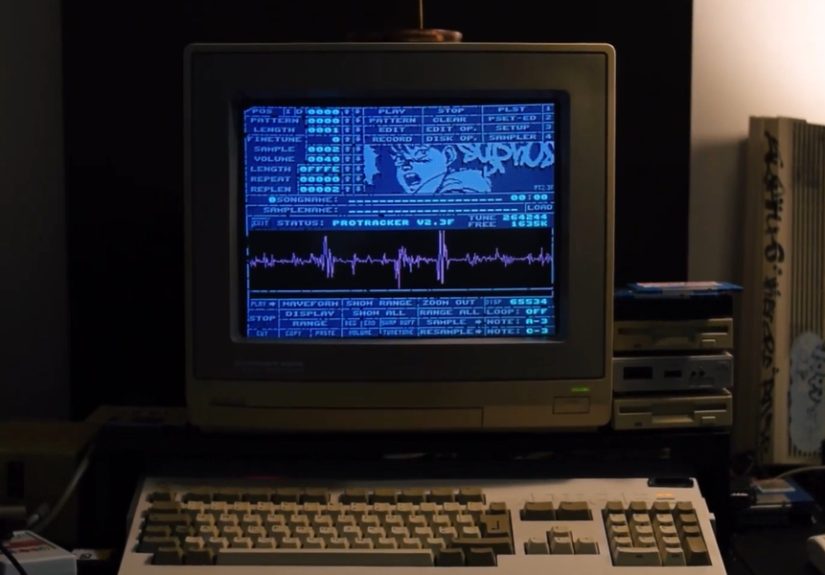
This is where things get interesting. If your definition of “back” means visible, active, and buyable, Amiga is already making moves. The A500 Mini helped put the brand back in front of a mainstream-ish audience. More recently, Retro Games Ltd announced THEA1200, a full-size reimagining that includes a working keyboard, Workbench support, and compatibility with a huge range of classic software and demos.
That is not a minor detail. It means the market has already moved beyond pure mini-console nostalgia and toward more complete retro-computing experiences. People do not just want to look at old machines. They want to use them, tinker with them, load software on them, and feel like they are sitting back down at a desk in 1992 with a stack of disks and a dangerous amount of optimism.
On the software side, AmigaOS has also refused to die. Updates in 2025 showed that the platform still has developers, maintainers, and users who care enough to keep pushing it forward. That does not magically solve the business puzzle, but it does prove something important: Amiga is not merely a dead trademark with a warm fan forum. It is still a living ecosystem.
And that matters because a comeback is easier when the patient is already breathing.
What an Amiga Revival Would Need to Get Right
Keep the experience central
The best path forward is not to ask, “How do we make a modern computer and call it Amiga?” That road has been tried before, and it usually ends in polite confusion. The better question is, “What did using an Amiga feel like, and how do we preserve that feeling while removing the old pain points?”
That means fast booting, elegant design, responsive software, creative tools, approachable interfaces, and a sense that the machine wants you to make something cool. Amiga was never just about specifications. It was about delight.
Avoid purity contests
An Amiga reboot will fail if it tries to satisfy every faction at once. It should not attempt to be simultaneously a museum replica, an esports machine, a Linux power box, a nostalgia toy, and the second coming of desktop publishing. That way lies madness. Also long forum threads. Mostly long forum threads.
The smarter move would be a layered strategy: one flagship hardware experience for enthusiasts, one simpler plug-and-play product for mainstream buyers, and one software path that keeps classic content accessible. In other words, one Amiga for collectors, one for curious newcomers, and one for people who just want to run Deluxe Paint and pretend deadlines do not exist.
Tell the story properly
Amiga’s greatest asset is not just the machine. It is the mythology: multimedia innovation, demo-scene culture, game history, digital art, music production, and creative rebellion. Commodore’s comeback shows that narrative matters. People are not buying only a keyboard. They are buying a worldview, a memory, and a chance to reconnect with a version of technology that felt more direct and more magical.
If Amiga comes back, it needs to sell not just hardware, but meaning. That sounds dramatic, but this is retro computing. Drama is half the hobby.
So, Could Amiga Be Next?
Yes, but with an asterisk large enough to require its own power supply.
Amiga can absolutely ride the same wave that is carrying Commodore right now. The ingredients are there: a legendary name, a devoted community, active software development, proven retro-hardware demand, and a growing appetite for technology that feels tactile, finite, and joyful. The success of products like the A500 Mini and the arrival of THEA1200 suggest that the appetite is not hypothetical. People are showing up.
But a full Amiga comeback will not be as straightforward as Commodore’s current return. Commodore can center a clearer flagship identity around the C64. Amiga has more cultural depth, but also more legal knots, more platform questions, and more ways to disappoint purists. To put it bluntly, Commodore’s revival is a restoration project. Amiga’s revival is a restoration project, a family mediation session, and a design brief all at once.
Still, that does not mean the answer is no. It means the answer is already unfolding in pieces. The hardware is reappearing. The software is still alive. The audience is still here. The only missing ingredient is a unified vision strong enough to make Amiga feel like a future-facing brand again instead of a beautifully preserved argument.
If someone manages that, then yes, Amiga is not just next. It is inevitable.
Experience Section: What This Revival Feels Like for Real Fans
One of the most fascinating parts of the Commodore comeback and the possible Amiga revival is that the experience is emotional in a very specific way. This is not the same feeling people get when a streaming service reboots an old sitcom and everyone complains about the lighting. Retro computers hit differently because they were physical companions. They had rituals. You turned them on. You listened to them. You waited for them. You learned their moods. If a modern laptop is an appliance, an old Commodore or Amiga was more like a weird but lovable roommate.
That is why the current wave of retro hardware matters so much. For longtime users, sitting down in front of a revived machine is not only about nostalgia; it is about recovering a mode of thinking. People remember how focused they felt with these systems. They remember the joy of experimenting without ten thousand notifications trying to sell them socks, meal kits, or a new productivity app that somehow makes them less productive. A revived Commodore or Amiga offers something modern computing often struggles to provide: boundaries. You sit down to do one thing, and the machine seems strangely willing to let you do it.
There is also a tactile pleasure to the experience that newer devices often flatten out. A full-size keyboard matters. A boot screen matters. The feel of loading a menu designed around a specific purpose matters. Even the limitations matter. In many cases, especially for artists, musicians, coders, and retro-game fans, limits are not annoying; they are clarifying. They force intention. They turn casual messing around into actual making.
For newer users, the experience is different but just as interesting. Many people discovering Amiga now are not returning veterans. They are younger hobbyists, emulator users, retro-gaming fans, FPGA enthusiasts, and curious creators who are tired of disposable tech. For them, Amiga is not a childhood memory. It is a revelation. They see a machine that treated graphics, audio, and multitasking as exciting frontiers instead of invisible background plumbing. They see history that still feels strangely modern.
That mix of old emotion and new curiosity is exactly why the topic matters. Commodore’s return is not just about selling retro hardware. It is a test of whether people still want technology with personality. And the growing attention around Amiga suggests the answer is yes. Not everyone wants a device that does everything, knows everything, and interrupts everything. Some people want a machine that invites them to play, build, learn, and create with a little more friction and a lot more soul.
If Amiga does come back in a bigger way, that is the experience it should chase. Not merely accuracy. Not merely branding. Not merely nostalgia. It should chase the feeling that technology can still be exciting, specific, and a little bit magical. Because that is what people are really trying to get back when they ask whether Amiga could be next.
Conclusion
Commodore’s return proves that retro computing is no longer just a hobbyist side quest. It can be a real commercial story when the product is credible, the message is clear, and the community feels respected. Amiga has all the emotional and cultural ingredients to follow, and in some ways it already is following through new hardware, ongoing OS development, and continued relevance in retro-computing circles.
But the true Amiga comeback will require more than affection. It will require coordination, clarity, and a product vision that honors the platform’s creative identity without drowning in internal complexity. That is a tall order, but not an impossible one. In fact, if the current Commodore resurgence accomplishes anything beyond selling hardware, it may be this: proving that old computer brands do not have to stay buried under legal dust and nostalgia fumes forever.
So yes, Amiga could be next. The better question is who can bring it back without sanding off the weird, wonderful parts that made it matter in the first place.






 Close
Close