
Table of Contents >> Show >> Hide
- What Is the PH5 Pendant Lamp?
- Why Poul Henningsen Designed It
- How the PH5 Pendant Lamp Works
- Why the PH5 Still Feels Relevant Today
- Where the PH5 Pendant Lamp Works Best
- Choosing the Right PH5 for Your Space
- Is the PH5 Pendant Lamp Worth It?
- Styling Tips for a Better Look
- Care and Maintenance
- Experiences With the PH5 Pendant Lamp
- Final Thoughts
If you have ever looked at a room and thought, “Nice sofa, but where is the personality?” the answer may be hanging from the ceiling. The PH5 Pendant Lamp is one of those rare lighting pieces that does two jobs at once: it brightens a space beautifully and quietly steals the whole scene. It is functional, sculptural, and just dramatic enough to make guests ask about it without making your dining room feel like a museum gift shop.
Originally designed by Poul Henningsen for Louis Poulsen in 1958, the PH5 pendant light has earned the kind of reputation most furniture only dreams about. It is a classic of Danish design, a favorite in modern interiors, and one of the few pendant lamps that can honestly claim to look as good turned off as it does turned on. That is not marketing fluff. That is decades of good design doing what good design does best: aging suspiciously well.
What Is the PH5 Pendant Lamp?
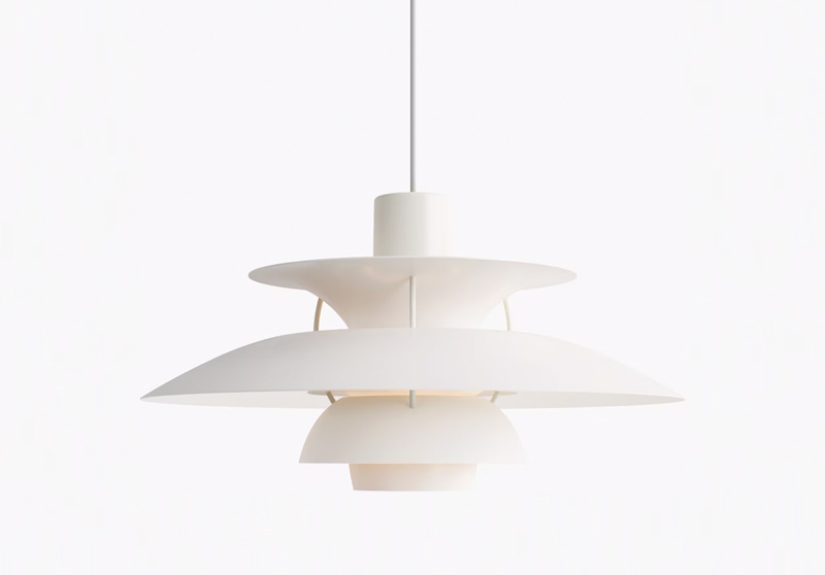
The PH5 Pendant Lamp is a layered pendant light known for its distinctive multi-shade silhouette and soft, glare-free illumination. It belongs to the celebrated PH lighting family created by Poul Henningsen, a designer who treated light less like a utility and more like a science experiment with better taste.
At first glance, the PH5 looks simple: stacked metal shades, clean lines, gentle curves. Look closer, though, and you begin to understand why it became a design icon. The lamp is engineered to direct light both downward and outward, which helps create a warm, even glow instead of the harsh spotlight effect that makes everyone at dinner look like they are being interrogated.
That balance is the secret sauce. The PH5 pendant lamp is not trying to blind you with brightness. It is trying to make a room feel better. And honestly, more lighting should have that ambition.
Why Poul Henningsen Designed It
One of the most interesting things about the PH5 is that it was created to solve a practical problem. Henningsen designed it in response to the changing shapes and sizes of incandescent bulbs. In other words, he did not just want a pretty shade. He wanted a pendant lamp that could accommodate different light sources while still controlling glare and producing comfortable illumination.
That problem-solving origin story matters because it explains why the PH5 still feels modern. It was never a trend piece. It was a performance piece dressed like sculpture. The design was rooted in how people actually experience light in real rooms: over dining tables, in kitchens, in hallways, and in shared living spaces where bad lighting can make even beautiful interiors feel oddly lifeless.
There is also a delightful bit of poetry in the design philosophy. Henningsen was deeply interested in the quality of light, especially the kind of flattering, mellow atmosphere that makes people and spaces look their best. So while the PH5 is absolutely a designer lamp, it is not precious. It is practical elegance, which is a much harder trick to pull off.
How the PH5 Pendant Lamp Works
The three-shade principle
The PH5 is based on Henningsen’s famous reflective shade system. Instead of relying on a single cone or drum to push light downward, the lamp uses layered shades that distribute light more thoughtfully. This setup helps reduce glare from multiple angles while also allowing the fixture to illuminate itself. That self-illumination is part of what makes the lamp so visually rich. It glows, but it also seems to breathe a little.
Soft light, not sleepy light
There is a difference between soft lighting and weak lighting, and the PH5 understands it better than most fixtures on the market. It produces diffused, comfortable light without turning your room into a cave. Over a dining table, it creates intimacy. In a kitchen, it offers enough practical brightness while still looking polished. In an entryway, it can make the first impression of your home feel instantly more intentional.
Color as function
Some versions of the PH5 also use carefully considered interior colors to influence the warmth and balance of the light. In the classic white model, subtle color accents inside the fixture help soften the output and improve the overall quality of illumination. That is a very PH5 move: even the details you barely notice are doing important work.
Why the PH5 Still Feels Relevant Today
A lot of midcentury modern lighting looks great in photographs and oddly bossy in real life. The PH5 avoids that trap. It has a strong identity, but it is flexible enough to live in many kinds of interiors. It works in Scandinavian homes, contemporary apartments, eclectic townhouses, and even more traditional spaces that need one fresh element overhead.
Part of the appeal is the shape. The layered form is instantly recognizable, but not loud. Part of it is the light quality, which remains excellent by current standards. And part of it is the fact that the lamp has never really disappeared. This is not a vintage revival with a dramatic comeback tour. The PH5 has simply remained in the conversation because it never stopped being good.
Its place in museum and design circles also helps. When a lighting piece lands in the collection of the Museum of Modern Art and still manages to feel homey over an actual dinner table, that is a strong sign it has range.
Where the PH5 Pendant Lamp Works Best
Over a dining table
This is the classic PH5 setup, and for good reason. The pendant was practically born for dining areas. Hung low enough, it defines the table, creates atmosphere, and offers comfortable light for meals, homework, conversations, and those dramatic hand gestures people use when telling a story that absolutely could have been an email.
Above a kitchen island
The PH5 also performs beautifully above a kitchen island, especially when used in multiples. Because the lamp is compact but visually substantial, it can add rhythm and color without making the space feel cluttered. If your kitchen has clean cabinetry and simple finishes, a PH5 can become the decorative moment that keeps the whole room from feeling too serious.
In an entryway or stairwell
If you want something more memorable than a generic globe fixture, the PH5 is an excellent choice for a welcoming entry. It has enough sculptural presence to act like decor, but it still behaves like a responsible lamp. In taller spaces, it can also create a strong vertical focal point without looking oversized or heavy.
Choosing the Right PH5 for Your Space
One reason the PH5 pendant lamp remains popular is that it is available in a wide range of colors and more than one size. That makes it easier to treat it either as a subtle classic or as an expressive design feature.
If you want timeless versatility, white and neutral versions are the safe, sophisticated choice. They pair well with wood tables, natural stone, black accents, and almost any wall color. If you want the lamp to act as jewelry for the room, deeper tones and tri-color versions can do that beautifully. They bring personality without needing a whole room full of “statement pieces,” which is fortunate because statement pieces tend to start arguing with each other.
For smaller rooms or tighter installations, a mini version may make more sense. For standard dining setups, the larger classic proportion tends to feel just right. The key is to let the PH5 have enough breathing room to show off its layered profile.
Is the PH5 Pendant Lamp Worth It?
If you are looking for the cheapest possible pendant light, the PH5 is not trying to win that contest. This is a premium design object with a long pedigree, thoughtful engineering, and a level of finish that cheaper lookalikes usually fail to capture. The question is not whether it is inexpensive. The question is whether it earns its place.
For many buyers, the answer is yes. The PH5 offers lasting visual appeal, excellent light quality, and a design story that feels genuinely meaningful rather than invented by a branding department on a Tuesday afternoon. It also avoids the “trend hangover” problem. You are unlikely to install a PH5 and regret it two years later because the internet moved on to some other mushroom-shaped fixture.
In practical terms, it is the kind of lamp people keep through moves, redesigns, and major furniture changes. That staying power matters. A good pendant light should not just match your current dining chairs. It should survive your future decisions, including the questionable ones.
Styling Tips for a Better Look
Let it lead
The PH5 has enough personality to anchor a room, so you do not need to fight it with overly ornate accessories nearby. Let the lamp be the focal point and keep surrounding elements supportive. Clean lines, natural textures, and restrained clutter are all helpful friends here.
Pair it with honest materials
Wood, stone, linen, leather, and matte finishes tend to bring out the best in the PH5. These materials complement the lamp’s design language and help the space feel grounded rather than staged. A walnut dining table under a PH5 is one of those combinations that almost feels unfair to other fixtures.
Think about the bulb
Even a well-designed lamp can only work with the light source you give it. Choose a bulb with a warm, comfortable output that supports the PH5’s soft diffusion. The goal is cozy clarity, not operating-room realism.
Care and Maintenance
The PH5 is not especially high-maintenance, but it does deserve basic respect. Dust the shades gently, avoid harsh chemical cleaners, and handle the fixture carefully during installation or cleaning. Because the layered aluminum structure is part of what makes the design special, you want to keep those surfaces clean and looking crisp.
Maintenance is really about preserving what the PH5 already does so well: shaping light beautifully. A dusty pendant is still a pendant, sure, but it loses a bit of that quiet magic. Think of upkeep as less of a chore and more of a way to protect your investment from the forces of airborne chaos.
Experiences With the PH5 Pendant Lamp
Living with a PH5 Pendant Lamp is a little different from simply owning one. On day one, you notice the shape. On day three, you notice the light. A month later, you start noticing the mood it creates, which is where this lamp really earns its reputation.
Imagine walking into a dining room at the end of a long day. The table is nothing fancy, maybe oak, maybe walnut, maybe still carrying the emotional memory of last week’s mail pile. But with a PH5 overhead, the whole area feels considered. The light falls in a soft pool over the tabletop, yet the room does not go dark around the edges. There is enough brightness to read a recipe, enough warmth to linger over coffee, and enough atmosphere to make takeout noodles feel slightly more civilized.
That is one of the best real-world experiences tied to the PH5: it makes everyday routines feel better without demanding attention every second. You are not constantly thinking, “Wow, what a lamp.” You are just more comfortable in the room. The conversation feels easier. The table looks more inviting. Even the fruit bowl suddenly seems to understand composition.
The PH5 also tends to shine in homes where lighting has been an afterthought for too long. Swap out a builder-grade pendant for this piece, and the room changes immediately. Not because it becomes flashy, but because it becomes balanced. The lamp seems to organize the space visually. Chairs, table, flooring, and wall color begin to relate to one another more clearly. Good lighting often acts like editing, and the PH5 is a very skilled editor.
Another common experience is surprise at how adaptable it is. People often assume iconic design pieces are picky, as if they will only cooperate with perfectly curated Scandinavian interiors and expensive ceramic vases. The PH5 is more relaxed than that. It works with modern furniture, vintage wood pieces, minimalist kitchens, colorful apartments, and family homes where beauty has to coexist with real life. It can handle fingerprints on the table, backpacks on a bench, and a dog circling below in search of dropped pasta.
There is also something satisfying about owning a lamp with genuine design intelligence behind it. You feel it when the light is on at dusk. You feel it when friends sit down and immediately seem more at ease. You feel it when you realize the fixture is not just decorating the room, but improving how the room functions. The PH5 Pendant Lamp has that rare ability to make a space feel both more elegant and more livable. That is probably why people keep talking about it after all these years. Some lamps provide light. This one provides atmosphere with a side of credibility.
Final Thoughts
The PH5 Pendant Lamp remains a benchmark in modern lighting because it solves real problems beautifully. It reduces glare, spreads light comfortably, and adds sculptural character without tipping into gimmick territory. More than six decades after its debut, it still feels thoughtful, stylish, and entirely usable.
If you want a pendant light that combines Danish design heritage, strong visual identity, and genuinely comfortable illumination, the PH5 deserves its reputation. It is not just a lamp you buy because it is famous. It is famous because, year after year, it keeps doing the job remarkably well.







 Close
Close