Table of Contents >> Show >> Hide
- Why Pickled Sweet and Hot Peppers Work So Well
- Choosing the Best Peppers for Pickling
- What Goes Into the Brine
- How to Make Pickled Sweet & Hot Peppers
- Flavor Variations Worth Trying
- Best Ways to Use Pickled Sweet and Hot Peppers
- Common Mistakes That Ruin a Good Jar
- Storage, Safety, and Practical Tips
- Why This Pantry Staple Deserves a Spot in Your Kitchen
- Kitchen Experience: Living With a Jar of Pickled Sweet & Hot Peppers
- Conclusion
There are condiments, and then there are pickled sweet and hot peppersthe bright, crunchy, sweet-tangy-spicy little troublemakers that can wake up a sandwich, save a grain bowl, and make a plain burger feel like it got promoted. They are colorful, punchy, and surprisingly easy to love. One bite brings sweetness, one bite brings heat, and together they create the kind of balance that keeps you reaching back into the jar “just for one more.” Famous last words, obviously.
At their best, pickled peppers are not just spicy for the sake of drama. They are layered. Sweet peppers add body, crunch, and gentle fruitiness. Hot peppers bring the spark. Vinegar adds tang, sugar smooths the edges, salt sharpens the whole thing, and garlic or spices can turn a basic jar into something memorable. Whether you are making a quick refrigerator version for taco night or a properly tested canning version for shelf storage, the appeal is the same: big flavor, low effort, and endless ways to use them.
Why Pickled Sweet and Hot Peppers Work So Well
The magic of pickled peppers is contrast. Sweet peppers alone can be pleasant but mild. Hot peppers alone can be exciting but intense. Put them together in a balanced brine, and suddenly the jar has range. You get sweetness up front, acidity in the middle, and a small but satisfying kick at the end. That makes them more flexible than plain jalapeño slices or standard sweet relish.
The Sweet-and-Heat Balance
Good jars are not built on chaos. They are built on proportion. The sweet peppers mellow the brine and add juicy crunch, while the hot peppers keep things interesting without hijacking the flavor. Banana peppers, jalapeños, cherry peppers, bell peppers, Hungarian wax peppers, and sweet mini peppers all play nicely together. Think of it as a pepper group project where, for once, everyone actually contributes.
This balance is also why these peppers are so useful at the table. They are punchy enough to cut through rich foods like sausage, cheese, fried chicken, and creamy dips, but not so aggressive that they overpower eggs, fish, grain bowls, or salads. They can be garnish, sidekick, topping, or secret weapon.
Choosing the Best Peppers for Pickling
The best sweet and hot pickled peppers start with peppers that are fresh, firm, glossy, and free of soft spots. Limp peppers make sad jars. Great pickles need peppers with enough structure to stay crisp after meeting hot brine.
Best Sweet Peppers to Use
Bell peppers are a classic choice because they are thick, colorful, and easy to slice into strips. Sweet banana peppers bring a softer shape and a gentle tangy personality. Mini sweet peppers are excellent if you want quick, snackable rings. Red, orange, and yellow peppers usually taste sweeter than green ones, so they help create a rounder, friendlier flavor.
Best Hot Peppers to Use
Jalapeños are the everyday hero: familiar, balanced, and widely available. Hungarian wax peppers and hot banana peppers offer a milder, more sandwich-friendly heat. Serranos are brighter and sharper. If you want a serious kick, you can add a few hotter peppers, but that is a “know thyself” moment. A jar should be exciting, not a dare.
Freshness Matters More Than Fancy Names
You do not need a rare heirloom pepper with a dramatic backstory. You need peppers that were picked recently and handled well. The fresher the produce, the better the texture and color after pickling. Uniform slices also help the peppers pickle evenly, which means fewer limp surprises hiding in the jar.
What Goes Into the Brine
A classic pepper brine is beautifully straightforward: vinegar, water, sugar, and salt. From there, you can layer in garlic, mustard seeds, celery seeds, dill seeds, peppercorns, or red pepper flakes depending on the flavor direction you want. Some versions lean sweeter, almost like bread-and-butter pickles with attitude. Others are sharper, brighter, and more savory.
White vinegar keeps the flavor clean and the color vivid. Apple cider vinegar adds a softer, fruitier edge. Sugar does not need to dominate; it simply rounds the acidity and lets the natural pepper flavor show up. Salt sharpens everything and helps the brine taste intentional instead of flat.
For people making refrigerator pickles, there is room for creativity. For people making shelf-stable canned peppers, food safety is not the place to improvise wildly. That means using a tested canning recipe, the proper acidity, and correct processing times. Flavor is flexible. Safety is not.
How to Make Pickled Sweet & Hot Peppers
Quick Refrigerator Method
If you want fast results, refrigerator pickles are the easy win. Slice your peppers into rings or strips. Pack them into clean jars with garlic or spices. Heat your brine until the sugar and salt dissolve, then pour it over the peppers. Let the jars cool, cover, and refrigerate. By the next day, they are already tasty. After a couple of days, they become the kind of thing you start adding to everything in sight.
This method is perfect for small batches, weeknight cooking, and pepper hauls from the farmers market. It is also great for finding your favorite balance of sweet to hot before making a larger batch.
Research-Tested Canning Method
If you want pantry-stable jars, use a tested recipe designed for canning peppers. That usually means preparing the peppers correctly, using vinegar with the proper acidity, filling the jars with the correct headspace, and processing them in a boiling-water canner for the time specified by the recipe and your altitude. Whole small peppers often need to be slit so the brine can penetrate properly, and hot peppers deserve glove-level respect. Pepper juice in your eye is a life lesson nobody wants twice.
For shelf-stable canning, do not casually reduce the vinegar, increase the oil, or freestyle the pepper-to-liquid ratio in ways the recipe does not support. Safe pickling relies on acidity and process, not vibes.
Flavor Variations Worth Trying
Sweet-Forward
Use more bell peppers and sweet banana peppers, plus garlic and mustard seeds. This version is excellent on sandwiches, hot dogs, grilled chicken, and antipasto platters.
Balanced Sweet and Spicy
Mix bell peppers with jalapeños or Hungarian wax peppers. Add a touch of sugar, garlic, and black peppercorns. This is the all-purpose jar that works with burgers, tacos, nachos, grain bowls, and pizza.
Hotter, But Still Friendly
Use jalapeños and serranos with a few sweet peppers for body. The sweet peppers keep the jar from tasting harsh, while the hotter peppers provide a cleaner, brighter kick.
Charcuterie-Board Energy
Add garlic, coriander seeds, and a slightly sweeter brine. These peppers pair especially well with salami, aged cheddar, mozzarella, olives, and crusty bread. Suddenly your snack plate looks like it has opinions.
Best Ways to Use Pickled Sweet and Hot Peppers
The beauty of pickled sweet & hot peppers is that they do not ask for much. They show up, brighten the dish, and make you look smarter in the kitchen than you may actually be.
Scatter them over pizza for a sweet-spicy tang. Layer them into turkey sandwiches, Italian subs, grilled cheese, burgers, or wraps. Add them to tacos, quesadillas, rice bowls, pasta salad, potato salad, egg sandwiches, omelets, or tuna salad. Chop them into cream cheese for a quick spread. Spoon them next to roasted meats. Toss them into chopped salads. Add them to charcuterie boards where they quietly steal the spotlight from the expensive cheese.
They are also excellent in small, strategic amounts. A few slices can rescue leftovers that taste dull. Roast chicken? Better. Bean bowl? Better. Boring desk lunch? Weirdly much better.
Common Mistakes That Ruin a Good Jar
Using Tired Peppers
Old peppers lose crunch quickly. Start with the best produce you can find.
Making the Brine Too Weak
A timid brine leads to timid flavor. If you are making refrigerator pickles, the peppers may still be edible, but they will taste forgettable. For canning, weak or altered acidity is a safety issue, not just a flavor issue.
Skipping the Waiting Time
Freshly brined peppers are fine. Peppers after a day or two are dramatically better. Give the vinegar, salt, and sugar time to settle in and do the job.
Ignoring Texture
Peppers cut too thin can go floppy. Peppers cut too thick can pickle unevenly. Aim for slices or strips that are sturdy but not chunky.
Storage, Safety, and Practical Tips
Refrigerator pickles belong in the fridge and should be eaten within a reasonable period based on the recipe and storage conditions. Shelf-stable canned peppers require tested instructions and proper processing. Use clean jars, good lids, correct headspace, and the right canning method for the recipe. For hot peppers, gloves are a smart move, and washing hands thoroughly afterward is nonnegotiable.
If you are new to canning, keep your first batch simple. A tested pepper recipe is a better starting point than a grand personal manifesto involving mystery vinegar, random extra oil, and your cousin’s “legendary method.” Save innovation for tacos. Use science for canning.
Why This Pantry Staple Deserves a Spot in Your Kitchen
Plenty of condiments are one-note. Ketchup is sweet. Mustard is sharp. Hot sauce is heat-first. But pickled sweet and hot peppers bring multiple strengths at once: crunch, brightness, sweetness, acidity, and fire. They are practical enough for weekday meals and flashy enough for party platters. They can preserve a garden harvest, upgrade your lunch, and add color to a plate that desperately needed better life choices.
If you like foods that feel lively, balanced, and flexible, this is the jar to make. Not because it is trendy. Not because it looks cute on a shelf. Because it actually earns refrigerator space. And these days, that is saying a lot.
Kitchen Experience: Living With a Jar of Pickled Sweet & Hot Peppers
The funniest thing about making pickled peppers is that you usually begin with noble intentions. You tell yourself the jar is for burgers, or maybe sandwiches, or perhaps a little weekend charcuterie moment if you are feeling fancy. Then the jar is in the fridge for two days, the peppers are glowing like stained glass, and suddenly you are opening the door at 10:14 p.m. to “just check on them.” This is how a condiment becomes a lifestyle.
One of the best experiences with pickled sweet and hot peppers is watching how differently people respond to the same jar. Someone who swears they do not like spicy food will fish out the sweet red strips first, then casually try one jalapeño ring, then another, and before long they are asking what exactly is in the brine. Meanwhile, the heat chaser in the group starts confidently, realizes the sweet peppers are not filler but part of the charm, and suddenly becomes deeply invested in the ratio. Pickled peppers have a way of turning everyone into a tiny kitchen philosopher.
They also create those low-key triumph moments that make home cooking feel rewarding. Leftover grilled chicken from yesterday becomes today’s excellent sandwich because of a few pepper slices. Scrambled eggs go from acceptable to memorable. A bowl of beans and rice stops tasting like a budget decision and starts tasting intentional. Even a plain cracker with cream cheese gets weirdly elegant when topped with a strip of sweet pepper and one hot ring. It is the kind of small transformation that makes you feel like the jar is doing emotional labor on behalf of dinner.
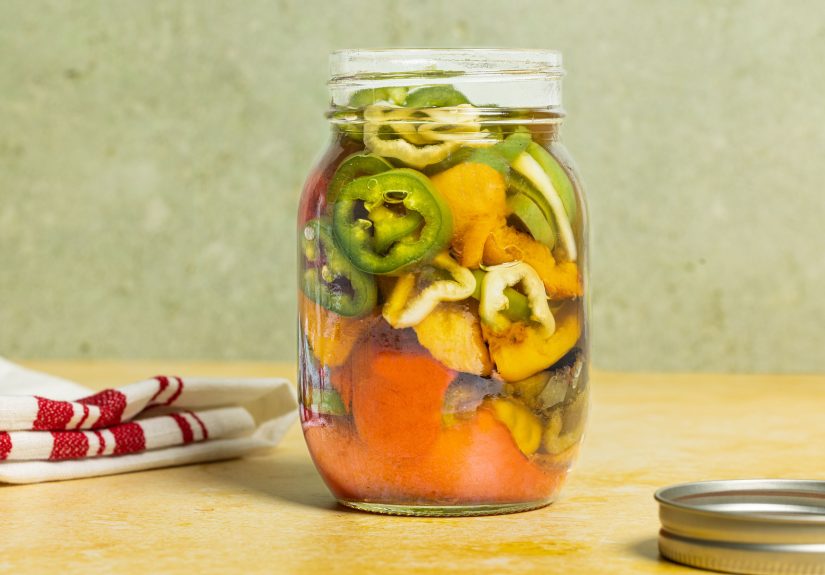
There is also the visual side of the experience, which should not be underestimated. A mixed jar of red, yellow, orange, and green peppers looks cheerful in a way that many preserved foods simply do not. It says, “Yes, I am practical, but I also know how to accessorize.” If you cook often, that matters. Food that looks alive is more likely to get used. A bright jar at eye level in the fridge tends to inspire better decisions than a mystery container of gray leftovers hiding in the back like a haunted science project.
And then there is the smell when the warm brine hits the peppers: vinegar, garlic, sweetness, something sharp in the air that promises future deliciousness. It smells like action. Like something useful is happening. It is one of those kitchen moments that feels bigger than the ingredients involved.
The long-term experience is even better. Once you get used to having pickled peppers around, you start building meals with them in mind. You buy sausages because the peppers will go with them. You make grain bowls because the peppers will wake them up. You roast meats, fry potatoes, assemble snack boards, and somehow the jar keeps showing up like the most reliable guest at the party. That is probably the best endorsement of all. Not that pickled sweet and hot peppers are exciting once, but that they stay useful over and over again, quietly improving the rhythm of everyday cooking.
Conclusion
Pickled Sweet & Hot Peppers are more than a preserving project. They are a smart, versatile, flavor-packed staple that brings sweet crunch, vinegary zip, and customizable heat to everyday meals. Make them for the color, keep them for the convenience, and use them because they make ordinary food taste far less ordinary. Whether you prefer a quick refrigerator batch or a properly tested canning recipe, this is one jar that punches well above its weight.