Table of Contents >> Show >> Hide
- What Is a Plant-Based Diet, Exactly?
- How Plant-Based Diets Work
- Health Benefits of a Plant-Based Diet
- Best Foods to Eat on a Plant-Based Diet
- Nutrients to Watch on a Plant-Based Diet
- How to Start a Plant-Based Diet Without Making Yourself Miserable
- Common Mistakes on Plant-Based Diets
- Who Can Benefit Most From Plant-Based Eating?
- Real-Life Experiences With Plant-Based Diets
- Final Thoughts
- SEO Tags
Plant-based diets have gone from niche to mainstream, and honestly, that makes sense. When a way of eating is flexible, colorful, and full of foods that do not arrive shrink-wrapped in existential dread, people pay attention. But the phrase plant-based diet can still feel fuzzy. Does it mean vegan? Vegetarian? A fridge full of kale and moral superiority? Not exactly.
At its core, a plant-based diet emphasizes foods that come from plants: vegetables, fruits, beans, lentils, peas, whole grains, nuts, seeds, and healthy plant oils. Some people eat fully vegan. Others include eggs, dairy, fish, or occasional meat. The point is not perfection. The point is that plants do the heavy lifting on the plate.
If you have ever wondered how plant-based diets work, what the real benefits are, which foods belong in your kitchen, and how to avoid common nutrition mistakes, you are in the right place. This guide breaks it all down in plain English, with practical advice and zero pressure to become a tofu philosopher by Tuesday.
What Is a Plant-Based Diet, Exactly?
A plant-based diet is an eating pattern built mostly around whole or minimally processed plant foods. That includes:
- Vegetables of all kinds
- Fruits
- Beans, peas, lentils, and soy foods
- Whole grains like oats, brown rice, quinoa, and whole-wheat pasta
- Nuts and seeds
- Healthy fats such as olive oil, avocado, nuts, and seeds
The term is broader than vegan or vegetarian. A vegan diet excludes all animal products. A vegetarian diet usually excludes meat but may include dairy or eggs. A plant-based diet can be vegan, but it can also be more flexible. Many people follow a plant-forward diet, where plants dominate most meals and animal foods play a smaller supporting role.
That flexibility is one reason plant-based eating has staying power. You do not have to wake up tomorrow, fling your cheese drawer into the sun, and swear allegiance to chickpeas forever. You can start by shifting the balance of your meals.
How Plant-Based Diets Work
The magic is not really magic. It is food chemistry, meal structure, and long-term eating habits working together.
1. They increase fiber without making your plate boring
Plant foods are the natural home of dietary fiber. Fiber helps support digestion, promotes fullness, and can help with cholesterol and blood sugar control. A meal built around beans, vegetables, and whole grains usually keeps you satisfied longer than one built around refined carbs and heavily processed foods.
2. They often lower saturated fat intake
When people replace some red meat, processed meat, and high-fat processed foods with beans, lentils, tofu, nuts, and whole grains, they often reduce saturated fat while increasing nutrients. That shift matters for heart health.
3. They emphasize nutrient density
Whole plant foods tend to bring more than one good thing to the table. Beans offer protein, fiber, iron, and magnesium. Berries bring fiber and antioxidants. Nuts add healthy fats, protein, and minerals. It is less “single superfood saves the day” and more “a team of normal foods quietly does its job.”
4. They can improve meal quality overall
Plant-based eating works best when it nudges people toward real meals: oatmeal with fruit and nuts, grain bowls, lentil soup, stir-fries, burrito bowls, chopped salads, roasted vegetables, and hearty sandwiches on whole-grain bread. In other words, less snack chaos, more actual food.
Health Benefits of a Plant-Based Diet
A well-planned plant-based diet is associated with several major health advantages. The important phrase there is well-planned. French fries are technically plants, but nobody should build a wellness empire on them.
Heart health support
Plant-based diets are often linked with better cardiovascular health because they tend to be higher in fiber and lower in saturated fat, especially when they focus on whole foods. Foods like beans, oats, nuts, seeds, and vegetables can help support healthy cholesterol and blood pressure levels.
Better blood sugar management
Whole grains, legumes, vegetables, and fruits can fit into a balanced eating pattern that supports steadier blood sugar, especially when compared with heavily refined, highly processed diets. Fiber slows digestion, which helps meals feel less like a sugar roller coaster and more like a stable train ride.
Weight management without obsession
Many plant foods are naturally rich in fiber and water, which can make meals more filling for fewer calories. That does not mean a plant-based diet is a guaranteed ticket to weight loss. It means it can make healthy eating more manageable and satisfying when portions and food quality also make sense.
Digestive benefits
If your current diet is low in fiber, moving toward more plant foods may help support bowel regularity and gut health. That said, increase fiber gradually and drink enough fluids. Going from “beige lunch every day” to “three bean salads and a mountain of broccoli” in one afternoon may produce consequences.
Long-term disease risk reduction
Plant-forward eating patterns are commonly associated with lower risk for chronic conditions such as heart disease, type 2 diabetes, and obesity. The strongest benefits show up when the diet centers on minimally processed plant foods rather than refined grains, sugary products, and ultra-processed “health halo” snacks.
Best Foods to Eat on a Plant-Based Diet
If you want a plant-based diet that actually works in real life, focus less on labels and more on building a practical grocery list.
Protein-rich plant foods
- Beans: black beans, kidney beans, pinto beans, cannellini beans
- Lentils: brown, green, red, black
- Peas and chickpeas
- Soy foods: tofu, tempeh, edamame, soy milk
- Nuts and seeds: almonds, peanuts, walnuts, pumpkin seeds, hemp seeds, chia seeds
- Nut and seed butters
Whole grains
- Oats
- Brown rice
- Quinoa
- Farro
- Barley
- Whole-grain bread and pasta
- Corn tortillas
Vegetables and fruits
Go for variety. Dark leafy greens, cruciferous vegetables, orange vegetables, berries, citrus, bananas, apples, tomatoes, peppers, mushrooms, and sweet potatoes all bring different nutrients to the mix.
Healthy fats
- Avocados
- Olives and olive oil
- Nuts and seeds
- Tahini
Smart convenience foods
Frozen vegetables, canned beans, plain oatmeal cups, frozen fruit, microwaveable brown rice, hummus, and low-sodium soups can make plant-based eating much easier. Convenience is not cheating. It is how adults survive weekdays.
Nutrients to Watch on a Plant-Based Diet
A plant-based diet can absolutely meet your nutrition needs, but it helps to be intentional.
Vitamin B12
This is the big one, especially for vegans. Vitamin B12 supports nerve function and red blood cell formation. It is not reliably found in unfortified plant foods, so people eating fully vegan diets usually need fortified foods and often a supplement.
Iron
Plant foods like beans, lentils, tofu, pumpkin seeds, and fortified cereals contain iron, but it is the non-heme type, which the body absorbs less efficiently. A smart trick is pairing iron-rich foods with vitamin C sources like citrus, strawberries, tomatoes, broccoli, or bell peppers.
Calcium
You do not need a dairy monopoly to get calcium. Good options include calcium-fortified plant milks, calcium-set tofu, fortified orange juice, and some greens like kale and bok choy. Read labels, because not all plant milks are nutritionally equal. Some are basically beige water with branding.
Vitamin D
Vitamin D can be tricky for many people, regardless of diet. Fortified plant milks and cereals may help, and some people need supplements depending on age, sun exposure, location, and health needs.
Omega-3 fats
Flaxseed, chia seeds, walnuts, and canola oil provide ALA, a plant omega-3. Some people who avoid seafood completely may also consider algae-based DHA and EPA supplements, especially if advised by a clinician.
Zinc and iodine
Beans, whole grains, nuts, seeds, and fortified foods can help cover zinc needs. Iodine deserves attention too, especially on strict vegan diets. Depending on your eating pattern, iodized salt or fortified foods may matter.
How to Start a Plant-Based Diet Without Making Yourself Miserable
Start with one meal a day
Instead of changing everything at once, make breakfast or lunch plant-based for a week. Oatmeal with fruit and peanut butter is easier than a dramatic kitchen identity crisis.
Build meals with a simple formula
Try this structure: protein + fiber-rich carb + produce + healthy fat. For example:
- Brown rice + tofu + broccoli + sesame sauce
- Whole-grain toast + hummus + tomato + avocado
- Lentil soup + side salad + whole-grain crackers
- Oats + berries + walnuts + soy milk
Swap, do not just subtract
If you remove meat from a meal and replace it with “more air,” you will be hungry in 42 minutes. Replace it with beans, lentils, tofu, tempeh, edamame, or another satisfying protein source.
Upgrade what you already eat
Love pasta? Add white beans, spinach, mushrooms, and olive oil. Love tacos? Use black beans or lentils. Love sandwiches? Try hummus, roasted vegetables, and avocado. You do not need a new personality, just a few new defaults.
Common Mistakes on Plant-Based Diets
Relying too heavily on ultra-processed foods
Plant-based cookies are still cookies. Vegan chips remain chips. A plant-based label is not a halo. Build your routine around mostly whole foods, then let fun foods be fun foods.
Not eating enough protein or calories
This is especially common when people eat “light” meals that are mostly salad greens. Add beans, grains, tofu, nuts, seeds, or soy yogurt so meals actually stick with you.
Ignoring key nutrients
B12 is not optional on a vegan diet. Iron, calcium, vitamin D, iodine, and omega-3s also deserve a little attention. Planning beats guessing.
Changing too fast
More fiber is great. More fiber overnight can feel like your stomach joined a protest movement. Increase gradually, cook beans well, and stay hydrated.
Who Can Benefit Most From Plant-Based Eating?
Almost anyone can include more plant foods. Plant-based diets can work for families, older adults, athletes, and busy professionals. People with medical conditions, food allergies, pregnancy, a history of nutrient deficiencies, or highly restrictive eating patterns may benefit from extra guidance from a doctor or registered dietitian. The goal is not simply “more plants.” It is enough nutrition.
Real-Life Experiences With Plant-Based Diets
One of the most interesting things about plant-based diets is that the experience is rarely dramatic in the beginning. It usually starts with one practical decision. Someone swaps sausage for oatmeal at breakfast. Someone else makes chili with lentils because ground beef got expensive. Another person notices that a grain bowl at lunch leaves them energized instead of sleepy enough to use a keyboard as a pillow.
In real life, many people say the first week is not about enlightenment. It is about logistics. You realize you need more groceries that can turn into quick meals. Canned beans become the emergency hero. Frozen vegetables stop being boring and start being useful. A container of cooked rice in the fridge begins to feel like financial planning, emotional support, and dinner strategy all at once.
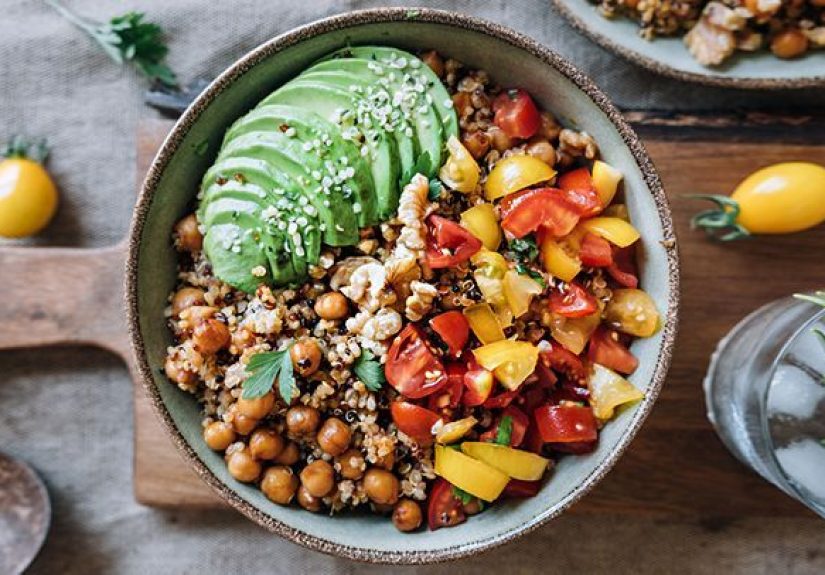
There is also a learning curve with fullness. People often assume they are hungry because plant-based eating “does not work,” when the real issue is that they built a meal around lettuce and optimism. Once meals include enough protein, whole grains, and healthy fats, the experience changes. A burrito bowl with black beans, brown rice, fajita vegetables, salsa, and avocado is very different from a sad side salad pretending to be lunch.
Taste shifts happen too. At first, some people miss the saltier, richer punch of heavily processed foods. Then, after a few weeks, roasted sweet potatoes taste sweeter, berries taste brighter, and plain yogurt with fruit stops feeling like punishment. Seasoning matters. Texture matters. Sauces matter. Nobody wins awards for eating dry chickpeas over unseasoned kale. But a warm curry, smoky bean tacos, peanut noodles with edamame, or crispy tofu with garlic sauce? That is how habits stick.
Another common experience is discovering that plant-based eating can be social without being all-or-nothing. Some people eat fully vegan at home and flex when dining out. Others keep breakfast and lunch plant-based and leave dinner open. Some follow a Mediterranean or DASH-style approach that is mostly plants with occasional fish, eggs, or dairy. The people who do well long term often treat it as a pattern, not a purity contest.
Energy is another theme people talk about. Not in a magical “I can now communicate with spinach” way, but in a steadier, more boring, more useful way. Meals built on fiber-rich carbs, plant proteins, and produce can feel less heavy than meals built around refined starches and greasy fast food. Digestion may improve. Afternoon slumps may calm down. Grocery habits get sharper. Cooking confidence improves. Even people who never planned to become “healthy eaters” often find themselves keeping hummus, fruit, nuts, and soup around because it makes the week easier.
Of course, not every experience is glowing. Some people get tired of cooking. Some miss convenience foods they grew up with. Some overdo raw vegetables and wonder why their stomach has entered open rebellion. That is normal. Plant-based diets work best when they are realistic, flavorful, and flexible enough to fit actual life. The biggest success stories usually do not come from perfection. They come from consistency, curiosity, and the humble power of repeating a few good meals until they become second nature.
Final Thoughts
A plant-based diet is not a magic spell, a moral ranking system, or a requirement to eat kale in a state of permanent optimism. It is a practical eating pattern that puts more emphasis on vegetables, fruits, legumes, whole grains, nuts, and seeds. Done well, it can support heart health, digestion, blood sugar balance, and overall diet quality while still being delicious and flexible.
The smartest way to do it is simple: eat more whole plant foods, make sure meals are balanced, and pay attention to nutrients like B12, iron, calcium, vitamin D, and omega-3s. Start where you are, not where an internet food guru says you should be. Even a few plant-forward meals a week can move your diet in a healthier direction.