
Table of Contents >> Show >> Hide
- Why go plastic-free (or at least plastic-smart) in the kitchen?
- The quickest way to start: prioritize “heat + food + time”
- 10 plastic-free kitchen swaps for a healthier home
- 1) Swap plastic food containers for glass or stainless steel storage
- 2) Replace plastic wrap with beeswax wraps, parchment paper, or reusable covers
- 3) Ditch plastic cutting boards (or at least limit them) in favor of wood or bamboo
- 4) Upgrade your cookware: choose stainless steel, cast iron, or carbon steel more often
- 5) Replace plastic cooking utensils with wood, bamboo, or stainless steel
- 6) Swap plastic water bottles and pitchers for glass, stainless steel, or filtered tap setups
- 7) Replace plastic sponges with a dish brush + compostable or washable alternatives
- 8) Choose loose-leaf tea, paper tea bags, or metal infusers instead of plastic-containing tea bags
- 9) Swap plastic coffee pods and accessories for low-plastic brewing methods
- 10) Replace plastic pantry organization with glass jars and paper-based storage
- What to do with the plastic you already own (without creating a guilt spiral)
- Common questions (because your brain is practical and deserves answers)
- Real-life experiences: what people notice after going plastic-free (the good, the funny, and the slightly annoying)
- Conclusion: a healthier home is built from small, repeatable wins
Your kitchen is basically your home’s “mission control” for breakfast, leftovers, midnight snacks, and the
occasional attempt at being the kind of person who meal-preps. It’s alsowhether you asked for it or not
a hotspot for plastic: containers, wrap, utensils, cutting boards, sponges, water bottles, tea bags… the list
goes on like a sitcom that refuses to end.
The good news: you don’t have to become a minimalist monk who stores oats in hand-carved wooden bowls to make
meaningful progress. A plastic-free (or “plastic-lite”) kitchen is mostly about swapping the highest-impact items
especially the ones that touch hot food, sit with your leftovers for days, or get microwaved into a questionable
science experiment. Make a few smart changes and you’ll lower your exposure to certain chemicals, reduce
microplastic shedding, and cut down on kitchen wasteall while keeping your life realistic.
Why go plastic-free (or at least plastic-smart) in the kitchen?
A lot of the concern around kitchen plastics comes down to two words: heat and contact.
Some plastics can break down over time or when exposed to heat, and certain chemicals used in plastics have been
studied for potential health impacts. You’ve probably heard of BPA and phthalates; you’ve also likely heard the
modern sequel: microplastics. Meanwhile, PFAS (“forever chemicals”) are a separate category often discussed with
nonstick coatings and grease-resistant food packaging.
Here’s the non-doom-and-gloom takeaway: the science is still evolving, but major medical and public health guidance
commonly supports a precautionary approachespecially around heating food in plastic and using plastic with hot or
fatty foods. The goal isn’t panic; it’s smarter defaults.
The quickest way to start: prioritize “heat + food + time”
If you only remember one rule, make it this:
Swap the plastic that touches hot food, hot liquid, or long-stored leftovers first.
That’s where small changes can make the biggest difference.
- Heat: microwaving, dishwashing (high heat), boiling water, hot coffee/tea
- Food: especially oily, fatty, acidic foods (they can increase migration of some compounds)
- Time: storing leftovers for days, marinating overnight, freezing for weeks
10 plastic-free kitchen swaps for a healthier home
1) Swap plastic food containers for glass or stainless steel storage
This is the MVP swap because it hits all three priorities: heat, food contact, and time. Glass containers don’t
stain, don’t hold smells, and can usually go from fridge to oven (check the label for temperature limits).
Stainless steel is lightweight and durablegreat for lunchboxes and travel.
Easy upgrade plan: Start with just two sizes: a medium container for leftovers and a small one for sauces/snacks.
Use wide-mouth glass jars for soups, beans, overnight oats, and salad dressings.
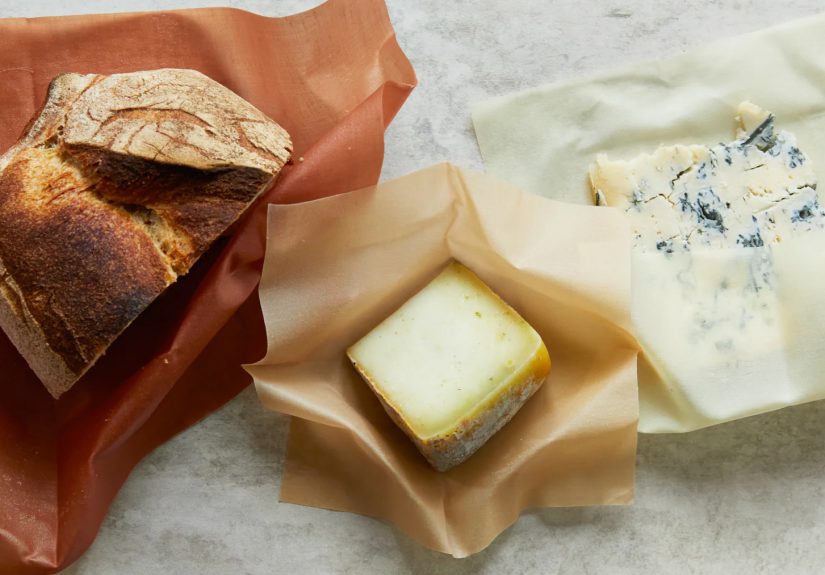
2) Replace plastic wrap with beeswax wraps, parchment paper, or reusable covers
Plastic wrap is convenient, but it’s also designed for single-use and can end up touching warm food more often than
you intend (hello, steam). Beeswax wraps work well for covering bowls, wrapping sandwiches, and hugging half an
avocado like it’s their job. Parchment paper is great for lining pans or separating frozen foods.
Pro tip: Keep a couple of breathable cloth bowl covers (or even a clean tea towel + rubber band) for proofing dough
and covering produce. Not glamorous, but it worksand your sourdough doesn’t care about aesthetics.
3) Ditch plastic cutting boards (or at least limit them) in favor of wood or bamboo
Cutting boards are one of the most “quietly intense” plastic sources in a kitchen. Knives scrape them constantly,
which can contribute to plastic wear over time. A well-made wooden board (like maple or walnut) is sturdy, looks
better on the counter, and is gentle on knives.
Keep it safe: Use separate boards for raw meat and produce if that’s your routine, and sanitize appropriately.
Wood boards need regular washing (no soaking), thorough drying, and occasional oiling. Think of it as skincarebut for lumber.
4) Upgrade your cookware: choose stainless steel, cast iron, or carbon steel more often
Nonstick pans can be useful, but many people choose to reduce reliance on coatings associated with PFAS concerns.
Stainless steel is the all-purpose workhorse; cast iron excels at searing and baking; carbon steel is like cast iron’s
lighter, faster cousin.
Practical transition: You don’t have to throw away every nonstick pan today. Start by adding one stainless skillet
and one sheet pan that you love. Then reserve nonstick for specific low-stick needs (like eggs) and replace it as it wears.
5) Replace plastic cooking utensils with wood, bamboo, or stainless steel
Plastic spatulas and spoons often hang out near heatresting on pan edges, stirring simmering sauces, or living their
best life in boiling pasta water. Wood and bamboo are affordable and easy to find. Stainless steel is essentially immortal.
Starter set idea: A wooden spoon, a bamboo turner, and a stainless ladle cover 90% of cooking tasks.
6) Swap plastic water bottles and pitchers for glass, stainless steel, or filtered tap setups
If you’re regularly drinking from single-use plastic bottles, this swap can reduce both waste and potential microplastic
exposure. A stainless steel bottle is the “set it and forget it” option. A glass bottle is great at home if you’re less
likely to drop it like a sitcom character.
Budget-friendly move: If you already have a reusable bottle, keep using itjust avoid putting it through
high-heat cycles if it’s plastic. When it’s time to replace, go steel or glass.
7) Replace plastic sponges with a dish brush + compostable or washable alternatives
Dish sponges are tiny, cheerful microbe hotels that also tend to shed bits as they wear down. A dish brush with a
replaceable head lasts longer, dries faster, and feels oddly satisfyinglike you’re scrubbing away bad decisions.
For wiping counters, use washable cloths instead of disposable wipes.
Simple combo: Dish brush + cotton cloths + a small stash of cellulose sponges (if you want a sponge option).
8) Choose loose-leaf tea, paper tea bags, or metal infusers instead of plastic-containing tea bags
Some tea bags and “silky” sachets are made with plastic-based materials. If you’re trying to go plastic-free, it’s
worth switching to loose-leaf tea with a stainless infuser, or choosing brands that use paper-based bags.
Bonus: Loose-leaf often tastes betterand makes you feel like you have your life together, even if you’re wearing
pajama pants at 2 p.m.
9) Swap plastic coffee pods and accessories for low-plastic brewing methods
If your coffee routine involves plastic pods or plastic-heavy gadgets, consider switching to a French press (glass/stainless),
pour-over with a stainless or ceramic dripper, or a traditional drip machine with a reusable metal filter.
Low-effort option: If you love your current coffee maker, keep itbut replace any cracked plastic parts and avoid
pouring boiling water into plastic accessories.
10) Replace plastic pantry organization with glass jars and paper-based storage
Pantry plastics are sneaky because they’re “just storage,” but they also hold food for a long time. Glass jars are a
classic for a reason: they’re inert, visible (goodbye, mystery flour), and easy to clean. Paper bags and cardboard
can work for short-term storage, especially when paired with airtight jars for longer keeping.
Realistic system: Don’t buy 30 matching jars on day one. Start with what you already havepasta sauce jars,
jam jars, and any glass containers you’ve saved “just in case.” Today is the day those jars get their moment.
What to do with the plastic you already own (without creating a guilt spiral)
Going plastic-free doesn’t mean dumping everything into a landfill “for your health.” The healthiest approach can be:
use what you have, then replace strategically.
Here’s how:
- Avoid heating food in plastic whenever possibleespecially microwaving or pouring boiling liquids into plastic.
- Retire scratched or cloudy containers sooner; wear and tear increases over time.
- Store dry goods in plastic only if needed (like rice or cereal), and prioritize glass for leftovers and liquids.
- If you use plastic wrap, keep it from touching food and vent it properlythen treat that as a backup plan, not your daily routine.
Also: don’t underestimate the power of “one small boundary.” For many households, the biggest shift is simply
moving leftovers into glass before refrigerating or reheating. That single habit quietly upgrades your kitchen
without requiring a full lifestyle rebrand.
Common questions (because your brain is practical and deserves answers)
Is “BPA-free” enough?
“BPA-free” can be a helpful label, but it doesn’t automatically mean “risk-free.” Some products may use alternative
bisphenols or different additives. Instead of chasing perfect labels, focus on the bigger win:
choose glass, stainless steel, or ceramic for hot food and long storage when you can.
Do I need to replace everything at once?
Absolutely not. A smart, low-stress timeline looks like this:
Replace as things break, wear out, or annoy you.
That way, you’re not spending a fortune or creating unnecessary waste.
Which swaps matter most for a “healthier home”?
If you want the fastest impact, prioritize:
food storage, microwaving habits, water bottles, and cookware choices.
These are the “high-contact, high-frequency” items that touch what you eat and drink every day.
Real-life experiences: what people notice after going plastic-free (the good, the funny, and the slightly annoying)
In week one, most people don’t have a cinematic “my life is changed” moment. What they notice is smaller and more
practical: leftovers stop tasting faintly like last week’s garlic. Glass containers don’t get that stubborn orange
tint from marinara sauce. And the fridge starts looking… weirdly calm. Not “Instagram pantry” calmmore like “I can
actually see what food exists in here” calm.
There’s also a surprisingly emotional win: fewer single-use decisions. When you switch from plastic wrap to a couple
of reusable covers and a roll of parchment, you stop having that daily debate of “Should I use wrap for this?”
because the answer becomes “No, I have the bowl cover.” It’s like removing a tiny pebble from your shoe that you
didn’t realize you’d been tolerating for years.
Then comes the cookware phaseoften sparked by one moment of betrayal, like a nonstick pan that suddenly starts
sticking… while still claiming to be nonstick. People who move toward stainless steel or cast iron often describe
a short learning curve (hello, heat control), followed by a sense of competence that is honestly disproportionate
to the task. You sear chicken successfully in stainless steel one time and briefly consider teaching a masterclass.
The “slightly annoying” part? Glass is heavier. You will feel it when you pack lunch. You’ll also discover that not
all glass containers are created equalsome lids are amazing, others are a leaky betrayal disguised as a snap seal.
Most households end up with a mixed system: sturdy glass at home, stainless steel for transport, and a couple of
“fine, this plastic container is for dry snacks only” holdouts. Progress, not perfection.
Another common experience: the dish brush conversion. At first, it feels like you’re auditioning for an old-timey
commercial“Look, Ma! No sponge!” Then you realize the brush dries faster, smells less weird, and doesn’t melt into
a sad pancake if it touches a hot pan. People who switch often say it’s one of those upgrades that feels small but
makes the kitchen feel cleaner day-to-day.
Finally, the biggest “healthier home” win tends to be habit-based, not product-based. Families who stop microwaving
in plastic and start reheating in glass often say it becomes automatic within a couple of weeks. The behavior change
sticks because it’s simple: move food from container to bowl, heat, eat. It’s not dramatic, but it’s consistent
and consistency is what turns a swap into a lifestyle that doesn’t require constant willpower.
Conclusion: a healthier home is built from small, repeatable wins
A plastic-free kitchen isn’t about chasing purity or throwing away everything you own. It’s about reducing exposure
where it matters most and cutting down on waste without making your kitchen feel like a complicated project.
Start with the “heat + food + time” items: glass storage, better reheating habits, and more durable materials like
stainless steel and wood. Then keep going at your own pace.
The result is a kitchen that’s easier to clean, less cluttered with disposable stuff, and more aligned with a
healthier homeone swap at a time. Your future self will thank you. Your leftovers will also thank you.
(They were tired of tasting like the inside of a plastic container, too.)







 Close
Close