Table of Contents >> Show >> Hide
- What Does Poggers Mean?
- Poggers Definition in Different Contexts
- How to Use Poggers
- When Should You Use Poggers?
- Where Did Poggers Come From?
- The Link Between Pog, PogChamp, and Poggers
- Why Poggers Became So Popular
- Did Poggers Change After PogChamp Was Removed?
- Is Poggers Still Popular?
- Synonyms and Similar Slang Terms
- Should You Use Poggers?
- Experiences With Poggers in Real Online Life
- Final Thoughts
Some slang words arrive politely, shake hands, and sit down like respectable guests. Poggers did not do that. It burst into internet culture like a gamer kicking open the door after a last-second win, screaming, “WE ARE SO BACK.” If you have seen it in Twitch chat, Discord servers, TikTok comments, or random group messages that look like they were typed during a caffeine storm, you may have wondered what it actually means.
The short answer is simple: Poggers is an expression of excitement, hype, amazement, or approval. But like a lot of online slang, the fun starts once you look past the short answer. The word has a real internet history, a specific connection to Twitch culture, and a surprisingly interesting path from niche gaming slang to broader online language. So let’s unpack the definition, usage, origin, examples, and why this weird little word still hangs around long after many memes have quietly retired to the great digital graveyard.
What Does Poggers Mean?
Poggers is a slang term used to show excitement, enthusiasm, surprise, or approval. In plain American English, it often means something like:
- That’s awesome
- That’s exciting
- No way, that’s amazing
- Huge win
- Let’s go
It is usually a positive reaction word. People use it when something cool happens, when someone makes an impressive play, when unexpected good news drops, or when a moment feels bigger than a plain old “nice.” In that sense, poggers works a lot like an emotional shortcut. It says, “I am excited, and I would like everyone around me to know that I am currently vibrating at a high frequency.”
Even though the word started in gaming and livestream culture, it is no longer limited to those spaces. You might see someone type, “Final exam canceled? Poggers.” That sentence is not elegant, but it is spiritually correct.
Poggers Definition in Different Contexts
In gaming
In gaming, poggers usually reacts to a clutch play, a comeback, a rare drop, a clean headshot, or any moment that makes the chat lose its collective mind in the best possible way. It is basically digital confetti.
On Twitch and livestreams
On Twitch, poggers often appears in fast-moving chat when viewers want to celebrate hype moments. It can stand in for cheering, yelling, clapping, or throwing your snack across the room because the streamer actually pulled it off.
On Discord and social media
Outside Twitch, the word can mean “awesome,” “great,” or “love that for you.” It may also be used ironically. Internet users are physically incapable of leaving a perfectly good slang term alone, so poggers can be sincere, playful, dramatic, or completely unserious depending on the tone.
In everyday texting
In text messages or comments, poggers usually signals excitement in a deliberately online, meme-aware way. It is not the kind of word you would normally use in a job interview unless your job interview is being conducted in Twitch chat, in which case you have other questions to answer first.
How to Use Poggers
The easiest way to use poggers is as a reaction. It can be a full message on its own or part of a sentence.
Examples:
- We got front-row tickets? Poggers.
- That comeback was absolutely poggers.
- You finished the project early? Poggers, honestly.
- Rare skin on the first try. Poggers moment.
- The professor moved the deadline back two days. Extremely poggers.
You can also use it with a wink. That ironic or exaggerated style is common online:
- My Wi-Fi came back after only four hours. Poggers, I guess.
- Burned the toast but not the house. Poggers.
In other words, context matters. The same word can sound genuinely excited in one message and deliciously sarcastic in another.
When Should You Use Poggers?
Poggers works best in casual, online, or meme-friendly settings. It fits naturally in gaming chats, Discord servers, social media replies, and texts with friends who already speak fluent internet. It does not fit naturally in formal writing, workplace reports, or emails to people who still think “streaming” is what a creek does.
Good times to use it include:
- Reacting to impressive moments
- Celebrating wins or good news
- Joining energetic group chat banter
- Making a joke in a clearly online tone
Less ideal times include:
- Business emails
- Academic essays
- Serious conversations
- Any sentence that begins with “Dear Sir or Madam”
Where Did Poggers Come From?
Here is where things get more interesting. Poggers is closely tied to PogChamp, one of the most recognizable reaction emotes in Twitch history. PogChamp was associated with excitement, shock, and hype, and over time the “pog” part of that name became a broader reaction word on its own.
The history traces back to content creator Ryan “Gootecks” Gutierrez. His famous surprised face came from a blooper-style video clip, and the name PogChamp came from a later “Pogs Championship” reference tied to the old 1990s game Pogs. Twitch eventually turned that reaction into a global emote, and it became one of the platform’s defining ways to mark big moments.
From there, online culture did what online culture always does: it multiplied. Variations appeared, and one of the biggest was POGGERS, a custom emote version associated with a wide-eyed Pepe-style face. That variation spread through third-party Twitch extensions such as BetterTTV and FrankerFaceZ, which helped users access emotes beyond Twitch’s standard built-in set. Once the image spread, the word spread with it.
So while poggers feels like its own slang term now, it is really part of a family tree. If internet language had a genealogy chart, PogChamp would be the dramatic grandparent, pog would be the compact shorthand child, and poggers would be the loud cousin who shows up with too much energy and somehow improves the party.
The Link Between Pog, PogChamp, and Poggers
These terms are related, but they are not exactly interchangeable.
PogChamp
This was the original iconic Twitch emote tied to hype, surprise, and big reactions.
Pog
This became a shorter slang version of the reaction. People started typing it as a quick way to signal excitement or approval.
Poggers
This is the more playful, meme-heavy version. It often feels a little more exaggerated, a little more internet-native, and sometimes a little more ironic.
In many situations, all three communicate excitement. The difference is mostly tone. Pog is brief. PogChamp is the original cultural source. Poggers is the more colorful slang cousin that escaped the chat box and started freelancing across the internet.
Why Poggers Became So Popular
Poggers succeeded because it is fast, expressive, and strangely fun to say. Good internet slang usually has three survival traits: it is easy to type, emotionally clear, and just weird enough to feel native to online culture. Poggers checks every box.
It also arrived at the perfect time. Twitch culture was growing fast, gaming communities were becoming more mainstream, and chat-based communication rewarded short, punchy reactions. A word like poggers could do a lot of emotional work in a tiny amount of space. It was part cheer, part meme, part in-group signal.
Another reason for its popularity is flexibility. It can be earnest. It can be silly. It can be ironic. It can be used as a reaction, an adjective, or a label for a whole moment. A lot of slang words die because they are too narrow. Poggers lasted because it could adapt.
Did Poggers Change After PogChamp Was Removed?
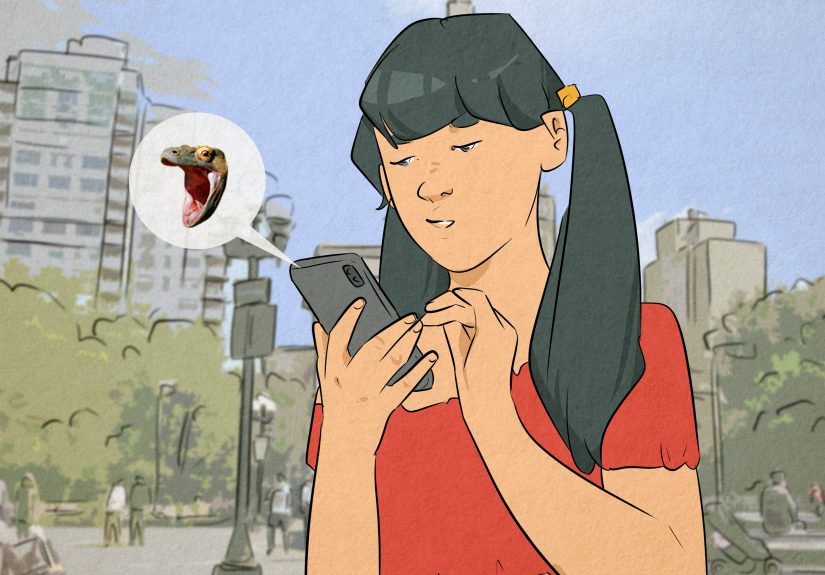
Yes, but not in the way you might expect. In January 2021, Twitch removed the original PogChamp emote after controversy involving the face associated with it. Twitch later experimented with rotating replacement faces and eventually chose a Komodo dragon-based version as the permanent replacement for PogChamp.
What matters for poggers is this: the word had already become bigger than one image. By that point, people were using pog and poggers as slang in their own right. So even though the original PogChamp image changed, the vocabulary survived. That is one of the clearest signs a slang term has graduated from niche reference to actual internet language.
Is Poggers Still Popular?
Yes, though its vibe has evolved. Today, poggers is still recognizable across gaming and internet culture, but it can feel slightly more self-aware than it once did. Some people use it sincerely. Others use it ironically because the word itself has become part of meme history.
That does not make it obsolete. It just means the tone is more layered. Saying poggers in 2026 might communicate excitement, but it might also communicate that you know exactly how online you sound. For many people, that is part of the joke.
Synonyms and Similar Slang Terms
If poggers is not your style, here are a few words and phrases that can express a similar idea, depending on context:
- Awesome
- Let’s go
- Hype
- Fire
- Huge
- W
- Legendary
- Sick
- No way
- That goes hard
Still, each alternative has its own flavor. Poggers sounds more specifically tied to gaming and online culture. It is not just positive; it is positively digital.
Should You Use Poggers?
That depends on your audience. If you are chatting with gamers, livestream viewers, meme-loving friends, or people who spend more time on Discord than in daylight, you are probably safe. If you are writing a college essay, a client proposal, or a legal document, absolutely not. Please let that sentence retire before it ruins your day.
The best use of poggers is intentional use. Know the room. Use it when the tone is casual, playful, and online enough to welcome it. Avoid it when you need clarity, professionalism, or the illusion that you have never once watched a speedrun at 2 a.m.
Experiences With Poggers in Real Online Life
The funny thing about poggers is that plenty of people learn it the same way they learn most internet slang: by being mildly confused in public. Someone drops it in a chat, everybody else reacts like it is perfectly normal, and you sit there wondering whether you missed a memo, a cultural movement, or a secret gamer census.
For a lot of users, the first encounter happens on Twitch during a big moment. A streamer lands an impossible shot, wins with one hit point left, or pulls off a comeback that should not exist outside fiction. Suddenly the chat turns into a waterfall of emotes and short reactions. In the middle of that flood, poggers stands out because it feels louder than plain text but easier than writing a full sentence. It is one of those words that lets thousands of people react together without coordinating anything. Everybody just knows the assignment: be excited, be fast, and do not overthink it.
Then the word starts traveling. It moves into Discord servers, private jokes, and group chats. Someone gets good news and another person replies, “poggers.” Someone posts a picture of concert tickets and three people immediately announce that the situation is, in fact, poggers. Before long, the term stops feeling like foreign Twitch code and starts feeling like a shared shorthand among friends.
There is also the ironic phase, and this phase is nearly unavoidable. After a slang word becomes popular, people begin using it with a half-smile. The pizza arrives thirty minutes early? Poggers. Your laptop finally updates after acting like it was powered by spite? Poggers. You found five dollars in an old jacket pocket? Weirdly, incredibly poggers. This ironic use does not kill the word; it actually extends its life. It gives people more ways to play with it.
Some people also associate poggers with a specific era of internet culture. It can trigger memories of old Twitch chats, esports clips, late-night gaming sessions, or friend groups that communicated almost entirely in memes and inside jokes. That nostalgia is part of its staying power. The word does not just mean “exciting.” For many users, it also carries the memory of where they were when internet culture felt especially chaotic, communal, and fun.
Of course, not everyone loves it. Some people think it sounds dated, overused, or too terminally online for civilized society. Fair enough. Internet slang always has that cycle. One group adopts it, another group overuses it, a third group mocks it, and then somehow it survives anyway. That is the real poggers experience: equal parts hype, cringe, history, joke, and community. Strange little word. Impressive résumé.
Final Thoughts
Poggers means excitement, hype, surprise, or approval, especially in gaming and internet culture. It grew out of the older PogChamp reaction ecosystem, spread through Twitch communities and third-party emote tools, and eventually became a standalone slang term with a life of its own. Today, it can still be used sincerely or ironically, but either way it remains one of the clearest examples of how online communities build language in real time.
Not every slang term deserves a deep dive, but this one actually does. Poggers is more than a goofy reaction word. It is a tiny piece of digital culture history, wrapped in meme energy and delivered with the subtle elegance of someone yelling in all caps from the back row. Which, honestly, feels very on-brand.