
Table of Contents >> Show >> Hide
- What Is Porch Renovation?
- Start With the Purpose of the Porch
- Inspect the Existing Porch Before Renovating
- Understand Permits and Building Codes
- Set a Realistic Porch Renovation Budget
- Choose Materials That Fit Your Climate and Lifestyle
- Improve Porch Railings, Columns, and Stairs
- Plan for Drainage and Weather Protection
- Lighting Makes a Bigger Difference Than People Expect
- Screened-In Porch Renovation
- Design for Curb Appeal
- Make the Porch Comfortable, Not Just Pretty
- DIY vs. Hiring a Professional
- Porch Renovation Mistakes to Avoid
- Maintenance After Renovation
- Real Experiences and Practical Lessons From Porch Renovation
- Conclusion
A porch is not just the place where muddy shoes go to contemplate their life choices. It is the handshake of your home, the first impression before anyone sees the kitchen, the living room, or the drawer where all the mystery batteries live. A well-planned porch renovation can improve curb appeal, create a more useful outdoor living space, and make your home feel more welcoming before guests even ring the bell.
Whether you are refreshing a tired front porch, rebuilding damaged stairs, screening in a back porch, or turning a plain slab into a charming outdoor retreat, the smartest projects begin with three questions: What is structurally safe? What fits the style of the house? And what will actually be used after the renovation dust settles?
This guide walks through the essentials of porch renovation, including planning, design, materials, safety, costs, lighting, flooring, railings, furniture, and real-world homeowner experience. Think of it as your friendly renovation roadmap, minus the contractor jargon and the dramatic reality-TV music.
What Is Porch Renovation?
Porch renovation means improving, repairing, or completely rebuilding a porch so it becomes safer, more attractive, and more functional. It can be as simple as repainting columns, replacing cracked boards, and adding new lighting. It can also be as involved as rebuilding the porch structure, expanding the footprint, adding a roof, installing screens, or upgrading stairs and railings to meet current local building codes.
The best porch renovation projects balance beauty with practicality. A glossy new porch that does not drain properly is just a fancy puddle with furniture. A porch with expensive seating but no shade may look great in photos and feel like a skillet in July. Good renovation planning looks at how the porch will perform in real life, not just how it looks on a mood board.
Start With the Purpose of the Porch
Before choosing paint colors or shopping for outdoor pillows, decide what the porch needs to do. A front porch often focuses on curb appeal, entry comfort, and neighborhood friendliness. A back porch may be more about privacy, dining, grilling, relaxing, or creating a transition between indoor and outdoor living.
Common porch renovation goals include:
- Improving curb appeal before selling a home
- Repairing rotted wood, loose railings, or unsafe stairs
- Creating a shaded seating area
- Adding screens to reduce bugs and improve comfort
- Making the entryway safer with better lighting and handrails
- Updating an outdated porch to match the home’s architecture
- Expanding usable outdoor living space
Once the goal is clear, decisions become easier. A porch built for morning coffee may need cozy seating, soft lighting, and privacy planters. A porch designed for resale should prioritize clean lines, durable materials, safe stairs, and a style that appeals to a wide range of buyers.
Inspect the Existing Porch Before Renovating
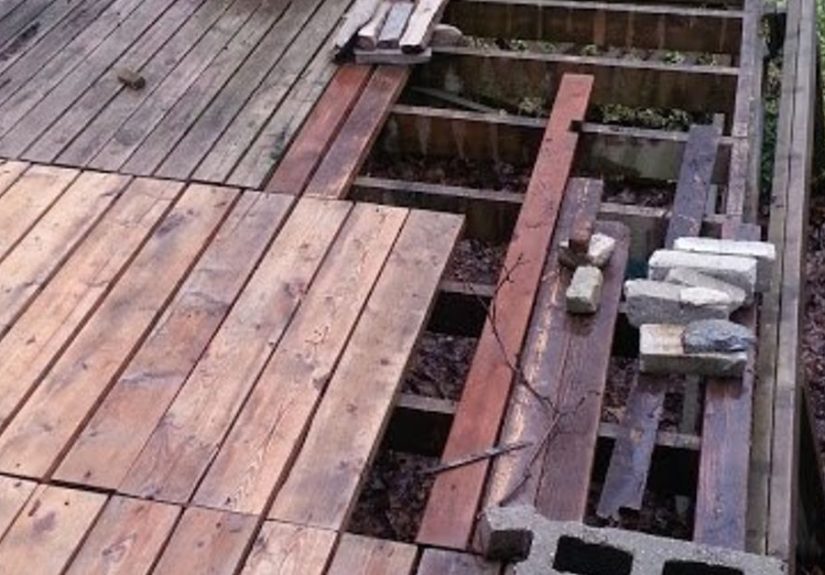
A porch may look charming from the sidewalk while quietly hiding problems underneath. Before renovating, inspect the structure carefully. Look for soft wood, cracked concrete, loose fasteners, rusted hardware, water stains, insect damage, uneven steps, sagging boards, and wobbly railings. If the porch is attached to the house, pay close attention to the ledger board or connection point. This area is a common trouble spot when water damage or improper flashing is present.
If the porch feels bouncy, leans, pulls away from the house, or has visible rot around posts and joists, bring in a qualified contractor or structural professional. Cosmetic upgrades should not cover structural problems. Paint can hide rot for a little while, but unfortunately it does not magically turn bad lumber into good lumber. If it did, every hardware store would sell it in a locked glass case.
Understand Permits and Building Codes
Many porch renovation projects require permits, especially if you are changing the structure, expanding the porch, altering stairs, replacing major framing, adding a roof, or enclosing the space. Permit requirements vary by city, county, and state, so check with your local building department before work begins.
Porch railings and stairs are especially important. In many residential situations, guards are required when a walking surface is more than 30 inches above grade. Residential guardrails are commonly required to be at least 36 inches high, and baluster spacing is often limited so a 4-inch sphere cannot pass through. Stair handrails are commonly set between 34 and 38 inches above the stair nosing. These are common standards, but local codes can differ, so always confirm before construction.
Skipping permits may seem like a shortcut, but it can create problems during home resale, insurance claims, or inspections. A properly permitted porch renovation protects safety and gives future buyers more confidence. Nobody wants a beautiful porch with paperwork hiding in the bushes.
Set a Realistic Porch Renovation Budget
Porch renovation costs vary widely based on size, materials, location, labor rates, structural condition, and design complexity. A light refresh with paint, new lighting, plants, and furniture may cost far less than a full rebuild. A more serious front porch remodel can start in the five-figure range, while larger or more detailed projects with roofing, railings, premium decking, screens, masonry, or custom carpentry can climb much higher.
Budget categories to consider:
- Design or planning fees
- Permit and inspection fees
- Demolition and disposal
- Foundation or footing work
- Framing and structural repairs
- Decking, flooring, or concrete resurfacing
- Railings, stairs, and handrails
- Roofing, gutters, and drainage
- Electrical work and lighting
- Screens, doors, or enclosure systems
- Paint, stain, sealant, and finishing details
- Furniture, planters, rugs, and decor
A smart budget includes a contingency fund. Older porches are famous for saying, “Surprise!” after demolition begins. Hidden rot, undersized footings, outdated wiring, or drainage problems can appear once layers are removed. Planning for unexpected repairs helps prevent panic spending halfway through the project.
Choose Materials That Fit Your Climate and Lifestyle
The best porch materials depend on your weather, budget, maintenance tolerance, and home style. Wood offers warmth and traditional charm, but it needs regular sealing, staining, or painting. Pressure-treated lumber is affordable and common, while cedar, redwood, and tropical hardwoods may offer richer looks at higher prices. Composite decking can cost more upfront but often requires less maintenance over time. Concrete is durable and practical, especially for ground-level porches, while brick, stone, and tile can create a classic or high-end look when properly installed for outdoor conditions.
Popular porch flooring options include:
- Pressure-treated wood: Budget-friendly and widely available, but requires maintenance.
- Cedar or redwood: Attractive natural options with good outdoor character.
- Composite decking: Low-maintenance and resistant to many common outdoor issues.
- Concrete: Durable, practical, and suitable for staining, stamping, or resurfacing.
- Brick or stone: Timeless and elegant, but installation quality matters.
- Outdoor-rated tile: Stylish, but it must be slip-resistant and suitable for freeze-thaw conditions where applicable.
Do not choose materials based only on how they look on a sunny day in a showroom. Think about rain, snow, humidity, pollen, leaves, pets, kids, and the tragic moment someone drops a barbecue sauce-covered plate. Porch materials need to survive real life.
Improve Porch Railings, Columns, and Stairs
Railings, columns, and stairs define the look and safety of a porch. Replacing thin, outdated railings with proportionate wood, metal, cable, or composite systems can dramatically change the home’s appearance. Columns can be repaired, wrapped, widened, or replaced to better match the architecture. Stairs can be rebuilt with deeper treads, stronger handrails, and better lighting.
For traditional homes, wood railings and tapered columns may feel natural. For modern homes, metal railings, simple posts, and clean lines often work better. Farmhouse-style porches may benefit from chunky columns, black accents, and warm wood tones. Craftsman homes usually look best with substantial posts, detailed trim, and honest materials.
Safety should lead design decisions. Wobbly railings are not “rustic.” Uneven steps are not “character.” They are future ankle drama. A strong porch renovation should make the entry feel secure for children, guests, delivery drivers, older relatives, and anyone carrying groceries while questioning their life choices.
Plan for Drainage and Weather Protection
Water is one of the biggest enemies of a porch. Poor drainage can lead to rot, mold, stains, slippery surfaces, foundation issues, and peeling finishes. A renovated porch should slope correctly, move water away from the house, and use flashing where the porch meets the wall. Gutters and downspouts should direct water away from posts, stairs, and footings.
If the porch has a roof, inspect shingles, flashing, fascia, soffits, and gutters. If you are adding a roof, make sure the roofline fits the house and handles local weather loads. A porch roof should look like it belongs, not like it arrived late to the party and attached itself awkwardly.
Lighting Makes a Bigger Difference Than People Expect
Lighting is one of the most powerful porch renovation upgrades. Good lighting improves safety, highlights architectural details, and makes the porch usable after sunset. A single tired bulb by the door may technically count as lighting, but it rarely creates atmosphere. It mostly creates shadows and suspicion.
Useful porch lighting ideas include:
- Wall sconces beside the front door
- Ceiling-mounted fixtures or pendants for covered porches
- Recessed lights for clean overhead illumination
- Step lights for safer stairs
- Path lights leading to the porch
- Warm LED bulbs for a welcoming glow
- Motion-sensor lighting for convenience and security
Choose outdoor-rated fixtures that match the home’s style. Matte black, aged brass, bronze, and classic lantern shapes remain popular because they work with many exterior designs. For coastal or humid climates, select corrosion-resistant finishes.
Screened-In Porch Renovation
A screened porch can turn a buggy outdoor space into a breezy retreat. Screens are especially useful in areas with mosquitoes, flies, heavy pollen, or intense summer sun. Renovating a porch into a screened space may involve adding framing, screen panels, a screen door, ceiling fans, electrical outlets, and weather-resistant flooring.
Screen materials vary. Standard fiberglass screen is affordable and common. Aluminum screen is stronger but may dent. Pet-resistant screen is helpful for homes with cats or dogs who believe every squirrel is a personal invitation. Solar screen can reduce glare and heat, though it may also reduce visibility.
A screened porch should still have good airflow, drainage, and durable finishes. It is protected, but it is not the same as an indoor room. Use outdoor-rated furniture, mildew-resistant cushions, and flooring that can handle humidity.
Design for Curb Appeal
Porch renovation has a major effect on curb appeal. The front porch is one of the first features people notice, and small design choices can make the whole house look more polished. Fresh paint, symmetrical planters, updated house numbers, a better front door color, and clean lighting can make a modest porch feel intentional and charming.
High-impact curb appeal upgrades include:
- Painting or staining the porch floor
- Refreshing trim, columns, and railings
- Adding large planters with seasonal flowers or evergreens
- Replacing old house numbers
- Installing a new mailbox or wall-mounted mail slot
- Choosing a front door color that complements the exterior
- Adding a bench, rocking chairs, or a small bistro set
- Using an outdoor rug to define the seating area
Color matters. Soft whites, warm neutrals, natural greens, deep blues, charcoal, and earthy tones often work well outdoors. Very bright colors can be fun in small doses, but using them across large porch surfaces may overwhelm the house. A bold front door is exciting. A neon porch floor may cause the mail carrier to question your sleep schedule.
Make the Porch Comfortable, Not Just Pretty
A porch that photographs well but feels uncomfortable will not get used. Comfort comes from shade, airflow, seating, privacy, and layout. If the porch faces strong afternoon sun, consider shades, curtains, awnings, ceiling fans, or deeper roof coverage. If it faces the street, use planters, lattice, shrubs, or railing design to create a sense of privacy without closing it off completely.
Furniture should fit the scale of the porch. A small porch may need a slim bench, narrow chairs, or built-in seating. A large porch can handle zones: one area for conversation, another for dining, and perhaps a swing or daybed for heroic weekend lounging. Leave enough walking space near the door so guests do not have to perform furniture gymnastics to enter the house.
DIY vs. Hiring a Professional
Some porch renovation tasks are good candidates for DIY. Painting, staining, decorating, planting, replacing a doormat, adding furniture, and installing simple accessories can be manageable for many homeowners. More complex work, such as structural framing, roof construction, electrical wiring, stair rebuilding, masonry, and major railing installation, is usually better left to licensed or experienced professionals.
A good rule: if the project affects safety, structure, electrical systems, or water management, consider hiring a pro. Saving money is great. Saving money by building stairs that feel like a carnival ride is less great.
Porch Renovation Mistakes to Avoid
One common mistake is focusing on decoration before structure. Another is choosing trendy materials that do not match the home. Oversized furniture, poor lighting, slippery flooring, skipped permits, weak railings, and bad drainage can also turn a promising renovation into a maintenance headache.
Avoid these common porch renovation errors:
- Ignoring rot, cracks, or structural movement
- Using indoor furniture outdoors
- Choosing slick flooring for wet areas
- Blocking the front door with oversized seating
- Forgetting outlets, lighting, or ceiling fans
- Skipping local permit requirements
- Installing railings that do not meet code
- Painting over moisture problems instead of fixing them
Maintenance After Renovation
A porch renovation does not end when the last paintbrush is washed. Regular maintenance keeps the porch safe and attractive. Sweep debris, clean stains quickly, inspect boards and fasteners, check railings, clear gutters, trim nearby plants, and reseal or repaint surfaces as needed. Wood porches need more attention than composite or concrete surfaces, but every material benefits from routine care.
Inspect the porch at least once a year and after severe storms. Look for loose boards, rusted connectors, water pooling, cracked steps, peeling paint, and signs of insects. Small fixes are usually cheaper than major repairs later. A porch is like a car, a roof, or a houseplant named Kevin: neglect it long enough and it will make its feelings known.
Real Experiences and Practical Lessons From Porch Renovation
One of the biggest lessons homeowners learn during porch renovation is that the porch has a memory. It remembers every storm, every clogged gutter, every planter that trapped moisture against the floor, and every year someone said, “We’ll fix that next spring.” When renovation begins, those old decisions often show up. That is why experienced renovators start with inspection, not inspiration photos.
For example, a homeowner may plan a simple weekend refresh: sand the floor, repaint the railings, add a swing, and enjoy lemonade by Sunday. Then sanding reveals soft boards near the steps. Removing those boards reveals a joist with water damage. Suddenly the “quick refresh” becomes a repair project. It is frustrating, but it is also the right moment to fix the real issue. Covering damage with new paint would only postpone the problem and make the next repair more expensive.
Another common experience is underestimating the importance of scale. A porch can look larger when empty than it feels after furniture arrives. Many homeowners buy deep outdoor chairs, a coffee table, side tables, planters, and a porch swing, only to discover the front door barely opens without bumping into a cushion. Measuring before buying is not glamorous, but it saves money and prevents the porch from becoming an obstacle course with throw pillows.
Lighting is another upgrade people often wish they had planned earlier. During renovation, it is easier to add wiring for sconces, ceiling fans, outlets, or recessed lighting. After the ceiling is finished, adding electrical features can become more complicated and expensive. Homeowners who use their porch in the evening often say lighting changed the space more than expected. It makes the porch feel safer, warmer, and more like a true outdoor room.
Material choice also teaches practical lessons. Natural wood is beautiful, but it asks for care. In damp climates, shaded porches may need frequent cleaning and sealing. In sunny regions, darker finishes can become hot under bare feet. Composite materials reduce maintenance, but they should still be chosen carefully for texture, heat performance, and appearance. Concrete is tough, but cracks and stains need attention. Every material has a personality. Some are low-maintenance friends. Others are charming divas.
Homeowners renovating older houses often learn that matching the home’s character matters. A sleek modern railing may look fantastic online but feel strange on a century-old cottage. On the other hand, a traditional porch design can make a simple home feel more established and inviting. The goal is not to copy the past perfectly. It is to make the porch look as though it belongs to the house instead of being borrowed from a different neighborhood.
One very practical experience is the value of sequencing. Structural repairs should come first, followed by roofing or drainage, then flooring, railings, electrical work, paint, and finally furniture and decor. When the order is wrong, finished surfaces get damaged or work has to be repeated. For instance, painting before fixing drainage may lead to peeling. Installing furniture before completing sanding may lead to dust-covered cushions and mild regret.
Finally, many porch renovation projects prove that small changes can feel surprisingly big. A new handrail, fresh floor stain, wider steps, warm lighting, and two comfortable chairs can transform the way a home feels. The porch becomes a place to pause, wave to neighbors, drink coffee, read, or watch a rainstorm without getting personally involved. That is the real win. A successful porch renovation does not just improve the house; it improves the little daily moments that happen right outside the door.
Conclusion
Porch renovation is one of the most rewarding home improvement projects because it blends curb appeal, comfort, safety, and usable outdoor living space. The best results come from thoughtful planning: inspect the structure, understand permits, choose durable materials, improve lighting, respect the home’s style, and design around real everyday use.
A renovated porch should feel sturdy underfoot, welcoming from the street, comfortable in the evening, and easy to maintain over time. Whether you are restoring an old front porch, adding screens, upgrading stairs, or creating a cozy outdoor room, the right approach turns a simple entry area into one of the most loved spaces in the home. And yes, it may also become the official headquarters for coffee, packages, plants, and neighborhood observation. Every great porch needs a job.






 Close
Close