Table of Contents >> Show >> Hide
- Why a Pink Hutch Works So Well
- Choosing the Right Shade of Pink
- How to Paint a Hutch the Right Way
- How to Style a Pretty in Pink Hutch
- Best Places to Use a Pink Hutch
- Mistakes to Avoid
- Pretty in Pink Hutch: The Look That Balances Charm and Function
- Experiences That Make a Pretty in Pink Hutch Worth It
Some furniture pieces are practical. Some are pretty. And then there is the pretty in pink hutch, which boldly refuses to choose just one personality trait. It stores the good plates, hides the random chargers, displays your favorite glassware, and somehow makes the room look like it finally got its life together. Not bad for one hardworking cabinet with a flair for drama.
A pink hutch is not just a cute trend piece. When done well, it becomes a smart storage solution, a color statement, and a visual anchor all at once. Design experts have been leaning back into hutches because they offer that increasingly rare combination of charm and function: open display up top, closed storage below, and enough personality to rescue a room from beige boredom. Add the right pink, and suddenly the piece feels fresh, soft, and surprisingly sophisticated rather than sugary or childish.
This is where many people pause. Pink? For a hutch? In a real house with real dishes and real clutter? Yes. Absolutely yes. The secret is choosing the right shade, giving the piece a proper finish, and styling it like a grown-up piece of furniture rather than a Valentine’s Day craft project. Done right, a pink hutch can feel cottagey, modern, vintage, grandmillennial, eclectic, or farmhouse-chic with excellent manners.
Why a Pink Hutch Works So Well
A hutch already has strong visual presence. It is taller than a sideboard, more decorative than a standard cabinet, and more flexible than many built-ins. That is exactly why pink works here. Instead of trying to paint an entire room in a rosy shade and hoping the walls do not start shouting at the furniture, you can use the hutch as a controlled color moment.
Soft pinks act almost like neutrals when they lean dusty, muted, or pastel. They warm up a room without making it feel heavy. In a dining room, a pink hutch can soften hard finishes like wood floors, stone countertops, black metal lighting, or white walls. In a kitchen, it can make cabinetry feel less rigid and more collected over time. In a breakfast nook, it creates instant personality even if the rest of the room is working with a modest budget and a suspiciously stubborn overhead light.
There is also a practical advantage. Hutches are often vintage, secondhand, inherited, or thrifted. Translation: they are the perfect candidates for a makeover. If the piece is not a valuable antique, paint can breathe new life into scratched finishes, outdated stains, and hardware that has seen things. Pink gives that makeover a point of view.
Choosing the Right Shade of Pink
Blush Is the Safe Charmer
If you want a pink painted hutch that feels timeless, start with blush. Think soft, quiet, flattering pink with enough gray or beige in it to behave nicely around wood tones and white dishes. Blush works beautifully in traditional dining rooms, cottage kitchens, and homes where you want warmth without a full-on color explosion.
Dusty Rose Adds Depth
Dusty rose is the grown-up cousin of bubblegum pink. It has a little mood, a little history, and looks especially good with brass hardware, aged wood, cane, and linen. If your room already has layered neutrals, antiques, or vintage-inspired details, this is your move.
Pale Pastel Feels Airy
Pastel pink can work brilliantly too, especially in small rooms where you want a hutch to brighten the space rather than weigh it down. The trick is balance. Pair pale pink with crisp white, warm cream, soft greige, natural oak, or rattan so the piece feels fresh and elevated rather than like it wandered in from a dollhouse looking for attention.
What Colors Pair Best With a Pretty in Pink Hutch?
The easiest companions are white, ivory, mushroom, taupe, greige, pale wood, natural fibers, and muted green. Those combinations keep the room calm and polished. Want more contrast? Pink also plays well with black, navy, deeper green, and warm brass. That mix gives a pink hutch more edge and keeps it from feeling overly sweet. In other words, let the pink flirt a little, but give it grounded friends.
How to Paint a Hutch the Right Way
Here comes the unglamorous truth: the dreamy final look depends on very boring prep. Nobody posts the thrilling “wiped off sanding dust” phase on social media, yet that is exactly what separates a polished finish from a peeling disaster.
Step 1: Clean Like You Mean It
Before painting, remove hardware, empty the piece, and clean every surface thoroughly. Older hutches collect wax, grease, mystery residue, and enough dust to start a side hustle. Paint does not bond well to grime, and grime is undefeated when ignored.
Step 2: Sand for Adhesion, Not for Sport
You usually do not need to sand the hutch into another dimension. A light sanding is enough to dull the old finish and help primer grip. On MDF or particleboard components, be especially careful and consistent. You want the surface smooth and ready, not shredded and regretful.
Step 3: Prime First, Thank Yourself Later
Primer is not a scam invented by paint companies. It helps with coverage, durability, and stain blocking, especially on dark wood, glossy finishes, or pieces with tannin bleed. Under lighter pink shades, a light primer is your best friend. It helps the color stay true and keeps you from painting coat number seven while muttering at the furniture.
Step 4: Use Thin, Even Coats
Whether you use a brush, mini roller, or sprayer, thin even coats win the race. Thick coats cause drips, texture problems, and that heartbreaking “looks smooth from far away” finish. Paint the interior back panel if you want a full color statement, or leave the inside neutral for a softer contrast.
Step 5: Don’t Skip the Finish Details
Once the paint cures, update the hardware if needed. A pink hutch with unloved knobs can feel like wearing heels with a bathrobe. Brass, antique bronze, black iron, crystal, or ceramic knobs all work depending on your style. If the piece will see heavy everyday use, a protective topcoat may be worth it, especially on shelves, drawers, and doors.
How to Style a Pretty in Pink Hutch
Styling makes the difference between “collected and chic” and “grandma’s cabinet after a yard sale.” A hutch should look curated, not crammed. The goal is visual rhythm: practical items, negative space, a little texture, and a clear color story.
Start With Everyday Function
Decide what the hutch needs to do first. Is it storing dishes? Serving as a coffee bar? Acting as a mini pantry? Holding linens, cookbooks, and glassware? The answer should guide the styling. Pretty is good. Useful is better.
Top Shelves: Display the Stars
Use the open upper section for attractive items you actually love seeing. Stack white plates, display pretty mugs, lean framed art, add a small vase, a bowl, or a few cookbooks. Group items by tone or material so the display feels intentional. A pink hutch looks especially lovely with white ceramics, clear glass, brass accents, woven baskets, pale wood, and soft green stems.
Middle Zone: Leave Breathing Room
Do not fill every inch. Empty space is what makes the display look expensive. Leave room between stacks. Vary heights. Mix vertical items like books or boards with rounder forms like bowls and pitchers. Think edited, not crowded.
Bottom Cabinets: Hide the Real-Life Stuff
The lower storage is where you tuck away the less photogenic essentials: serving platters, paper goods, cords, seasonal items, backup candles, and that one tray you swear you use more often than you actually do. Baskets and bins help keep the hidden section organized, which is excellent because chaos behind closed doors is still chaos.
Best Places to Use a Pink Hutch
Dining Room
This is the classic spot, and for good reason. A pink dining room hutch can store dishes, serveware, linens, and barware while acting as the room’s focal point. Pair it with a wood table and simple upholstered chairs for a balanced look.
Kitchen
Need more storage but not a full renovation? A hutch can behave like freestanding cabinetry. It can hold mugs, dry goods, cookbooks, glassware, and small appliances while making the kitchen feel layered rather than builder-basic.
Breakfast Nook or Coffee Station
A smaller hutch in pink can become a cheerful coffee bar, tea station, or brunch corner. Add trays, canisters, cups, and a lamp, and suddenly the morning routine feels less like a sprint and more like a lifestyle.
Living Room or Entry
Yes, a hutch can leave the dining room. Use one as a bookcase-display hybrid, an entry storage piece, or even a stylish command center. Hutches are having a moment precisely because they are so adaptable.
Mistakes to Avoid
Choosing the wrong pink: A pink that is too bright or too cool can fight the rest of the room. Test samples first and watch them in morning and evening light.
Ignoring undertones: Pink interacts strongly with surrounding neutrals, wood tones, and lighting. What looks blush in the store can turn peachy, beige, or oddly purple at home.
Overstyling the shelves: If every surface is packed, the hutch stops feeling elegant and starts feeling stressed.
Using only open storage logic: Displaying everything is not organization. It is just visible chaos wearing pearls.
Painting a true antique without thinking: Some pieces should be preserved, not painted. If the hutch is rare, historically valuable, or deeply significant, consult a professional before giving it the pink treatment.
Pretty in Pink Hutch: The Look That Balances Charm and Function
The magic of a pretty in pink hutch is that it does not ask you to choose between beauty and usefulness. It offers both. It softens a room, adds storage, refreshes an old piece, and gives everyday objects a more intentional home. It can feel romantic, playful, elegant, vintage, or modern depending on the shade and styling choices you make.
Most of all, it proves that functional furniture does not have to be boring. A hutch can hold your dishes and your design confidence at the same time. And frankly, that is the kind of multitasking we should all support.
Experiences That Make a Pretty in Pink Hutch Worth It
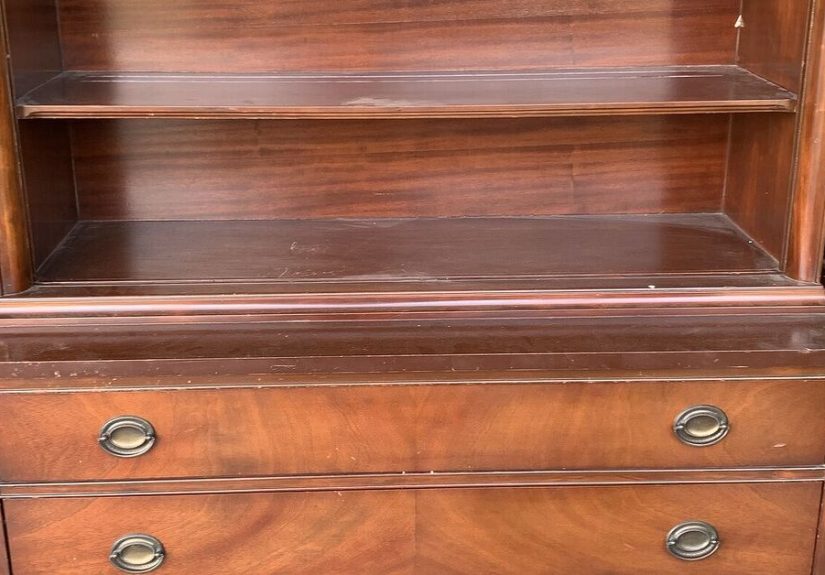
Living with a pretty in pink hutch is one of those design decisions that often feels bolder in theory than it does in real life. Before the makeover, the piece usually looks heavy, dark, dated, and maybe a little apologetic, as if it has spent the last ten years trying not to be noticed in a corner. Then the paint goes on, the hardware changes, the shelves get styled, and suddenly the hutch is not the awkward extra anymore. It becomes the piece people mention first.
One of the most common experiences with a pink hutch is surprise at how flexible it is. What starts as a dining room storage cabinet often becomes the room’s anchor. White plates look cleaner against it. Glassware catches more light. Green stems and flowers look fresher. Even a stack of neutral linen napkins somehow appears more intentional, which is a delightful trick for anyone whose previous decorating strategy was “put it somewhere and hope for the best.”
There is also the emotional side of it. A pink hutch tends to change the mood of the room. Soft pink does not scream for attention the way a louder color might. Instead, it warms the space quietly. Morning coffee feels cozier. Setting the table feels a little more ceremonial. Holiday decorating gets easier because the hutch already provides a built-in backdrop. In spring, it looks airy and charming with bud vases and pale dishes. In fall, it works with brass, wood, and deeper florals. During the holidays, it can handle garland, candles, and vintage ornaments without looking costume-y.
Another real experience people notice is that a pink hutch encourages better organization. When a piece is beautiful, you tend to maintain it. You edit what goes on the shelves. You stop stuffing random papers between serving bowls. You use baskets in the lower cabinets. You finally admit that not every mug deserves front-row placement. In that sense, the pink hutch is not just pretty furniture. It is mild peer pressure in cabinet form.
Guests react to it, too. They ask where it came from. They assume it was expensive, even if it began as a thrift-store rescue or a family hand-me-down with questionable varnish and even more questionable knobs. That is part of the appeal. A painted hutch feels custom, and custom-looking pieces bring a room to life faster than a dozen generic decor purchases ever could.
Perhaps the best experience, though, is the sense that the room becomes more personal. A pretty in pink hutch does not look accidental. It says someone made a choice here. Someone cared. Someone understood that storage can be practical and still have style. And in a home full of necessary furniture, that kind of personality matters. It turns an ordinary cabinet into a conversation piece, a workhorse, and a little daily reminder that useful things can still be delightful.