
Table of Contents >> Show >> Hide
- Meet the Cuts: Where These Steaks Come From
- Flavor, Texture, and Marbling
- Cooking Methods: How Each Steak Performs in the Kitchen
- Nutrition: Prime Rib Steak Vs. New York Strip Steak
- Cost, Portions, and When to Use Each Cut
- Prime Rib Steak Vs. New York Strip Steak: Side-by-Side Comparison
- How to Choose at the Butcher or Grocery Store
- Which One Should You Choose?
- Real-World Steak Experiences: Cooking Both Like a Pro
- Conclusion: Know Your Steak Personality
Stand in front of the meat case long enough and you’ll eventually face life’s big question:
prime rib steak or New York strip steak? It’s like choosing between a luxury
SUV and a sporty sedan. Both are excellent; they just shine in different situations.
In this guide, we’ll break down where each cut comes from, how they taste, the best ways to cook
them, their nutrition and cost, and when you should pick one over the other. By the end, you’ll
be able to walk up to the butcher (or your favorite steakhouse server) and order with absolute
confidence instead of pointing and whispering, “Uh… that one.”
Meet the Cuts: Where These Steaks Come From
What Exactly Is Prime Rib Steak?
Prime rib comes from the rib primal of the cow, the section located
between the chuck (shoulder) and the loin. A classic prime rib roast is a large hunk of beef
with several ribs still attached. When you slice that roast into individual steaks, those steaks
are basically ribeye steaksthe same long, tender muscle with generous marbling
running through it.
You’ll often see the term “prime rib” on menus around the holidays, but the word “prime” here
doesn’t always refer to the USDA “Prime” grade. It usually points to the premium rib section of
the animal. USDA Prime beef, on the other hand, is a grading term that means the meat has
abundant marbling and comes from young, well-fed cattle.
In everyday cooking, people use “prime rib steak” to describe:
- A thick, steak-sized slice cut off a prime rib roast, or
- A ribeye steak that has that same rich, buttery character you expect from prime rib.
What Is a New York Strip Steak?
The New York strip steak comes from a different neighborhood: the
short loin, an area just behind the ribs along the cow’s backbone. This region doesn’t
do a lot of heavy lifting, so the meat stays tender, yet the strip steak keeps a firmer, more
structured bite than a ribeye.
Depending on where you are, the strip steak might also be called:
- New York strip
- Strip loin steak
- Shell steak
- Kansas City strip (usually bone-in)
- Club steak
This cut is famous in steakhouses because it hits a sweet spot: a good amount of marbling,
strong beefy flavor, and a satisfying chew without being overly fatty.
Flavor, Texture, and Marbling
Prime Rib Steak: Buttery and Luxurious
Prime rib (and ribeye steaks cut from it) is the drama queen of beefin the best way. This cut
is known for its abundant marbling: thin streaks of fat running through the
meat. When cooked, that fat melts and bastes the meat from the inside, giving you:
- A rich, buttery flavor
- Exceptional juiciness
- A soft, almost “melt-in-your-mouth” texture, especially toward the center
Because it has more internal fat than leaner cuts, prime rib steak tends to feel indulgent and
decadent. Many steak lovers pick it when they want a special-occasion, “wow factor” bite rather
than something they’d eat every single week.
New York Strip Steak: Bold and Beefy
The New York strip is usually leaner than a prime rib or ribeye, but it still
has enough marbling to keep things juicy. It typically has:
- A firmer, more structured bite
- Pronounced, “classic steakhouse” beef flavor
- A fat cap along one side instead of heavily marbled fat throughout
Many butchers and steak experts describe the strip as leaner and denser, with a bold flavor that
really shines when you put a good sear on it.
If you’re the type who trims off extra fat but still wants serious flavor, the strip is often
the better match for your taste buds.
Cooking Methods: How Each Steak Performs in the Kitchen
Cooking Prime Rib Steak
Traditional prime rib roasts are often cooked “low and slow” in the oven, sometimes finished
with a blast of high heat or a reverse sear to crisp up the outside.
When you’re working with a prime rib steak or ribeye, many of the same principles apply, but
on a smaller scale.
Prime rib steak responds beautifully to:
- Cast-iron pan searing with butter, garlic, and herbs
- Grilling over medium-high heat for a deep crust and smoky flavor
- Reverse searing: gentle oven or indirect grill heat, then a scorching hot
finish
Because of the extra fat, prime rib steak is forgiving. Overcook it a little and it often still
tastes good. The fat helps keep it juicy even if you drift slightly past medium-rarethough most
steak fans will still tell you medium-rare is the sweet spot.
Cooking New York Strip Steak
New York strip steak likes high heat and quick cooking. It’s ideal for:
- Grilling over high direct heat
- Pan-searing in a heavy skillet, followed by a brief oven finish if thick
- Broiling under a hot oven broiler
Because the strip is leaner, you want to avoid drying it out. Aim for medium-rare to medium and
let the steak rest for at least 5 to 10 minutes so the juices redistribute. Remember that fat cap
along one side? Sear that side toorendering some of that fat adds flavor and helps the rest of
the steak baste in its own deliciousness.
Nutrition: Prime Rib Steak Vs. New York Strip Steak
All steak is a rich source of protein, iron, zinc, and B vitamins. The main nutritional
difference between prime rib steak and New York strip steak is
the amount of fat and total calories.
Nutrition data from USDA-based sources and steak-focused guides show that a typical 4-ounce
raw New York strip steak contains roughly:
- About 150–160 calories
- Around 25 grams of protein
- About 5 grams of fat
A similar 4-ounce portion of ribeye (comparable to prime rib steak in fat content) can be closer
to:
- About 240–250 calories
- A bit over 20 grams of protein
- Roughly 17 grams of fat
Keep in mind that prime rib roasts often include extra external fat and bones, so actual
“plate-ready” calories depend on how much fat you trim and how large your slice is.
In simple terms:
- Prime rib steak: higher in fat and calories, ultra rich and indulgent.
- New York strip: leaner, slightly higher protein per ounce, still flavorful
but less heavy.
If you’re watching your fat intake or trying to keep things lighter, the strip steak usually wins.
If you’re doing a high-fat, low-carb approach or it’s a special occasion, prime rib steak might
feel absolutely worth the splurge.
Cost, Portions, and When to Use Each Cut
Prices vary depending on grade (Prime vs. Choice), store, and whether you’re buying bone-in or
boneless. However, some general patterns hold up:
- Prime rib roast can be pricey overall, but it feeds a crowd, making it ideal
for holidays or celebrations. - Prime rib steak / ribeye tends to be one of the more expensive steaks per
pound because of the fat and tenderness. - New York strip steak is often slightly cheaper than ribeye, though still a
premium cut compared to sirloin or chuck steaks.
For a dinner party, a whole prime rib roast or several prime rib steaks feels like a centerpiece.
For a regular Friday night cookout where you want great steak without going full “holiday feast,”
New York strip is the practical hero.
Prime Rib Steak Vs. New York Strip Steak: Side-by-Side Comparison
| Feature | Prime Rib Steak | New York Strip Steak |
|---|---|---|
| Where it comes from | Rib primal (same area as ribeye) | Short loin, just behind rib section |
| Marbling | High; fat woven throughout the meat | Moderate; fat cap on one side, less internal marbling |
| Flavor | Rich, buttery, luxurious | Bold, beefy, slightly leaner taste |
| Texture | Very tender, soft, juicy | Tender but firmer, more structured bite |
| Best cooking methods | Low-and-slow roasting, reverse sear, cast-iron sear | High-heat grilling, pan-searing, broiling |
| Calories & fat (per 4 oz raw) | Higher calories and fat (similar to ribeye) | Lower calories and fat, slightly higher protein |
| Best for | Special occasions, rich flavor lovers, “treat yourself” meals | Regular steak nights, bold-flavor fans, lighter-option seekers |
How to Choose at the Butcher or Grocery Store
Choosing Prime Rib Steak
Look for:
- Visible marbling across the steak, not just a big edge of fat
- Even thickness so it cooks consistently
- Bright, cherry-red color with creamy white fat
- A grade like USDA Choice or Prime if your budget allows
Choosing New York Strip Steak
Key signs of a good strip:
- Nice fat cap along one side without being overwhelmingly thick
- Some internal marbling, even if not as heavy as a ribeye
- At least 1 to 1.5 inches thick for easier temperature control
- Again, a reputable grade and source you trust
Which One Should You Choose?
When it comes to prime rib steak vs. New York strip steak, there’s no absolute
winneronly the right choice for a specific situation.
Choose prime rib steak if:
- You love rich, fatty, ultra-juicy meat.
- You’re planning a celebratory meal or holiday dinner.
- You don’t mind a higher calorie count in exchange for decadence.
Choose New York strip steak if:
- You prefer a firmer, classic steakhouse chew.
- You want something a bit leaner but still full of flavor.
- You’re cooking for a regular weeknight or casual backyard cookout.
And if you still can’t decide? Get one of each, slice them, and let everyone vote. The only
“wrong” answer is not eating steak at all.
Real-World Steak Experiences: Cooking Both Like a Pro
Let’s imagine you’re hosting a small dinner and decide to make it a friendly showdown:
prime rib steak on one side of the grill, New York strip on the other. Here’s how that night
might play outand what you can learn from it.
First, you pull the steaks out of the fridge about 45 minutes before cooking to let them come
closer to room temperature. The prime rib steaks look thick and heavily marbled, like someone
cross-bred a steak with a luxury pillow. The New York strips sit beside them, leaner and more
rectangular, like they’re ready for a business meeting and a good sear.
You season both cuts simply with kosher salt and freshly ground black pepper. The prime rib
steaks get a little extra love: maybe a drizzle of oil and a rub of minced garlic and rosemary.
They can handle those stronger flavors because they’re rich and fatty. The strip steaks, on the
other hand, are all about that pure beef character, so you keep the seasoning minimal and let the
grill smoke do the talking.
On the grill, you set up two zones: high heat directly over the flames and a cooler indirect
side. The prime rib steaks start on the indirect heat. You let them slowly come up toward medium-rare,
checking occasionally with an instant-read thermometer. When they’re close to your target
temperature, you slide them over to the hot zone and give them a dramatic, sizzling sear on both
sides. Flames lick at the fat, and the outside develops a deep, mahogany crust.
The strip steaks, meanwhile, thrive on the hot side from the beginning. You lay them down, hear
that satisfying sizzle, and let them sear undisturbed to build a flavorful crust. After a couple
of minutes, you rotate them for those nice crosshatch grill marks, flip, and repeat. Because the
strips are leaner, you pay close attentionovercooking them would push them from pleasantly firm
to uncomfortably chewy.
Once both types of steak reach your desired doneness (let’s say a juicy medium-rare), you move
them to a platter, tent them loosely with foil, and force yourself not to slice into them for at
least 10 minutes. This rest is where the magic happens; the juices that were racing toward the
surface calm down and redistribute, so your first cut doesn’t turn into a steak-flavored
waterfall on the cutting board.
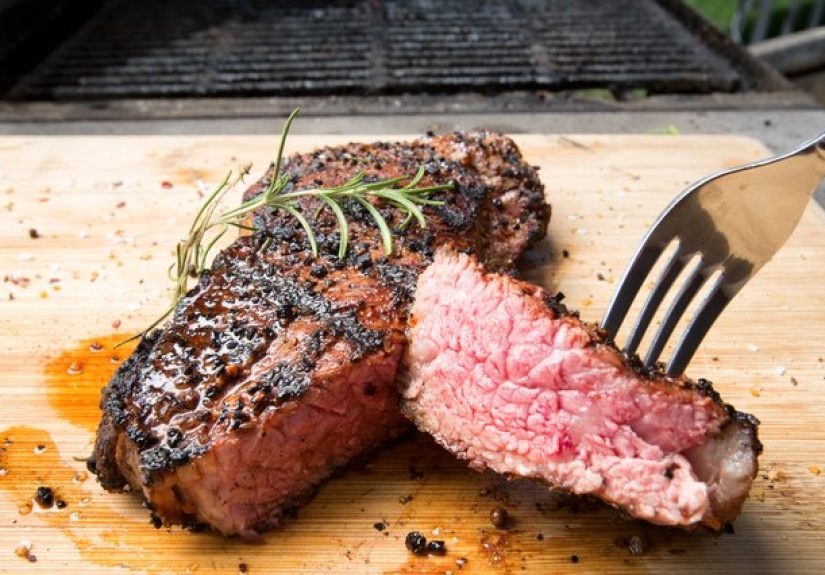
When it’s finally time to serve, you slice the prime rib steaks against the grain into thick,
luscious slabs. The interior glows rosy pink, with shimmering fat running through the meat. A
bite practically melts on your tongue, leaving behind a rich, buttery finish. Guests who love
indulgence immediately stake their claimno pun intendedon the pieces with the most marbling.
Then you slice the New York strip steaks. The cross-sections show a tighter grain and a slightly
darker band of crust. The flavor is deep and beefy, with a bit more chew that makes you feel
like you’re really eating steak, not steak-flavored butter. The leaner friends at the table gravitate
toward these slices, happy to get bold flavor without feeling like they’ve signed up for a food
coma.
By the end of the night, everyone has a favorite, but nobody is disappointed. The prime rib
steaks win for pure luxury; the New York strips win for balance and everyday appeal. As the host,
you realize the real “winner” is knowing how each cut behaves so you can pick the right one for
the right moodfancy dinner, casual cookout, or a solo “I survived this week” steak night.
The experience highlights the core lesson: prime rib steak vs. New York strip steak
isn’t about better or worse. It’s about matching flavor, fat, texture, and cooking method to your
taste and the occasion. Once you understand that, you’ll never again stare blankly at the meat
counter. You’ll head straight for the cut that fits your planand maybe even grab both when you
feel like hosting your own steak showdown.
Conclusion: Know Your Steak Personality
If you crave rich, velvety, “treat yourself” steak with lots of marbling, prime rib steak is your
soulmate. If you want a leaner, firm, deeply beefy cut that works for both date night and Tuesday
night, New York strip steak is your reliable best friend. Learn what you like, choose the right
cut, cook it with care, and you really can’t lose.







 Close
Close