
Table of Contents >> Show >> Hide
- What is a random glucose test (and what does it actually measure)?
- Normal random glucose levels: what’s “typical,” what’s “concerning”?
- Reasons for random glucose testing: why clinicians order it
- 1) You have symptoms that could be high or low blood sugar
- 2) Triage in urgent care or the emergency room
- 3) Monitoring known diabetes (or adjusting a plan)
- 4) Medication side effects (yes, your prescription can mess with glucose)
- 5) Pregnancy screening and follow-up
- 6) Routine health checks (especially with risk factors)
- What to expect during the test (and how to make the result more useful)
- What can throw off a random glucose result?
- What happens after you get a number?
- Quick FAQ (because everyone asks)
- Experiences with random glucose testing (real-life scenarios people relate to)
- The urgent care surprise: “I came in for a UTI… and left thinking about glucose.”
- The steroid bump: “My blood sugar wasn’t ‘me’ anymore.”
- The “I feel fine” lesson: symptoms don’t always match the number
- Pattern spotting: “The number wasn’t the pointwhat it did over time was.”
- The “tech reality check”: fingersticks, CGMs, and the value of confirmation
- Conclusion
“Random glucose test” sounds like you grabbed a number out of a hat. In reality, it’s the opposite: it’s a quick blood sugar check taken at any time of daybefore lunch, after lunch, during a stressful meeting, or while you’re sitting in an urgent care lobby wondering why the vending machine is suddenly the most interesting thing you’ve ever seen.
Random glucose testing can be incredibly useful because it’s fast and doesn’t require fasting. But “fast” doesn’t mean “final.” Your result needs contextespecially when you recently ate, you’re sick, or you’re on certain medications. This guide explains what a random glucose test is, what “normal” can look like, what numbers may signal a problem, and why clinicians use this test so often.
What is a random glucose test (and what does it actually measure)?
A random glucose test measures the amount of glucose (sugar) in your blood at the moment your blood is drawn or your finger is checked. It’s also called a random (casual) plasma glucose test when done through a lab sample, or a capillary glucose check when done via a fingerstick meter.
Random vs. fasting vs. A1C vs. OGTT
It helps to know what random glucose can and can’t tell you:
- Random glucose: A snapshot “right now” reading. Great for quick triage and symptom checks.
- Fasting blood glucose: Taken after at least 8 hours without food. Better for screening and diagnosis.
- A1C: An average of your blood sugar over ~2–3 months. Useful for diagnosing and long-term tracking.
- Oral glucose tolerance test (OGTT): Measures response to a measured glucose drink over time. Used for diagnosis and pregnancy screening.
Plasma (lab) vs. fingerstick (meter): why numbers might differ
A lab test typically measures glucose in plasma from venous blood. Home meters use capillary blood from a fingertip. They’re both useful, but they aren’t identical. Your hydration, circulation, and even how clean your hands are can nudge a fingerstick number up or down. If a reading is surprisingor important for a medical decisionclinicians often confirm with a lab value.
Normal random glucose levels: what’s “typical,” what’s “concerning”?
Here’s the tricky truth: a random glucose “normal range” depends on when you last ate, what you ate, your activity level, stress hormones, illness, and your baseline insulin sensitivity. So instead of a single magic number, it’s better to think in zones.
Common reference points (mg/dL and mmol/L)
In the U.S., glucose is usually reported in mg/dL. Many other countries use mmol/L. A quick conversion: mmol/L ≈ mg/dL ÷ 18.
- Fasting “normal” (for reference): about 70–99 mg/dL (3.9–5.5 mmol/L).
- Random glucose “often seen” in people without diabetes: frequently ≤125 mg/dL (≤6.9 mmol/L), depending on meal timing.
- Two hours after eating (a helpful benchmark): many people without diabetes are <140 mg/dL (<7.8 mmol/L).
Notice what’s missing? A “prediabetes range” for random glucose. Prediabetes is usually identified using A1C, fasting glucose, or OGTTnot a single random number.
When does a random glucose suggest diabetes?
A random glucose result of 200 mg/dL (11.1 mmol/L) or higher can be strongly suggestive of diabetes when accompanied by classic symptoms of high blood sugar (hyperglycemia). Those symptoms often include:
- Unusual thirst and frequent urination
- Blurred vision
- Unexplained weight loss
- Extreme fatigue
- Nausea or abdominal discomfort (especially if severe)
If you have a high random glucose but no symptoms, clinicians typically confirm with repeat testing and/or use A1C or fasting glucose to make the diagnosis. Translation: one number rarely gets the final say (unless the situation is urgent).
Low numbers matter too: hypoglycemia basics
Low blood glucose (hypoglycemia) is commonly defined as below 70 mg/dL (3.9 mmol/L). Some guidelines also describe:
- Level 1: <70 mg/dL but ≥54 mg/dL (3.0 mmol/L)
- Level 2: <54 mg/dL
- Level 3: severe symptoms requiring help from another person
Hypoglycemia is most common in people using insulin or certain diabetes medications, but it can happen in other situations too (for example, prolonged exercise without enough fuel, or certain medical conditions).
A practical interpretation table
| Random glucose result | mmol/L (approx.) | What it may mean | Common next step |
|---|---|---|---|
| <70 mg/dL | <3.9 | Low blood sugar (hypoglycemia) | Recheck, treat if symptomatic; discuss causes/meds |
| 70–125 mg/dL | 3.9–6.9 | Often seen in people without diabetes (depends on meal timing) | Usually no urgent action; consider context and risk factors |
| 126–199 mg/dL | 7.0–11.0 | Could reflect a recent meal, stress/illness, or impaired glucose handling | Consider repeat testing, A1C, or fasting glucose if risk is present |
| ≥200 mg/dL | ≥11.1 | Concerning; with classic symptoms may meet criteria for diabetes | Clinical evaluation; confirm with repeat/A1C/fasting labs |
Important: reference ranges can vary by lab and clinical situation. The goal is not to self-diagnose, but to understand why a clinician may order follow-up testing.
Reasons for random glucose testing: why clinicians order it
Random glucose tests show up everywhereprimary care visits, emergency departments, pre-op checklists, and even workplace health screeningsbecause they’re quick and informative when time matters.
1) You have symptoms that could be high or low blood sugar
If someone comes in with classic hyperglycemia symptoms (thirst, frequent urination, blurry vision, fatigue), a random glucose can quickly support or rule out high blood sugar as a contributor. Similarly, shakiness, sweating, sudden hunger, confusion, or dizziness can trigger a rapid glucose check for hypoglycemia.
2) Triage in urgent care or the emergency room
In urgent settings, clinicians often need a fast read on what’s happening. A random glucose can help evaluate:
- Dehydration or vomiting
- Confusion or altered mental status
- Severe infection (illness stress can raise glucose)
- Possible undiagnosed diabetes
- Diabetes-related emergencies (when combined with other labs)
3) Monitoring known diabetes (or adjusting a plan)
People living with diabetes may use fingerstick checks (or continuous glucose monitors) to understand patterns: how breakfast behaves, what workouts do, whether a new medication is causing lows, or why bedtime numbers keep drifting upward like a balloon with big dreams.
4) Medication side effects (yes, your prescription can mess with glucose)
Some medications can raise blood sugar in certain people. Common examples include: steroids (like prednisone), some antipsychotics, and others. If you start one of these medsespecially if you already have diabetes risk factorsa clinician may check random glucose to catch unexpected elevations early.
5) Pregnancy screening and follow-up
Pregnancy involves major hormone shifts that can affect insulin sensitivity. While gestational diabetes screening is usually done with specific glucose challenge or tolerance tests, random glucose checks can appear in prenatal care when symptoms, risk factors, or other results suggest glucose issues need a closer look.
6) Routine health checks (especially with risk factors)
Random glucose isn’t the gold-standard screening test, but it can flag a “hey, let’s look deeper” momentparticularly if someone has risk factors like a strong family history, a history of gestational diabetes, elevated weight around the waist, high blood pressure, or abnormal cholesterol.
What to expect during the test (and how to make the result more useful)
Random glucose testing is straightforward:
- Lab draw: blood from a vein (often in the arm), analyzed as plasma glucose.
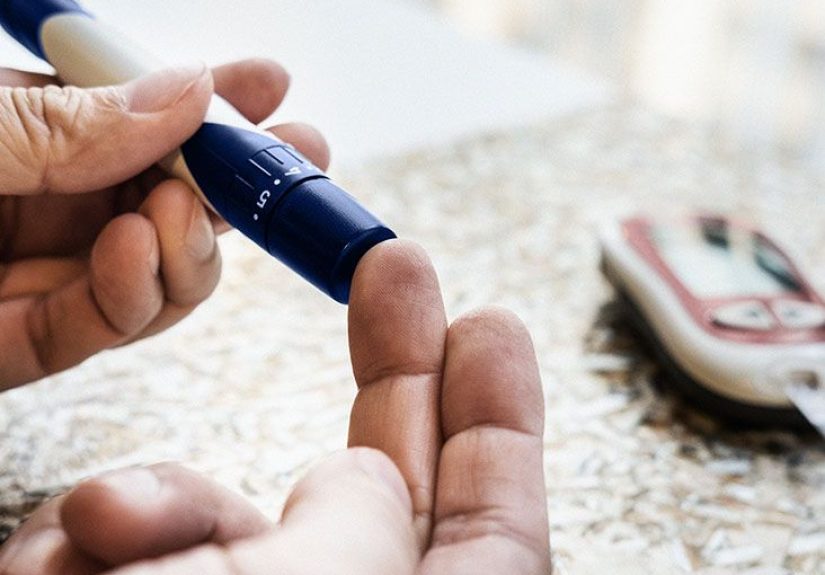
- Fingerstick: a drop of blood from your fingertip, read by a meter in seconds.
Helpful details to share
Because timing matters, clinicians may ask:
- When you last ate or drank something sugary
- Whether you’re sick, stressed, or sleep-deprived
- What medications and supplements you’re taking (especially steroids)
- Whether you exercised recently
None of this is a pop quiz. It’s contextthe difference between “this number is alarming” and “this number makes sense given you just drank a giant sweet coffee and ran to the appointment.”
What can throw off a random glucose result?
Random glucose is sensitive to real-life chaos. That’s a feature, not a bugunless the chaos is coming from avoidable measurement issues. Common factors include:
- Recent meals: especially high-carb or sugary foods/drinks
- Illness and infection: stress hormones can raise glucose
- Stress and poor sleep: can increase insulin resistance temporarily
- Dehydration: can concentrate the blood and complicate interpretation
- Medication effects: particularly steroids
- Meter issues: expired strips, dirty hands, temperature extremes, or improper technique
This is why clinicians often confirm a surprising result with repeat testing or a different test type.
What happens after you get a number?
The next step depends on how high or low the result is, whether you have symptoms, and your overall risk profile. In general:
- If it’s low: clinicians focus on immediate safety, potential medication causes, and prevention.
- If it’s mildly elevated: they may recommend A1C or fasting glucose for a clearer picture.
- If it’s very high (especially ≥200 mg/dL): they assess symptoms and may order confirmatory labs and additional evaluation.
Random glucose is often the start of the conversation, not the last word. Think of it as the trailer, not the full movie.
Quick FAQ (because everyone asks)
Is 126 mg/dL automatically diabetes?
Not automatically126 mg/dL is a diagnostic threshold for fasting plasma glucose when confirmed. As a random number, it could reflect a recent meal, stress, or something else. That’s why follow-up testing matters.
Can I have “normal” random glucose and still have diabetes or prediabetes?
Yes. Early glucose issues can be missed by a single random snapshot. That’s where A1C, fasting glucose, and sometimes OGTT help, because they capture trends or controlled conditions.
Why do doctors like A1C so much?
Because it reflects longer-term glucose exposure. Random glucose is “today,” while A1C is closer to “how the last couple of months have been going.” Both are useful, just for different questions.
Experiences with random glucose testing (real-life scenarios people relate to)
Numbers are helpful, but experiences are often what make random glucose testing “click.” Below are common scenarios that people describeshared here as everyday examples (not a substitute for medical care), because learning sticks better when it looks like real life.
The urgent care surprise: “I came in for a UTI… and left thinking about glucose.”
A lot of people first meet random glucose testing in urgent care. They show up for something that feels unrelatedlike a urinary tract infection, a skin infection, or dehydration from a stomach bug. Because infections and dehydration can affect glucose and because high glucose can make infections more likely or harder to clear, clinicians sometimes add a quick glucose check. The result can be a surprise: not necessarily an emergency, but high enough to justify follow-up labs. Many people say this is the moment they learned diabetes can be “quiet” until it’s notand that a random test can be a useful early warning.
The steroid bump: “My blood sugar wasn’t ‘me’ anymore.”
Another common story involves steroids. Someone starts prednisone for asthma flare-ups, a severe rash, or another inflammatory conditionand suddenly their readings climb. They might feel hungrier, thirstier, or just “off,” and a random glucose check explains why. People often describe this as relieving: the number validates their symptoms and gives their clinician something concrete to manage. For some, it’s temporary. For others, it reveals underlying insulin resistance that was already developing and simply got spotlighted by the medication.
The “I feel fine” lesson: symptoms don’t always match the number
One of the biggest mindset shifts people report is realizing that how you feel isn’t always a reliable glucose meter. Some people can run high and feel normal, especially if levels have been elevated for a while. Others can drop low and barely notice itparticularly if they’ve had repeated lows and their body’s warning signals have dulled. That’s why random checks are used in clinics and why some people benefit from structured testing at home. The experience many share is simple: “I stopped guessing and started checking.”
Pattern spotting: “The number wasn’t the pointwhat it did over time was.”
People who monitor glucose often talk about moving from single readings to patterns. A random check after a familiar meal can teach you what your body does with that food. A reading after a walk can show how activity helps. Over time, people build a personal map: which breakfasts keep them steady, which snacks send them spiking, and which late-night habits make the morning numbers grumpy. This is also why clinicians may recommend A1C or a structured testing schedulebecause one number is just a dot, while multiple dots become a picture.
The “tech reality check”: fingersticks, CGMs, and the value of confirmation
Some people use continuous glucose monitors (CGMs), while others rely on fingersticks or clinic labs. A frequent experience is seeing small mismatches between devicesespecially during rapid changes (after meals, exercise, or treating a low). That mismatch can be confusing until you learn that different measurement methods and timing delays can cause differences. Many people describe the first time a clinician confirmed a high home reading with a lab test as reassuring: it turns uncertainty into a clear plan. The takeaway isn’t “devices are wrong,” but “confirmation is smart when the decision matters.”
If there’s a common thread in these experiences, it’s this: random glucose testing is less about perfection and more about useful information at the right moment. It can start a diagnosis, explain symptoms, guide medication decisions, and help people understand their bodies with fewer guesses and more clarity.
Conclusion
Random glucose testing is a fast, flexible way to check blood sugar without fasting. “Normal” depends on timing and context, but many people without diabetes often measure at or below about 125 mg/dL, while a result of 200 mg/dL or higherespecially with classic symptomsraises strong concern for diabetes and typically triggers confirmatory testing. Just as importantly, low glucose (below 70 mg/dL) matters and deserves attention. Used wisely, random glucose testing is a practical tool that helps clinicians (and patients) make better decisions sooner.







 Close
Close