
Table of Contents >> Show >> Hide
- Why Grilled Chicken Pesto Pizza Works So Well
- Ingredients for the Best Grilled Chicken Pesto Pizza
- How to Make Grilled Chicken Pesto Pizza
- Best Topping Ideas and Easy Variations
- Common Mistakes to Avoid
- What to Serve with Grilled Chicken Pesto Pizza
- How to Store and Reheat Leftovers
- Frequently Asked Questions
- Final Thoughts
- The Experience: Why This Pizza Feels Bigger Than a Recipe
- SEO Tags
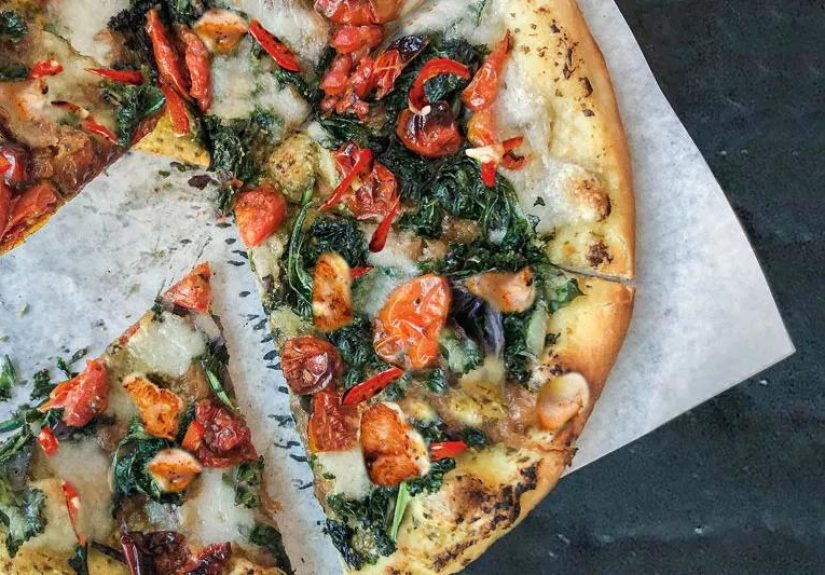
Some dinners whisper. This one struts into the kitchen wearing sunglasses. Grilled Chicken Pesto Pizza is the kind of meal that feels a little fancy, tastes like you ordered it from a good neighborhood pizza place, and still manages to be weeknight-friendly. That is a rare and beautiful combination.
This pizza swaps the usual red sauce for bright, herby pesto, then piles on juicy grilled chicken, melty mozzarella, and a few fresh toppings that make every bite taste lively instead of heavy. It is savory, cheesy, a little garlicky, and just fresh enough to make you feel like you made an excellent life decision.
If you have been searching for a grilled chicken pesto pizza recipe that is easy to follow, flexible, and worthy of repeat status, this is it. You can use homemade dough, store-bought dough, leftover grilled chicken, rotisserie chicken in a pinch, or whatever mozzarella is hanging out in your fridge waiting to become important.
Below, you will find everything you need: the ingredients, step-by-step method, practical topping advice, common mistakes to avoid, serving ideas, storage tips, and a longer experience-driven section at the end for anyone who believes pizza is not just dinner, but a full-on mood.
Why Grilled Chicken Pesto Pizza Works So Well
There is a reason chicken pesto pizza keeps showing up on restaurant menus and family dinner tables. The flavor balance is almost unfairly good. Pesto brings basil, garlic, olive oil, nuts, and salty cheese to the party. Chicken adds lean, savory substance. Mozzarella softens everything with that stretchy, golden melt everyone wants in a pizza photo. Then a few fresh toppings, like cherry tomatoes, red onion, or basil leaves, cut through the richness so the whole pie stays bright.
Another reason this recipe wins: it is flexible. Want a crisp thin crust? Go for it. Prefer a chewier artisan-style dough? Also great. Need a meal that uses leftover grilled chicken from last night’s cookout? Congratulations, this pizza was practically built for your refrigerator’s greatest hits.
It is also ideal for people who like pizza that tastes layered rather than one-note. Traditional tomato sauce is wonderful, but pesto gives you more dimension right away. It tastes herbal, nutty, slightly sharp, and rich all at once, which means you do not need a mile-long topping list to make the pizza interesting.
Ingredients for the Best Grilled Chicken Pesto Pizza
For the pizza
- 1 pound pizza dough, homemade or store-bought
- 1/3 to 1/2 cup basil pesto
- 1 1/2 to 2 cups grilled chicken, sliced or shredded
- 2 cups low-moisture shredded mozzarella cheese
- 2 to 4 ounces fresh mozzarella, torn into small pieces
- 1/2 cup cherry tomatoes, halved
- 1/4 small red onion, very thinly sliced
- 2 tablespoons grated Parmesan cheese
- 1 teaspoon olive oil, for brushing the dough
- Pinch of kosher salt and black pepper
- Crushed red pepper flakes, optional
- Fresh basil leaves, for finishing
For the grilled chicken
- 1 large boneless, skinless chicken breast or 2 small ones
- 1 tablespoon olive oil
- 1/2 teaspoon garlic powder
- 1/2 teaspoon Italian seasoning
- Salt and black pepper to taste
The ingredient list is simple, but every item has a job. The pesto carries most of the flavor, so choose one you genuinely like. The chicken should already be cooked before it goes on the pizza, which keeps the crust from overbaking while the topping catches up. Low-moisture mozzarella gives you reliable melt without turning the pie watery, while a little fresh mozzarella adds creamy pockets that make the pizza feel restaurant-level.
How to Make Grilled Chicken Pesto Pizza
1. Cook the chicken first
Brush the chicken with olive oil and season it with garlic powder, Italian seasoning, salt, and pepper. Grill over medium-high heat for about 5 to 6 minutes per side, depending on thickness, until cooked through. Let it rest for 5 to 10 minutes, then slice or shred it into bite-size pieces.
Could you use leftover grilled chicken instead? Absolutely. In fact, this recipe becomes even more weeknight-friendly when the chicken is already cooked. Leftover rotisserie chicken also works, though grilled chicken gives the pizza more smoky character.
2. Preheat like you mean it
Heat your oven to 475°F if you have a pizza stone, pizza steel, or cast-iron pan. If you are baking on a regular sheet pan, 450°F is perfectly fine. Put the stone, steel, or pan in the oven while it heats so the crust gets a strong head start.
This is one of the biggest differences between okay homemade pizza and homemade pizza that makes everyone hover by the oven asking, “Is it ready yet?” A properly hot surface helps the crust puff, brown, and crisp before the toppings get tired and soggy.
3. Stretch the dough
Let the dough sit at room temperature for 30 to 60 minutes if it has been refrigerated. That makes it easier to stretch and less likely to fight you like an offended elastic band. On a lightly floured surface, stretch the dough into a 12-inch round or an oval rustic shape. Perfection is not required. Pizza is forgiving. That is one of its best traits.
4. Give the crust a little insurance
Brush the surface lightly with olive oil. If you like an extra-crispy base, par-bake the plain dough for 4 to 5 minutes before topping it. This step is especially helpful if your pesto is loose or your tomatoes are juicy.
5. Add the toppings
Spread the pesto over the dough, leaving about a 1/2-inch border around the edge. You want enough pesto to flavor every slice, but not so much that it blankets the crust like a swamp. Sprinkle on the shredded mozzarella, then add the grilled chicken, tomatoes, red onion, and torn fresh mozzarella. Finish with Parmesan and a tiny pinch of black pepper or red pepper flakes if you like heat.
6. Bake until golden and bubbling
Bake for 10 to 14 minutes, depending on your oven and crust thickness, until the cheese is melted, the edges are golden, and the bottom is crisp. If needed, rotate the pizza once halfway through for even color.
7. Finish with freshness
As soon as the pizza comes out, scatter fresh basil over the top. Let it rest for 2 to 3 minutes, slice, and serve. That short pause keeps the cheese from sliding off in one dramatic blanket. Nobody needs that kind of stress at dinnertime.
Best Topping Ideas and Easy Variations
One of the joys of homemade pesto pizza is how easy it is to customize. Once you have the base formula right, you can change the extras depending on the season, your mood, or what needs to be used up.
Great add-ins
- Artichoke hearts: Briny and tender, they pair beautifully with pesto and chicken.
- Roasted red peppers: Sweet, soft, and colorful.
- Baby spinach or arugula: Toss on after baking for a fresh finish.
- Pine nuts: Toasted and sprinkled on top for extra crunch.
- Sun-dried tomatoes: Intense flavor with minimal bulk.
- Bacon: Because sometimes subtlety is not the assignment.
Smart substitutions
- Use naan or flatbread for a faster version.
- Swap mozzarella for provolone, fontina, or part-skim mozzarella.
- Use spinach pesto or arugula pesto when basil is expensive or unavailable.
- Choose grilled chicken thighs for a richer flavor.
- Add a little ricotta in dollops if you want a creamier white-pizza feel.
Common Mistakes to Avoid
Even an easy grilled chicken pesto pizza recipe can go sideways if you ignore a few small details.
Using watery toppings
Fresh tomatoes are delicious, but too many can release moisture and soften the crust. Halve cherry tomatoes and do not overload the pie. If your fresh mozzarella seems very wet, pat it dry before adding it.
Adding raw chicken
The chicken should already be cooked before it hits the pizza. Raw chicken and pizza dough do not bake at the same speed, and the crust will lose before the chicken wins.
Too much pesto
Pesto is flavorful and rich. A thin, even layer is plenty. Too much can make the pizza oily and heavy instead of balanced.
Not heating the oven enough
Pizza likes confidence. A timid oven often means pale crust, overcooked cheese, and general disappointment. Get the oven hot and preheat your surface well.
What to Serve with Grilled Chicken Pesto Pizza
This pizza is rich enough to feel satisfying on its own, but it also plays nicely with a simple side. Try it with a peppery arugula salad, a lemony Caesar, roasted vegetables, or even a bowl of tomato soup if you are leaning cozy. For a casual dinner, pair it with sparkling water, iced tea, or a crisp white wine.
If you are serving a crowd, make this pizza alongside a classic margherita or a veggie pie. The pesto chicken version tends to disappear first, which is either flattering or mildly hurtful to the other pizzas.
How to Store and Reheat Leftovers
Store leftovers in an airtight container in the refrigerator for up to 3 days. To reheat, skip the microwave if possible. A skillet over medium-low heat or a hot oven brings back the crisp crust much better. If you must use the microwave, I respect your schedule, but the crust will soften.
You can also prep ahead by grilling the chicken and making or buying the pesto earlier in the day. Then dinner becomes a fast assembly project instead of a full production.
Frequently Asked Questions
Can I make grilled chicken pesto pizza on an outdoor grill?
Yes. Grill one side of the dough first, flip it, then quickly add pesto, cheese, chicken, and toppings to the grilled side. Close the lid and cook until the cheese melts and the crust is charred in spots. It is fast, delicious, and slightly dramatic in the best way.
Is store-bought pesto okay?
Very okay. Excellent, even. Homemade pesto is lovely, but good store-bought pesto makes this recipe much easier without sacrificing much flavor.
What is the best cheese for chicken pesto pizza?
Mozzarella is the best base because it melts evenly and lets the pesto shine. Parmesan adds salt and nuttiness. A little fresh mozzarella or ricotta can make the texture even better.
Final Thoughts
Grilled Chicken Pesto Pizza is one of those recipes that manages to feel both simple and impressive. It works for a Friday night at home, a casual dinner with friends, a backyard get-together, or the kind of evening where you just want something comforting that does not taste predictable.
It is also the sort of pizza that teaches a useful cooking lesson: when your ingredients already have personality, you do not need to overcomplicate dinner. Good dough, flavorful pesto, cooked chicken, and the right cheese can do a lot of heavy lifting.
So the next time pizza night rolls around, skip autopilot. Make the pie that smells like basil, melts like a dream, and disappears suspiciously fast.
The Experience: Why This Pizza Feels Bigger Than a Recipe
There is something weirdly satisfying about making this pizza from start to finish, even when you are not trying to impress anyone. It starts with the pesto. The second that basil-and-garlic aroma hits the warm dough, the kitchen smells less like “I need to make dinner” and more like “I absolutely know what I’m doing.” That is a nice emotional upgrade for any random Tuesday.
Then there is the grilled chicken. Chicken on pizza can be forgettable when it is dry, bland, or clearly added as an afterthought. But when the chicken has real grill marks, a little seasoning, and that slightly smoky flavor, it changes the whole pie. Suddenly, the pizza has depth. It feels intentional. It feels like the cook cared. Even if the cook was also wearing socks that do not match and trying to answer three text messages at once.
The best part may be the contrast. You get a crisp crust, soft cheese, juicy chicken, and that punchy, almost sunny flavor from the pesto. Then a tomato bursts a little. A strip of red onion adds bite. Fresh basil lands on top right at the end and makes the whole thing taste brighter than it has any right to. It is not just cheesy. It is layered. That is why this pizza keeps earning repeat status in so many kitchens.
It also has a built-in sense of occasion without being difficult. You do not need advanced dough skills, a wood-fired oven, or a tiny jar of imported something with a label you cannot pronounce. You just need enough heat, a little restraint with the toppings, and the confidence to let the ingredients do their thing. That makes the experience approachable, which is part of its charm.
This is also one of those meals that feels social by nature. People gather when pizza is involved. Someone wanders into the kitchen “just to see what’s going on.” Someone else asks whether there is extra Parmesan. Another person steals a tomato off the cutting board as if that behavior is acceptable. The pizza turns a regular dinner into an event, even when the event is basically just everybody being hungry at the same time.
And leftovers, when they happen, feel like a reward instead of an obligation. A cold slice the next day still tastes good. A reheated slice in a skillet tastes surprisingly close to fresh. That matters because a great recipe is not only about the first bite. It is also about whether you are glad you made it again the next day.
Maybe that is why grilled chicken pesto pizza sticks around in people’s rotation. It feels fresh but comforting, easy but not boring, and homemade without demanding an entire evening of kitchen labor. In other words, it is the kind of recipe that makes you look more organized and more talented than you may actually be at that particular moment. Honestly, that is one of the finest services a dinner can provide.






 Close
Close