
Table of Contents >> Show >> Hide
- What Is the Rectus Abdominis Muscle?
- Rectus Abdominis Muscle Origin and Insertion
- Key Anatomy of the Rectus Abdominis
- Rectus Abdominis Function
- Innervation and Blood Supply
- Rectus Abdominis vs. Other Abdominal Muscles
- Common Conditions Involving the Rectus Abdominis
- How to Strengthen the Rectus Abdominis Safely
- Posture, Sports, and Daily Movement
- Practical Experience: What Understanding the Rectus Abdominis Changes
- Conclusion
The rectus abdominis muscle is the celebrity of the abdominal wall. It gets magazine covers, fitness-program headlines, and the dramatic nickname “six-pack.” But behind the spotlight is a hard-working anatomical structure with a serious job description. The rectus abdominis helps flex the trunk, supports posture, stabilizes the pelvis, assists breathing mechanics, and increases abdominal pressure during everyday activities such as coughing, lifting, laughing, and, yes, surviving one more round of crunches.
Understanding the rectus abdominis muscle origin, function, and anatomy is useful for students, athletes, trainers, physical therapy patients, and anyone curious about why the front of the core matters beyond beach-season aesthetics. This long, paired muscle is not simply a decorative strip on the abdomen. It is part of a coordinated abdominal wall system that protects organs, supports spinal movement, and helps the body transfer force between the rib cage and pelvis.
What Is the Rectus Abdominis Muscle?
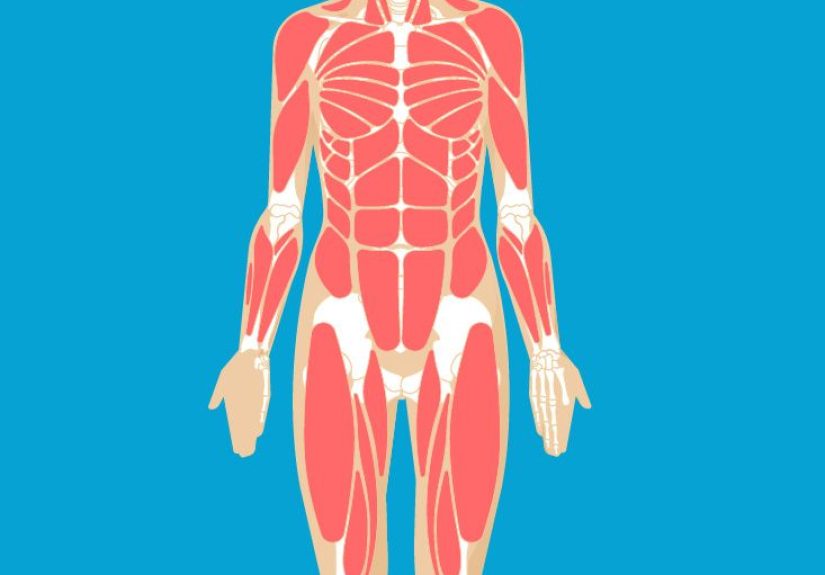
The rectus abdominis is a paired, vertical muscle located on the front of the abdomen. One muscle sits on the right side and the other on the left, separated by a tough midline band of connective tissue called the linea alba. The word “rectus” means straight, and “abdominis” refers to the abdomen, so the name basically means “straight abdominal muscle.” Anatomy, unlike marketing, occasionally says exactly what it means.
This muscle runs from the pubic region upward to the lower ribs and sternum. It lies within the rectus sheath, a fibrous envelope formed by the aponeuroses of the surrounding abdominal muscles. The rectus sheath helps hold the muscle in place and connects it with the larger abdominal wall system, including the external oblique, internal oblique, and transversus abdominis.
Rectus Abdominis Muscle Origin and Insertion
Origin: Where the Muscle Begins
The rectus abdominis originates from the pubic symphysis and the pubic crest. These structures are located at the front of the pelvis. In simple terms, the muscle begins low on the central front portion of the pelvic bones.
This lower attachment matters because the rectus abdominis can influence pelvic position. When it contracts, especially with other abdominal muscles, it can help tilt the pelvis backward. That is one reason this muscle is involved in posture, spinal control, and exercises that require the pelvis and rib cage to stay coordinated.
Insertion: Where the Muscle Ends
From its pubic origin, the rectus abdominis travels upward and inserts into the xiphoid process of the sternum and the costal cartilages of ribs five through seven. The xiphoid process is the small lower tip of the breastbone, while costal cartilages connect the ribs to the sternum.
This upper attachment gives the muscle leverage to pull the rib cage toward the pelvis. That action creates trunk flexion, such as when a person performs a sit-up or curls the torso forward to get out of bed. In real life, the rectus abdominis is less about showing off and more about helping the body move efficiently from lying, standing, bending, coughing, bracing, and lifting.
Key Anatomy of the Rectus Abdominis
A Paired Muscle With a Midline Divider
The right and left rectus abdominis muscles are separated by the linea alba. This connective tissue line runs vertically from the sternum region toward the pubic bone. It acts like a central seam, helping stabilize and organize the front abdominal wall. When people refer to the “center line” between the abdominal muscles, they are usually talking about this structure.
Tendinous Intersections: The Six-Pack Lines
The rectus abdominis is crossed by bands of connective tissue called tendinous intersections. These bands divide the muscle into visible segments. When body fat is low enough and the muscle is developed, these intersections help create the classic “six-pack” or sometimes “eight-pack” appearance.
The important point is that the segmented appearance is anatomical, not magical. You cannot choose where the intersections sit, and you cannot redesign their pattern with a new plank variation. Genetics, muscle size, posture, and body-fat distribution all affect how visible the rectus abdominis appears.
The Rectus Sheath
The rectus sheath surrounds the rectus abdominis and is formed by the flat tendons of the abdominal wall muscles. It is not just packaging. It helps distribute force, provides structural support, and connects the rectus abdominis to the rest of the abdominal wall. The sheath also carries important blood vessels, including the superior and inferior epigastric vessels.
Rectus Abdominis Function
1. Trunk Flexion
The most famous function of the rectus abdominis is flexion of the trunk. When both sides contract together, they help bend the spine forward. This is the movement seen in crunches, sit-ups, and the first dramatic moment when someone tries to rise from a sofa after leg day.
However, trunk flexion is only one part of the story. In daily life, the rectus abdominis often works with other muscles to control motion rather than create a huge movement. For example, when you slowly lower yourself backward, the muscle may contract eccentrically to prevent the spine from extending too quickly.
2. Pelvic Stabilization
Because the rectus abdominis connects the pelvis to the rib cage, it helps control pelvic tilt. Strong, coordinated abdominal muscles can assist with maintaining a neutral pelvis during standing, walking, running, and lifting. This does not mean the rectus abdominis works alone. It teams up with the obliques, transversus abdominis, gluteal muscles, hip flexors, spinal extensors, and diaphragm.
Think of the pelvis as the foundation of a house and the rib cage as the upper floor. The rectus abdominis is one of the tension cables helping the two levels communicate. If the cable is weak, overactive, poorly coordinated, or strained, movement quality may suffer.
3. Abdominal Compression
The rectus abdominis helps compress the abdominal contents. This is important during coughing, sneezing, vomiting, bowel movements, childbirth, and heavy lifting. The muscle contributes to increased intra-abdominal pressure, which can help stabilize the spine and trunk during effort.
This is why proper bracing is important during strength training. Bracing is not just “sucking in” the stomach. It is a coordinated tightening of the abdominal wall, diaphragm, pelvic floor, and back muscles to create a stable cylinder around the spine.
4. Breathing Support
The rectus abdominis can assist forced expiration. During quiet breathing, it is not the star performer; the diaphragm handles most of the main respiratory work. But during forceful exhalation, coughing, laughing, singing, or intense exercise, the rectus abdominis helps pull the ribs downward and compress the abdomen to push air out.
Innervation and Blood Supply
Nerve Supply
The rectus abdominis is supplied mainly by the thoracoabdominal nerves from spinal levels T7 through T11 and the subcostal nerve at T12. These nerves carry motor signals that allow the muscle to contract and sensory information from the abdominal wall region.
This nerve supply explains why abdominal wall pain, weakness, or altered sensation can sometimes relate to nerve irritation or injury. Medical evaluation is important when symptoms are persistent, severe, or linked with trauma, surgery, or unexplained swelling.
Blood Supply
Blood reaches the rectus abdominis mainly through the superior epigastric artery and inferior epigastric artery. These vessels run within the rectus sheath and support the muscle and nearby abdominal wall tissues. Smaller contributions may come from nearby intercostal and subcostal vessels.
Rectus Abdominis vs. Other Abdominal Muscles
The rectus abdominis is only one member of the abdominal muscle team. The external obliques help with trunk rotation, side bending, and abdominal compression. The internal obliques assist with rotation, side bending, and stabilization. The transversus abdominis, the deepest abdominal layer, acts like a natural corset by helping maintain abdominal wall tension and support.
A healthy core does not come from training only the rectus abdominis. Endless crunches may strengthen trunk flexion, but they do not fully develop rotational control, anti-extension strength, anti-rotation stability, hip control, or breathing mechanics. A balanced program includes multiple movement patterns: flexion, extension control, rotation, side support, loaded carries, and controlled breathing.
Common Conditions Involving the Rectus Abdominis
Abdominal Muscle Strain
A rectus abdominis strain can happen when the muscle is overstretched or overloaded. It may occur during sports, sudden twisting, forceful coughing, heavy lifting, or aggressive core training. Symptoms can include localized pain, tenderness, tightness, and discomfort during trunk movement.
Mild strains often improve with rest, gradual mobility, and progressive strengthening. Severe pain, bruising, swelling, or difficulty moving should be evaluated by a healthcare professional.
Diastasis Recti
Diastasis recti refers to separation or widening of the linea alba between the left and right rectus abdominis muscles. It is common during and after pregnancy, but it can also occur in people who experience repeated abdominal pressure or poor load management.
Diastasis recti is not simply a cosmetic concern. Some people experience reduced trunk support, doming along the midline, back discomfort, or difficulty with certain exercises. Physical therapy often focuses on breathing, pressure management, deep core coordination, and gradual strengthening rather than punishing the abdomen with random internet challenges.
Hernias and Abdominal Wall Weakness
A hernia occurs when tissue pushes through a weak area in the abdominal wall. While hernias are not the same as a rectus abdominis injury, abdominal wall anatomy is involved. A visible bulge, pain with lifting, or symptoms that worsen with coughing or straining should be checked by a medical professional.
Rectus Sheath Hematoma
A rectus sheath hematoma is bleeding within the sheath surrounding the rectus abdominis. It may occur after trauma, intense coughing, abdominal strain, surgery, injections, or in people taking blood-thinning medication. This condition can mimic other abdominal problems, so sudden or severe abdominal pain deserves prompt medical attention.
How to Strengthen the Rectus Abdominis Safely
Start With Control, Not Chaos
Good abdominal training begins with control. Before chasing advanced exercises, learn how to coordinate breathing, rib position, pelvic position, and spinal movement. If the ribs flare upward and the lower back arches dramatically during every exercise, the rectus abdominis may not be controlling the trunk effectively.
Useful Exercises
Exercises that can target or involve the rectus abdominis include crunches, reverse crunches, dead bugs, hollow holds, planks, cable crunches, hanging knee raises, and rollouts. Each exercise has a different difficulty level and stress profile. For beginners, dead bugs and controlled curl-ups may be more useful than jumping straight into hanging leg raises, which can quickly become hip-flexor theater.
Train the Whole Core
A smart routine also trains the obliques, transversus abdominis, spinal stabilizers, hips, and glutes. Side planks, Pallof presses, farmer’s carries, bird dogs, and controlled breathing drills can improve trunk stability. A strong rectus abdominis is helpful, but a well-coordinated core is better.
Posture, Sports, and Daily Movement
The rectus abdominis helps athletes control trunk position during sprinting, jumping, throwing, kicking, gymnastics, swimming, and combat sports. It contributes to force transfer between the upper and lower body. For example, when a soccer player kicks, a boxer rotates, or a basketball player lands from a rebound, the abdominal wall helps manage force and maintain trunk control.
In everyday life, the rectus abdominis helps during tasks such as sitting up, carrying groceries, lifting a child, gardening, shoveling, and stabilizing the torso while walking. It is active in more moments than most people realize. The muscle is not waiting around for crunches; it has a full calendar.
Practical Experience: What Understanding the Rectus Abdominis Changes
Once people understand the rectus abdominis as anatomy rather than just “abs,” their training decisions often become smarter. A common experience in gyms, physical therapy clinics, and beginner fitness routines is the sudden realization that the best core work does not always feel like a dramatic burn. Sometimes the most useful exercise is the one that teaches the ribs and pelvis to cooperate without shaking like a folding table in a thunderstorm.
For example, many beginners start with crunches because crunches are familiar. They lie down, pull the neck forward, hold their breath, and hope their abdomen receives the message. But when they learn that the rectus abdominis runs from the pubic region to the lower sternum and ribs, the movement becomes clearer. Instead of yanking the head upward, they focus on gently bringing the rib cage toward the pelvis. The exercise becomes smaller, cleaner, and much more targeted.
Another useful experience comes from learning to brace before lifting. Someone picking up a heavy box may think only about the arms and back. But the rectus abdominis, obliques, transversus abdominis, diaphragm, and pelvic floor are all part of the pressure system that supports the trunk. When a person exhales gently, sets the ribs down, tightens the abdominal wall evenly, and lifts with good mechanics, the movement often feels more stable. The goal is not to turn the abdomen into concrete. The goal is controlled tension, like a supportive belt made of muscle.
Runners and field-sport athletes also notice the importance of this muscle. During sprinting, the pelvis must stay controlled while the legs move quickly. If the front of the core cannot help manage pelvic tilt, the lower back and hip flexors may try to compensate. That does not mean every runner needs hundreds of sit-ups. It means exercises such as dead bugs, planks, carries, and anti-extension drills can support better mechanics.
People recovering after pregnancy often have a different but equally important experience. They may notice doming along the midline during sit-ups, planks, or getting out of bed. Understanding the linea alba and rectus abdominis helps explain why pressure management matters. Instead of forcing harder abdominal work, they may need breathing drills, gentle deep-core activation, and progressive loading guided by a qualified professional.
The biggest lesson is that the rectus abdominis is not a vanity muscle. It is a movement, posture, breathing, and pressure-management muscle. When trained with patience and context, it supports better performance and more confident movement. When trained only for appearance, it can become the most misunderstood famous muscle in the body.
Conclusion
The rectus abdominis muscle begins at the pubic symphysis and pubic crest, then travels upward to attach to the xiphoid process and costal cartilages of ribs five through seven. Its main functions include trunk flexion, pelvic stabilization, abdominal compression, and assistance with forceful expiration. It is innervated primarily by thoracoabdominal nerves and the subcostal nerve, and it receives blood from the superior and inferior epigastric arteries.
While it is famous for creating the six-pack appearance, the rectus abdominis is much more than a fitness trophy. It is a central player in core function, posture, lifting, breathing, sports movement, and abdominal wall health. Treat it like anatomy, not decoration, and it becomes far more useful than any mirror selfie could ever explain.






 Close
Close